
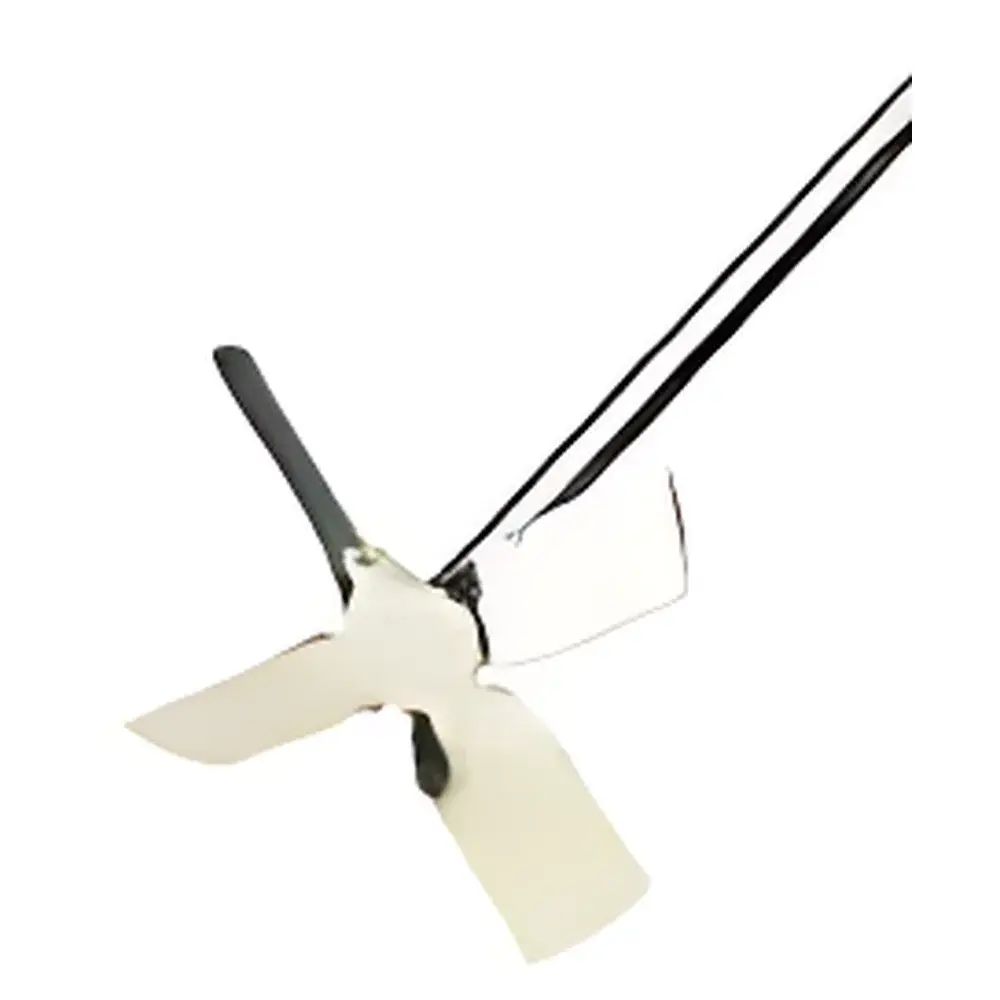
WIGGENS Stainless Steel Impeller Set for Laboratory Stirrers
| Brand | WIGGENS |
|---|---|
| Origin | Germany |
| Product Type | Stainless Steel Impeller Kit |
| Max. Mixing Volume | 20 L |
| Speed Range | 100–1500 rpm |
| Material | AISI 316 Stainless Steel |
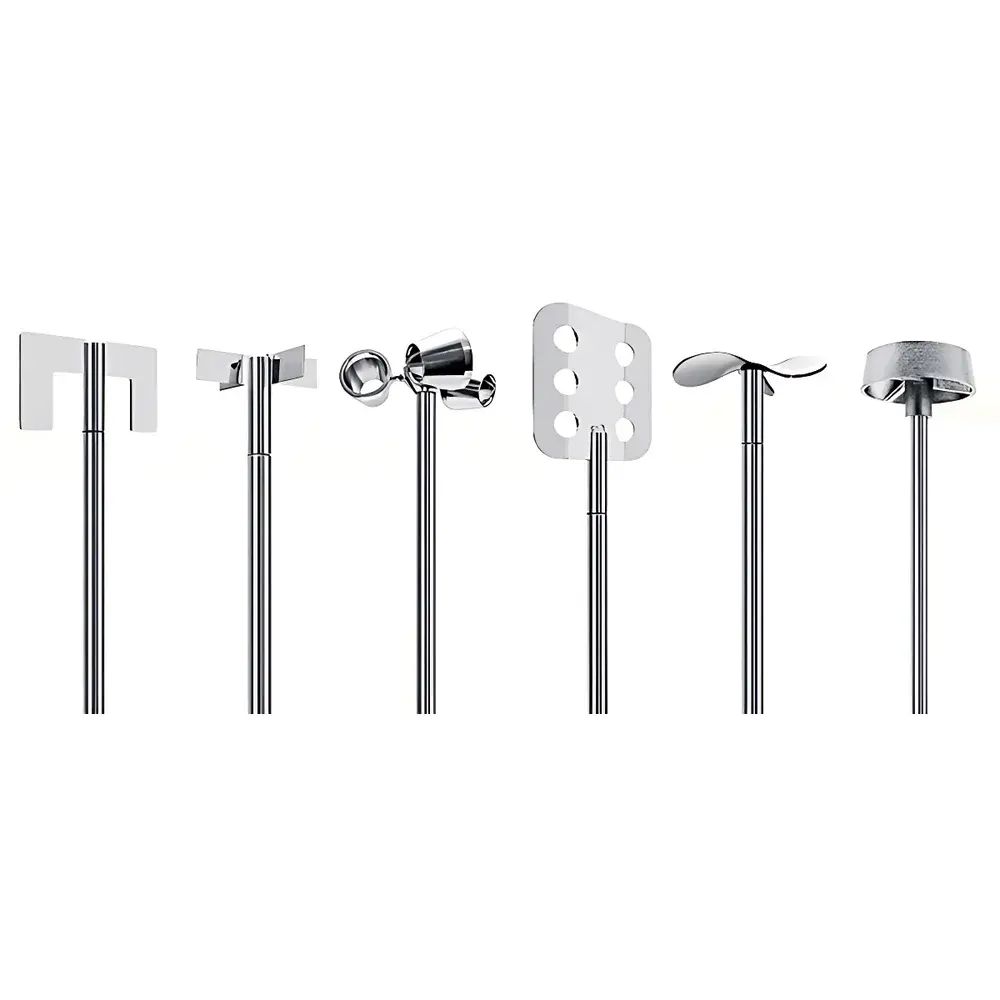
| Blade Configurations | Propeller (3-/4-blade), Turbine, Paddle, Anchor, Dissolution, Centrifugal, Multi-Functional, and Perforated (3-/6-hole) |
| Shaft Diameter | 8 mm / 10 mm / 15 mm |
| Shaft Length | 300–800 mm |
| Blade Diameter | 50–140 mm |
| Compliance | ISO 8573-1 (compressed air–free design), FDA-compliant surface finish (Ra ≤ 0.8 µm), GLP-ready documentation support |
Overview
The WIGGENS Stainless Steel Impeller Set is a modular, application-optimized collection of precision-engineered impellers designed for integration with laboratory-scale electric stirrers—particularly WIGGENS digital overhead stirrers (e.g., WRB series) and compatible third-party drive units. Each impeller is manufactured from high-purity AISI 316 stainless steel, offering superior corrosion resistance, non-reactivity with aqueous, organic, and mildly acidic/basic media, and compliance with pharmaceutical and food-grade surface finish requirements (Ra ≤ 0.8 µm per ISO 13485 and USP ). The set encompasses eight distinct hydrodynamic configurations—including propeller, turbine, paddle, anchor, dissolution, centrifugal, multi-functional, and perforated (3- and 6-hole) designs—each engineered to generate defined flow patterns (radial, axial, or tangential) and shear profiles appropriate for specific rheological regimes. These impellers operate within the mechanical constraints of standard overhead stirrer systems: shaft rotational speeds from 100 to 1500 rpm, maximum recommended mixing volumes up to 20 L in cylindrical vessels, and viscosities ranging from 50,000 mPa·s (for anchor-type variants). No internal heating or temperature control is provided; thermal management must be ensured externally via jacketed vessels or immersion baths.
Key Features
- Precision-machined AISI 316 stainless steel construction ensures long-term dimensional stability, chemical inertness, and autoclavability (up to 134 °C, 3 bar saturated steam).
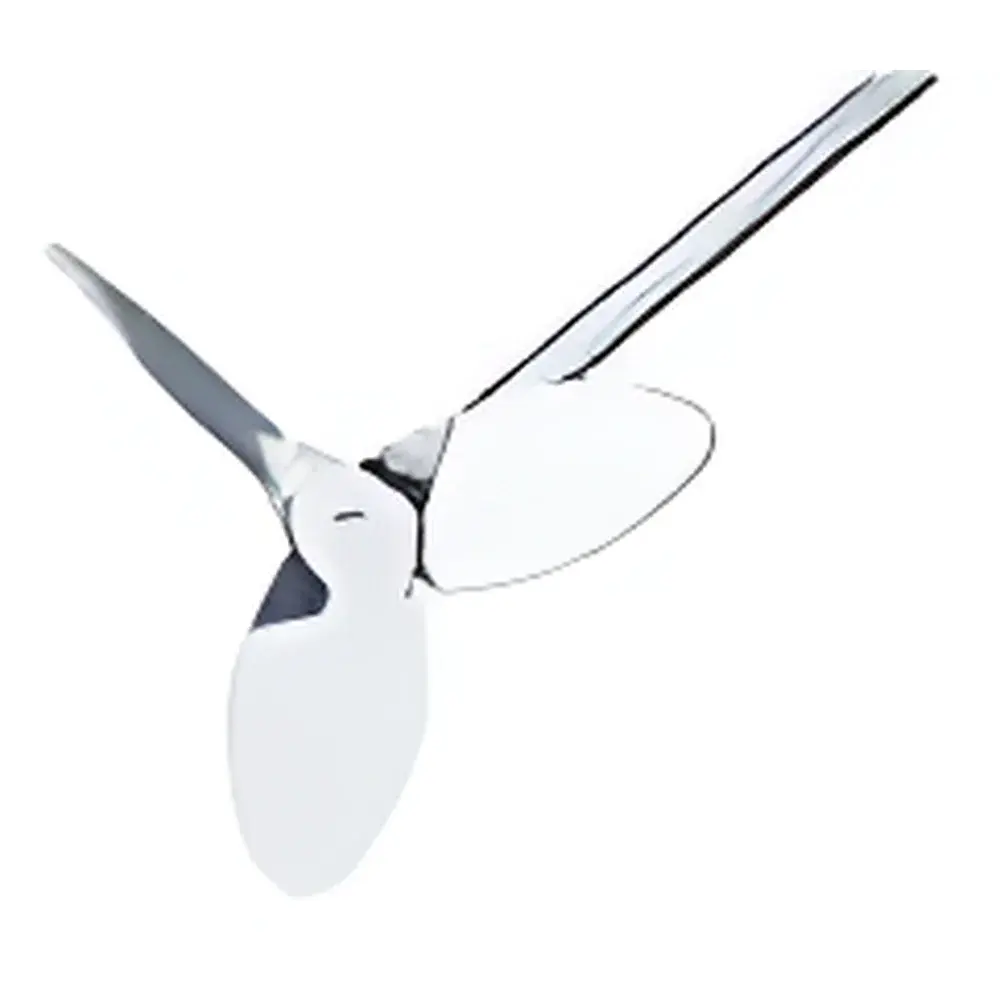
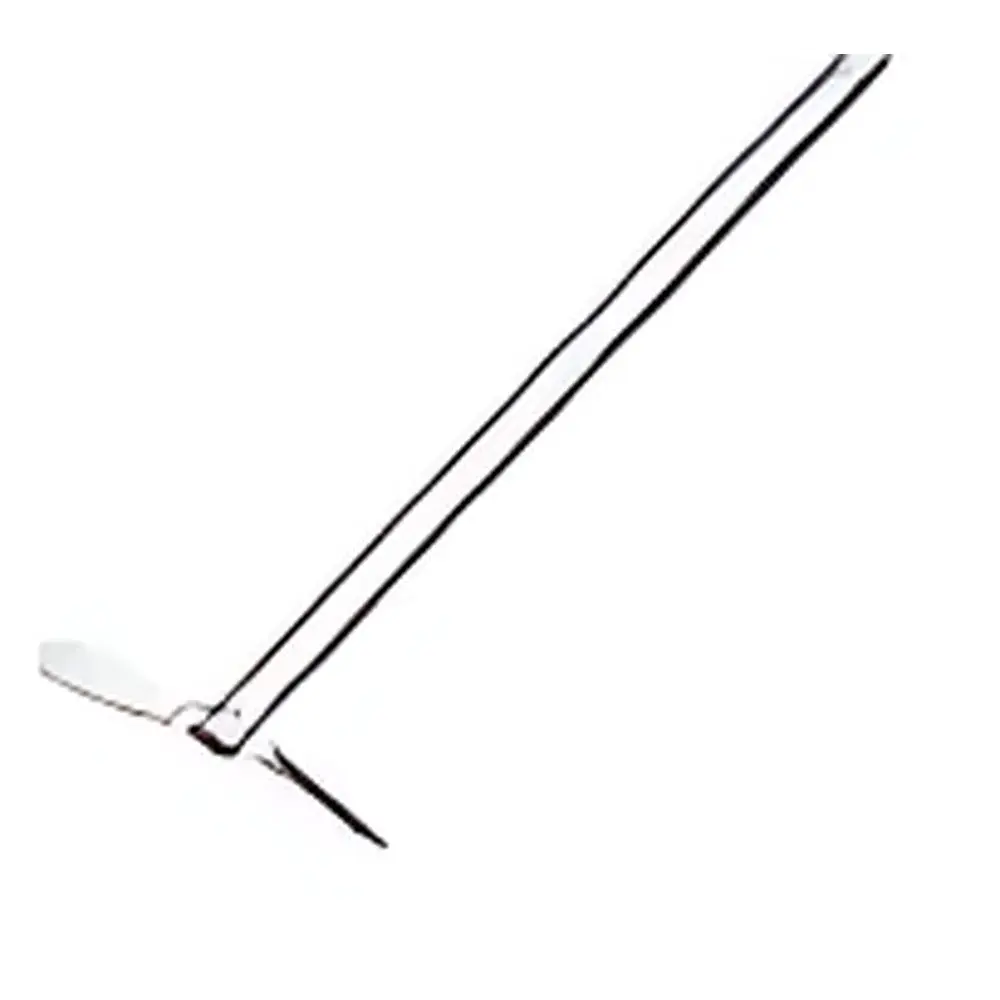
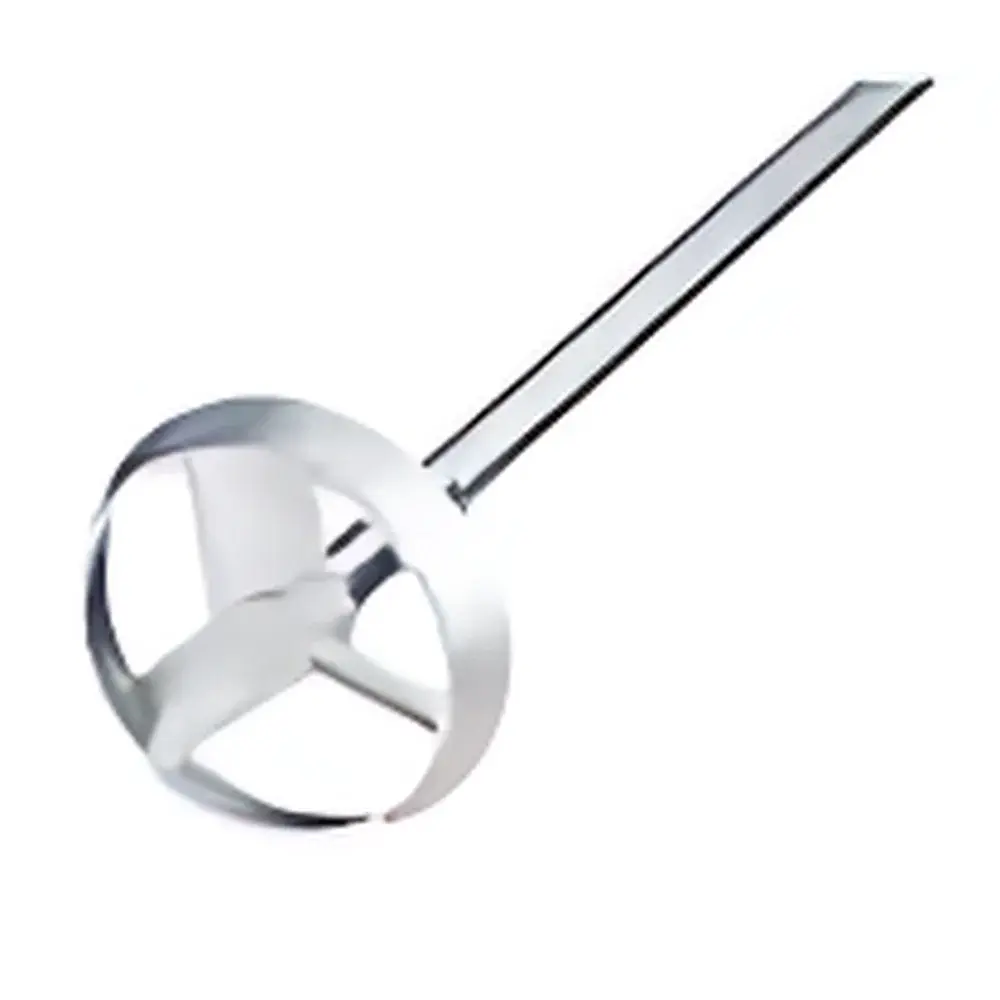
- Multiple hydrodynamic configurations: 3- and 4-blade axial-flow propellers (low-shear, high pumping); Rushton-type turbines (moderate shear, radial discharge); flat-blade paddles (medium-shear radial flow); anchor impellers (high-torque, low-speed tangential flow for viscous gels); dissolution impellers (high-shear radial dispersion for gas-liquid mass transfer); centrifugal impellers (speed-dependent blade deployment for narrow-neck vessels); and multi-functional impellers (hybrid radial/axial flow with foam suppression capability).
- Standardized shaft interface: 8 mm, 10 mm, and 15 mm diameters with metric M6 or M8 threaded ends for secure coupling to WIGGENS and ISO-compliant stirrer chucks.
- Configurable geometry: Blade diameters from 50 mm to 140 mm; shaft lengths from 300 mm to 800 mm; blade heights standardized at 10–18 mm depending on type—enabling precise impeller submergence control per ANSI/AAMI ST79 and ASTM D3237 guidelines.
- Traceable manufacturing: Each impeller bears a unique order code (e.g., 9103, 9025A, 9610) aligned with WIGGENS’ global spare parts database and EU Declaration of Conformity (2014/30/EU EMC Directive, 2014/35/EU Low Voltage Directive).
Sample Compatibility & Compliance
The impeller set is validated for use with Newtonian and pseudo-plastic liquids (e.g., water, ethanol, glycerol solutions, polymer dispersions, cell culture media, buffer formulations) across viscosity ranges from 0.8 mPa·s to 50,000 mPa·s. It is unsuitable for abrasive slurries containing >5 wt% solids >100 µm in diameter or highly exothermic nitration/sulfonation reactions. All impellers meet ISO 10993-5 cytotoxicity requirements when cleaned per WIGGENS-recommended protocols (alkaline detergent → deionized water rinse → 70% ethanol wipe → UV-C exposure). Surface passivation per ASTM A967 is performed post-machining. Documentation packages include material certificates (EN 10204 3.1), RoHS 2011/65/EU compliance statements, and CE marking files available upon request for GMP audit preparation.
Software & Data Management
As passive mechanical components, these impellers do not incorporate embedded electronics or firmware. However, they are fully interoperable with WIGGENS’ WRB-series stirrer controllers (e.g., WRB210, WRB310), which support RS-232/USB data logging, speed ramping profiles, torque monitoring (via current draw correlation), and export of .csv time-series datasets compliant with 21 CFR Part 11 audit trail requirements when used with validated PC software (WIGGENS LabControl v4.2+). Impeller selection parameters—including recommended speed range, tip speed limit (<10 m/s), and Reynolds number thresholds—are programmable as metadata tags in instrument method files to support SOP-driven operation and electronic batch record (EBR) integration.
Applications
- Pharmaceutical process development: Buffer preparation, API crystallization seeding, dissolution testing (USP Apparatus 2), and sterile media blending under ISO 5 cleanroom conditions.
- Chemical R&D: Homogenization of catalyst suspensions, emulsion polymerization initiation, and hydrogenation reaction mixing where gas dispersion efficiency is critical.
- Food & beverage QA/QC: Viscosity standardization of sauces, dairy blends, and plant-based beverages prior to rheological analysis (Brookfield, TA Instruments).
- Academic research: Teaching fluid dynamics principles (laminar vs. turbulent flow regimes), validating CFD models, and studying mixing time correlations (θₘ) in baffled and unbaffled vessels.
- Biotechnology: Oxygen transfer rate (OTR) optimization in microbial fermentations using dissolution or multi-functional impellers in 5–10 L bioreactors.
FAQ
Are these impellers compatible with non-WIGGENS stirrer drives?
Yes—provided the drive unit accepts standardized cylindrical shafts (8/10/15 mm diameter) with metric threading and delivers torque ≥0.5 N·m at 1500 rpm.
Can I autoclave all impeller types?
All impellers are autoclavable; however, centrifugal impellers with spring-loaded mechanisms require disassembly and separate sterilization of pivot pins per WIGGENS Service Bulletin SB-IMP-2023-07.
What is the maximum recommended tip speed for long-term use?
10 m/s for continuous operation; exceeding this threshold increases cavitation risk in low-viscosity media and accelerates fatigue in thin-blade geometries (e.g., 3-blade propellers <70 mm diameter).
Do you provide validation protocols for GMP environments?
WIGGENS supplies IQ/OQ templates aligned with ASTM E2500 and ISPE Baseline Guide Vol. 5, including flow mapping test procedures, torque calibration checklists, and surface roughness verification methods.
How do I select the correct impeller for my application?
Selection depends on three primary criteria: (1) dominant flow pattern required (axial for suspension, radial for dispersion, tangential for heat transfer), (2) target Reynolds number (Re 10,000 for turbulent), and (3) vessel geometry (D/T ratio, baffle presence). WIGGENS Application Engineering offers free impeller sizing consultations upon submission of vessel dimensions and fluid properties.



