
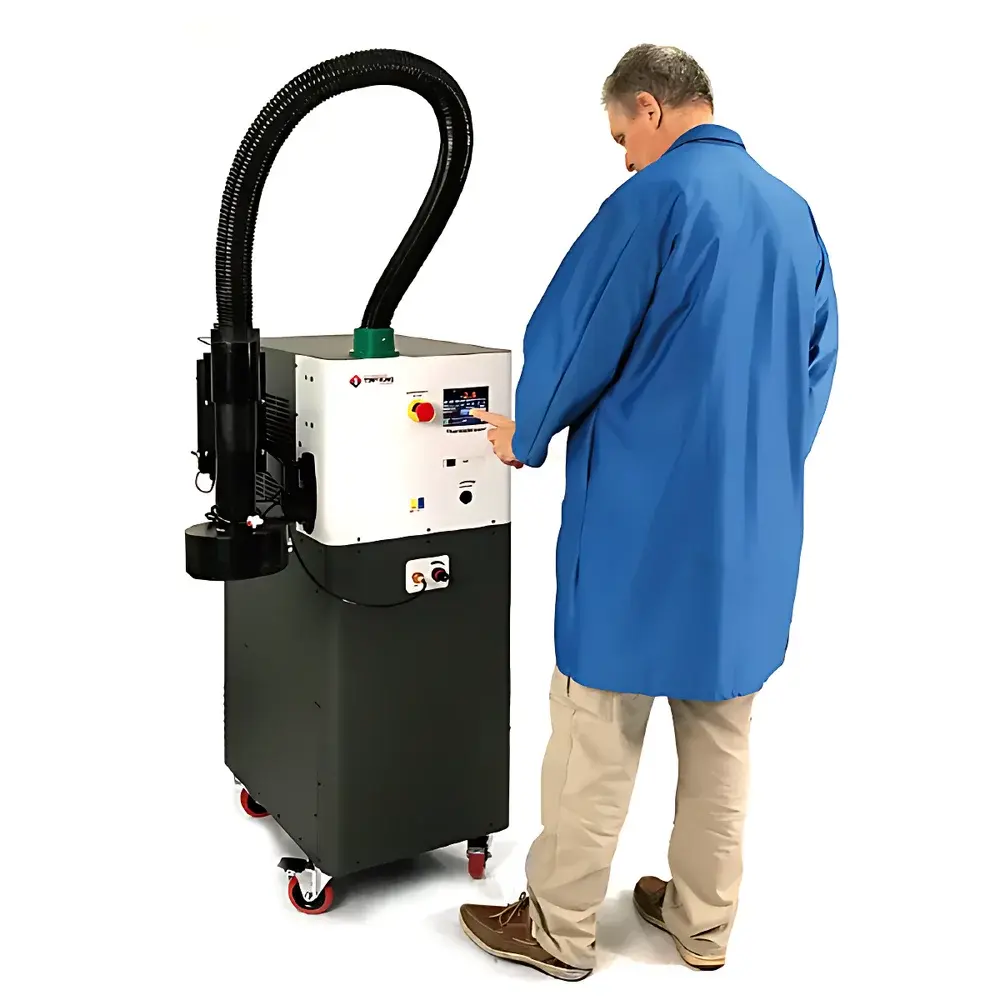
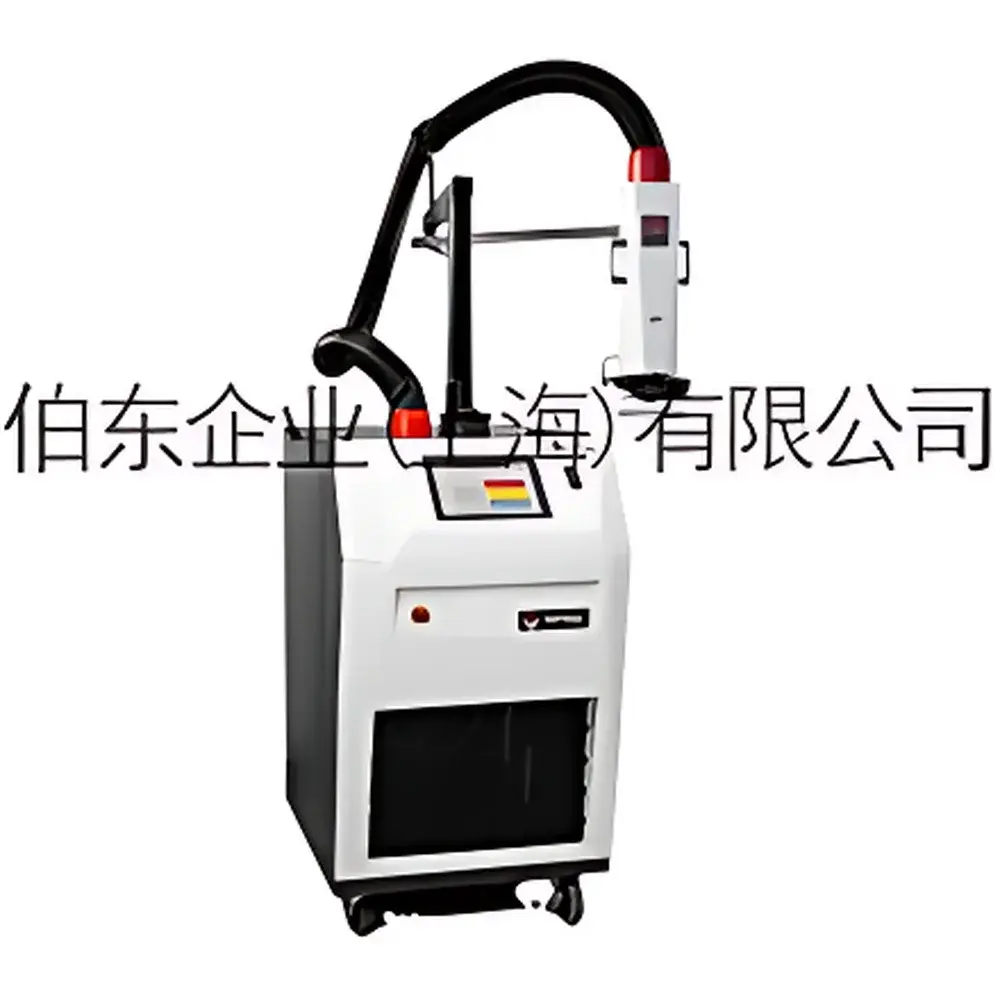
inTEST ATS-770E Thermal Shock Test System with ThermoStream® OCM
| Brand | inTEST–Temptronic |
|---|---|
| Origin | USA |
| Model | ATS-770E |
| High Temperature Range | +225°C |
| Low Temperature Range | -95°C |
| Thermal Shock Range | -95°C to +225°C |
| Temperature Stability | ±0.01°C |
| Ramp Rate (Heating) | -55°C to +125°C in <10 s |
| Ramp Rate (Cooling) | +125°C to -55°C in <10 s |
| Airflow Capacity | 4–12 scfm (1.8–5.6 L/s) |
| Temperature Display Resolution | ±1°C |
| Temperature Display Accuracy | ±1°C (NIST-traceable calibration) |
| Control Interface | Touchscreen HMI |
| Communication Protocols | Ethernet, IEEE-488 (GPIB), RS-232 |
| Operating Modes | Air Mode, DUT Mode (T-type or K-type thermocouple support) |
| Compliance | CE-marked, CFC-free, GLP/GMP-ready architecture |
Overview
The inTEST ATS-770E Thermal Shock Test System is an engineered solution for high-fidelity, ultra-rapid temperature transition testing of electronic components, semiconductor packages, PCB assemblies, and microelectromechanical systems (MEMS). Unlike conventional thermal shock chambers relying on dual-zone liquid nitrogen or CO₂ cryogenic cooling, the ATS-770E employs inTEST’s proprietary ThermoStream® OCM (Optimized Convection Module) technology — a closed-loop, compressor-based forced-air system delivering precise, repeatable thermal transients without consumable cryogens. Its operational envelope spans –95°C to +225°C, with sub-10-second transitions between –55°C and +125°C — enabling accelerated reliability qualification per JEDEC JESD22-A104 (Temperature Cycling), MIL-STD-883 Method 1010, and AEC-Q200 stress protocols. The system’s thermal stability of ±0.01°C at setpoint supports high-resolution characterization of thermally induced mechanical strain, solder joint fatigue, and interfacial delamination under dynamic thermal loading.
Key Features
- ThermoStream® OCM architecture: Eliminates dependency on liquid nitrogen or CO₂; reduces operational cost, safety hazards, and infrastructure requirements.
- Touchscreen human-machine interface (HMI): Standalone control panel with intuitive workflow navigation; independent of Windows OS — mitigates obsolescence risk and ensures long-term software maintainability.
- Ultra-fast thermal ramping: Achieves –55°C ↔ +125°C transitions in under 10 seconds, validated per IEC 60068-2-14 change-of-temperature test profiles.
- Dual-mode operation: Air Mode for ambient air temperature profiling; DUT Mode for direct component-level thermal monitoring using user-supplied T-type or K-type thermocouples.
- Integrated heating lid: Minimizes condensation on device-under-test (DUT) surfaces during low-temperature exposure by locally elevating surface temperature above dew point.
- Energy-efficient design: Adaptive power modulation during standby and low-load conditions; automatic defrost cycle with hot-gas regeneration to prevent moisture accumulation in refrigeration circuitry.
- Modular expandability: Optional ATS-770E-M robotic arm integration enables unattended sequential testing across multiple DUTs in production validation environments.
Sample Compatibility & Compliance
The ATS-770E accommodates a broad range of sample geometries — from bare die and flip-chip packages to populated PCBs up to 250 mm × 250 mm. Its directed airflow nozzle (standard handheld or optional bench-mounted fixture) ensures uniform thermal coupling without mechanical clamping, preserving delicate interconnect integrity. The system conforms to CE marking requirements (2014/30/EU EMC Directive and 2014/35/EU LVD Directive) and is fully compliant with RoHS 2011/65/EU and REACH SVHC regulations. All temperature measurements are traceable to NIST standards via factory-applied calibration certificates. For regulated industries, the system supports audit-ready data logging with timestamped, tamper-evident records — compatible with FDA 21 CFR Part 11-compliant software extensions when integrated into validated laboratory information management systems (LIMS).
Software & Data Management
The ATS-770E provides native driver support for LabVIEW™ (NI-DAQmx compatible), enabling seamless integration into automated test benches. Communication interfaces include Ethernet (TCP/IP), IEEE-488 (GPIB), and RS-232 — facilitating interoperability with legacy and modern ATE platforms. Real-time temperature telemetry, ramp rate verification, and alarm event logs are exportable in CSV and XML formats. Optional inTEST ThermalSync™ software adds advanced features including multi-step profile scripting, statistical process control (SPC) charting, and deviation alerting based on user-defined tolerance bands. Audit trails record operator actions, parameter changes, and calibration events — meeting GLP and GMP documentation requirements for quality assurance departments.
Applications
- Qualification testing of automotive electronics per AEC-Q100 and ISO 16750-4 thermal shock specifications.
- Failure analysis of solder interconnects and underfill materials under extreme ΔT cycling.
- Thermal boundary condition simulation for thermal interface material (TIM) performance evaluation.
- Pre-conditioning of sensors and optoelectronic modules prior to functional testing.
- Reliability screening of 3D IC stacks and heterogeneous integration platforms where coefficient-of-thermal-expansion (CTE) mismatch drives failure mechanisms.
- Research-grade thermal transient mapping in academic and industrial packaging labs.
FAQ
Does the ATS-770E require liquid nitrogen or CO₂ for low-temperature operation?
No — it utilizes an advanced vapor-compression refrigeration system with ThermoStream® OCM technology, eliminating cryogen dependency.
What thermocouple types are supported for DUT-mode temperature feedback?
T-type and K-type thermocouples are natively supported; cold-junction compensation is performed internally.
Is the system suitable for use in ISO Class 5 cleanroom environments?
Yes — the unit emits no particulates or outgassing volatiles; optional HEPA-filtered air inlet kits are available upon request.
Can test profiles be exported and shared across multiple ATS-770E units?
Yes — profile files (.tsf format) are platform-independent and can be loaded via USB or network transfer.
What is the maximum continuous airflow capacity, and how is it regulated?
Airflow ranges from 4–12 scfm (1.8–5.6 L/s), dynamically adjusted via closed-loop feedback to maintain target DUT surface temperature within ±0.5°C.



