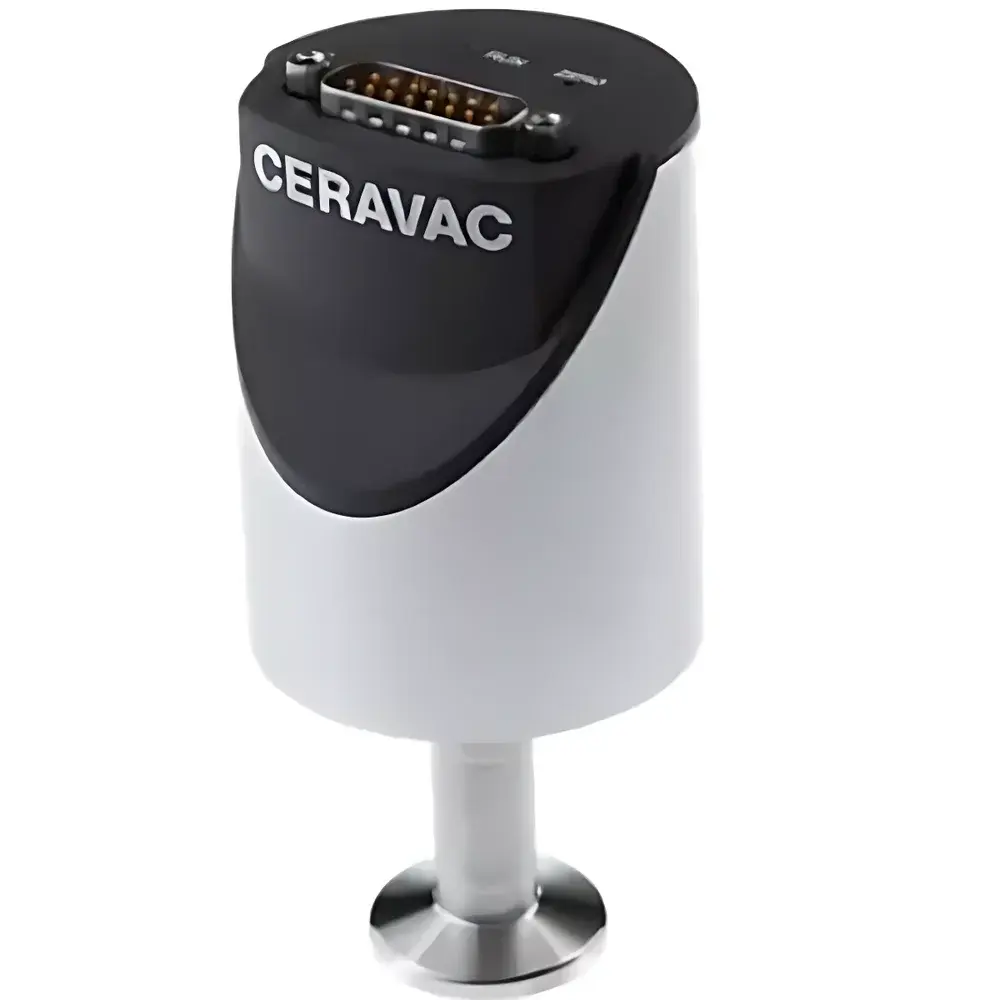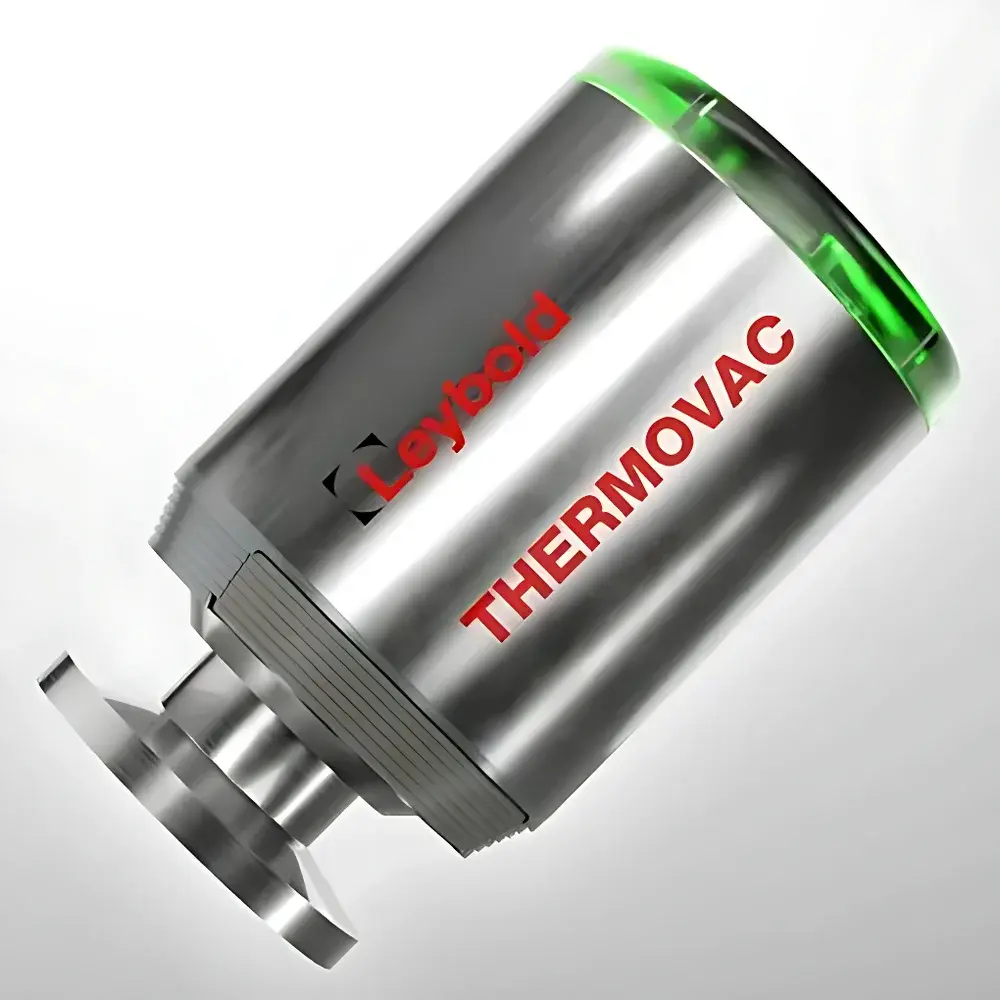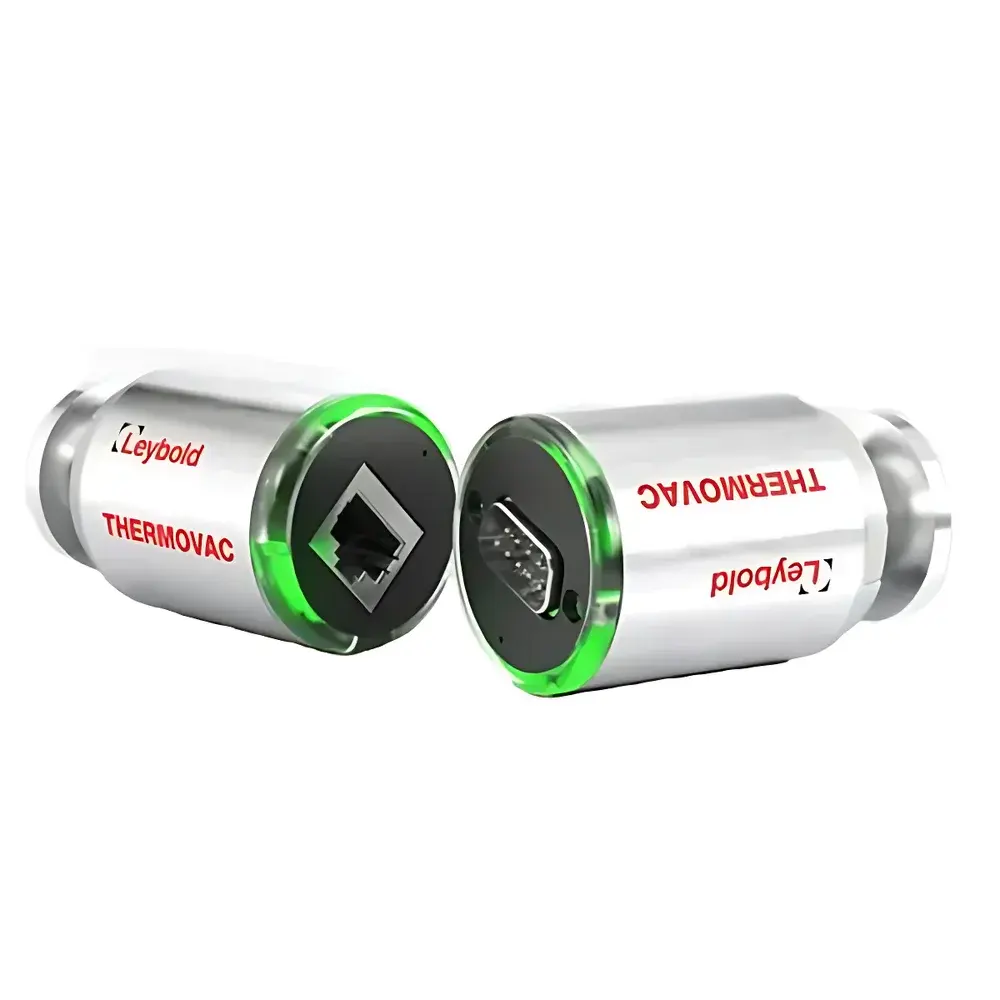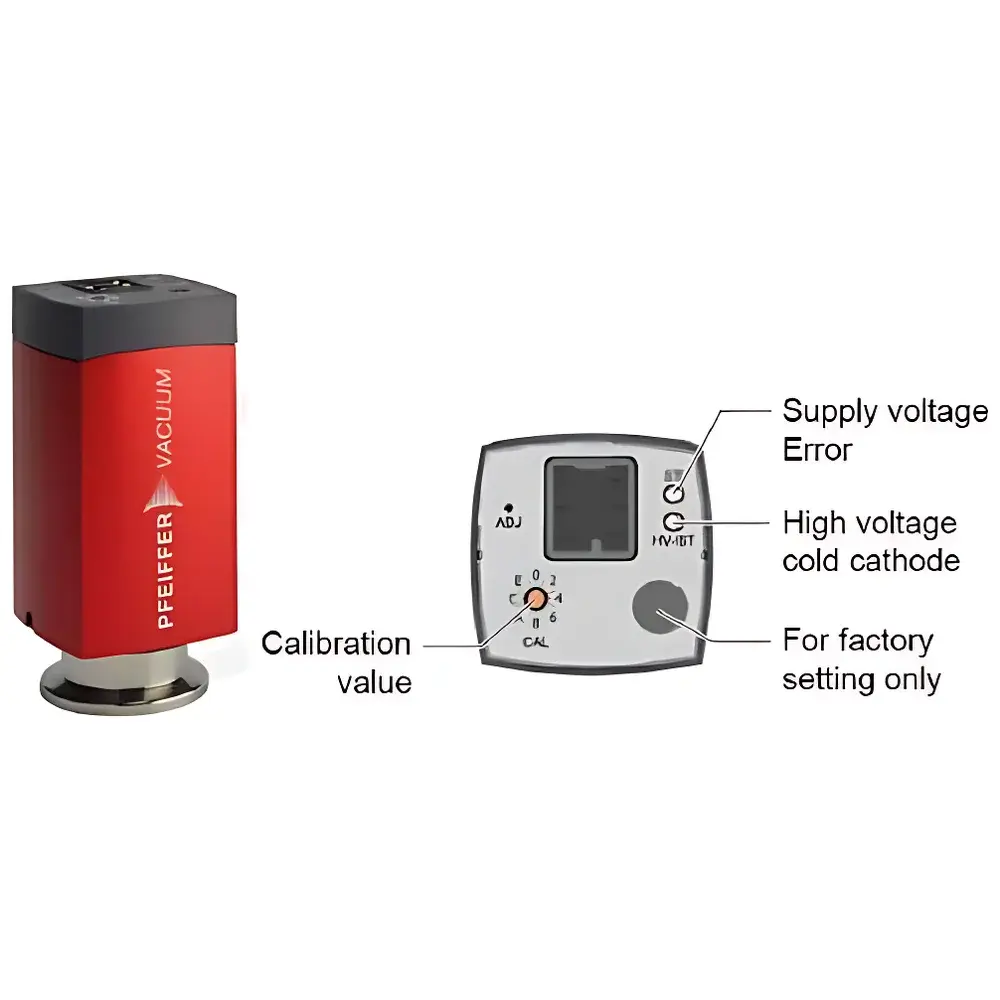
Pfeiffer Vacuum IKR 361 / IKR 362 Cold Cathode Vacuum Gauge
| Brand | Pfeiffer Vacuum |
|---|---|
| Origin | Germany |
| Model | IKR 361 / IKR 362 |
| Measurement Principle | Inverted Magnetron |
| Pressure Range | 1 × 10⁻⁹ hPa |
| Vacuum Flanges | DN 25 ISO-KF, DN 40 ISO-KF, DN 40 CF-F |
| Construction | Metal Seals (No Elastomer), Dual-Chamber Design |
| Optional Variants | Corrosion-Resistant Version, Low-Field / High-Current Configurations |
Overview
The Pfeiffer Vacuum IKR 361 and IKR 362 are next-generation cold cathode vacuum gauges engineered for ultra-high vacuum (UHV) and extreme high vacuum (XHV) measurement in demanding industrial and research environments. Based on the inverted magnetron principle, these gauges generate a stable, self-sustaining plasma discharge between coaxial electrodes under magnetic confinement—enabling reliable pressure detection without thermionic emission or filament degradation. Unlike hot-cathode ionization gauges, the IKR series operates with zero heater power, eliminating thermal outgassing, filament burnout risk, and warm-up delays. With a specified lower limit of 1 × 10⁻⁹ hPa (1 × 10⁻¹⁰ mbar), the IKR 361/362 achieves improved low-end sensitivity over its predecessor (IKR 251: 5 × 10⁻⁹ hPa), making it suitable for applications requiring long-term stability in UHV systems such as surface science chambers, particle accelerators, synchrotron beamlines, and thin-film deposition tools.
Key Features
- Ultra-low pressure capability: Full-scale range from 1 × 10⁻⁹ hPa to 1 × 10⁻³ hPa, calibrated traceably to national standards
- Patented low-field magnetic circuit design minimizes stray magnetic flux—reducing interference with nearby electron optics, mass spectrometers, or sensitive detectors
- Dual-chamber architecture isolates the discharge region from the sensor head housing, enhancing mechanical robustness and extending operational lifetime
- All-metal sealing system (no elastomeric O-rings) ensures compatibility with bake-out cycles up to 250 °C and eliminates hydrocarbon contamination risks
- Modular flange options: Standard configurations include DN 25 ISO-KF, DN 40 ISO-KF, and DN 40 CF-F for seamless integration into UHV/XHV vacuum manifolds
- Configurable current output: Available in low-current (optimized for noise-sensitive environments) and high-current (enhanced signal-to-noise ratio) variants to match system grounding and shielding requirements
- Corrosion-resistant variant (optional): Utilizes nickel-plated stainless steel electrodes and ceramic insulators for operation in aggressive gas environments (e.g., Cl₂, F₂, O₂ plasma processes)
Sample Compatibility & Compliance
The IKR 361/362 is compatible with inert, reactive, and oxidizing gases—including N₂, Ar, O₂, H₂, and process gases used in plasma etching and PECVD—but not recommended for condensable vapors (e.g., water, oils) or highly polymerizing species without protective foreline traps. The gauge complies with CE marking requirements per EU Directive 2014/30/EU (EMC) and 2014/35/EU (LVD). Its construction adheres to ISO 3567 (vacuum technology — terminology) and conforms to material cleanliness standards per ASTM E595 for total mass loss (TML) and collected volatile condensable materials (CVCM) when operated within specified bake-out parameters. No internal electronics require recalibration after standard UHV bake-out procedures.
Software & Data Management
The IKR 361/362 outputs an analog 0–10 V signal proportional to log(pressure), fully compatible with Pfeiffer’s TPG300/TPG36x controllers and third-party PLCs or DAQ systems supporting logarithmic voltage scaling. When integrated with Pfeiffer’s Vacuum Control Software (VCS) v5.0+, the gauge supports automated calibration logging, timestamped pressure history export (CSV), and audit-trail-enabled configuration changes compliant with GLP and FDA 21 CFR Part 11 requirements. Firmware updates are performed via RS485 interface using standardized Modbus RTU protocol—ensuring interoperability in multi-vendor vacuum control architectures.
Applications
- UHV/XHV monitoring in surface analysis systems (XPS, AES, LEED)
- Pressure supervision in synchrotron storage rings and beamline front-ends
- In-situ process control during atomic layer deposition (ALD) and molecular beam epitaxy (MBE)
- Leak detection support systems interfaced with helium mass spectrometers
- Long-duration vacuum integrity validation in space simulation chambers
- Research-grade vacuum infrastructure where filament-free, maintenance-light operation is critical
FAQ
What is the difference between the IKR 361 and IKR 362 models?
The IKR 361 and IKR 362 share identical sensing physics and pressure range; differentiation lies solely in flange configuration and electrical interface layout—IKR 361 uses DN 25 ISO-KF with integrated cable gland, while IKR 362 features DN 40 CF-F with detachable connector.
Can the IKR 361/362 be baked out? How high?
Yes—fully bakeable to 250 °C when equipped with metal seals and used with compatible flanges. Ensure controller electronics remain external to the bake zone.
Is calibration required after installation?
Factory calibration is NIST-traceable and stable for ≥12 months under typical UHV conditions; field verification against a reference gauge (e.g., Bayard–Alpert) is recommended annually per ISO 27893.
Does the gauge require external magnetic shielding?
No—the patented low-field design reduces external flux density to <0.5 mT at 100 mm distance, eliminating need for mu-metal enclosures in most installations.
How does the dual-chamber design improve reliability?
It decouples plasma generation dynamics from mechanical stress transmission, reducing micro-fracture risk in ceramic insulators and minimizing electrode sputtering-induced drift over extended service life.