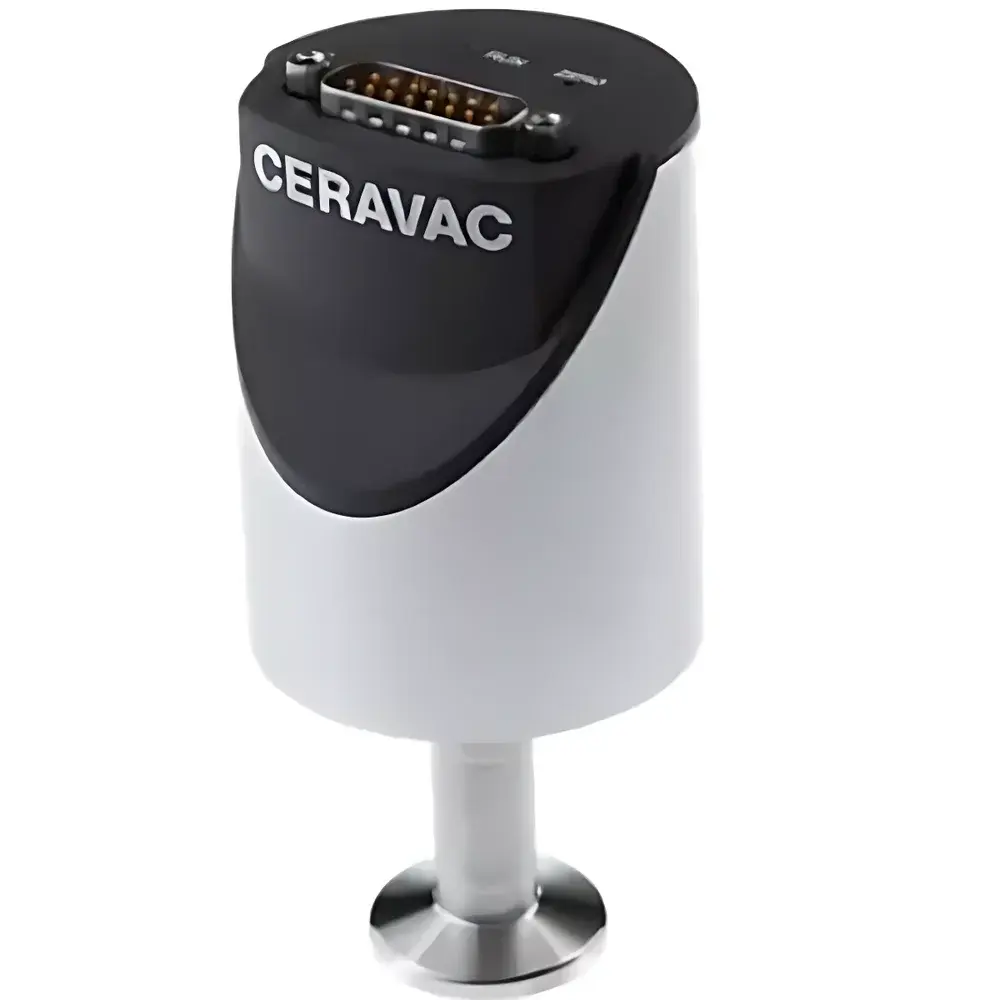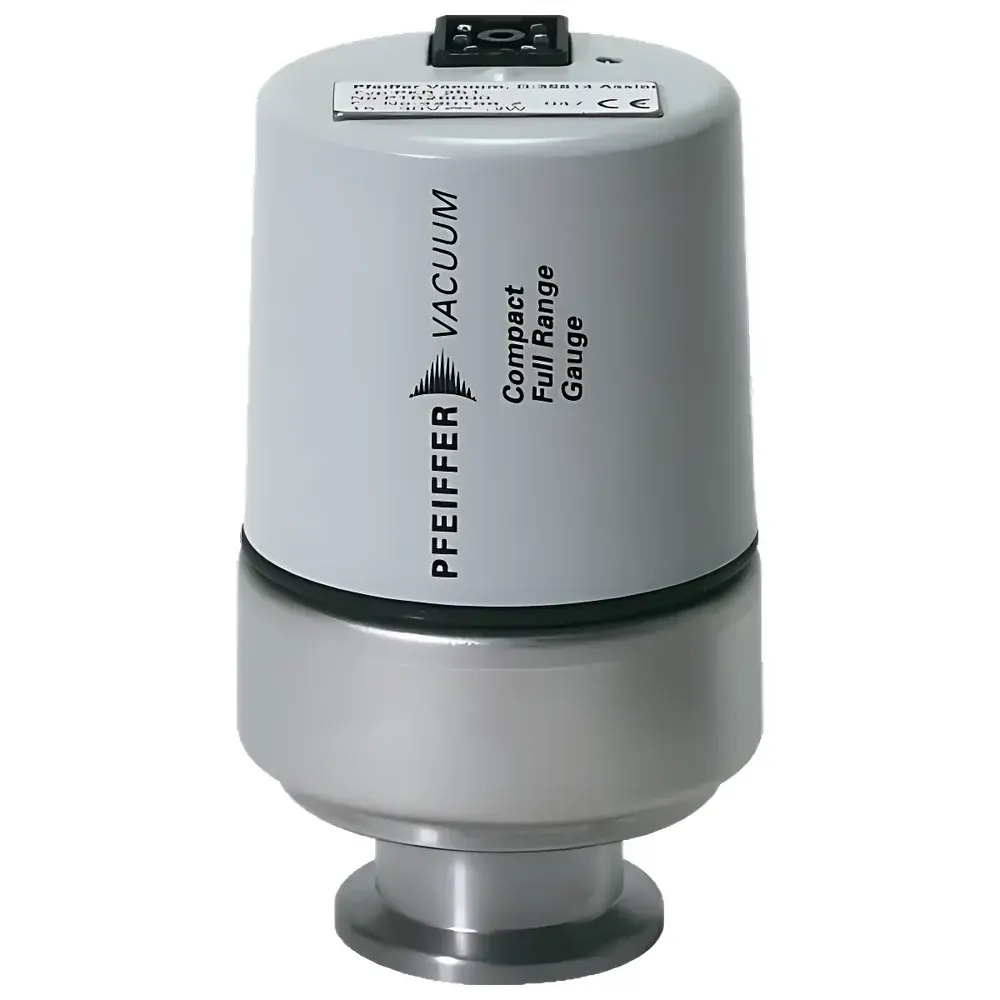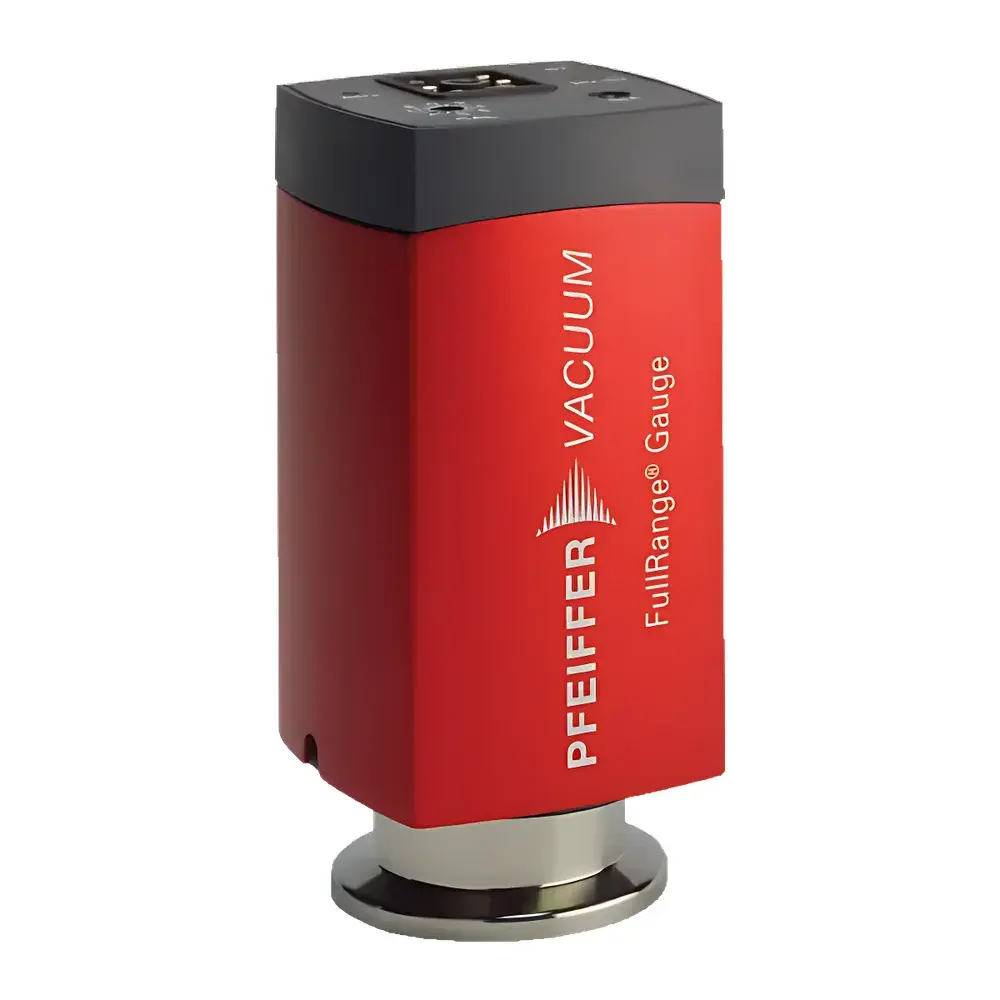
Pfeiffer Vacuum IKR 251 Cold Cathode Vacuum Gauge
| Brand | Pfeiffer Vacuum |
|---|---|
| Origin | Germany |
| Model | IKR 251 |
| Measurement Principle | Cold Cathode Ionization |
| Range | 2×10⁻⁹ – 10⁻² hPa |
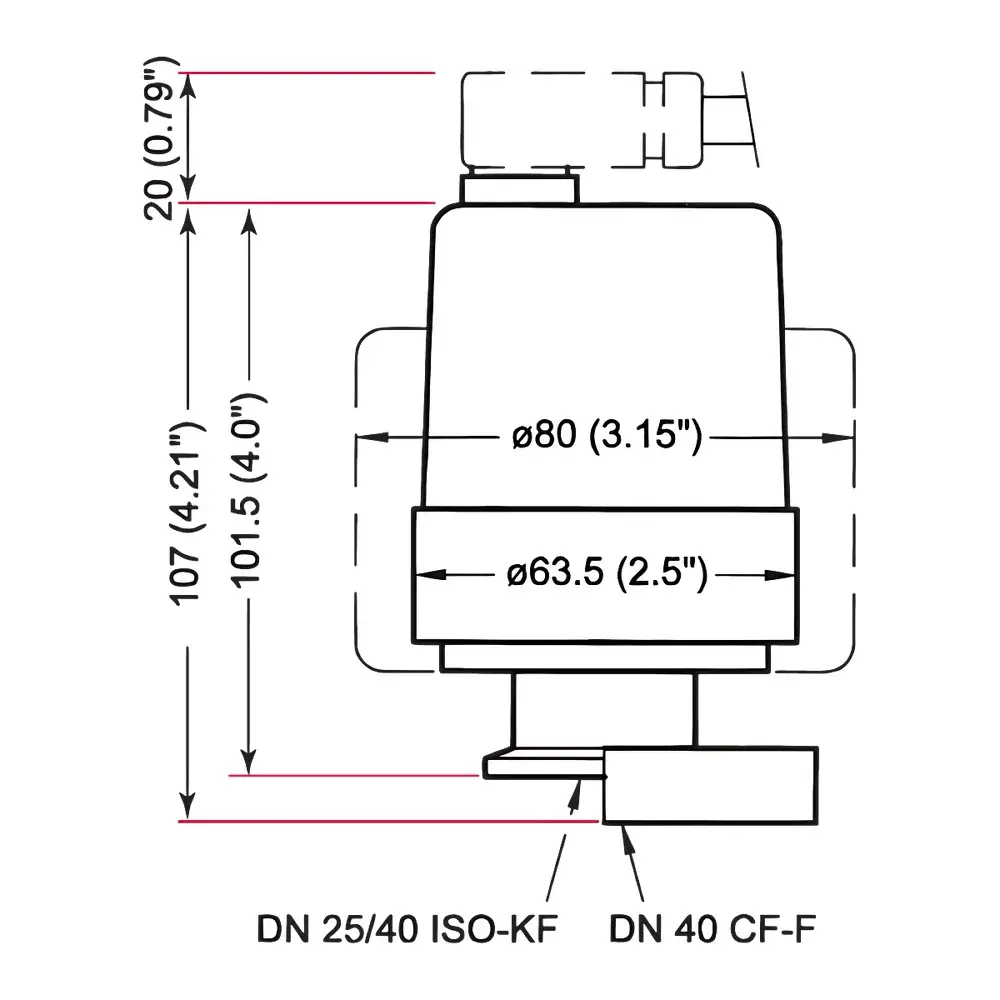
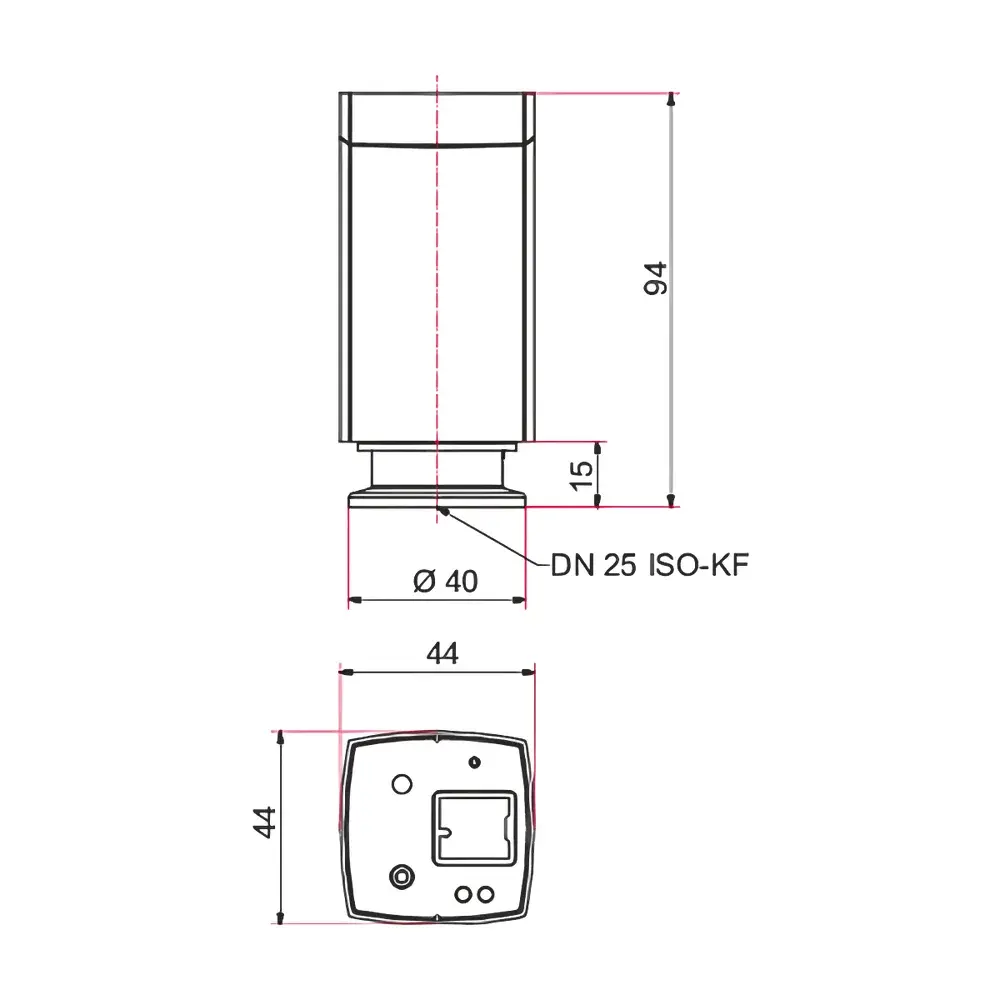
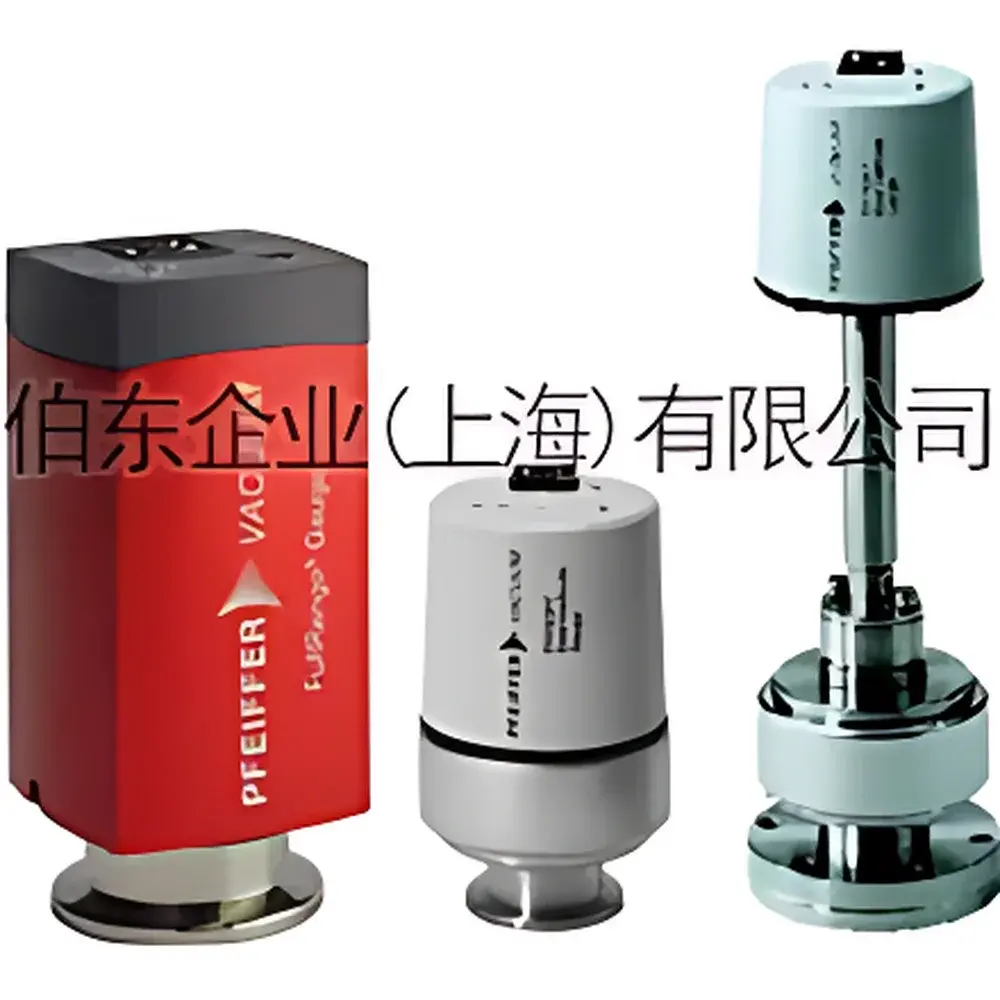
| Vacuum Interface | DN 25 ISO-KF / DN 40 ISO-KF / DN 40 CF-F |
| Operating Temperature | 5–55 °C |
| Bakeout Temperature | 150 °C |
| Accuracy | ±30 % |
| Output Signal | 0–10 V analog |
| Weight | 700 g |
| Sealing | FPM (Viton®) elastomer |
Overview
The Pfeiffer Vacuum IKR 251 is a robust, high-reliability cold cathode ionization vacuum gauge engineered for continuous pressure monitoring in high and ultra-high vacuum (UHV) environments. Operating on the inverted magnetron principle, the IKR 251 generates a stable electron discharge in magnetic confinement without thermionic emission—eliminating filament degradation and enabling extended service life under demanding process conditions. Unlike hot cathode gauges, it requires no heater power or warm-up time, making it ideal for applications where rapid startup, atmospheric exposure resilience, and long-term stability are critical. Its measurement range spans 2×10⁻⁹ hPa to 10⁻² hPa (equivalent to 2×10⁻⁹ mbar to 10⁻² mbar), covering the transition region between high vacuum (HV) and ultra-high vacuum (UHV). The gauge is fully compatible with Pfeiffer’s TPG series digital controllers and supports analog output (0–10 V) for integration into PLC-based vacuum control systems, SCADA architectures, or custom data acquisition platforms.
Key Features
- Inverted magnetron design ensures immunity to accidental atmospheric exposure and mechanical shock—no filament burnout risk during venting or pressure transients.
- FPM (fluoroelastomer/Viton®) sealing system provides broad chemical resistance against common process gases including halogens, hydrocarbons, and oxygen plasmas.
- Compact cylindrical housing with standardized DN 25 ISO-KF, DN 40 ISO-KF, or DN 40 CF-F flanges enables seamless integration into UHV chambers, sputtering systems, electron beam evaporators, and surface analysis tools.
- Rated for bakeout up to 150 °C, supporting in-situ chamber conditioning without gauge removal—critical for contamination-sensitive applications such as thin-film deposition and analytical instrumentation.
- Stable analog output (0–10 V) with linearized response across the full dynamic range, traceable to Pfeiffer’s factory calibration protocol per ISO/IEC 17025-accredited procedures.
- No internal consumables or replaceable electrodes—designed for >50,000 hours of operational lifetime under nominal operating conditions.
Sample Compatibility & Compliance
The IKR 251 is suitable for inert, reactive, and mildly corrosive gas environments typical in semiconductor processing, vacuum metallurgy, and research-grade vacuum systems. It is not recommended for use with strongly oxidizing gases (e.g., pure O₃, ClF₃), alkali vapors, or condensable vapors at pressures above 10⁻³ hPa without prior assessment. The gauge complies with CE marking requirements under the EU Electromagnetic Compatibility Directive (2014/30/EU) and Low Voltage Directive (2014/35/EU). While not intrinsically safe for explosive atmospheres, its low-power discharge mechanism minimizes ignition risk in controlled cleanroom and laboratory settings. For GLP/GMP-regulated facilities, the IKR 251 may be deployed as part of a validated vacuum monitoring system when paired with a TPG 36X-series controller featuring audit trail, electronic signature, and 21 CFR Part 11-compliant software options.
Software & Data Management
The IKR 251 operates as a standalone analog sensor but achieves full functionality when interfaced with Pfeiffer Vacuum’s TPG 361, TPG 366, or TPG 380 digital vacuum controllers. These controllers provide real-time pressure logging, multi-gauge configuration, alarm thresholds, relay outputs, and USB/Ethernet communication. Data export is supported in CSV and XML formats, enabling direct ingestion into LIMS or MES platforms. Firmware updates and configuration are managed via Pfeiffer’s VacuGraph™ PC software (Windows only), which supports instrument diagnostics, calibration offset adjustment, and trend visualization over time-stamped intervals. All controller firmware versions undergo rigorous regression testing per IEC 62304 for medical device software lifecycle compliance—relevant for vacuum systems used in regulated pharmaceutical or biotech manufacturing equipment.
Applications
- High-vacuum coating systems (e.g., optical thin-film deposition, decorative PVD)
- Electron microscopy sample chambers requiring stable base pressure verification
- Accelerator beamline vacuum monitoring where radiation-hardened, non-filament sensors are mandated
- Research UHV systems involving surface science (AES, XPS, LEED) and molecular beam epitaxy (MBE)
- Industrial leak detection setups using helium mass spectrometry where roughing and high-vacuum stage coordination is essential
- Space simulation chambers operating down to 10⁻⁹ hPa, where gauge longevity and bakeout tolerance are mission-critical
FAQ
What vacuum standards does the IKR 251 support for calibration traceability?
Calibration is performed against Pfeiffer’s primary standard reference gauges, accredited to ISO/IEC 17025:2017 by DAkkS (German Accreditation Body). Certificate includes uncertainty budget and NIST-traceable reference points.
Can the IKR 251 be used in oxygen-rich environments?
Yes—FPM seals and stainless-steel construction provide compatibility with dry O₂ up to 10⁻² hPa; prolonged exposure to humid or high-purity O₂ above 10⁻⁴ hPa requires validation per application-specific risk assessment.
Is the IKR 251 compatible with vacuum systems requiring 21 CFR Part 11 compliance?
When integrated with TPG 380 controllers running validated VacuGraph™ software version 4.2+, full electronic recordkeeping, role-based access, and audit trail functionality meet FDA requirements for regulated manufacturing environments.
How does the inverted magnetron principle differ from conventional cold cathode designs?
It employs reversed electrode polarity and optimized magnetic field geometry to stabilize the plasma column near the anode, reducing arcing probability and improving signal reproducibility below 10⁻⁸ hPa—especially under fluctuating magnetic field conditions.
Does the IKR 251 require periodic recalibration?
No scheduled recalibration is mandated; however, users performing GxP-compliant processes should establish in-house verification intervals (e.g., annually) using transfer standards traceable to national metrology institutes.