
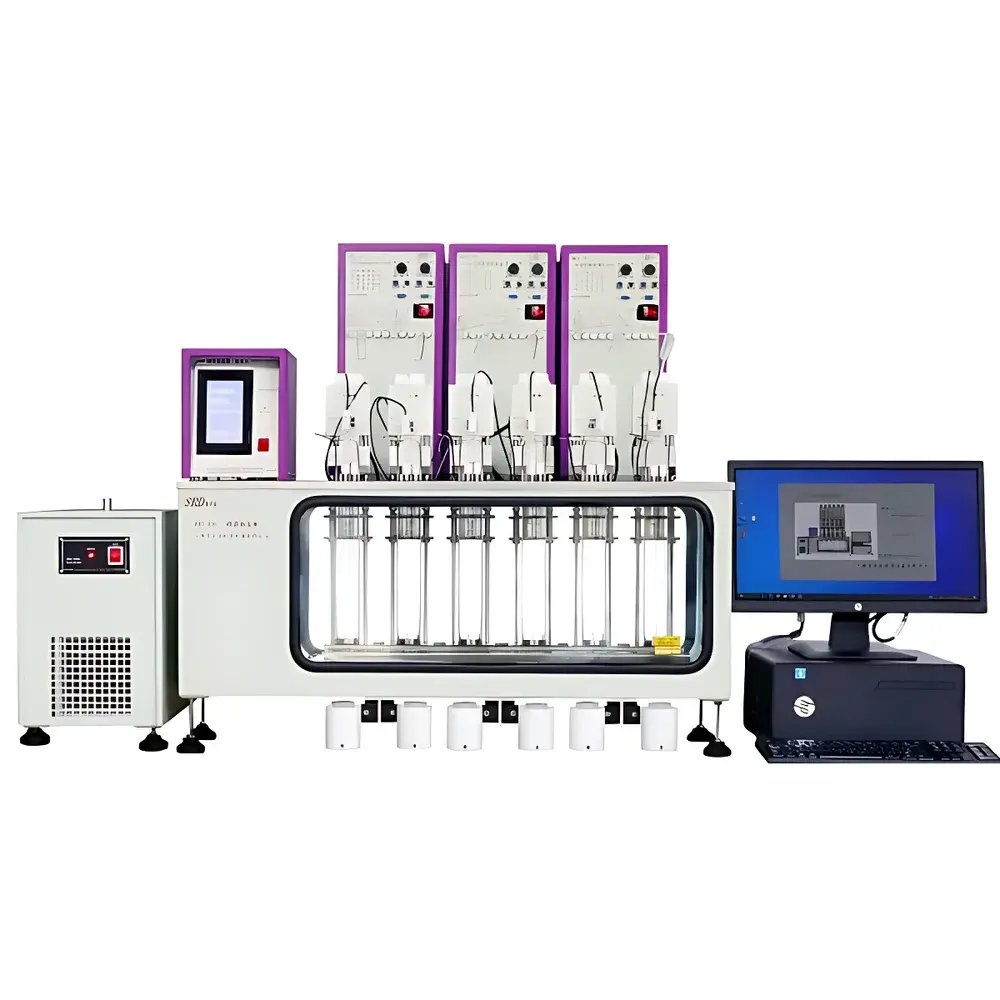
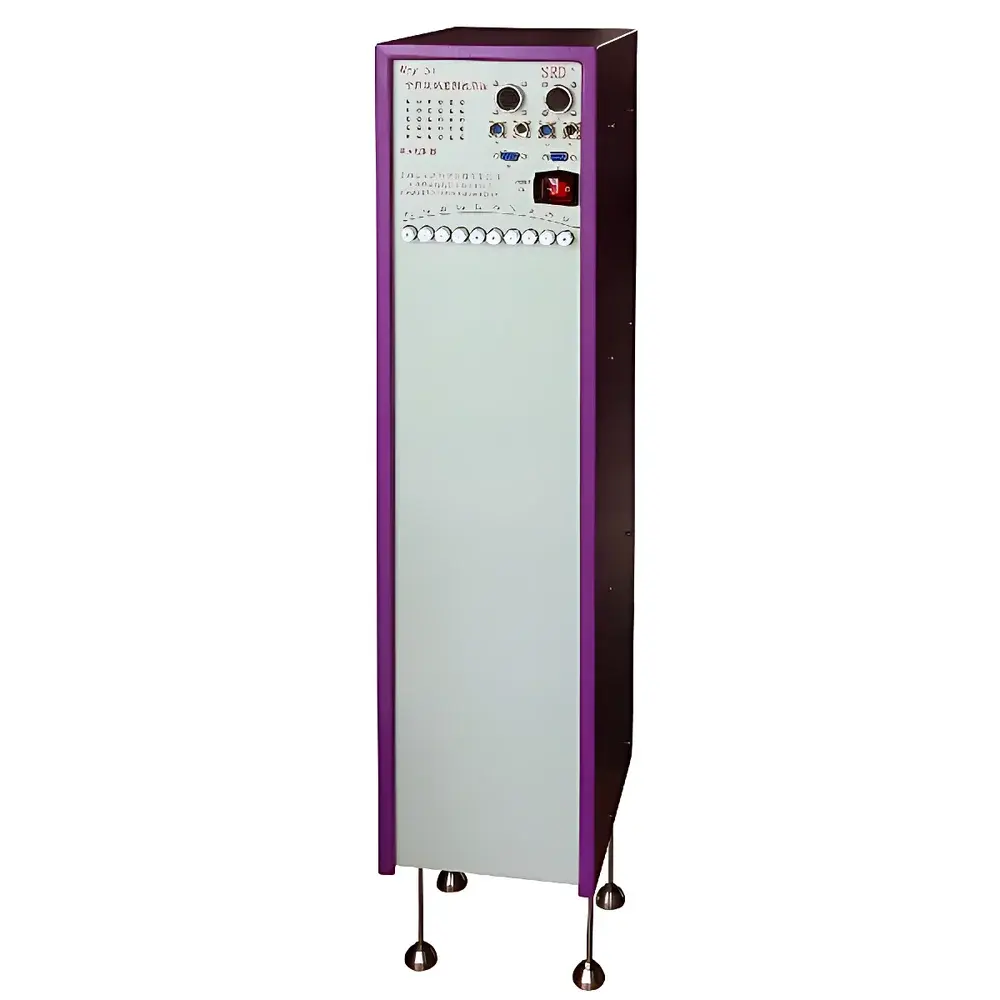
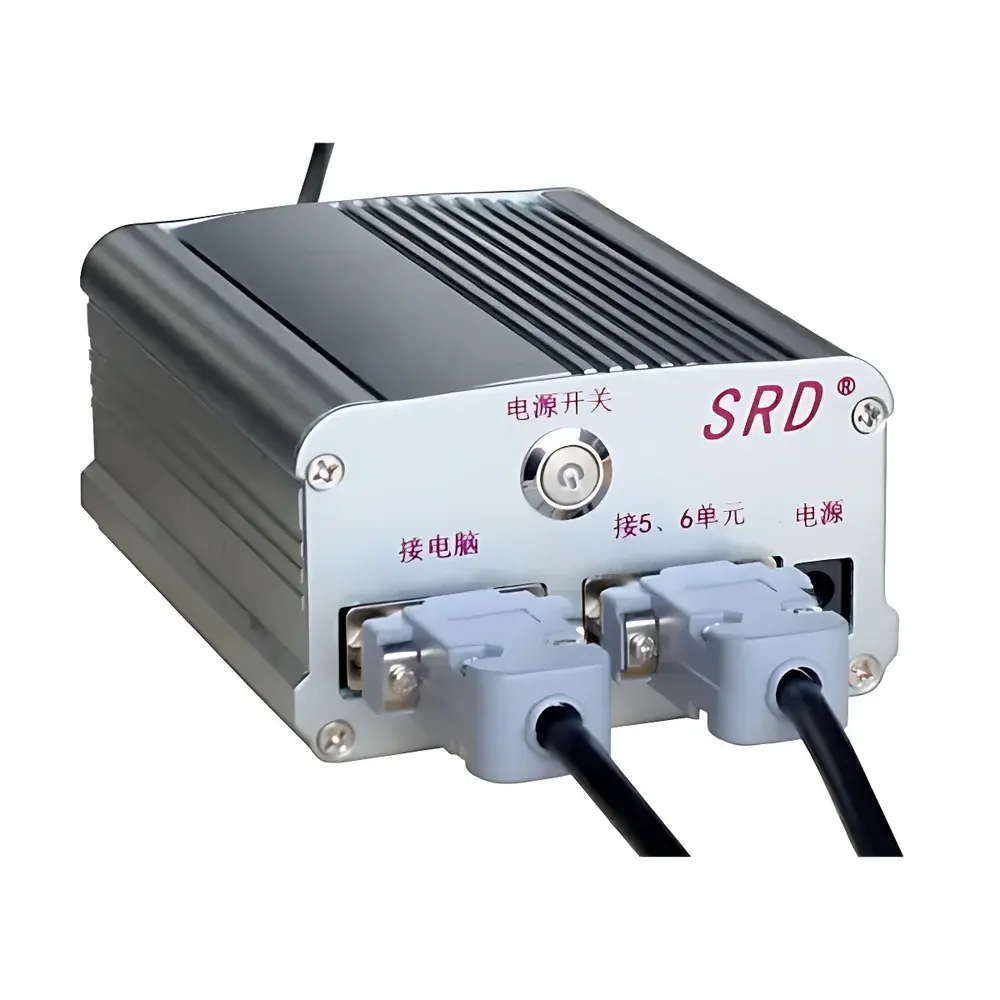
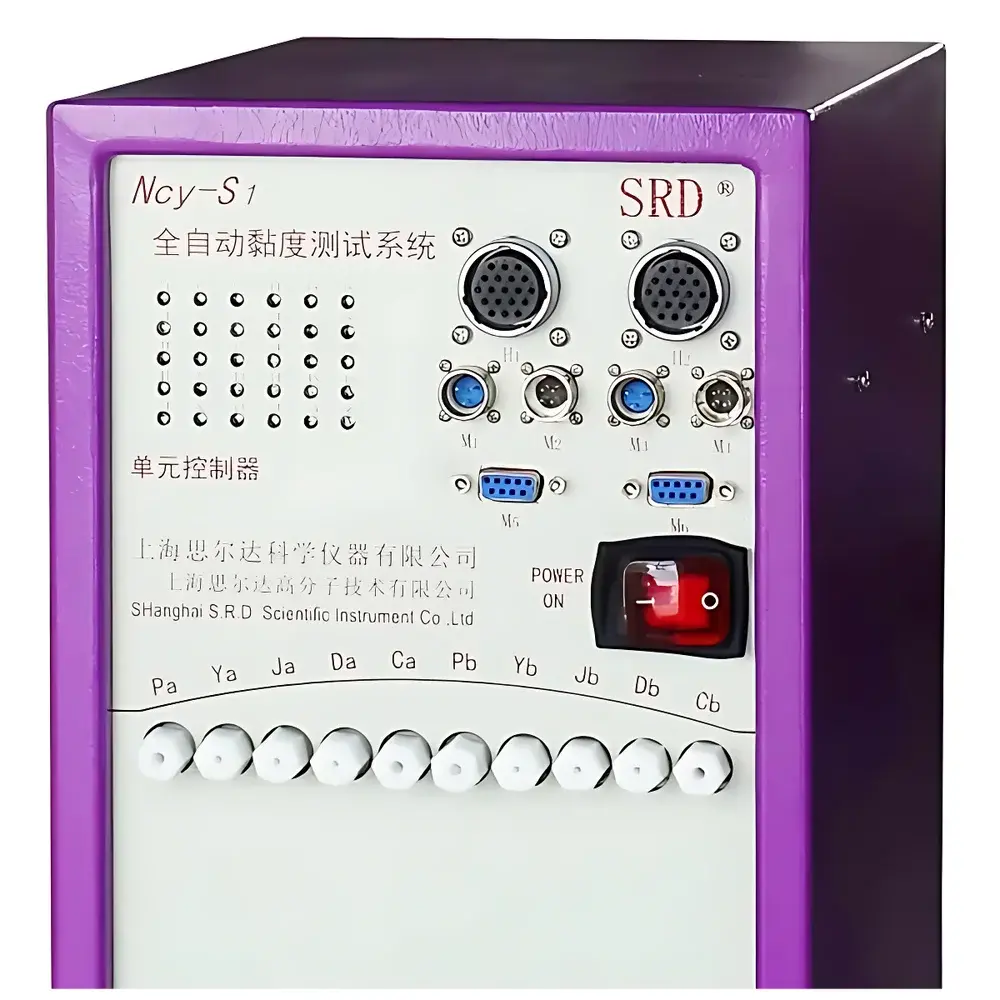
Shanghai SRD NCY-S Series Automated Capillary Viscometer
| Brand | SRD |
|---|---|
| Origin | Shanghai, China |
| Manufacturer Type | Authorized Distributor |
| Country of Origin | China |
| Model | SRD NCY-S Series Automated Capillary Viscometer |
| Instrument Type | Fixed-Position Capillary Viscometer |
| Operating Environment | Ambient Temperature |
| Viscosity Range | 0.1–1000 mPa·s |
| Temperature Range | 0–75 °C |
| Temperature Resolution | 0.01 °C |
| Temperature Accuracy | ±0.01 °C |
| Compliance | ASTM D445, ISO 3104, GB/T 265, USP <911> |
Overview
The Shanghai SRD NCY-S Series Automated Capillary Viscometer is an engineered solution for high-precision, standardized measurement of kinematic and intrinsic viscosity in polymer solutions, synthetic resins, pharmaceutical excipients, and industrial solvents. Based on the capillary flow principle—governed by the Hagen–Poiseuille equation—the instrument determines viscosity by measuring the efflux time of a fixed volume of liquid under gravity through a calibrated glass capillary tube. This method remains the internationally accepted reference technique for routine quality control and research-grade molecular characterization, particularly for calculating intrinsic viscosity [η], limiting viscosity number (LVN), and deriving weight-average molecular weight (Mw) via Mark–Houwink–Sakurada relationships. The NCY-S system integrates fully automated timing, real-time flow visualization, outlier rejection algorithms, and ultra-stable thermal regulation to eliminate operator-dependent variability while maintaining full traceability to primary standards.
Key Features
- Multi-channel parallel operation: Configurable as NCY-S/2 (2 capillaries), NCY-S/4 (4 capillaries), or NCY-S/6 (6 capillaries) to support concurrent sample testing without cross-contamination or thermal interference.
- Patented JWC precision thermostatic bath: A legacy design derived from China’s national R&D program of the 1990s, delivering long-term temperature stability of ±0.01 °C across the entire bath volume (0–75 °C), validated per ISO/IEC 17025 calibration protocols.
- Automated efflux time acquisition: Optical flow detection synchronizes with high-resolution timing circuits (10 ms resolution) to record start/stop events without manual intervention.
- Intelligent data validation: Built-in statistical logic applies Grubbs’ test and user-defined repeatability thresholds (e.g., CV ≤ 0.2%) to automatically discard outliers and re-run measurements until convergence criteria are met.
- Real-time visual monitoring: Integrated digital imaging captures capillary flow progression frame-by-frame, enabling immediate verification of meniscus movement, bubble presence, or wettability anomalies.
- Modular hardware architecture: All capillary units mount on removable, thermally isolated carriers; each features independent level alignment, vibration damping, and optical path shielding to ensure metrological integrity.
Sample Compatibility & Compliance
The NCY-S platform accommodates standard Ubbelohde, Ostwald, and Cannon–Fenske capillaries (diameters 0.4–1.2 mm) and supports solvent systems including chloroform, sulfuric acid (for cellulose), phenol–tetrachloroethane (for polyolefins), and N,N-dimethylformamide (for polyacrylonitrile). It meets the mechanical, thermal, and procedural requirements of ASTM D445 (Standard Test Method for Kinematic Viscosity of Transparent and Opaque Liquids), ISO 3104 (Petroleum Products — Transparent and Opaque Liquids — Determination of Kinematic Viscosity), GB/T 265 (Chinese national standard equivalent), and USP (Viscosity Measurements). Its thermal uniformity profile satisfies GLP audit requirements for temperature-controlled analytical instrumentation, and raw timing data—including timestamps, ambient pressure, and bath sensor readings—is stored with immutable audit trails for FDA 21 CFR Part 11–compliant environments when paired with validated LIMS integration.
Software & Data Management
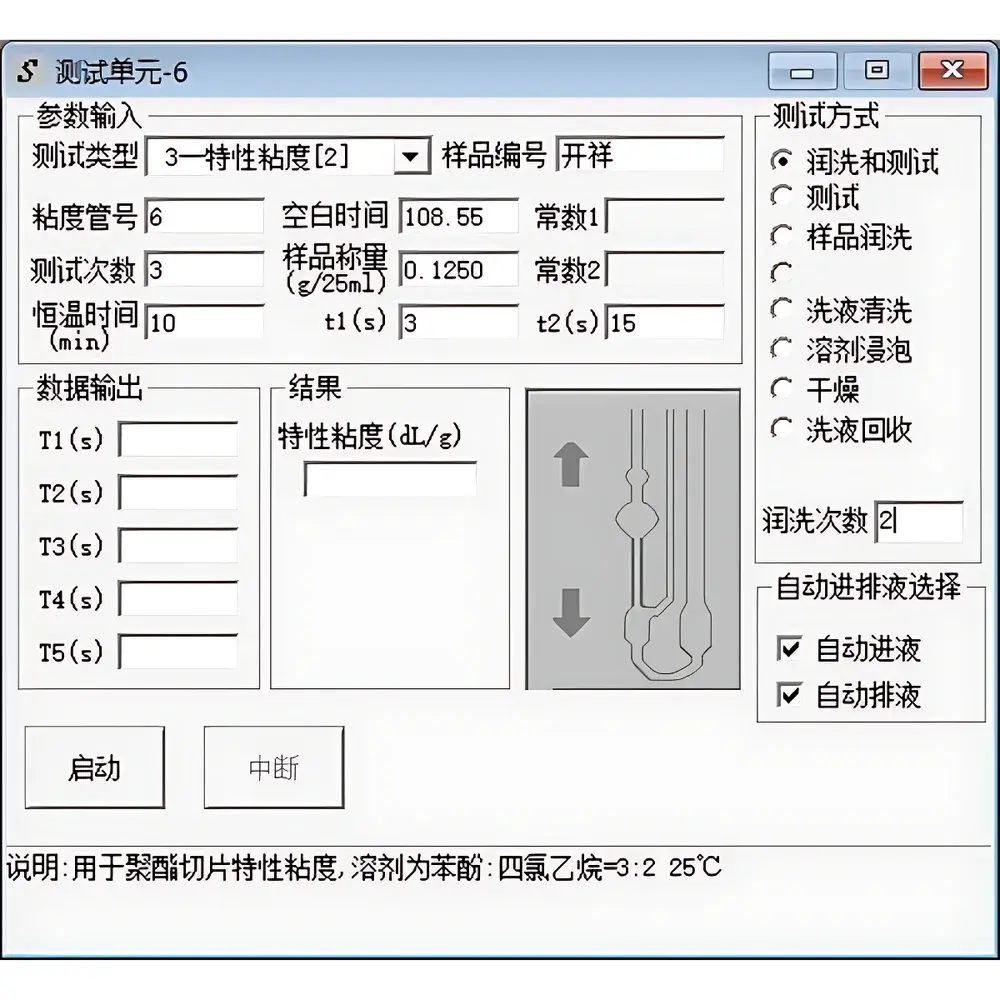
The embedded firmware supports dual-mode operation: standalone mode with local touchscreen interface, and networked mode via Ethernet for centralized lab management. The proprietary SRD ViscoSuite software (Windows-based, version 3.2+) provides compliant reporting templates aligned with ISO/IEC 17025 clause 7.8.2, including automatic calculation of kinematic viscosity (ν), dynamic viscosity (η), intrinsic viscosity ([η]), and LVN. All raw efflux times, intermediate averages, and statistical flags (e.g., “retest triggered”, “outlier rejected”) are exported in CSV and PDF/A-2 format with embedded digital signatures. Audit logs record every user action—including parameter modification, calibration event, and report generation—with user ID, timestamp, and IP address. Optional API access enables bidirectional communication with enterprise ELN and SAP QM modules.
Applications
- Polymer characterization: Routine QC of PET, PA6, PEEK, and PVC resin batches via intrinsic viscosity correlation with Mw.
- Pharmaceutical development: Viscosity profiling of cellulose derivatives (e.g., HPMC, MC) used in controlled-release formulations per USP monographs.
- Chemical manufacturing: Batch release testing of silicone oils, alkyd resins, and epoxy prepolymers against internal specifications.
- Academic research: Fundamental studies of polymer solution thermodynamics, coil–globule transitions, and solvent quality effects.
- Regulatory submission support: Generation of GLP-compliant viscosity datasets for ANDA, DMF, and CMC documentation packages.
FAQ
What capillary types are supported?
Ubbelohde, Ostwald, and Cannon–Fenske viscometers conforming to ASTM D445 Annex A1, with nominal diameters from 0.4 mm to 1.2 mm.
Is temperature calibration traceable to national standards?
Yes—each unit ships with a UKAS-accredited certificate of calibration for the JWC bath, referencing NIM (National Institute of Metrology, China) primary standards.
Can the system operate unattended overnight?
Yes; the NCY-S includes hardware-level watchdog timers, automatic power recovery after interruption, and scheduled start/stop functionality with email alerting on completion or error.
How is viscosity uncertainty calculated?
Combined standard uncertainty is computed per GUM (JCGM 100:2008) using contributions from timing resolution (±0.01 s), temperature homogeneity (±0.005 °C), capillary constant tolerance (±0.2%), and density correction (if input).
Does the software support 21 CFR Part 11 compliance?
Full electronic signature, audit trail, and role-based access control are available when deployed with validated server infrastructure and documented SOPs.
Related Products



