
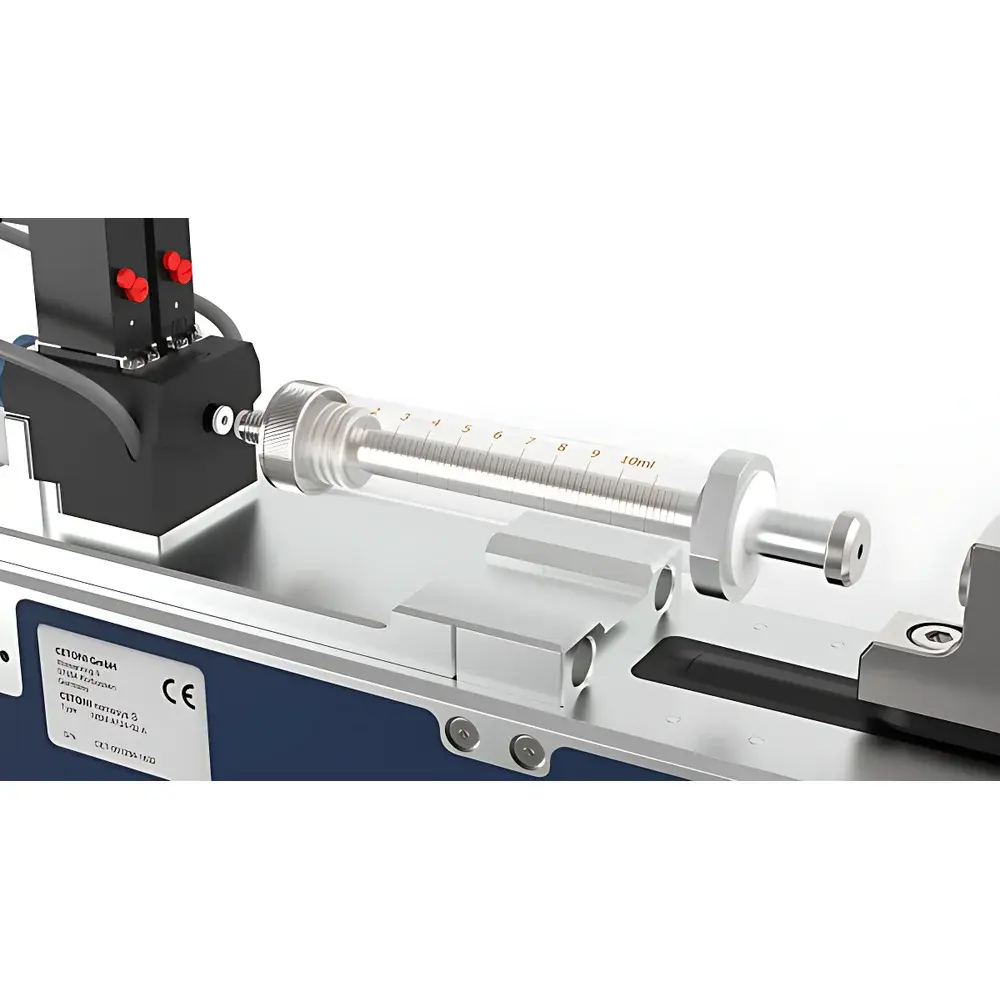
CETONI Nemesys S Low-Pressure High-Precision Microfluidic Syringe Pump
| Brand | CETONI |
|---|---|
| Origin | Germany |
| Model | Nemesys S |
| Pump Type | Microfluidic Syringe Pump |
| Flow Rate Range | nanoliter-per-minute (nL/min) level |
| Accuracy | nL-level |
| Repeatability | Extremely High |
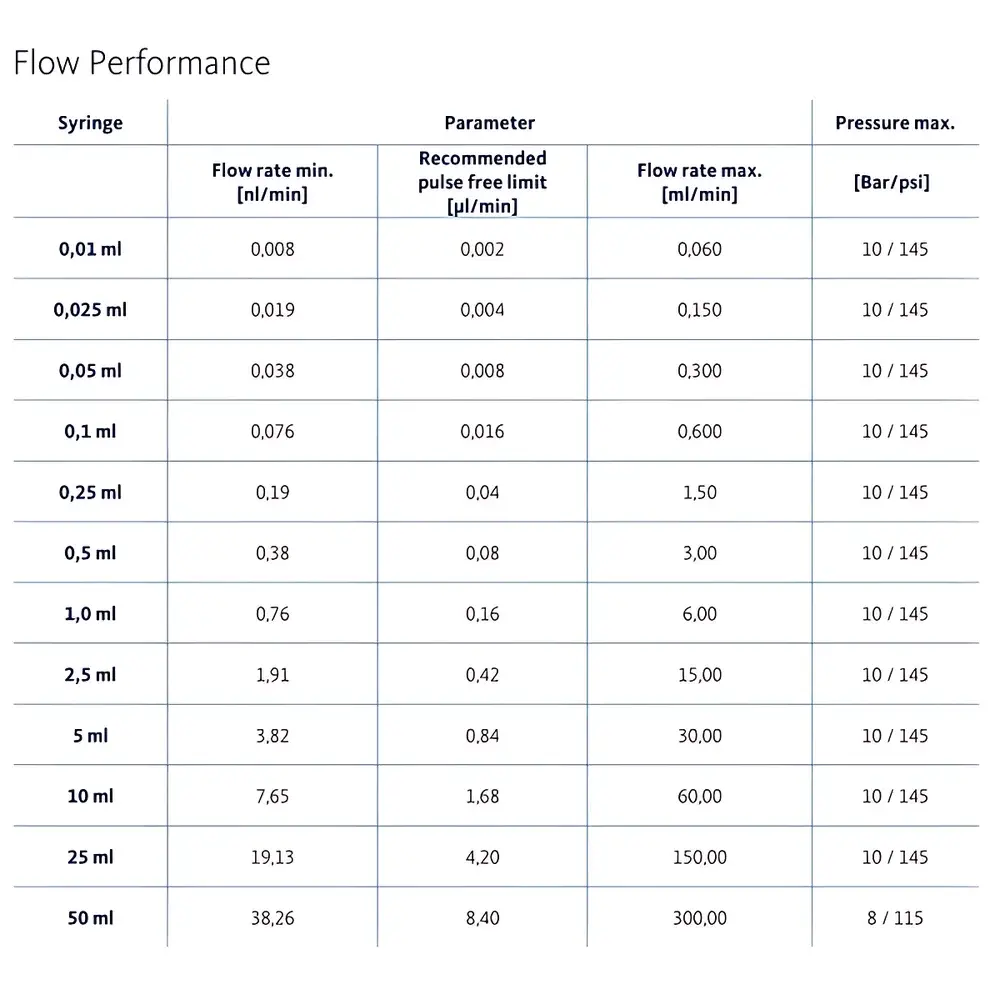
| Maximum Pressure | 10 bar |
| Construction | Stainless Steel Housing |
| Drive Mechanism | Servo Motor with PID Control |
| Syringe Compatibility | Glass, Stainless Steel, Heated Options |
| Software Interface | Windows-native GUI + LabVIEW API |
| Compliance | Designed for GLP/GMP-aligned workflows, supports audit-trail-capable data logging |
Overview
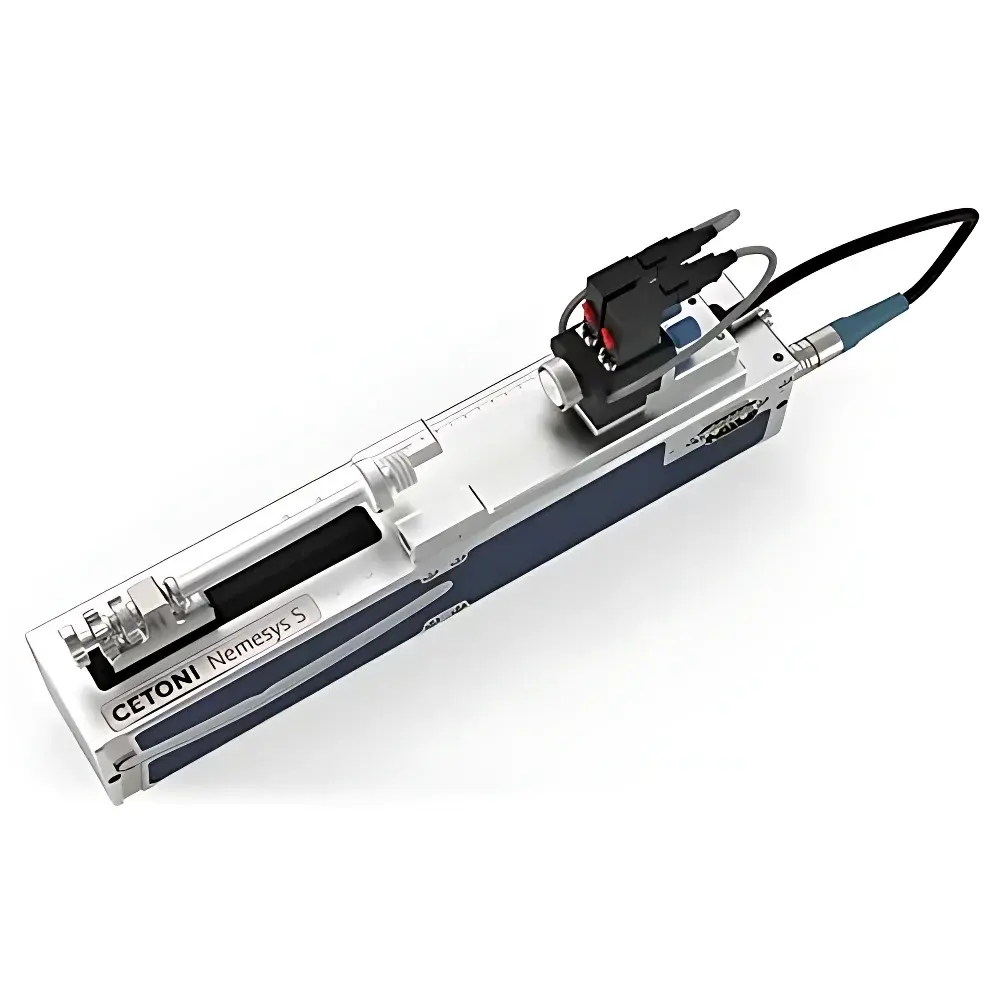
The CETONI Nemesys S is a low-pressure, high-precision microfluidic syringe pump engineered for stable, pulseless fluid delivery in demanding laboratory and industrial applications. Based on a closed-loop servo motor actuation system integrated with real-time PID feedback control, the Nemesys S achieves nanoliter-per-minute (nL/min) flow resolution and exceptional volumetric reproducibility—critical for applications where minute dosage deviations directly impact experimental integrity or process yield. Unlike conventional stepper-motor-driven pumps, the Nemesys S eliminates mechanical backlash and step-induced pulsation through continuous torque modulation, enabling true laminar, time-invariant flow profiles across its operational range (up to 10 bar). Its stainless steel chassis ensures long-term dimensional stability and chemical resistance, while modular mounting interfaces allow seamless integration into automated platforms, chip-based assay systems, or multi-pump fluidic networks.
Key Features
- Pulseless nL/min flow control enabled by high-resolution servo motor and adaptive PID regulation
- Maximum operating pressure of 10 bar—optimized for low-viscosity biological buffers, aqueous reagents, and low-surface-tension solvents
- Interchangeable syringe support for glass (standard), stainless steel (corrosion-resistant), and heated syringes (temperature-stabilized dispensing)
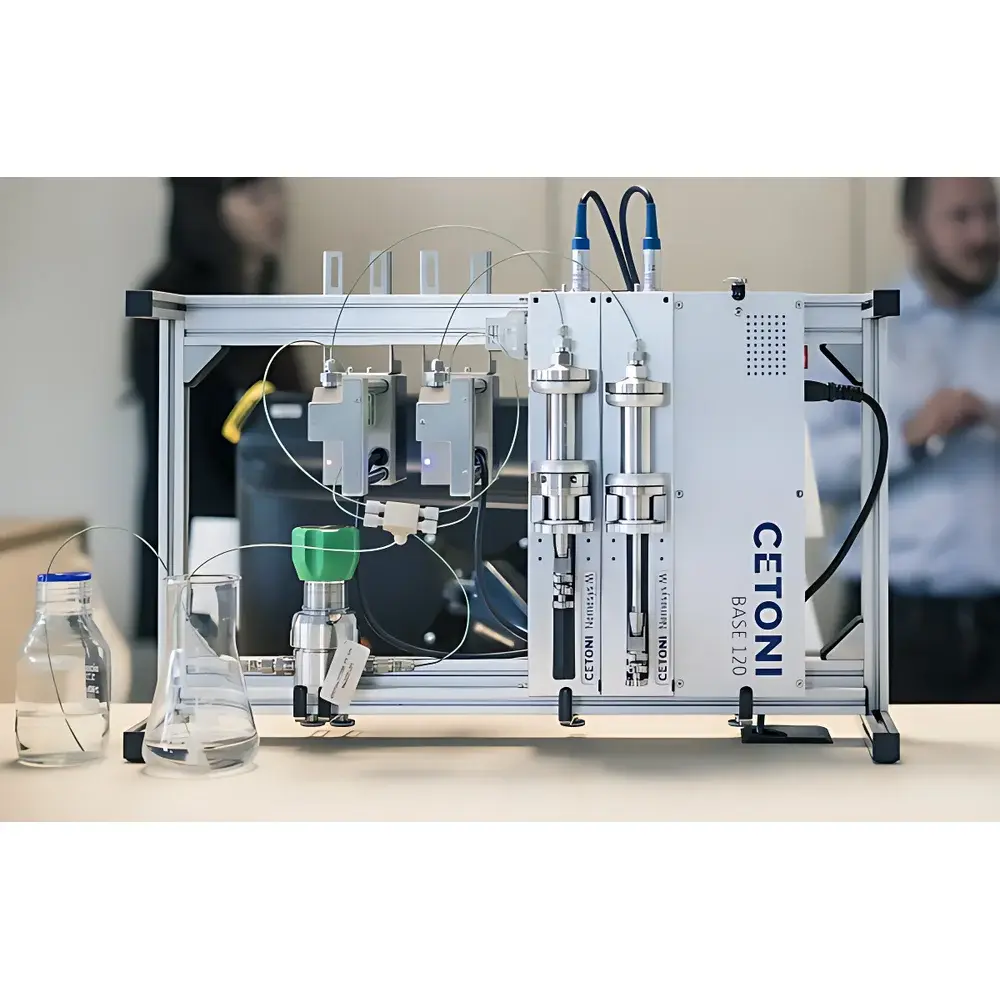
- Modular architecture compatible with CETONI’s broader Nemesys platform—including mid-pressure (200 bar), high-pressure (500 bar), and ultra-high-pressure (890 bar) variants—for scalable fluidic system design
- Integrated heating sleeves and active mixing modules available as optional add-ons for temperature-sensitive or heterogeneous sample handling
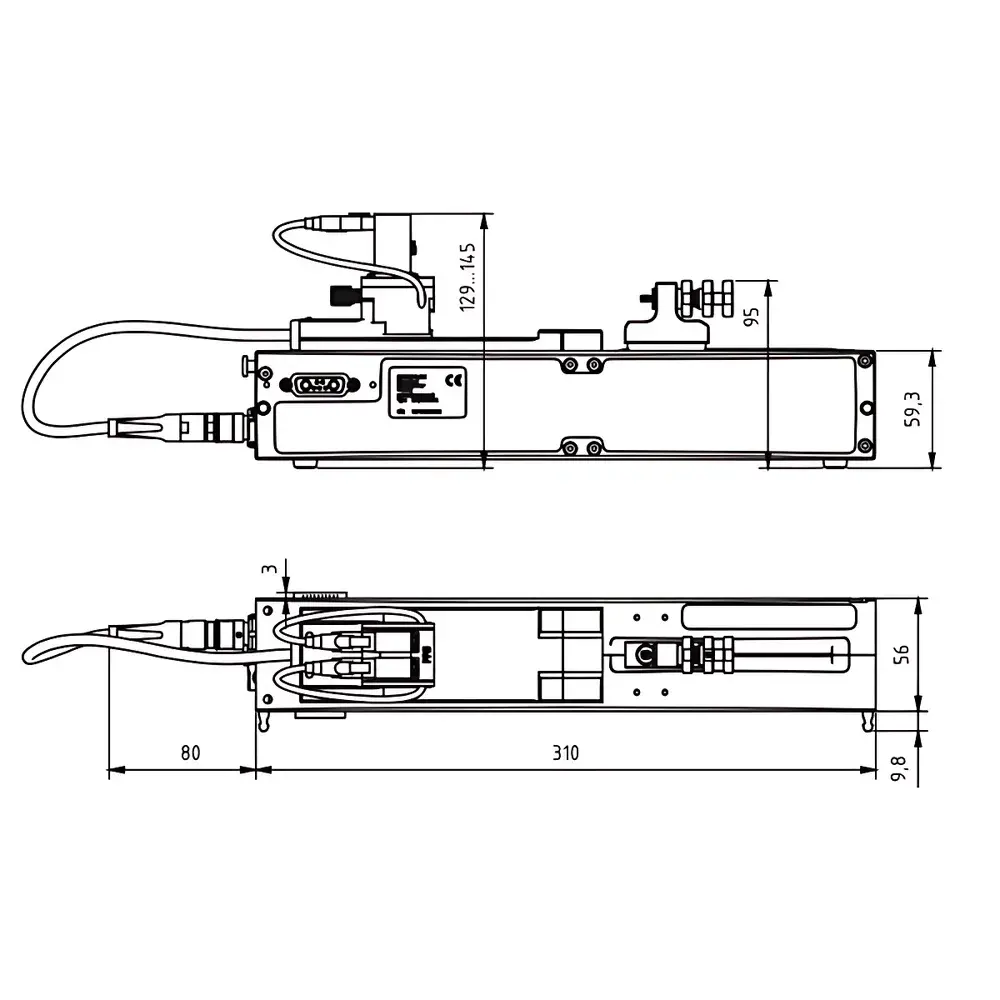
- Robust mechanical construction using medical-grade stainless steel components; IP54-rated enclosure for lab environment durability
Sample Compatibility & Compliance
The Nemesys S accommodates standard Luer-lock syringes from 10 µL to 5 mL capacity, supporting both disposable glass and reusable stainless-steel barrels. Its low-pressure rating makes it particularly suitable for shear-sensitive biomolecules (e.g., proteins, exosomes, liposomes), live-cell suspensions, and low-viscosity polymer precursors. The system complies with fundamental safety and electromagnetic compatibility requirements per EN 61326-1 and EN 61000-6-3. While not certified as Class I medical device hardware, its deterministic flow behavior, traceable calibration routines, and software audit-trail capabilities align with Good Laboratory Practice (GLP) and pre-GMP documentation standards. Data export formats (CSV, HDF5) support traceability requirements under FDA 21 CFR Part 11 when deployed with validated software configurations.
Software & Data Management
CETONI provides a native Windows-based graphical user interface (GUI) featuring intuitive waveform programming, multi-segment ramping, and real-time flow/pressure monitoring with timestamped logging. The application supports synchronized operation across up to 16 Nemesys units via Ethernet or USB, enabling coordinated multi-channel perfusion or gradient generation. A comprehensive LabVIEW driver suite—including VIs for flow profile scripting, error handling, and event-triggered acquisition—is included for custom automation integration. All software components are version-controlled, digitally signed, and designed to generate immutable log files containing operator ID, timestamp, parameter set, and execution status—facilitating retrospective validation and regulatory review.
Applications
- Microfluidic organ-on-a-chip perfusion systems requiring stable, ultra-low-flow nutrient delivery
- Digital PCR droplet generation and reagent loading with sub-nanoliter precision
- Controlled synthesis of nanoparticles and micelles via rapid mixing protocols
- In-line calibration of optical sensors and electrochemical detectors using traceable volumetric standards
- Automated liquid handling in analytical chemistry workflows—especially for LC-MS sample introduction and derivatization steps
- Industrial R&D involving low-viscosity functional fluids such as silicone oils, UV-curable resins, and conductive inks
FAQ
What is the minimum controllable flow rate of the Nemesys S?
The system achieves stable, repeatable flow down to 1 nL/min using appropriate syringe geometry and low-compliance tubing—verified under ISO 8573-1 clean air conditions and calibrated with gravimetric measurement traceable to national standards.
Can the Nemesys S be integrated into a larger automated fluidic platform?
Yes. It supports TCP/IP, Modbus TCP, and USB CDC protocols for OEM integration, and includes hardware trigger I/O for synchronization with cameras, valves, or detectors.
Does CETONI provide calibration certificates?
Factory calibration reports are supplied with each unit. Optional UKAS-accredited calibration services are available upon request for ISO/IEC 17025 compliance.
Is the software compatible with Linux or macOS?
The primary GUI is Windows-only; however, the LabVIEW runtime engine and API libraries can be deployed on Linux hosts via NI Linux Real-Time or containerized environments with proper driver support.
How does the Nemesys S differ from the higher-pressure Nemesys variants?
The S-series prioritizes ultra-fine resolution and pulse suppression at low backpressures, whereas mid- and high-pressure models emphasize force density and material compatibility—each optimized for distinct rheological regimes and application domains.



