
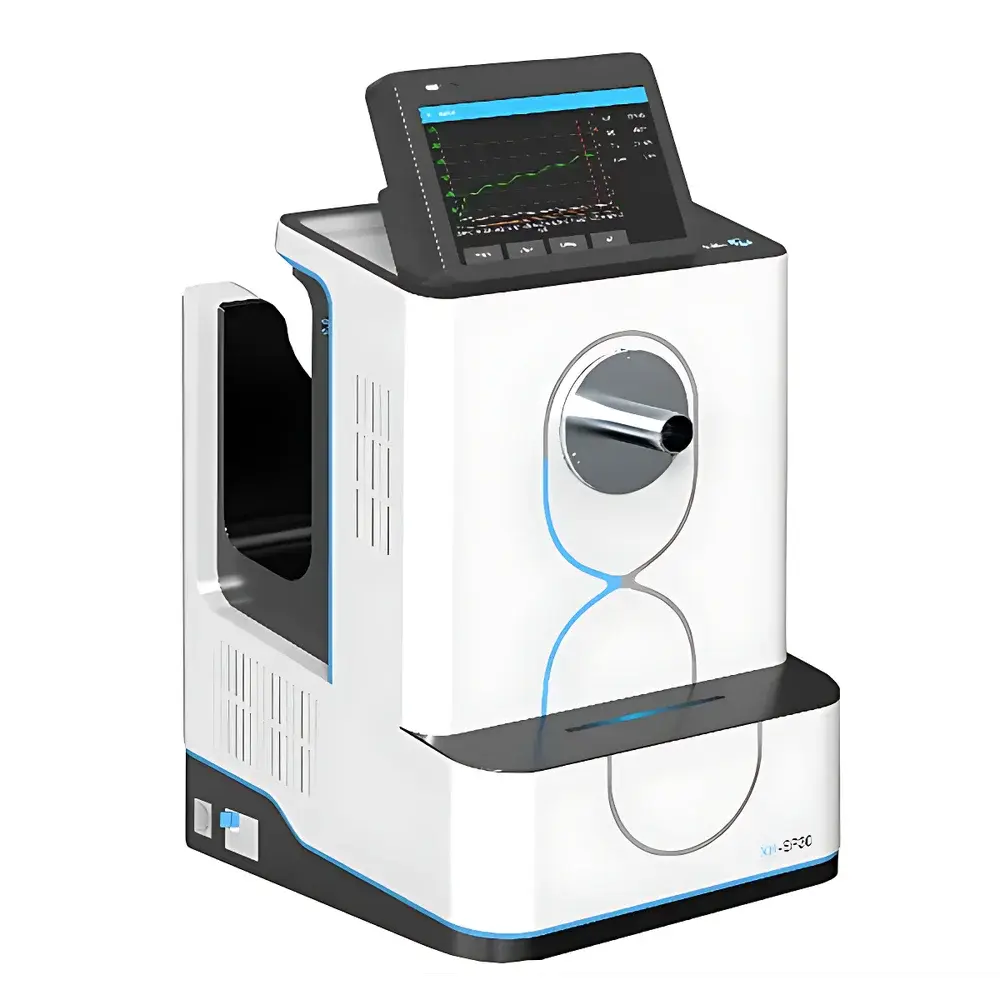
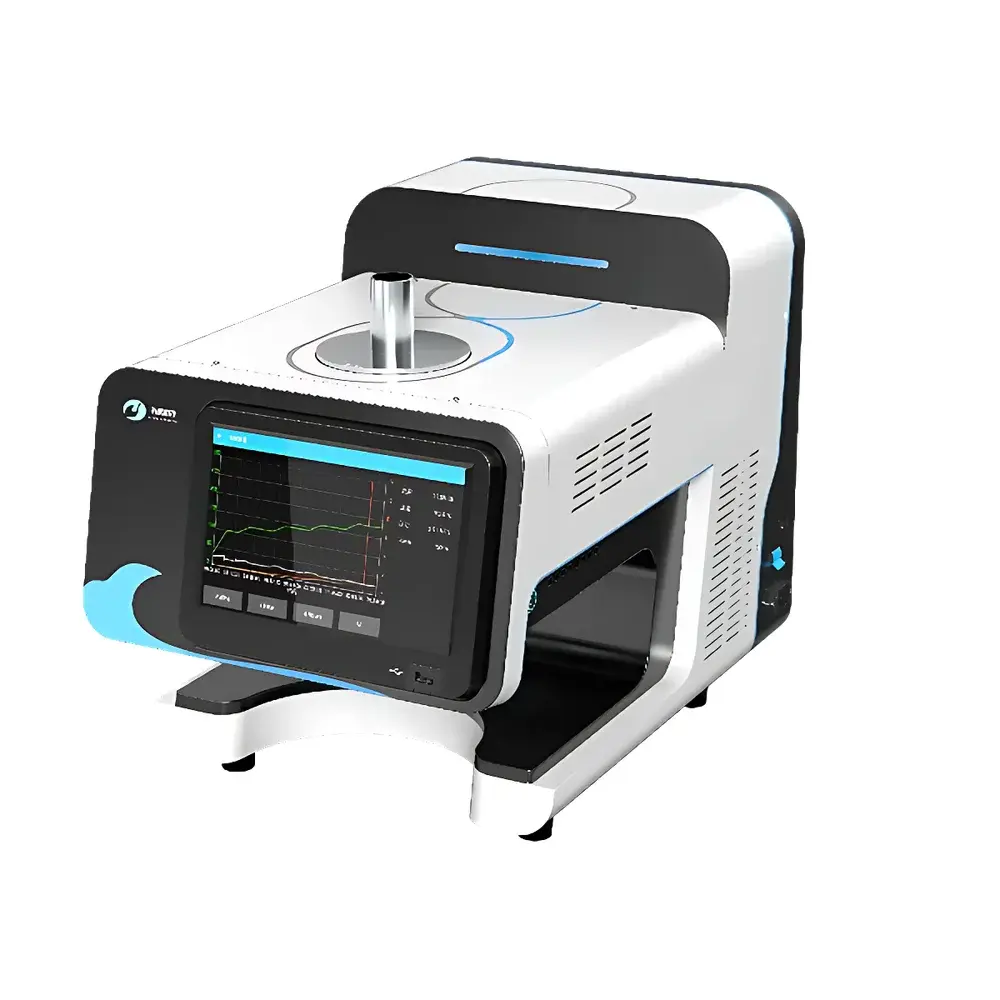
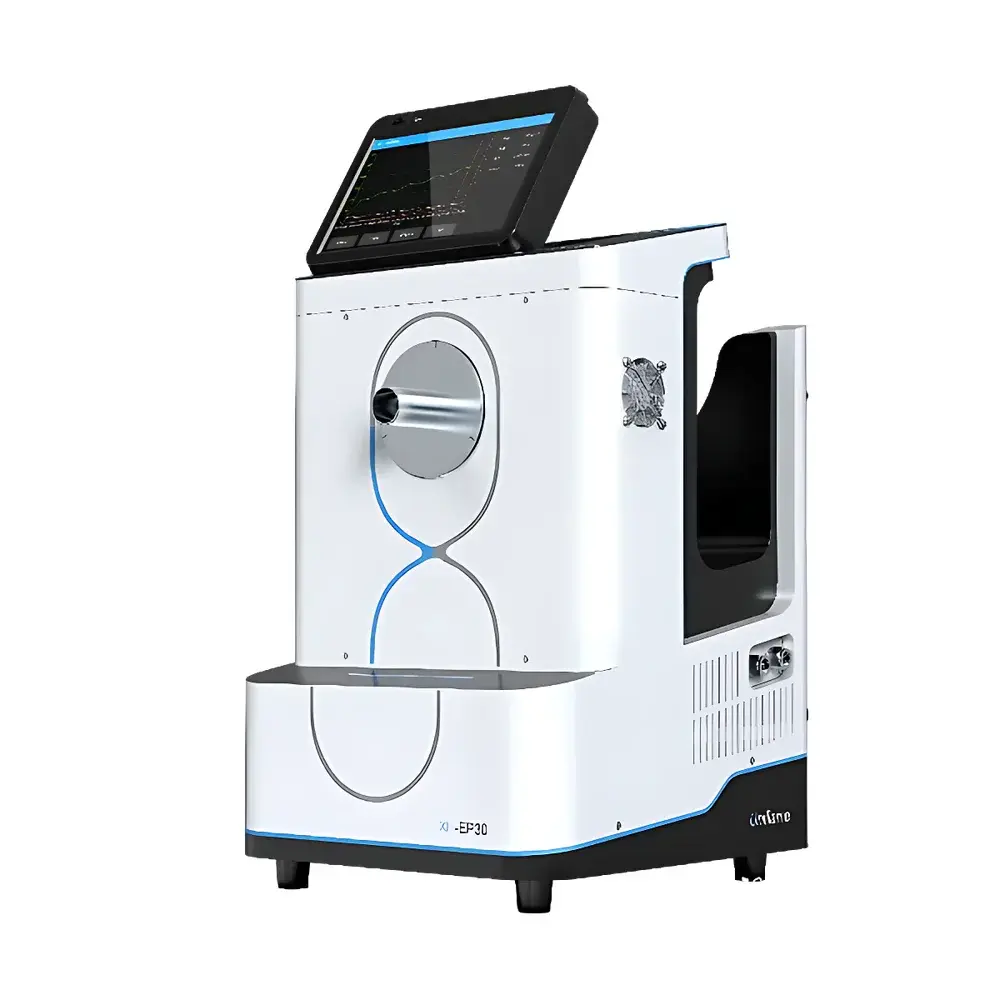
XH-EP30 Single-Mode Microwave High-Temperature Workstation
| Brand | Xianghu |
|---|---|
| Origin | Beijing, China |
| Manufacturer Type | Direct Manufacturer |
| Instrument Category | Single-Mode Microwave Synthesizer |
| Temperature Range | 70 °C to 1650 °C |
| Microwave Power Output | 900 W |
Overview
The XH-EP30 Single-Mode Microwave High-Temperature Workstation is an engineered platform for precision-controlled high-temperature synthesis and materials processing under focused microwave irradiation. Unlike multimode cavity systems, the XH-EP30 employs a single-mode (TE10) resonant waveguide configuration, delivering spatially confined, highly uniform electromagnetic field distribution at 2.45 GHz. This architecture enables reproducible energy coupling into small-volume samples (typically 0.1–5 mL for liquid-phase reactions or ≤2 g for solid-state transformations), minimizing thermal lag and enabling rapid, selective heating of polar or conductive materials. The system is designed for applications requiring both extreme thermal conditions—up to 1650 °C—and fine-grained control over power delivery and temperature feedback, making it suitable for ceramic sintering, inorganic solid-state synthesis, catalyst activation, and high-temperature nanomaterial engineering.
Key Features
- Single-mode microwave cavity with TE10 resonance mode, optimized for field homogeneity and coupling efficiency at 2.45 GHz
- Integrated high-temperature measurement and control via dual-sensor architecture: optical pyrometer (for >600 °C) and calibrated thermocouple (Type S, for 70–1600 °C)
- Digital microwave power regulation (0–900 W, 1 W resolution) with real-time closed-loop feedback based on temperature deviation
- Refractory reaction chamber constructed from high-purity alumina (Al2O3, ≥99.7%) and molybdenum disilicide (MoSi2) heating elements, rated for continuous operation up to 1650 °C in air or inert atmospheres
- Intuitive touchscreen interface with programmable multi-step protocols, including ramp-hold-cool sequences, power modulation profiles, and safety interlocks (overtemperature, pressure, door-open detection)
- Modular gas inlet/outlet ports compatible with N2, Ar, H2/Ar mixtures, and vacuum lines (≤10−2 mbar base pressure capability with optional pump)
Sample Compatibility & Compliance
The XH-EP30 accommodates crucibles made from quartz, alumina, silicon carbide, or graphite—selected based on target temperature, chemical compatibility, and microwave absorption characteristics. It supports heterogeneous solid-state reactions (e.g., Li-ion cathode material synthesis), solvent-free organic transformations, and rapid thermal annealing of thin films. All electrical and microwave shielding complies with IEC 61000-6-3 (EMI emission limits) and IEC 61000-6-4 (industrial immunity). Temperature calibration follows ISO/IEC 17025 traceable procedures using NIST-traceable reference standards. For regulated environments, the system supports audit-ready data logging compliant with GLP and GMP principles—including user authentication, electronic signatures, and timestamped parameter records.
Software & Data Management
The workstation operates via embedded Linux-based firmware with a web-accessible GUI (HTTPS-enabled), allowing remote monitoring and protocol execution via local network or secure VPN. All experimental parameters—including setpoints, actual temperature/power curves, gas flow rates, and alarm events—are logged in CSV and SQLite formats with millisecond-level timestamp resolution. Data export supports integration with LIMS platforms and third-party analysis tools (e.g., MATLAB, Python pandas). Optional software modules include FDA 21 CFR Part 11-compliant electronic record management, with role-based access control, change history tracking, and digital signature validation.
Applications
- High-temperature solid-state synthesis of functional oxides (e.g., perovskites, spinels, phosphors)
- Rapid sintering of advanced ceramics (ZrO2, SiC, AlN) with reduced grain growth and enhanced density
- In situ thermal treatment of battery electrode materials under controlled atmospheres
- Microwave-assisted carbothermal reduction of metal oxides (e.g., Fe2O3 → Fe, SnO2 → Sn)
- Thermal decomposition kinetics studies of precursors under precise heating rates (0.1–50 °C/min)
- Development of microwave-responsive catalysts and supported metal nanoparticles
FAQ
What is the difference between single-mode and multimode microwave reactors?
Single-mode systems like the XH-EP30 concentrate microwave energy into a defined standing-wave pattern, enabling higher electric field intensity and superior reproducibility for small-scale reactions. Multimode cavities distribute energy more broadly and are better suited for larger, less sensitive batch processes.
Can the XH-EP30 operate under reducing or oxidizing atmospheres?
Yes—the system includes sealed gas ports and pressure-rated chamber design, supporting operation under inert (Ar, N2), reducing (5% H2/Ar), or oxidizing (air, O2) environments up to 0.5 MPa gauge pressure.
Is temperature calibration traceable to international standards?
Yes—factory calibration uses NIST-traceable blackbody sources and reference thermocouples; users may perform in-house verification using certified secondary standards per ISO/IEC 17025 guidelines.
Does the system support automated sequential runs?
Yes—multi-step protocols can be scheduled with automatic start/stop triggers, inter-step cooling delays, and conditional branching based on real-time sensor input.
What maintenance is required for long-term high-temperature operation?
Routine inspection of crucible integrity, waveguide window cleanliness, and thermocouple/pyrometer alignment is recommended every 200 operating hours; MoSi2 heating elements typically exceed 1,000 h lifetime at ≤1500 °C in air.



