
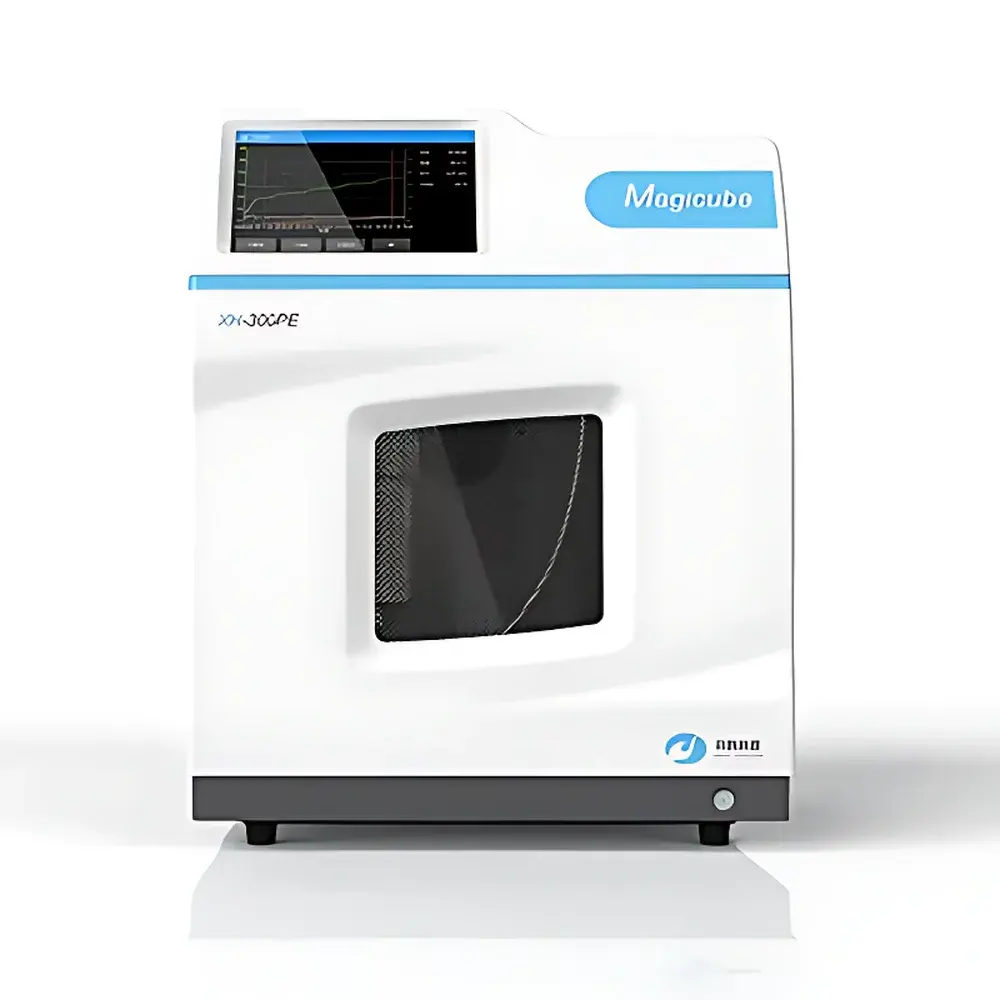
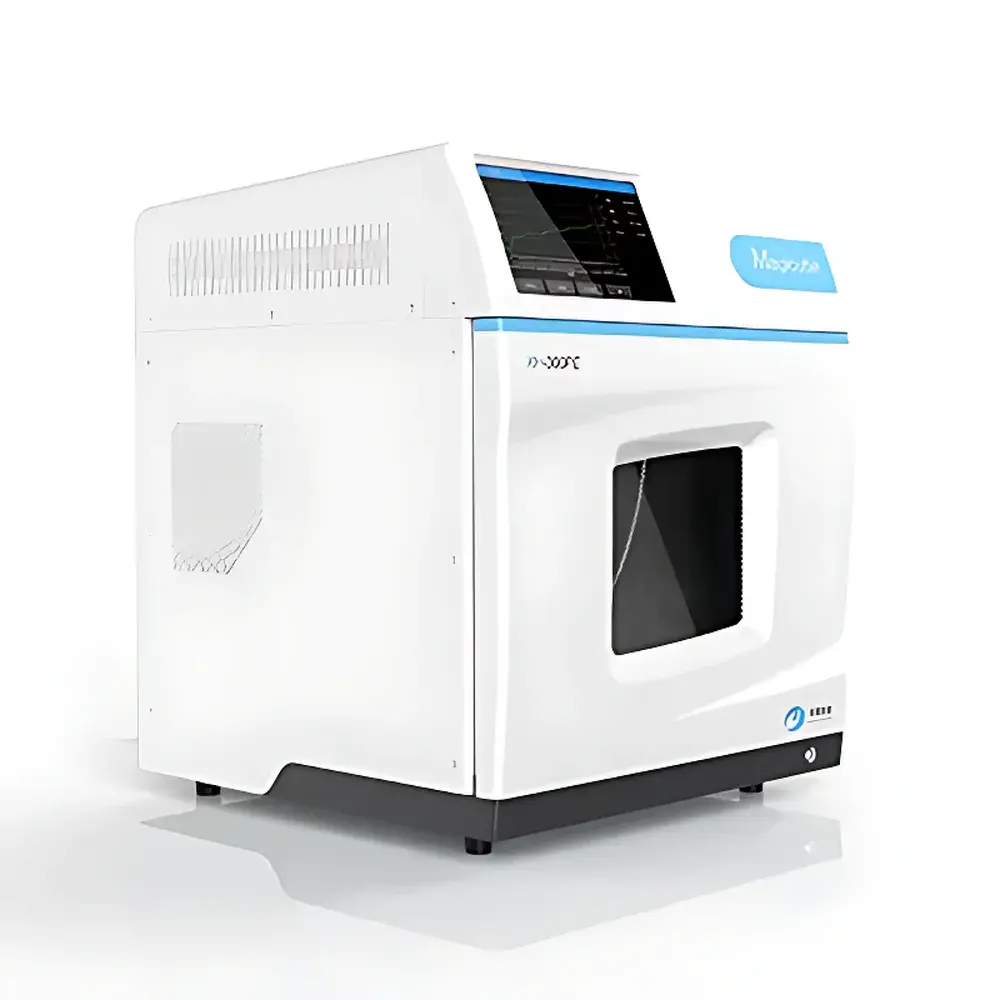
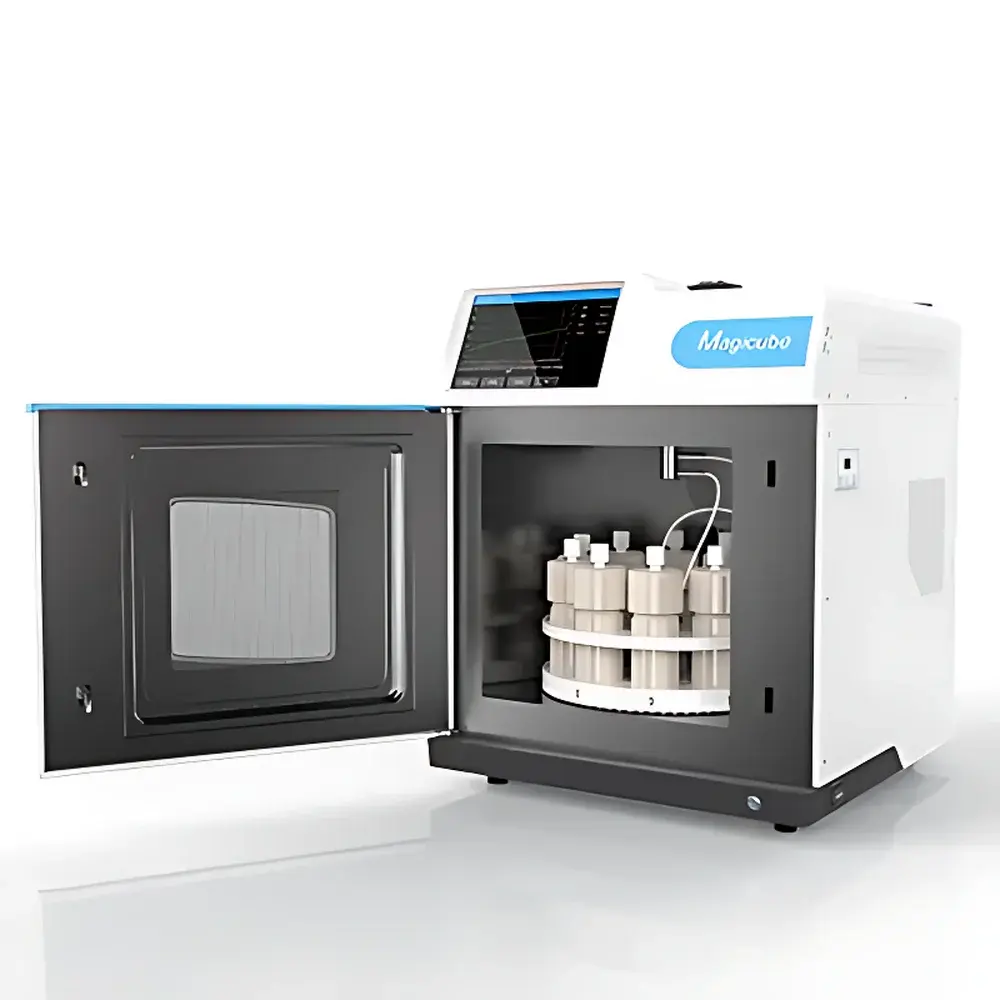
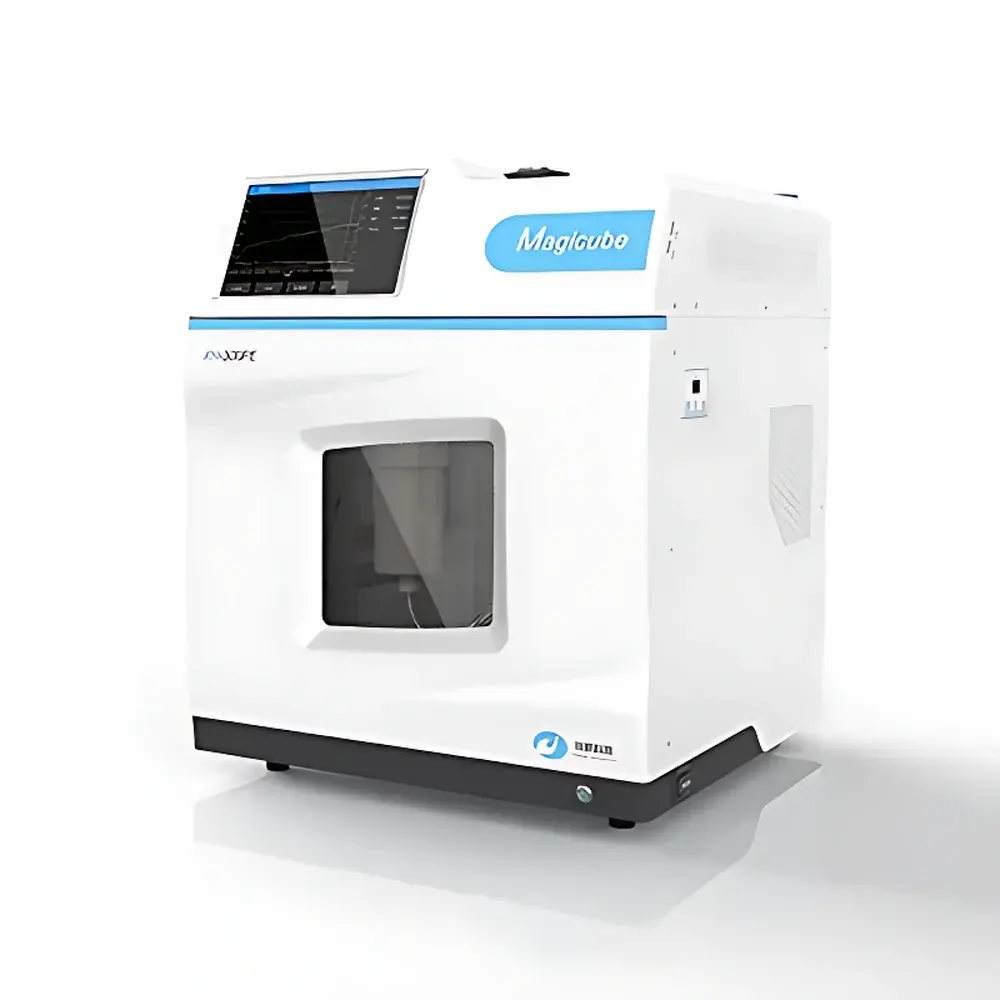
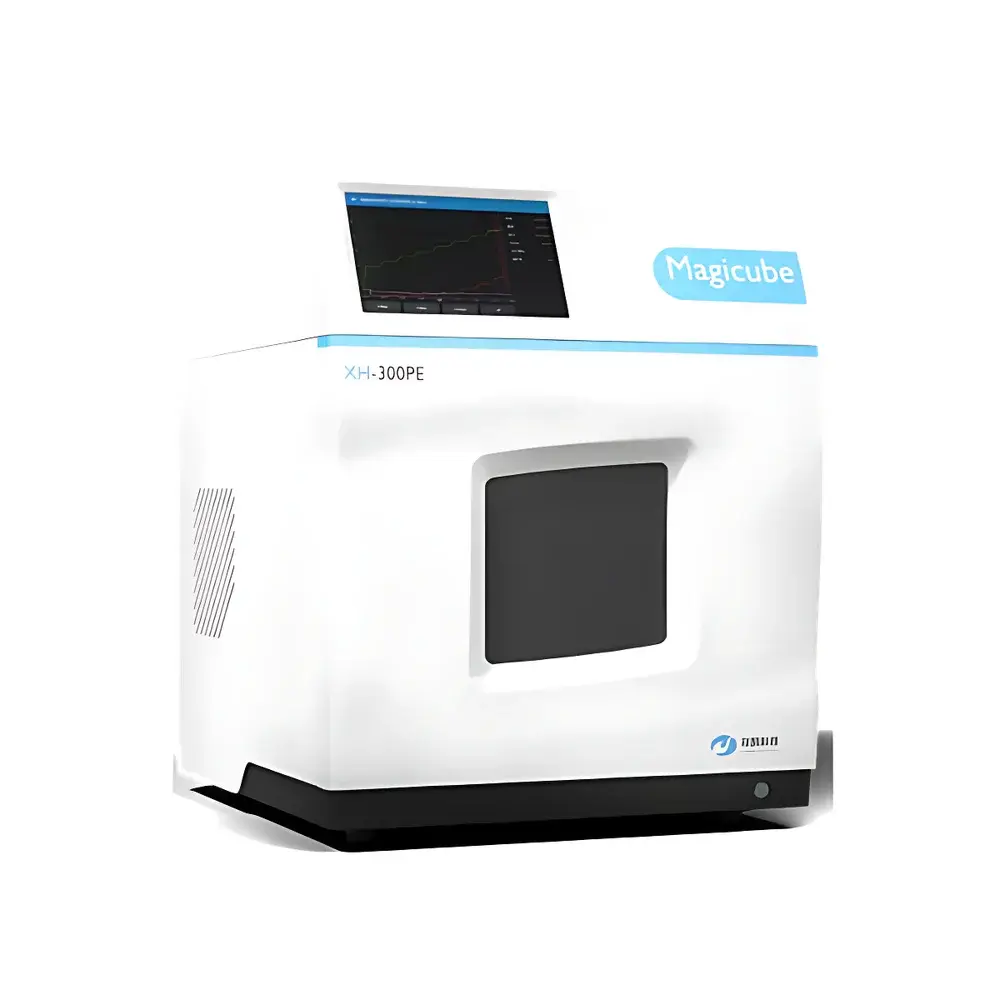
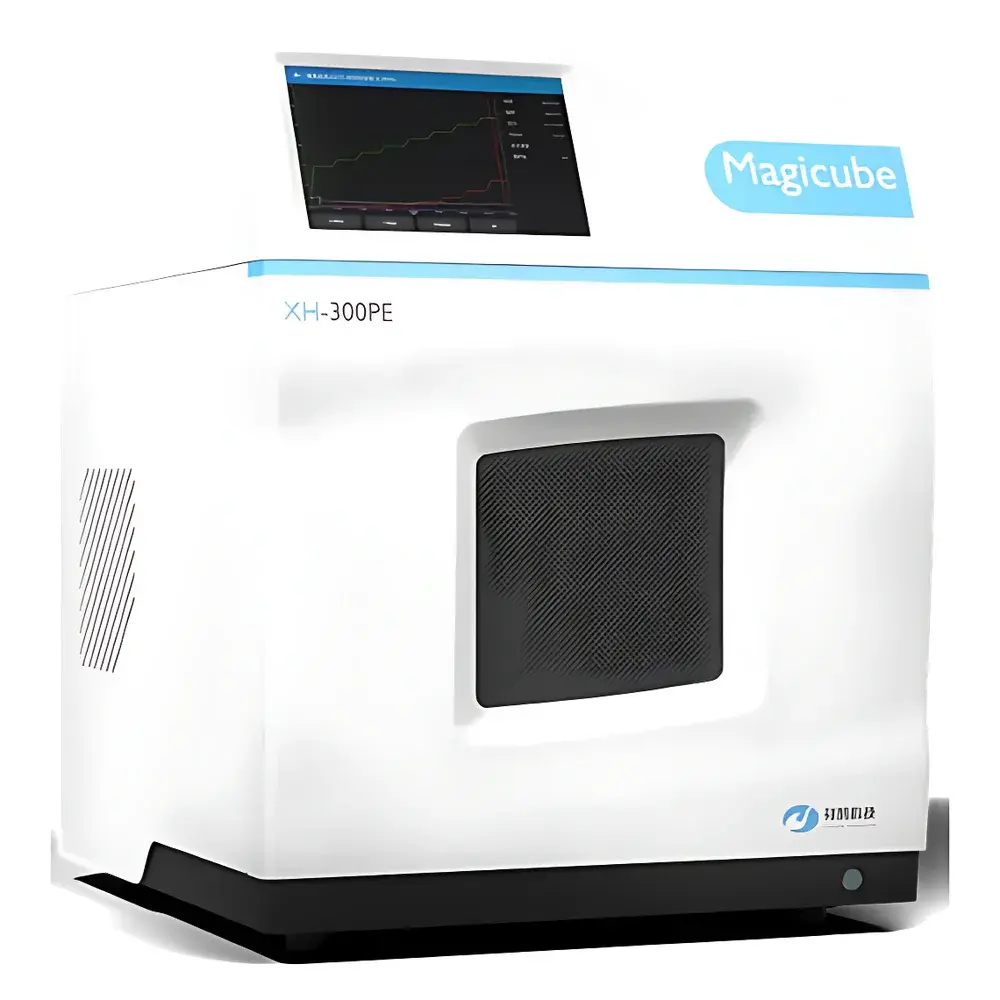
Magicube XH-300PE High-Pressure Microwave-Ultrasound Synergistic Synthesis Workstation
| Brand | Xianghu |
|---|---|
| Origin | Beijing, China |
| Manufacturer Type | Direct Manufacturer |
| Product Category | Domestic Multi-Mode Microwave Synthesizer |
| Temperature Range | 0–300 °C |
| Pressure Range | 0–6 MPa (max operating pressure: 6 MPa |
| ultrasonic high-pressure mode | up to 4 MPa) |
| Microwave Power Output | 0–1000 W (continuously adjustable) |
| Magnetron Frequency | 2450 MHz |
| Stirring Method | High-Torque Magnetic Stirring |
| Reaction Vessel Capacities | 100 mL, 250 mL, 500 mL |
| Temperature Control Accuracy | ±1 °C |
| Heating Rate Control | Programmable ramp profiles |
| Pressure Control Accuracy | ±0.05 MPa |
| Duty Cycle Adjustment | Enabled |
| Control Architecture | Integrated microwave–ultrasound–UV coordination module |
Overview
The Magicube XH-300PE High-Pressure Microwave-Ultrasound Synergistic Synthesis Workstation is an engineered platform for advanced multi-energy-field chemical synthesis under controlled thermal, mechanical, and electromagnetic conditions. It integrates three independent but synchronized energy sources—microwave irradiation (2450 MHz), high-intensity ultrasound (typically 20–40 kHz range, integrated transducer), and optional UV radiation—within a single sealed reaction chamber capable of sustained operation at temperatures up to 300 °C and pressures up to 6 MPa. This architecture enables precise replication of non-equilibrium reaction environments commonly required in catalytic material synthesis, nanomaterial crystallization, pharmaceutical intermediate formation, and green chemistry process development. Unlike conventional single-mode reactors, the XH-300PE employs a multi-mode cavity design with field homogenization features to ensure reproducible energy distribution across variable-volume vessels (100–500 mL). Its closed-loop control system continuously monitors real-time temperature (via fiber-optic or shielded Pt100 probe) and pressure (via calibrated piezoresistive transducer), feeding data to an adaptive algorithm that dynamically modulates microwave duty cycle and ultrasonic amplitude to maintain user-defined setpoints.
Key Features
- Triple-energy coordination engine: Simultaneous or sequential activation of microwave, ultrasonic, and UV modules with programmable phase alignment and interlock logic.
- High-fidelity process control: Temperature stability ±1 °C and pressure resolution ±0.05 MPa, validated per ISO/IEC 17025 traceable calibration protocols.
- Robust pressure-rated reaction system: Dual-seal autoclave-grade vessels with rupture disc protection, rated for continuous operation at 6 MPa (microwave-only) and 4 MPa (ultrasound-assisted high-pressure mode).
- Intelligent power management: 0–1000 W microwave output with stepless adjustment and real-time forward/reflected power monitoring to optimize coupling efficiency.
- High-torque magnetic stirring: Maintains homogeneous suspension of heterogeneous catalysts or precipitates across all vessel sizes without mechanical feedthroughs.
- Modular safety architecture: Includes overtemperature cutoff, overpressure venting, door interlock, and RF leakage detection compliant with IEC 61000-3-2 and EN 61000-6-3 standards.
Sample Compatibility & Compliance
The XH-300PE accommodates a broad spectrum of sample types—including aqueous/organic solvent systems, ionic liquids, solid-supported reagents, and nanoparticle dispersions—across its standard 100 mL, 250 mL, and 500 mL quartz or PTFE-lined stainless-steel vessels. All wetted materials comply with USP Class VI and ASTM F2189 biocompatibility requirements. The system supports method development aligned with regulatory frameworks including ASTM E2872 (microwave-assisted synthesis), ISO 13320 (particle size analysis of reaction products), and FDA 21 CFR Part 11 when paired with validated software configurations. Pressure and temperature logging meet GLP audit requirements for raw data integrity, including time-stamped metadata, operator ID, and instrument signature.
Software & Data Management
The workstation operates via a dedicated Windows-based control suite supporting multistep protocol definition, real-time graphing of T/P/power curves, and automated report generation in PDF or CSV format. All parameter changes, alarms, and system events are recorded with cryptographic timestamping and stored locally with optional network backup. Audit trail functionality satisfies 21 CFR Part 11 requirements when configured with electronic signatures and role-based access control. Exported datasets retain full metadata linkage to experimental conditions, enabling seamless integration with LIMS platforms or third-party kinetic modeling tools (e.g., MATLAB, Python SciPy).
Applications
- Synthesis of metal–organic frameworks (MOFs) and covalent organic frameworks (COFs) under accelerated crystallization kinetics.
- Hydrothermal/solvothermal preparation of transition metal oxide nanoparticles with controlled phase purity and morphology.
- Ultrasound-enhanced cross-coupling reactions (e.g., Suzuki, Heck) under mild thermal conditions to suppress side-product formation.
- Photocatalytic degradation studies combining UV excitation with microwave-driven thermal activation of TiO₂ or g-C₃N₄ suspensions.
- Development of continuous-flow compatible batch protocols for scale-up feasibility assessment in API manufacturing.
FAQ
What safety certifications does the XH-300PE hold for international laboratory use?
The system complies with CE marking requirements (EMC Directive 2014/30/EU and Low Voltage Directive 2014/35/EU), carries UL recognition for electrical safety (UL 61010-1), and meets ISO 13849-1 PL e functional safety criteria for pressure containment systems.
Can the ultrasonic module operate independently of microwave irradiation?
Yes—the ultrasound subsystem is fully decoupled and can be activated in standalone mode at variable amplitude (20–100%) and frequency (fixed 25 kHz or sweep mode), with simultaneous pressure and temperature monitoring.
Is remote monitoring supported via Ethernet or Wi-Fi?
Standard Ethernet (RJ45) connectivity is provided for local network integration; Wi-Fi operation is not supported due to RF interference risks with microwave cavity emissions.
What validation documentation is supplied with the instrument?
Each unit ships with Factory Acceptance Test (FAT) report, pressure vessel certification (ASME BPVC Section VIII Div. 1), and a NIST-traceable calibration certificate for temperature and pressure sensors.
How is maintenance access structured for the magnetron and ultrasonic transducer?
Both components are modular and front-accessible via tool-less panel removal; scheduled replacement intervals are defined in the maintenance logbook based on cumulative operational hours and power cycling history.



