
Stresstech XStress3000 Portable Residual Stress Analyzer
| Brand | Stresstech Oy |
|---|---|
| Origin | Finland |
| Model | XStress3000 |
| Type | Portable X-ray Diffraction (XRD)-Based Residual Stress Analyzer |
| Measurement Principle | Modified Sin²ψ Method with Dual-Detector Geometry and Cross-Correlation Peak Positioning |
| Analysis Speed | ~1 s per peak shift calculation |
| Compliance | Designed for ASTM E915-22, ISO 21432:2020, and EN 15305:2022 conformance |
Overview
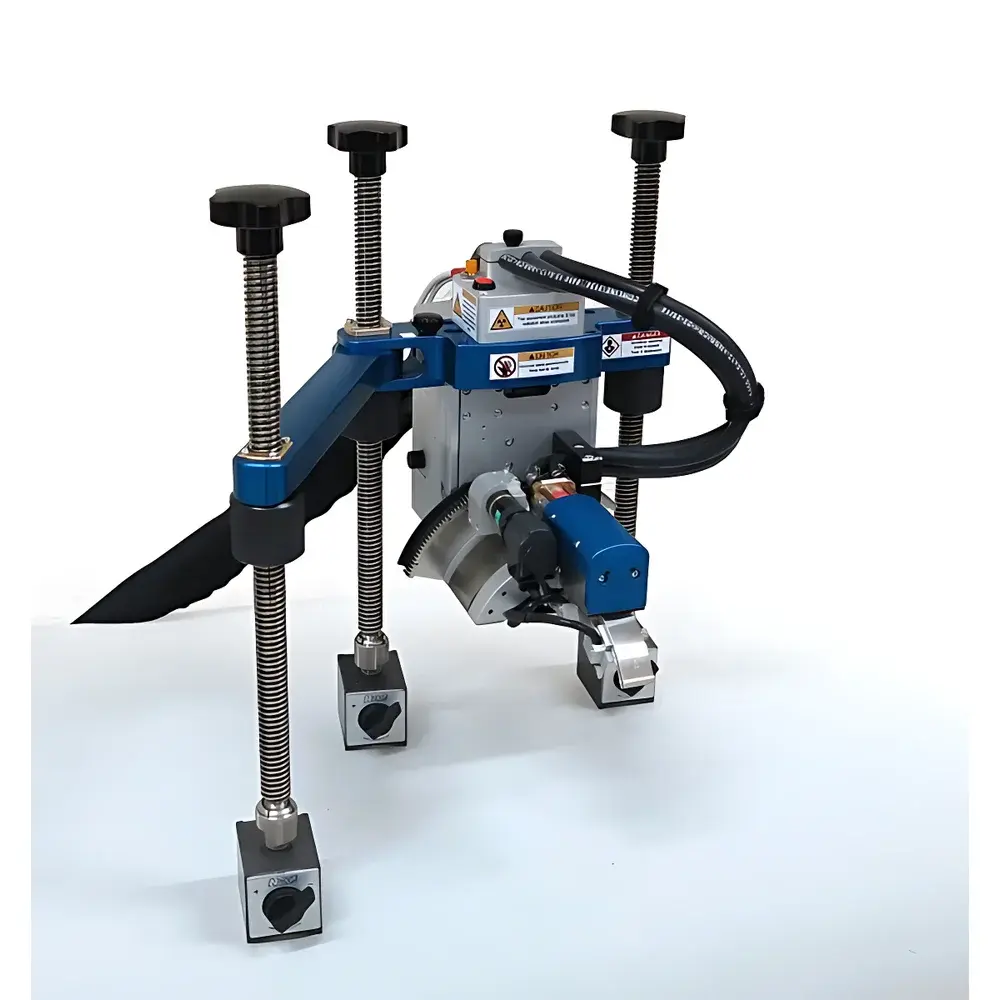
The Stresstech XStress3000 Portable Residual Stress Analyzer is an industrial-grade, field-deployable X-ray diffraction (XRD) system engineered for non-destructive, quantitative measurement of near-surface residual stresses in metallic components. It operates on the modified sin²ψ method—a well-established technique standardized under ASTM E915-22, ISO 21432:2020, and EN 15305:2022—enabling precise determination of both magnitude and sign (tensile/compressive) of macroscopic residual stresses within depths ranging from ~5 to 50 µm, depending on material and radiation energy. Unlike laboratory-based XRD systems, the XStress3000 integrates a compact Cu-Kα or Cr-Kα X-ray tube (user-selectable), dual scintillation detectors, and real-time cross-correlation peak positioning algorithms to deliver high reproducibility (< ±10 MPa typical repeatability on steel) without requiring monochromators or goniometric precision stages. Its ruggedized aluminum chassis, integrated battery pack (up to 4 h operation), and IP54-rated enclosure ensure reliable performance in shop-floor, field, and offshore environments—including power plants, refinery sites, and nuclear maintenance zones.
Key Features
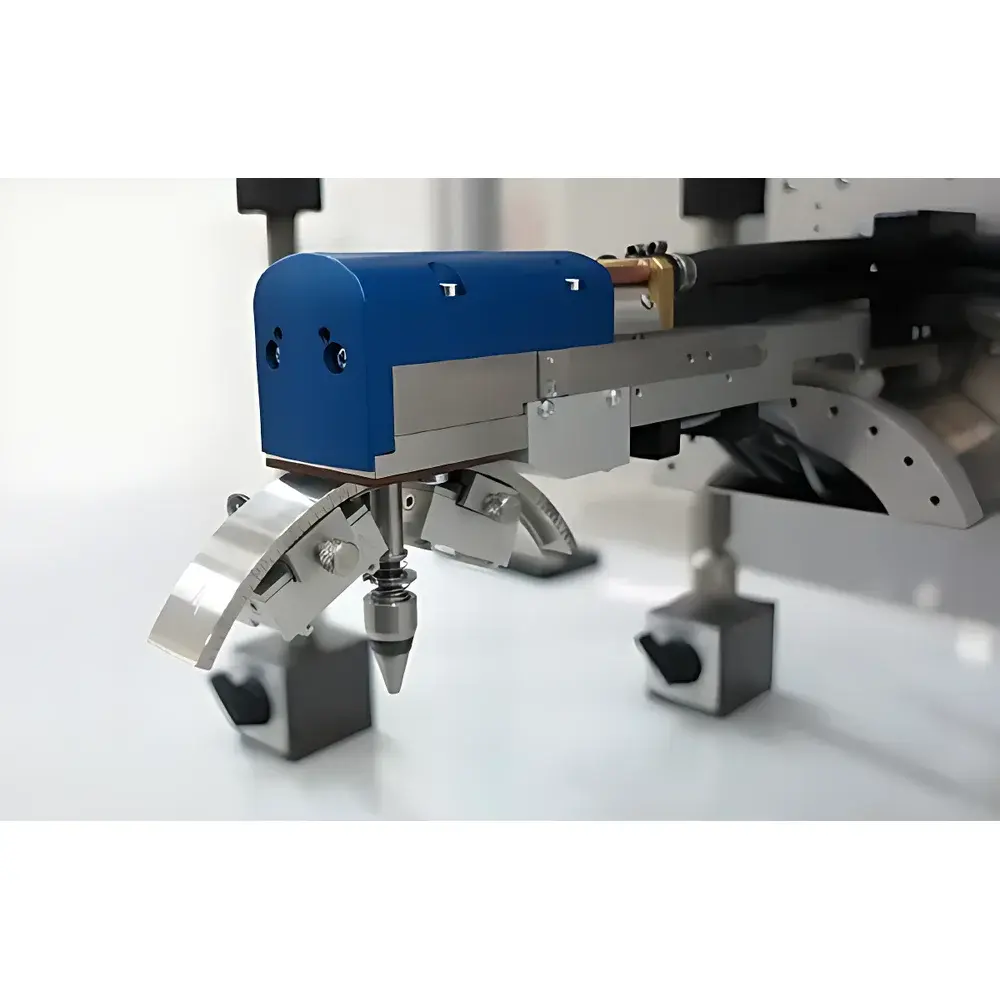
- Portable, self-contained design with integrated X-ray source, detector array, collimator set (0.5–2.0 mm aperture), and touch-screen control unit
- Dual-detector geometry enabling simultaneous acquisition of diffracted intensity profiles for enhanced signal-to-noise ratio and robust peak identification
- Real-time cross-correlation algorithm for automatic lattice strain evaluation—peak shift resolution better than 0.005°2θ, calculated in <1 second per measurement point
- Pre-configured stress analysis workflows for common materials (e.g., AISI 4140, Inconel 718, Ti-6Al-4V, austenitic stainless steels) and crystallographic reflections (e.g., Fe {211}, Ni {220}, Al {311})
- Motorized ψ-tilt stage with ±45° range and 0.1° incremental positioning, calibrated traceably to NIST-traceable angle standards
- Compliance-ready data logging: full audit trail, user authentication, electronic signatures, and export formats compatible with FDA 21 CFR Part 11 and GLP/GMP documentation requirements
Sample Compatibility & Compliance
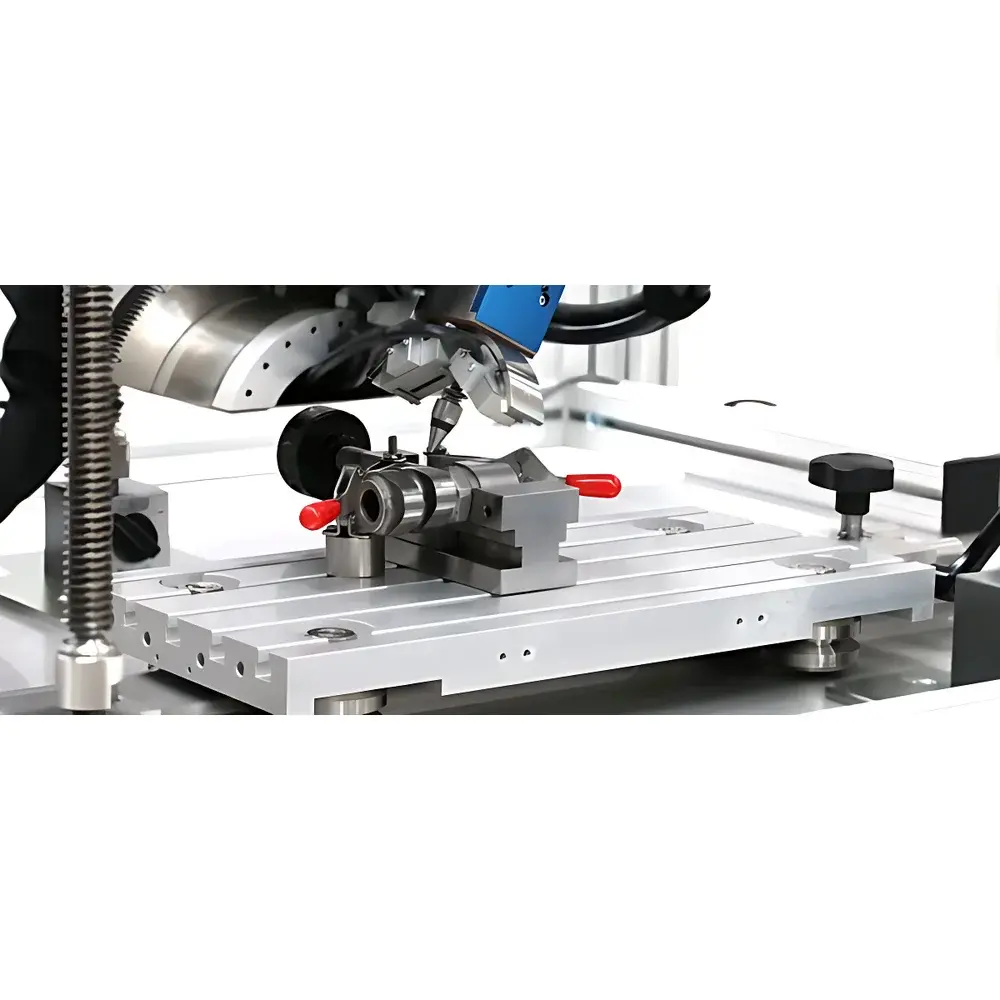
The XStress3000 supports direct measurement on flat, curved, or irregular surfaces—including gears, crankshafts, camshafts, bearing races, pressure vessel welds, turbine blades, and rolled mill rolls—without requiring sample sectioning or surface polishing beyond standard metallographic preparation (e.g., 600-grit SiC finish). It accommodates radii down to 15 mm and inclinations up to ±30° relative to horizontal. All measurement protocols adhere to internationally recognized standards: ASTM E915-22 (Standard Test Method for Verifying the Alignment of X-Ray Diffraction Instrumentation for Residual Stress Measurement), ISO 21432:2020 (Non-destructive testing — Test method for residual stress analysis by X-ray diffraction), and EN 15305:2022 (Non-destructive testing — Qualification and certification of NDT personnel — General principles). System calibration certificates are issued with each unit, including angular accuracy verification, intensity linearity assessment, and detector response characterization.
Software & Data Management
The XStress3000 runs Stresstech’s proprietary XStress Suite v5.x software, deployed on an embedded Windows 10 IoT Enterprise platform. The interface provides guided setup wizards, live diffraction pattern visualization, interactive sin²ψ plot generation, and automated stress tensor decomposition for biaxial states. Raw data (2θ-intensity arrays), processed strain values, and metadata (operator ID, timestamp, location tag, exposure parameters) are stored in encrypted SQLite databases with configurable backup intervals to network shares or USB media. Export options include CSV, XML (ASTM E1392-compliant), and PDF reports containing measurement uncertainty budgets per GUM (Guide to the Expression of Uncertainty in Measurement). Software updates are delivered via secure HTTPS channel with SHA-256 signature validation; version history and change logs are retained for regulatory review.
Applications
This instrument serves critical quality assurance and failure prevention functions across regulated industries. In power generation, it verifies post-weld heat treatment efficacy in boiler tubes and steam turbine casings. Within aerospace MRO, it validates compressive stress retention in shot-peened landing gear components prior to reinstallation. In automotive manufacturing, it monitors grinding-induced tensile stresses in camshaft lobes and bearing journals to prevent premature spalling. Petrochemical facilities deploy it for in-situ assessment of residual stress gradients across girth welds in sour-service piping—supporting API RP 579-1/ASME FFS-1 fitness-for-service evaluations. Research laboratories utilize its portability for correlative studies linking thermo-mechanical processing parameters (e.g., laser cladding scan speed, induction hardening dwell time) to localized stress evolution.
FAQ
What X-ray radiation safety measures are integrated into the XStress3000?
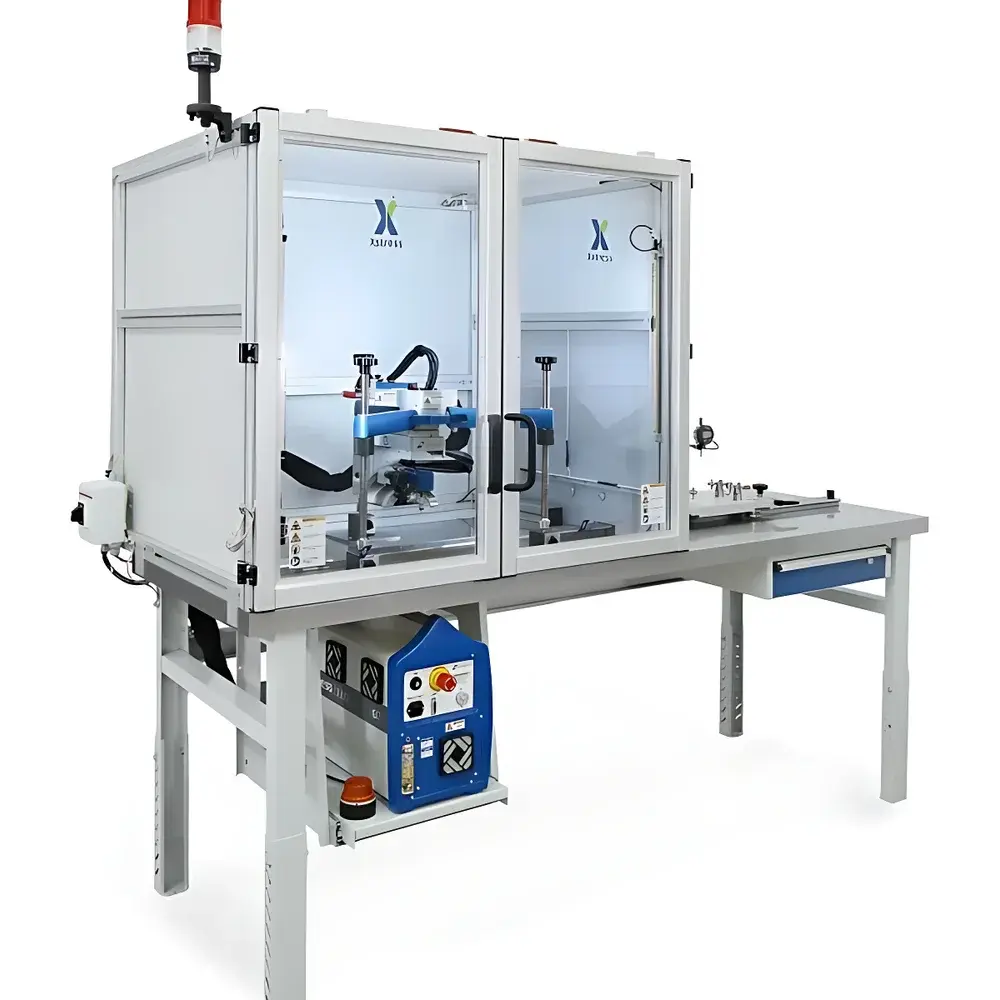
The system complies with IEC 61010-1 and IEC 62495 standards. It features interlocked shutter mechanisms, real-time dose rate monitoring (with audible/visual alerts at 1 µSv/h), and a certified lead-acrylic shield (≥2.5 mm Pb eq) around the collimated beam path. Operator training and site-specific radiation protection plans are required per local regulatory authority (e.g., NRC, HSE, BfS).
Can the XStress3000 measure residual stress in welded joints with complex microstructures?
Yes—provided the weld metal and heat-affected zone exhibit sufficient crystallinity and diffraction contrast. The dual-detector configuration improves reliability on multiphase or textured materials; optional Cr-Kα radiation enhances penetration in coarse-grained or highly absorbing alloys.
Is third-party calibration and traceability available?
Stresstech offers annual factory recalibration services with NIST-traceable angle and intensity standards. On-site calibration verification kits—including certified reference samples (e.g., stressed silicon wafers, cold-worked Inconel strips)—are available for user-performed daily checks.
Does the system support automated mapping of residual stress over large areas?
While primarily designed for discrete-point analysis, optional motorized XY translation stages (up to 300 × 300 mm travel) enable programmable grid-based measurements. Data points are georeferenced and exportable for contour plotting in external CAE tools such as MATLAB or Python-based SciPy workflows.




