
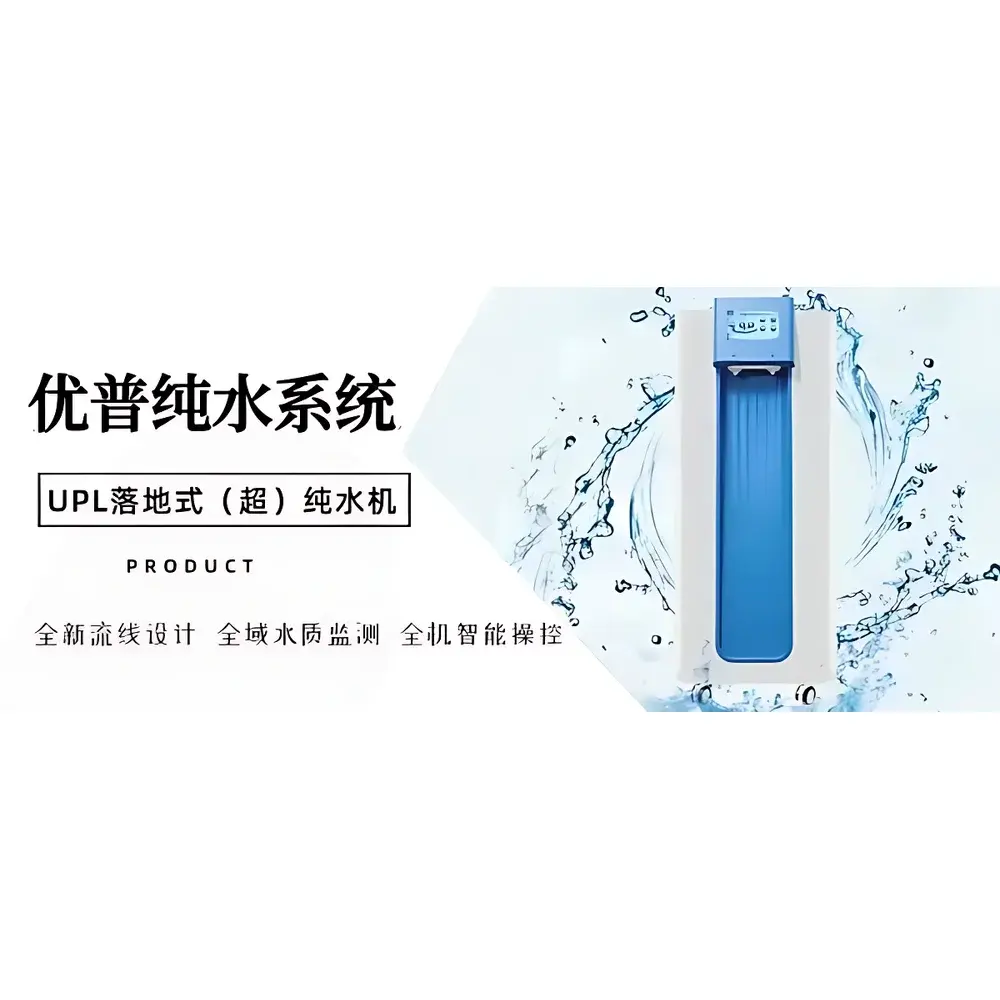
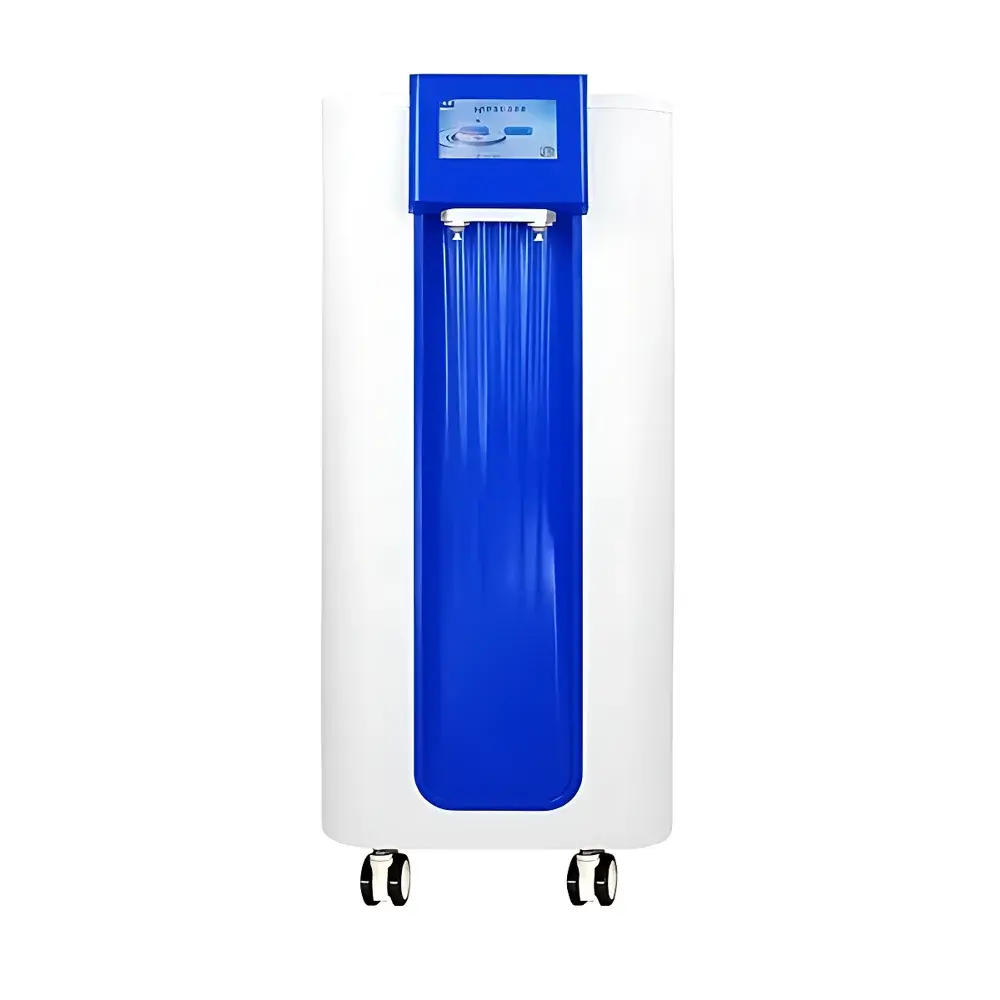
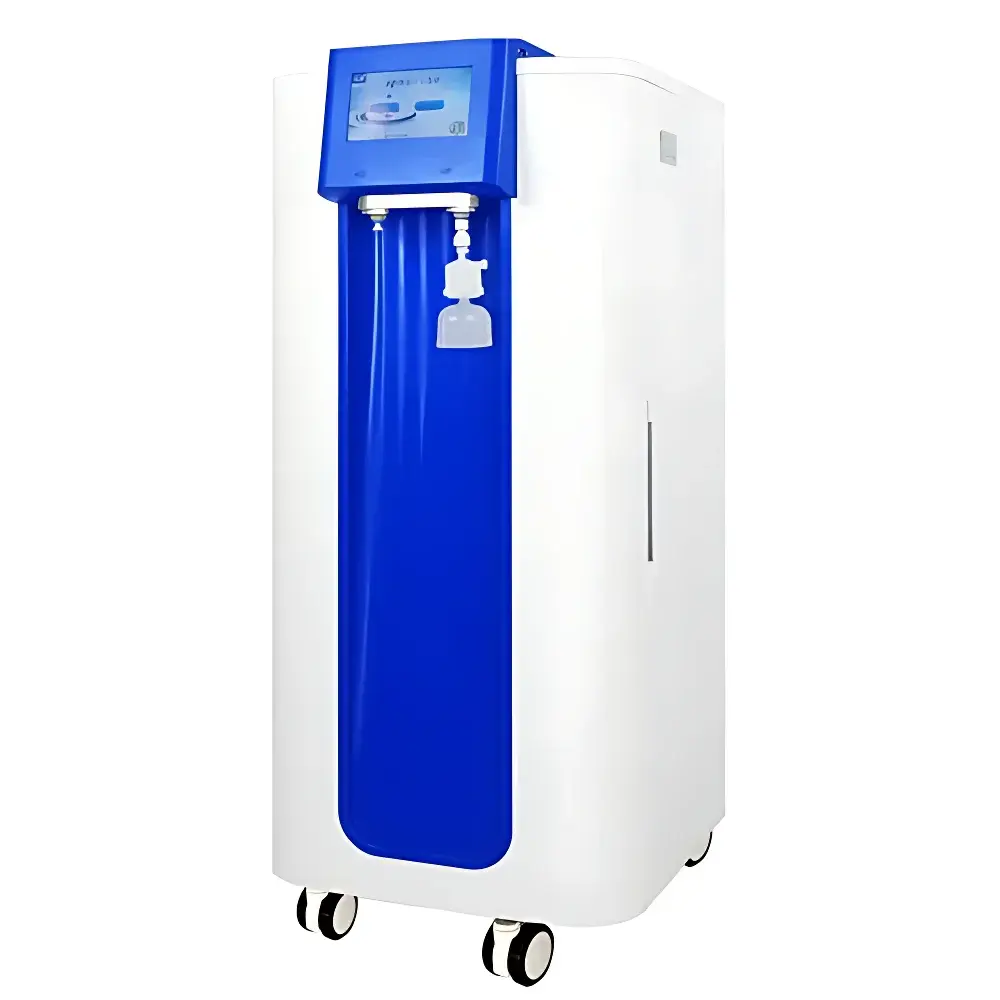
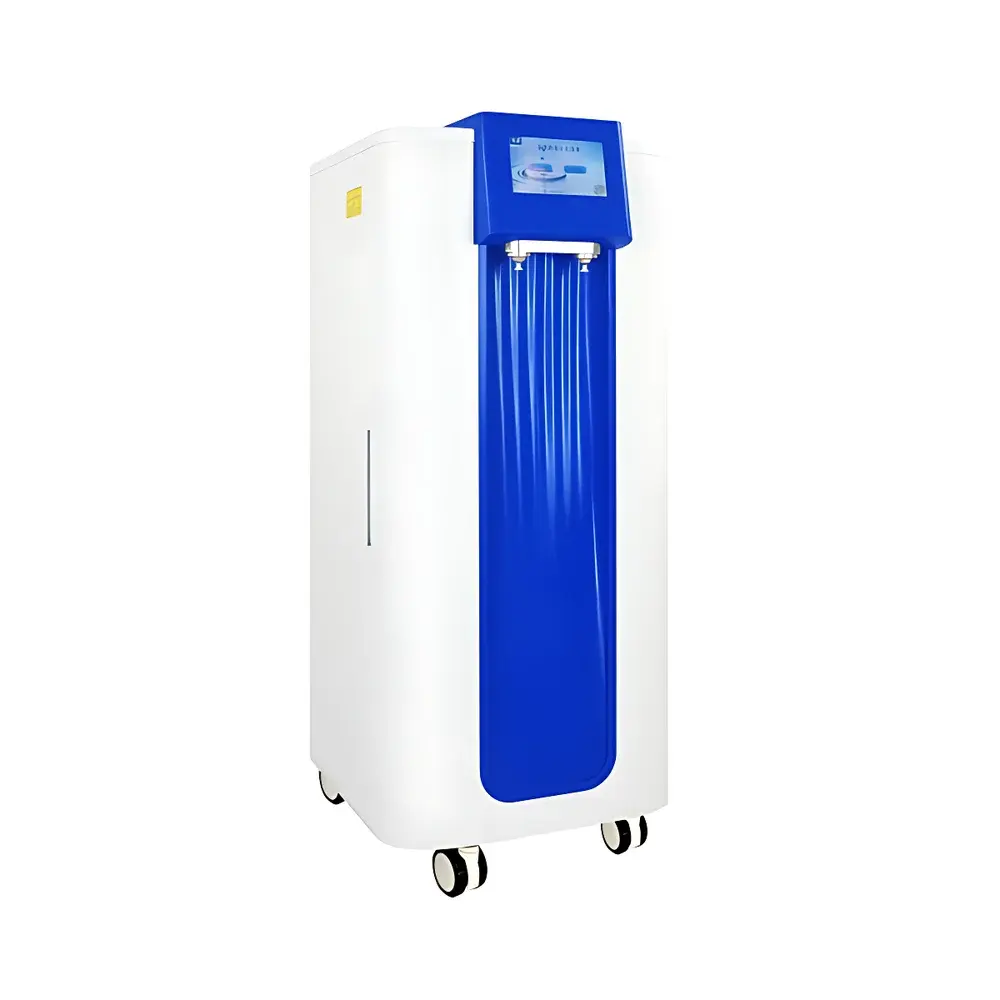
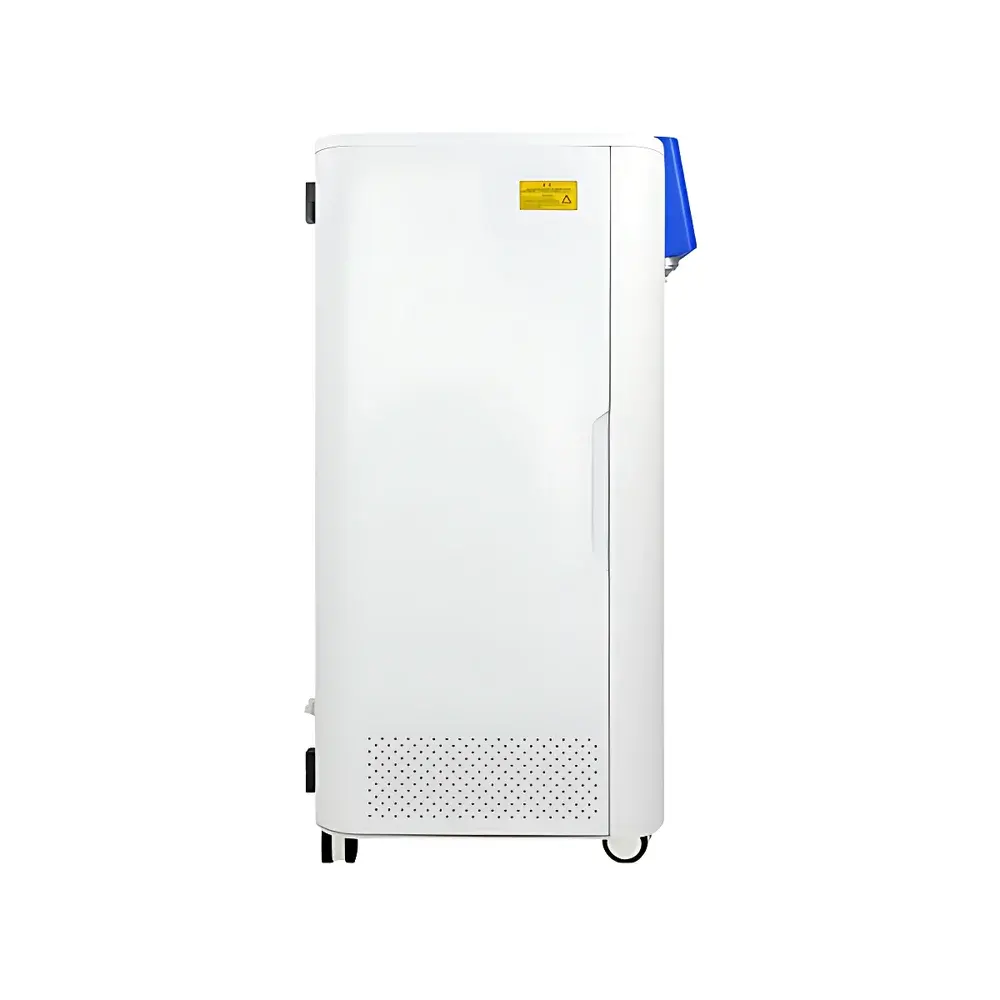
ULUPURE UPL Floor-Standing Ultra-Pure Water System
| Brand | ULUPURE |
|---|---|
| Origin | Sichuan, China |
| Manufacturer Type | Direct Manufacturer |
| Product Category | Domestic |
| Model | UPL |
| Pricing | Upon Request |
| Purified Water Grade | Type I (ASTM D1193-20) |
| Resistivity | 18.2 MΩ·cm @ 25 °C |
| Heavy Metals & Soluble Silica | ≤0.1 ppb |
| Total Organic Carbon (TOC) | ≤5 ppb |
| Particles (>0.1 µm) | ≤1 particle/mL |
Overview
The ULUPURE UPL Floor-Standing Ultra-Pure Water System is an engineered solution for laboratories requiring continuous, high-reliability production of Type I ultrapure water compliant with international analytical and life science standards. Based on a modular purification architecture, the system integrates reverse osmosis (RO), electrodeionization (EDI), and multi-stage polishing—comprising dual-wavelength UV photooxidation (185/254 nm), ultrafiltration (optional), and final sub-micron filtration—to achieve stringent specifications for resistivity, TOC, endotoxin, and microbial content. Designed for stable operation under variable municipal feedwater conditions, the UPL series supports ambient inlet water temperatures from 5–45 °C and TDS levels up to 200 ppm. Its robust mechanical construction—featuring an ABS polymer and sheet-metal hybrid chassis—ensures structural integrity in high-traffic laboratory environments while accommodating integrated 30–100 L pressurized PE storage tanks.
Key Features
- 7-inch full-color capacitive touchscreen interface with intuitive navigation, real-time parameter visualization, and multilevel user permission management (administrator/operator/guest)
- Triple-mode dispensing: rapid draw, scheduled delivery, and quality- and volume-triggered dispensing with programmable setpoints
- Intelligent consumables monitoring: online lifetime estimation for pre-filters, RO membranes, EDI modules, and polishing cartridges based on cumulative flow, pressure differential, and conductivity drift
- Multi-loop recirculation architecture: includes distribution loop circulation, standby loop maintenance, and optional point-of-use recirculation to suppress biofilm formation
- Dual UV subsystems: 185/254 nm UV lamp for TOC reduction and 270 nm cold-light UV for microbial inactivation—both integrated into the main water path
- Comprehensive alarm system: low/high reservoir level, feedwater shortage, conductivity deviation, consumable exhaustion, leak detection (optional), and fault logging with timestamped event history
- Data traceability: internal non-volatile memory stores >10,000 entries of dispense logs, maintenance records, and error events; exportable via USB 2.0 port; optional thermal printer support for GLP-compliant hardcopy output
Sample Compatibility & Compliance
The UPL system delivers water meeting or exceeding requirements for critical applications including HPLC, LC-MS, ICP-MS, AAS, AES, IC, PCR, cell culture (including embryonic and stem cell lines), IVF, and molecular diagnostics. Output water complies with ASTM D1193-20 (Type I), ISO 3696:1995 (Grade 1), CLSI EP23-A, USP , EP 2.2.43, and GB/T 6682–2008 (Class I). Optional 3 kDa ultrafiltration reduces endotoxin to <0.001 EU/mL—validated per USP and EP 2.6.14. All electronic controls adhere to IEC 61000-4 EMC standards; data handling supports audit trail functionality aligned with FDA 21 CFR Part 11 principles when paired with password-protected user roles and electronic signature-capable firmware.
Software & Data Management
The embedded control firmware provides deterministic real-time monitoring of 12+ process parameters—including feedwater conductivity, RO permeate quality, polishing stage resistivity, UV intensity, flow rates at six internal nodes, and reservoir temperature. Historical data are stored with millisecond-resolution timestamps and organized by session ID, operator ID, and event type. USB export generates CSV-formatted files compatible with LIMS integration or Excel-based trending analysis. Firmware updates are performed via secure signed packages; configuration backups and restores are supported without hardware reset. No cloud connectivity is implemented—data residency remains fully on-device unless explicitly exported by authorized personnel.
Applications
The UPL system serves as a primary water source for analytical instrumentation demanding ultra-low background interference (e.g., trace metal analysis by ICP-MS, low-TOC mobile phases for gradient HPLC), sensitive biological workflows (e.g., single-cell RNA-seq library prep, CRISPR-Cas9 transfection media), and regulatory-grade manufacturing (e.g., biopharmaceutical buffer preparation under GMP Annex 1 guidance). Its configurable output flow (2.0 L/min at point-of-use) and pressure-stabilized delivery enable seamless integration with automated liquid handlers, mass spectrometer nebulizers, and cell culture incubators requiring uninterrupted supply.
FAQ
What is the maximum allowable feedwater TDS for optimal UPL performance?
Feedwater TDS must not exceed 200 ppm. For sources above this threshold, installation of an upstream softener or pretreatment skid is strongly recommended to extend RO membrane life and maintain consistent UP water quality.
How does ambient temperature affect RO membrane output?
RO productivity decreases approximately 3% per 1 °C drop below 25 °C. Below 5 °C, membrane flux ceases entirely. Users in colder climates should consider insulated feed lines or ambient temperature stabilization of the feedwater supply.
Is endotoxin removal included in the standard configuration?
Standard UPL models do not include ultrafiltration. Endotoxin reduction to <0.001 EU/mL requires optional 3 kDa UF module installation and validation per USP .
Can the system be integrated into a centralized lab water network?
Yes—the UPL supports connection to external distribution loops via dedicated recirculation ports and pressure-regulated outlet manifolds. Integration requires compatibility assessment of loop material (e.g., electropolished 316L SS or PVDF), pump sizing, and return-line conductivity monitoring.
What documentation is provided for regulatory compliance?
Each unit ships with Factory Acceptance Test (FAT) report, IQ/OQ protocol templates, calibration certificates for integrated sensors, and a complete consumables traceability log. Validation support packages are available upon request for GxP environments.



