

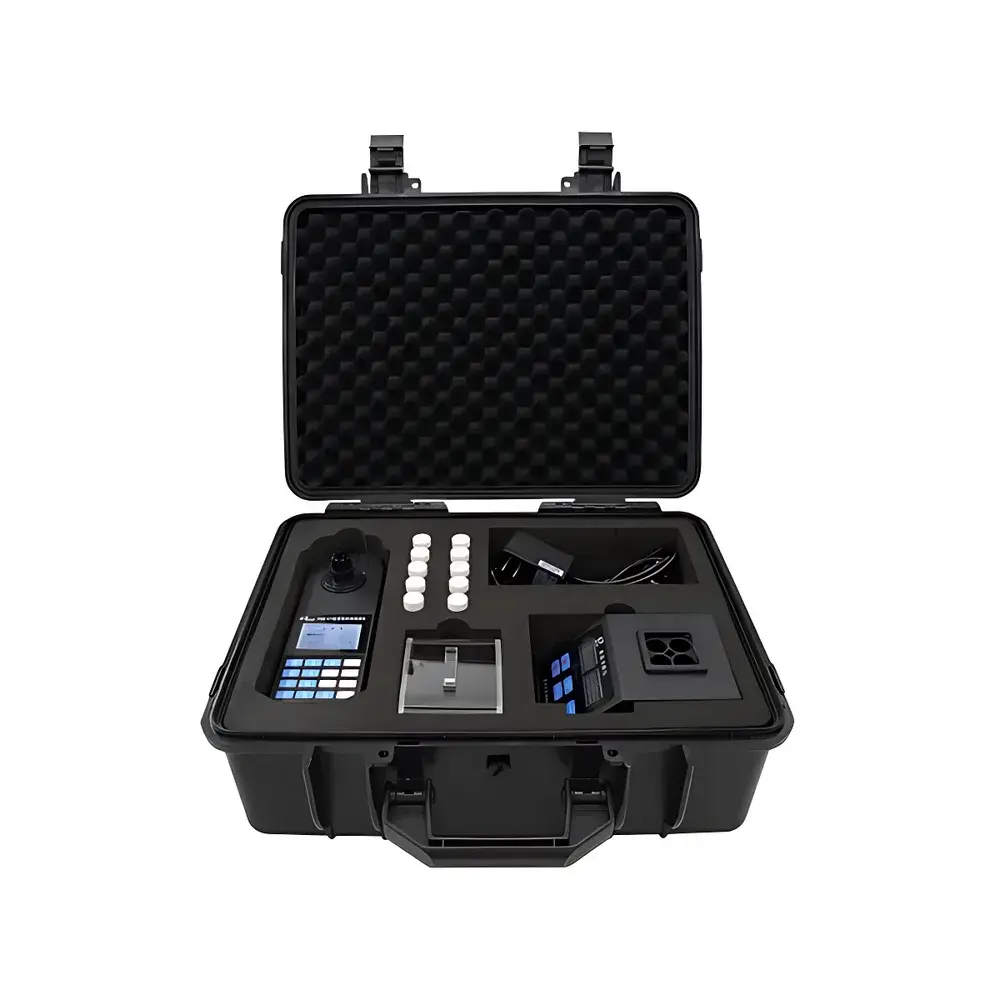
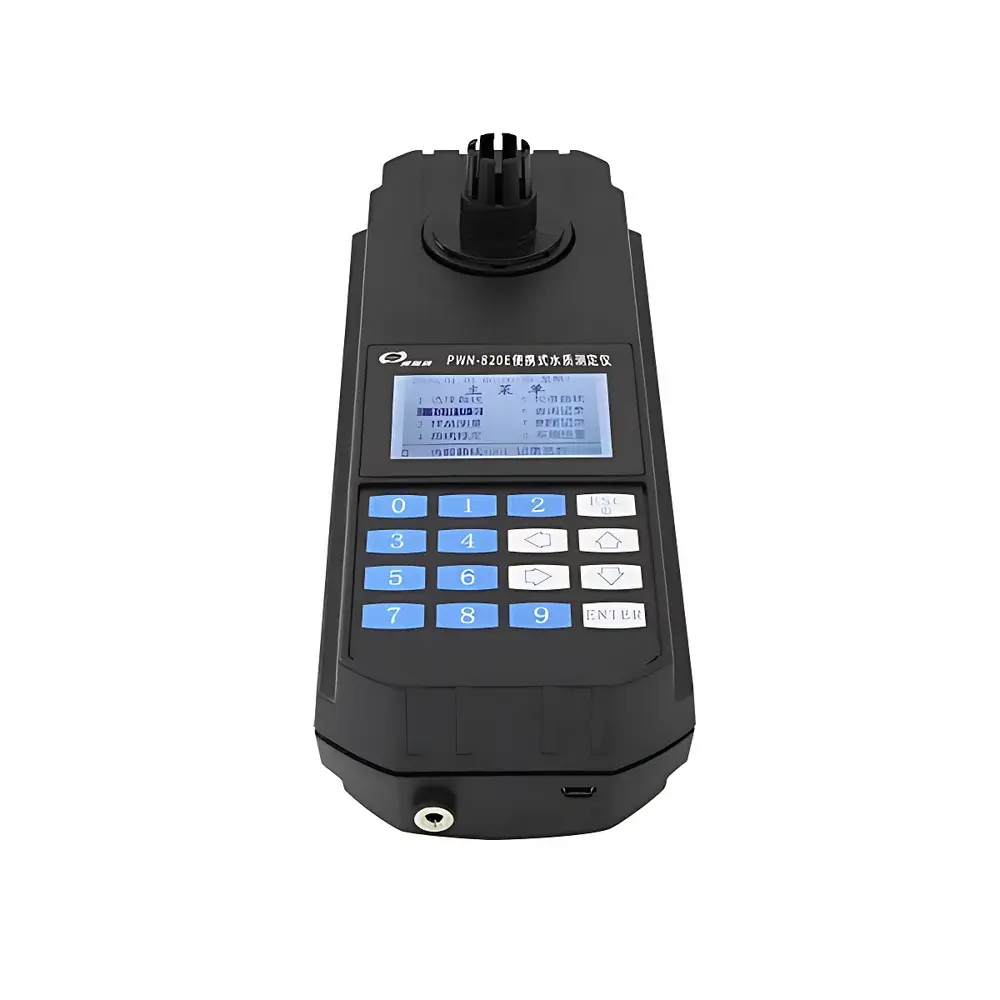
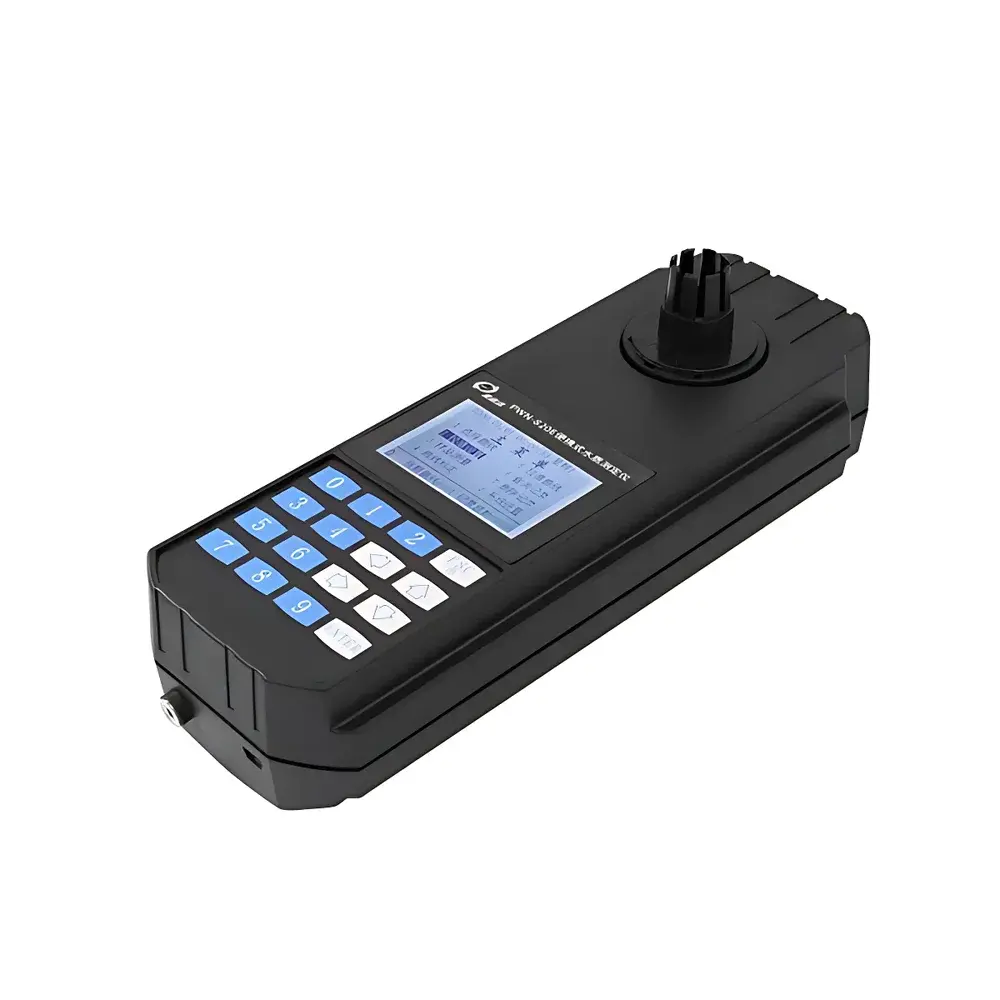
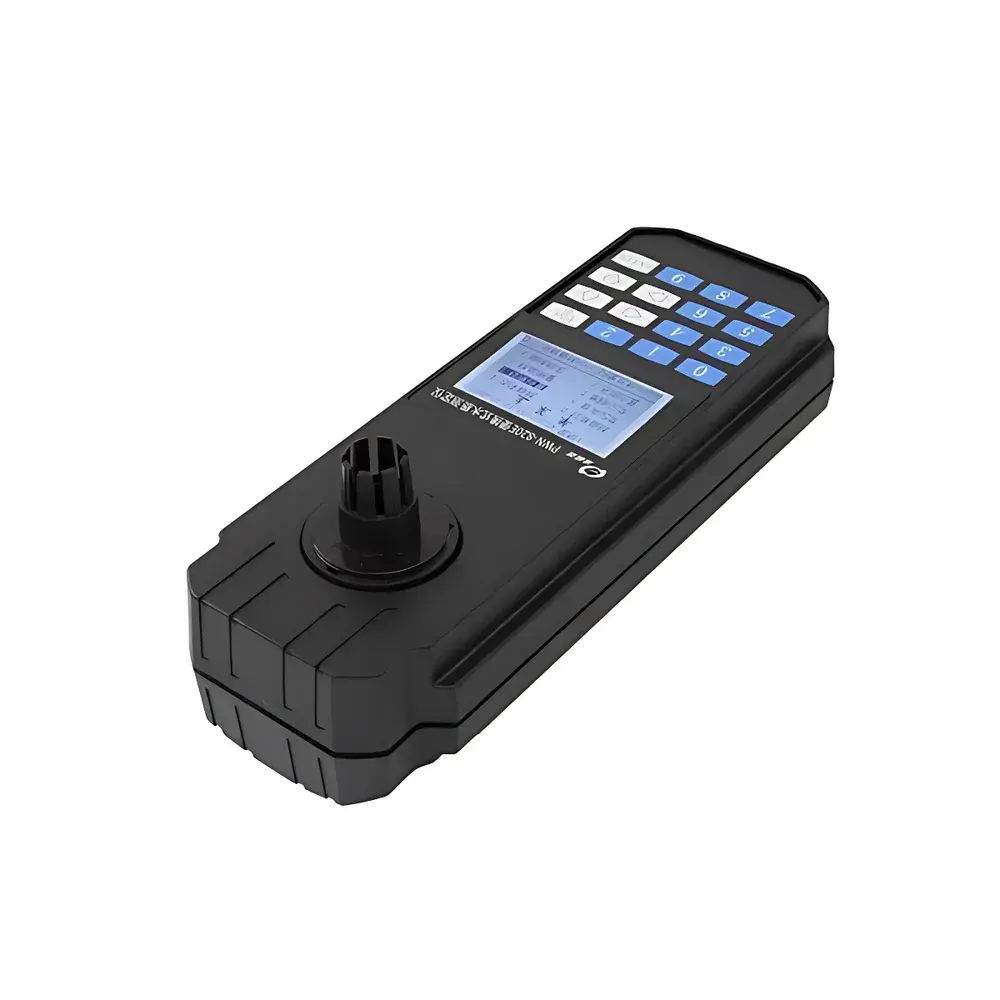
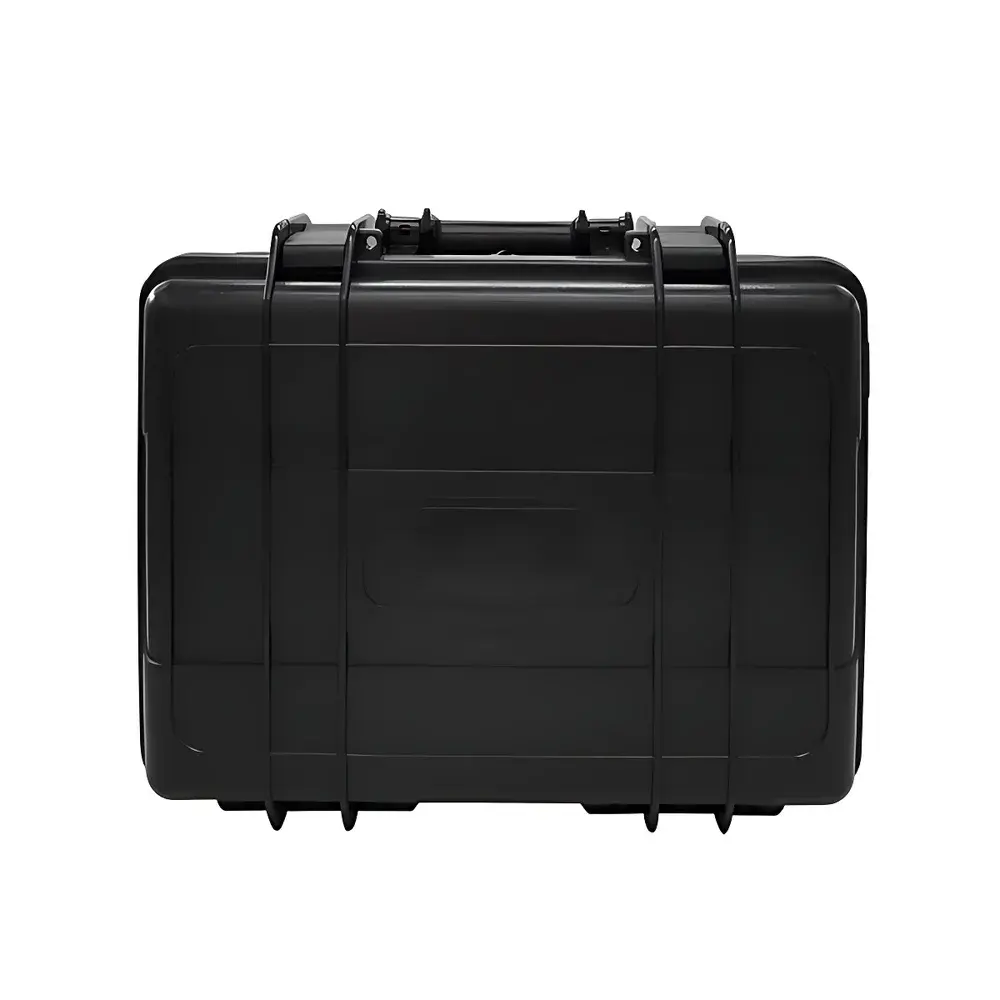
Shenchanghong PWN-820E Portable Ammonia Nitrogen and Total Phosphorus Analyzer
| Brand | Shenchanghong |
|---|---|
| Origin | Guangdong, China |
| Manufacturer Type | Direct Manufacturer |
| Origin Category | Domestic (China) |
| Model | PWN-820E |
| Instrument Type | Portable |
| Measurement Principle | Colorimetric Method |
| Ammonia Nitrogen Range | 0.02–25 mg/L |
| Total Phosphorus Range | 0.00–10 mg/L |
| Accuracy (Ammonia N) | ≤ ±3% ± 0.2 mg/L |
| Accuracy (Total P) | ≤ ±5% ± 0.2 mg/L |
| Detection Limit (Ammonia N) | 0.02 mg/L |
| Repeatability | ≤ 3% |
| Optical Drift | < 0.002 A within 20 min |
| Chloride Interference Tolerance | ≤ 2000 mg/L (for COD mode, referenced for robustness) |
| Dimensions (Analyzer) | 80 × 230 × 55 mm |
| Dimensions (Digestion Unit) | 105 × 160 × 90 mm |
| Batch Capacity | 4 samples (digestion), 10 measurements (instrument memory queue) |
| Measurement Time | ≤ 10 min per parameter |
| Data Storage | 199 measurement records with timestamp (YYYY-MM-DD hh:mm:ss), plus 30 user-defined calibration curves |
| Interface | USB port for data export and PC connectivity |
| Enclosure Rating | IP65 |
| Power | Dual-mode (AC/DC adapter: 220 V to 12 V DC |
Overview
The Shenchanghong PWN-820E is a field-deployable, dual-parameter photometric analyzer engineered for rapid, on-site quantification of ammonia nitrogen (NH₃-N) and total phosphorus (TP) in freshwater, wastewater, surface water, and effluent streams. It implements standardized colorimetric methodologies—Nesslerization for ammonia nitrogen and ascorbic acid–molybdate reduction for total phosphorus—aligned with ISO 7150-1:1984 and ISO 6878:2004, respectively. The instrument separates digestion and measurement functions: the dedicated 4-position digestion unit operates independently with PID-controlled heating (up to 165 °C, ±1 °C stability), while the main analyzer employs a cold LED light source and narrow-band interference optical path (center wavelength ±1 nm tolerance) to ensure long-term photometric integrity. This architecture eliminates thermal crosstalk between digestion and absorbance reading—critical for maintaining metrological traceability in uncontrolled environmental conditions.
Key Features
- Modular design: Independent digestion module and spectrophotometric analyzer prevent thermal drift during measurement.
- PID temperature control with real-time monitoring and automatic countdown timer for precise, repeatable digestion cycles.
- Ultra-low-power 16-bit microcontroller architecture enabling >6 months of standby operation on internal battery (typical field use: ~200 measurements per full charge).
- IP65-rated ABS housing resistant to dust ingress and water splashing—validated for outdoor deployment in rain, high humidity, or dusty terrain.
- Optical system stability: Absorbance drift < 0.002 A over 20 minutes—meets ISO 8466-1 requirements for instrumental baseline consistency.
- Data integrity safeguards: Automatic timestamping (year/month/day/hour/minute/second), non-volatile memory with power-loss protection, and dual storage layers (calibration curves + raw measurements).
- USB interface compliant with USB 2.0 standards for secure data extraction, firmware updates, and integration with LIMS-compatible spreadsheet templates or validated laboratory software.
Sample Compatibility & Compliance
The PWN-820E accepts standard 16-mm glass or quartz digestion tubes (15 mL capacity) and supports sample matrices with chloride concentrations up to 2000 mg/L without significant interference—verified per APHA Standard Methods 4500-NH₃ F and 4500-P E. It complies with Chinese national standards HJ 535–2009 (ammonia nitrogen) and HJ 671–2013 (total phosphorus), and its measurement uncertainty profile aligns with ISO/IEC 17025:2017 clause 7.6.1 for in-house method validation. While not certified to EPA or EU regulatory frameworks out-of-the-box, its optical and thermal performance parameters meet the minimum technical thresholds required for method adaptation under EPA Method 350.1 and EN ISO 11908:2017 when operated with traceable reference materials and documented QC protocols.
Software & Data Management
No proprietary software installation is required. Measurement data—including absorbance (A), transmittance (%T), concentration (mg/L), calibration curve ID, operator ID (user-definable), and full timestamp—are stored in CSV-compatible binary format. USB connection mounts the device as a mass-storage class peripheral; exported files retain ISO 8601-compliant timestamps and support audit-trail reconstruction. For regulated environments (e.g., municipal wastewater compliance reporting), users may configure external validation workflows that satisfy FDA 21 CFR Part 11 requirements via third-party data management platforms—leveraging the instrument’s deterministic data structure and absence of editable metadata fields.
Applications
- Routine field screening of NH₃-N and TP at wastewater treatment plant influent/effluent points.
- Environmental monitoring campaigns across rivers, lakes, reservoirs, and agricultural runoff sites.
- Emergency response testing following industrial spills or algal bloom events.
- Educational laboratories requiring portable, low-maintenance instrumentation for water chemistry instruction.
- Contract laboratories performing decentralized sampling where benchtop analyzers are impractical.
FAQ
Does the PWN-820E require annual recalibration by an accredited service provider?
No—calibration is user-performed using NIST-traceable standard solutions. Annual verification against certified reference materials (CRMs) is recommended for QA/QC compliance.
Can the instrument measure both parameters simultaneously in one sample?
No—ammonia nitrogen and total phosphorus require separate digestion and reagent chemistries; sequential analysis is performed per sample batch.
Is the digestion module compatible with alternative digestion protocols (e.g., persulfate oxidation for TN)?
The heater block geometry and temperature range support ASTM D5130-18 digestion profiles, but reagent compatibility and optical interferences must be validated independently.
What is the expected lifetime of the LED light source?
Rated for ≥100,000 hours of operational use under nominal current drive—equivalent to >10 years of daily field deployment.
How is data security ensured during USB transfer?
Data export is read-only; no firmware or configuration files are exposed. All stored records are immutable post-acquisition and include CRC-16 checksums for integrity verification.
Related Products







