
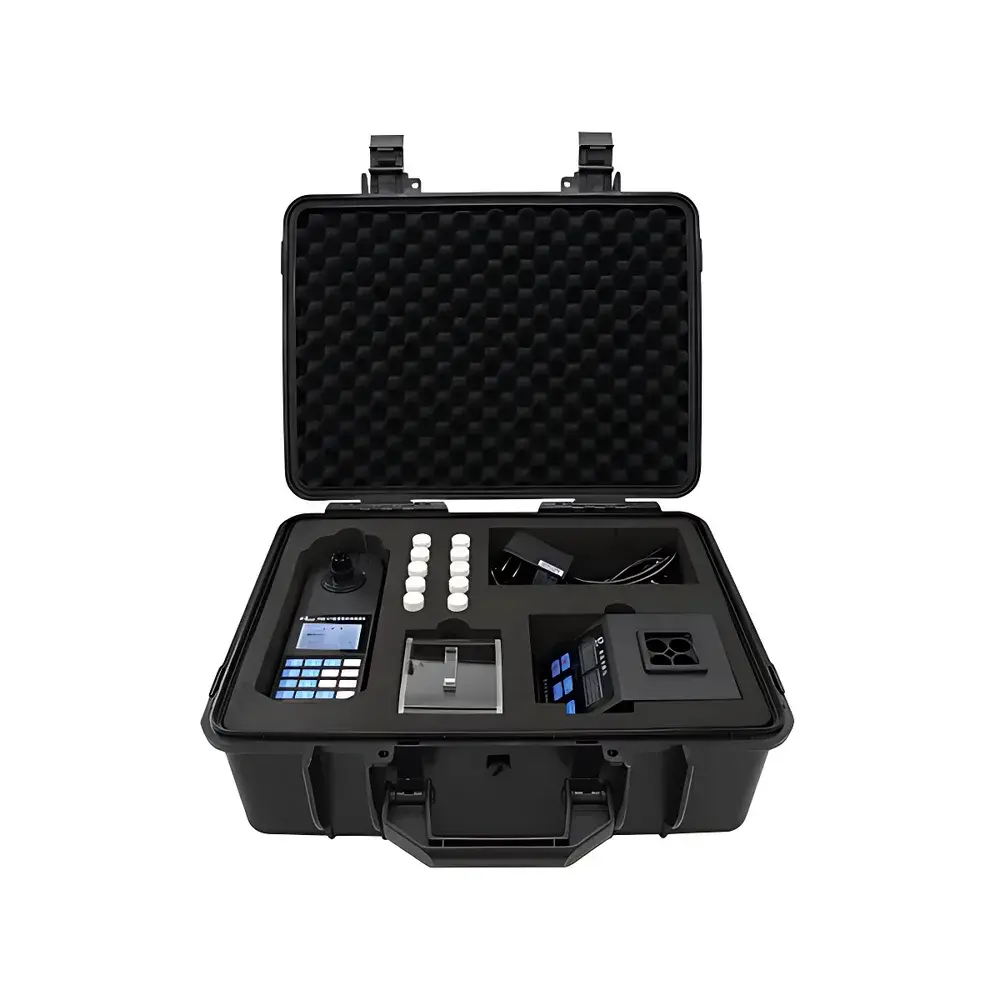
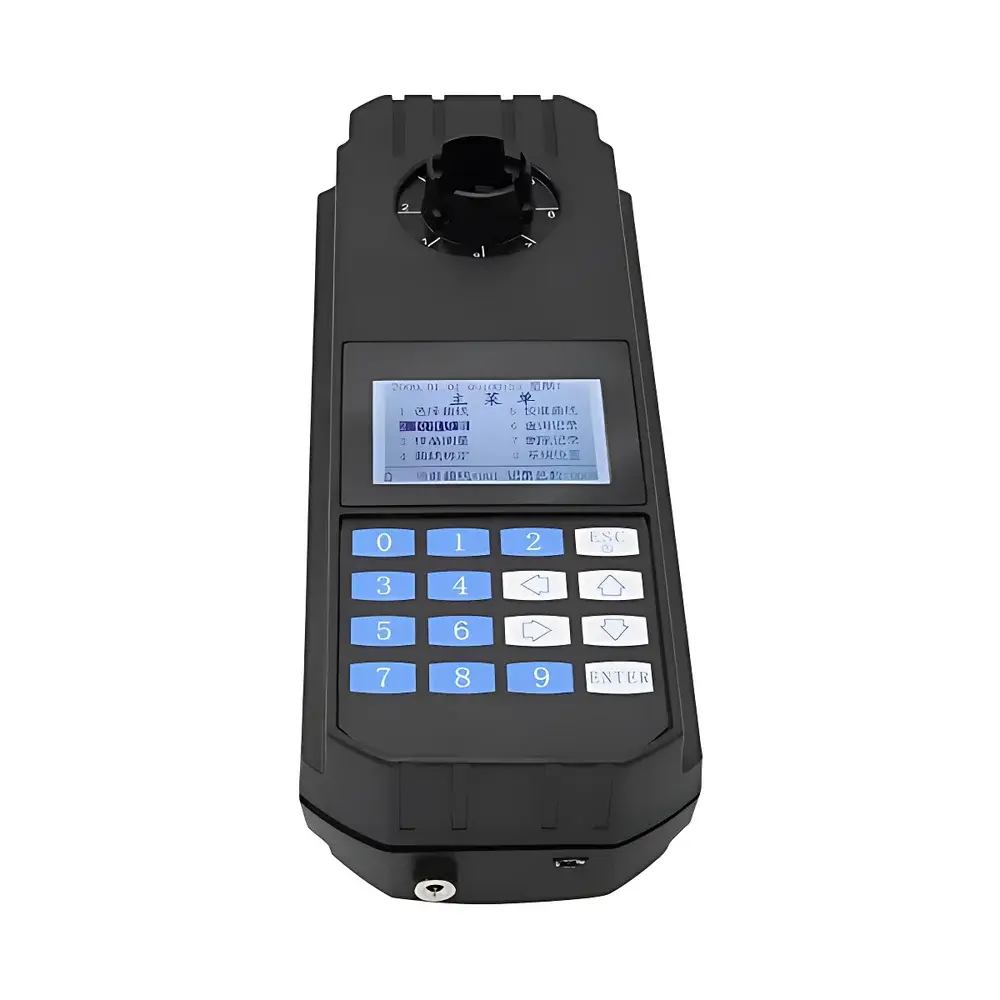
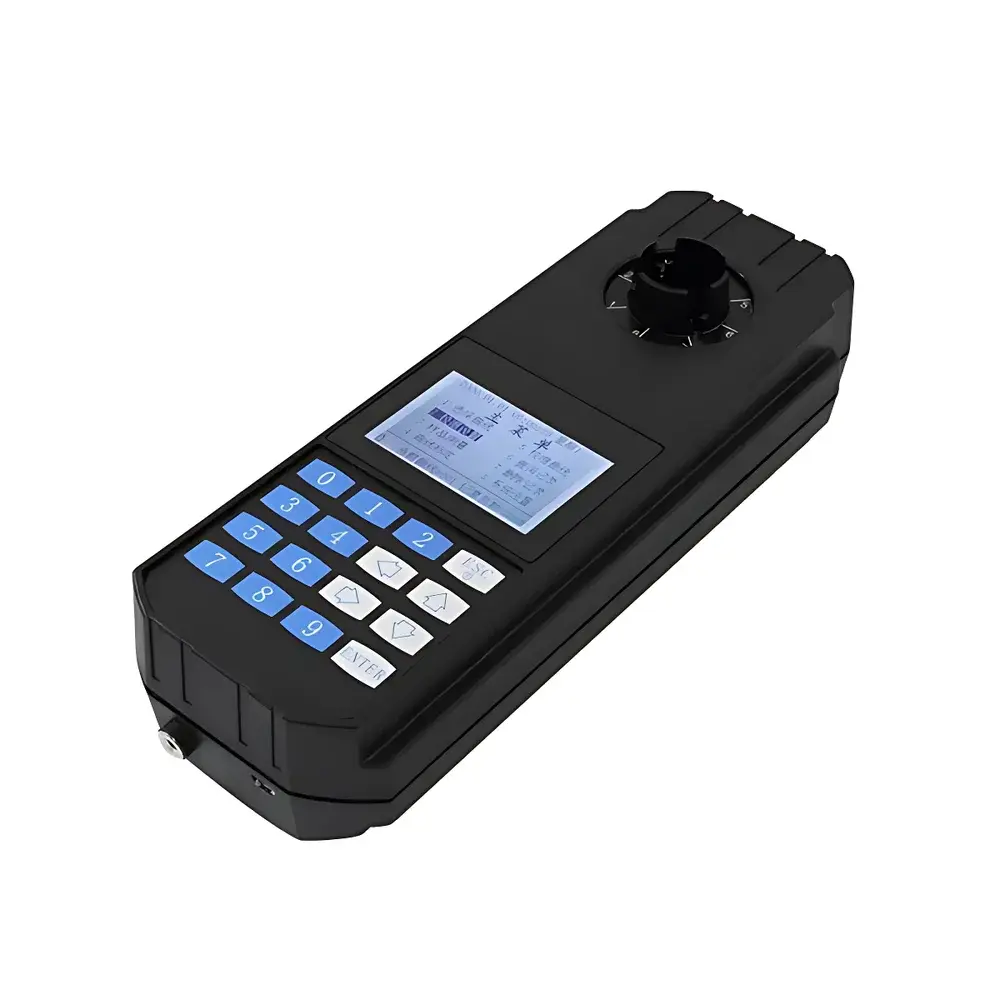
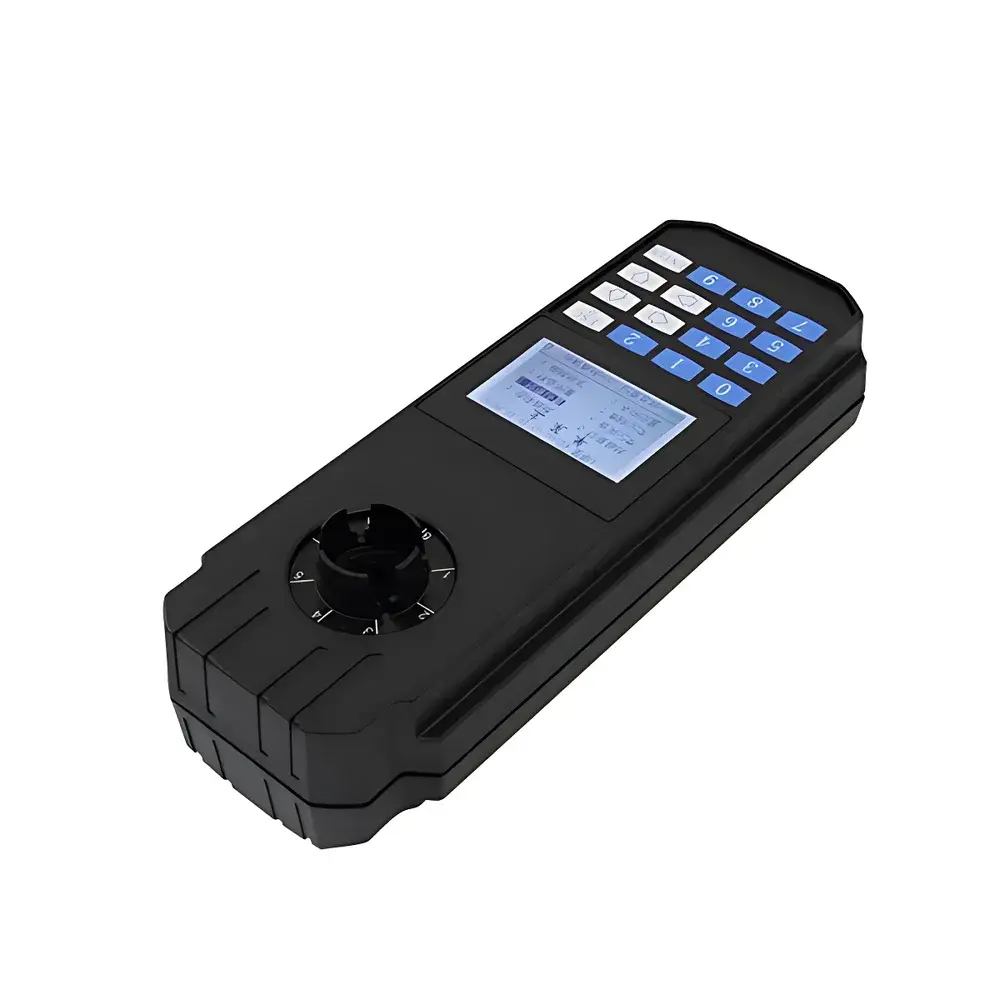
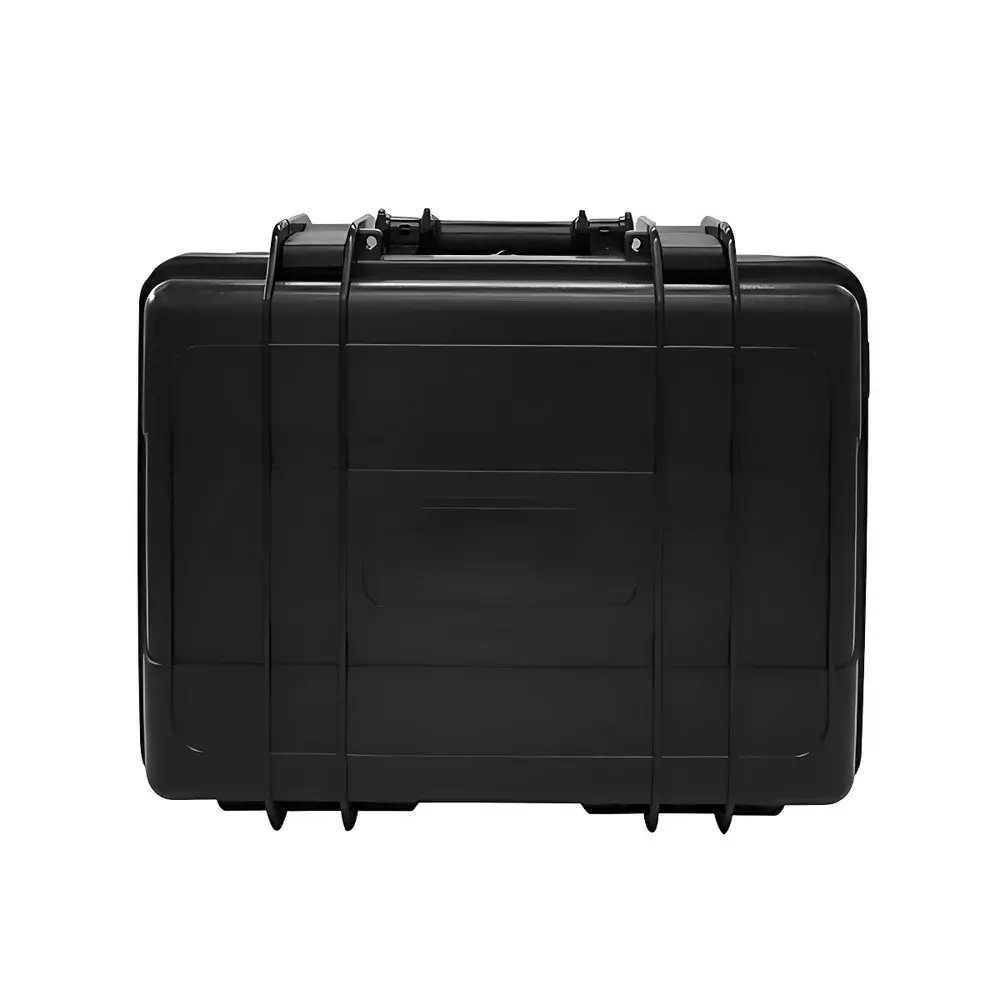
Shenchanghong PMULP-4C Portable Multi-Parameter Water Quality Analyzer
| Brand | Shenchanghong |
|---|---|
| Origin | Guangdong, China |
| Manufacturer Type | Direct Manufacturer |
| Product Origin | Domestic (China) |
| Model | PMULP-4C |
| Instrument Type | Portable / Handheld Water Quality Analyzer |
| Measurable Parameters | 30+ water quality parameters via customizable 4-channel photometric detection |
| Wavelength Options | 420, 440, 470, 510, 520, 540, 600, 610, 630, 660, or 700 nm (user-selectable 4 within range) |
| Wavelength Accuracy | ±1 nm (center wavelength) |
| Optical Stability | Absorbance drift < 0.002 A over 20 min |
| Dimensions | 80 mm × 230 mm × 55 mm |
| Weight | 4 kg |
| Data Storage | 10 calibration curves + 199 timestamped measurements (YYYY-MM-DD HH:MM:SS, absorbance, transmittance) |
| Enclosure | Molded ABS housing with IP65 rating |
| Interface | USB port for data export and PC connectivity |
| Display | Large LCD screen with intuitive menu navigation |
| Light Source | Stable cold LED source with narrow-band interference filters |
Overview
The Shenchanghong PMULP-4C is a portable, multi-parameter photometric water quality analyzer engineered for field-deployable, laboratory-grade accuracy in environmental monitoring, drinking water safety verification, wastewater treatment control, and source water surveillance. It operates on the principle of spectrophotometric analysis using narrow-band interference filter-based optical detection across four independently selectable wavelengths—enabling simultaneous or sequential quantification of up to 60 analytes (including CODMn, heavy metals, nutrients, disinfectants, and emerging contaminants) through standardized colorimetric and enzymatic methods. Unlike single-wavelength handheld meters, the PMULP-4C’s modular optical architecture supports method-specific wavelength assignment per test, eliminating manual filter changes and reducing cross-method interference. Its cold LED light source ensures thermal stability and long-term repeatability, while the ±1 nm wavelength tolerance meets ISO 7027 and ASTM D1253 requirements for turbidity and absorbance-based assays.
Key Features
- Four-user-configurable photometric channels with pre-aligned narrow-band interference filters—select any combination from 11 standard wavelengths (420–700 nm) to match APHA, ISO, or EPA-compliant test methods.
- Automated wavelength selection: instrument identifies optimal wavelength based on selected parameter and reagent chemistry—no manual calibration or alignment required before measurement.
- Optical system engineered for high reproducibility: absorbance drift ≤ 0.002 A over 20 minutes satisfies GLP-compliant stability criteria for routine field use.
- IP65-rated molded ABS enclosure: dust-tight and protected against low-pressure water jets—suitable for outdoor deployment in rain, humidity, or dusty environments.
- Timestamped data logging: stores 199 full measurement records with date/time stamp (year, month, day, hour, minute, second), absorbance, transmittance, and calculated concentration—fully traceable for audit purposes.
- USB interface compliant with CDC/NIOSH and WHO Field Data Collection Protocols: enables secure export of raw and processed data to Windows/Linux systems for integration into LIMS or regulatory reporting platforms.
- On-device storage of 10 user-defined calibration curves—supports multi-point linear/nonlinear calibrations per parameter, including batch-specific curve retention for QC/QA traceability.
Sample Compatibility & Compliance
The PMULP-4C accommodates standard 10–25 mm round or square cuvettes (including disposable plastic and quartz variants) and accepts liquid samples ranging from clarified surface water to pretreated wastewater effluents. It supports EPA Methods 365.4 (phosphate), 352.1 (nitrate), 365.2 (CODMn), ASTM D3370 (chlorine residual), ISO 6223 (free chlorine), and ISO 15705 (COD by permanganate oxidation). All listed parameters—including Cr(VI), As, Pb, Cd, Ni, Cu, Fe, Mn, F−, CN−, SO42−, NO3−-N, PO43−, ClO2, and NH2NH2—are validated per applicable national standard methodologies (e.g., HJ/T 399–2007, GB/T 5750.6–2023). The device complies with IEC 61000-4 electromagnetic immunity standards and carries CE marking for EMC and safety. While not FDA 21 CFR Part 11-certified out-of-the-box, its timestamped, non-editable data structure supports implementation of ALCOA+ principles (Attributable, Legible, Contemporaneous, Original, Accurate) under GxP-regulated operations when paired with controlled SOPs.
Software & Data Management
Data transfer occurs via standard USB 2.0 connection using vendor-provided Windows-compatible software (v3.2+), which provides CSV export, PDF report generation (with configurable header/footer), and batch calibration curve import/export. The software enforces read-only access to stored measurement history—preventing post-acquisition modification. Audit trail functionality logs all user actions (parameter selection, curve upload, zeroing, measurement execution) with timestamps and operator ID fields. For enterprise integration, the device supports MODBUS RTU protocol over USB-to-serial emulation, enabling direct ingestion into SCADA or cloud-based environmental monitoring platforms (e.g., AWS IoT Core, Azure IoT Hub) via custom middleware.
Applications
- Field validation of drinking water compliance with WHO Guidelines for Drinking-water Quality (GDWQ) and EU Directive 98/83/EC—especially for residual disinfectants (Cl2, ClO2, O3), heavy metals (Pb, As, Cr(VI)), and nitrate.
- Routine process monitoring in municipal wastewater plants: tracking nitrification/denitrification efficiency (NO3−-N, NO2−-N), phosphorus removal (PO43−), and sludge digestion indicators (S2−, NH3-N).
- Environmental impact assessments (EIA) and baseline surveys: rapid screening of surface/groundwater for priority pollutants under China’s “Blue Sky and Clear Water” initiative and U.S. Clean Water Act Section 303(d) listing protocols.
- Educational laboratories and training centers: modular wavelength configuration allows pedagogical demonstration of Beer-Lambert law, method interferences, and matrix effects in real-world water matrices.
- Emergency response teams: IP65 ruggedness and battery-powered operation (rechargeable Li-ion, >8 h runtime) support deployment during flood events, chemical spills, or post-disaster water safety verification.
FAQ
Can the PMULP-4C be used for regulatory reporting under EPA or ISO standards?
Yes—when operated with certified reagents and validated procedures (e.g., EPA 365.4 for phosphate), its photometric performance meets the precision and accuracy requirements of ISO/IEC 17025-accredited testing laboratories for non-certified field screening. Final compliance determination requires site-specific method validation per ISO/IEC 17025 Clause 7.2.
Is firmware upgrade supported remotely?
Firmware updates are delivered via USB-connected PC using the official Shenchanghong Configuration Tool; no internet connectivity or cloud dependency is required—ensuring air-gapped security for sensitive deployments.
What cuvette types are compatible?
Standard 10 mm pathlength glass or quartz cuvettes (round or square) and disposable 10 mm plastic cuvettes (UV-transparent grade recommended for low-absorbance measurements at 420 nm). Cuvette recognition is manual—users select pathlength in software prior to measurement.
Does the device support GLP audit trails?
While it does not provide electronic signatures or role-based access control, its immutable timestamped storage, operator-ID tagging (via optional keyboard input), and non-erasable calibration history meet foundational GLP data integrity expectations for field instruments under OECD Principles of Good Laboratory Practice.
How is calibration verified in the field?
Each parameter includes built-in zero and span verification routines using NIST-traceable standard solutions (e.g., potassium hydrogen phthalate for CODMn, potassium dichromate for Cr(VI)). Drift checks are automatically logged alongside every 20th measurement.
Related Products







