
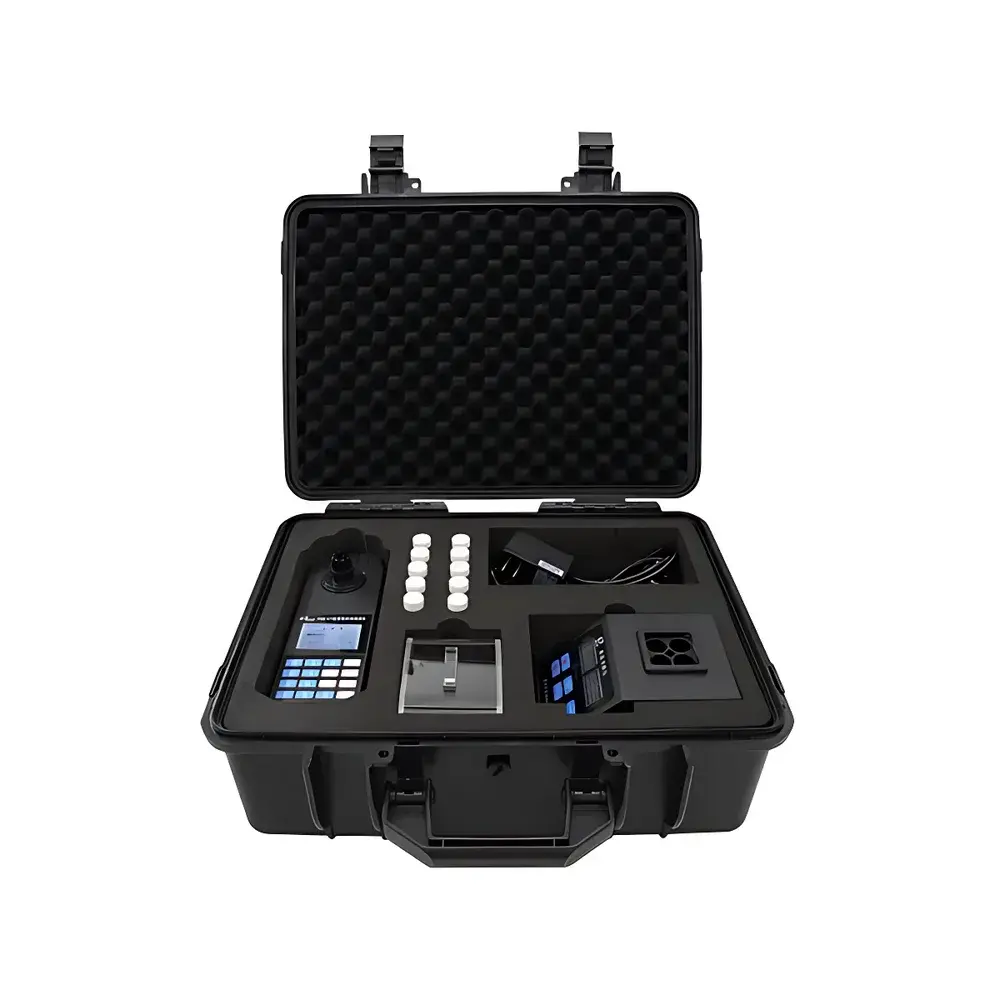
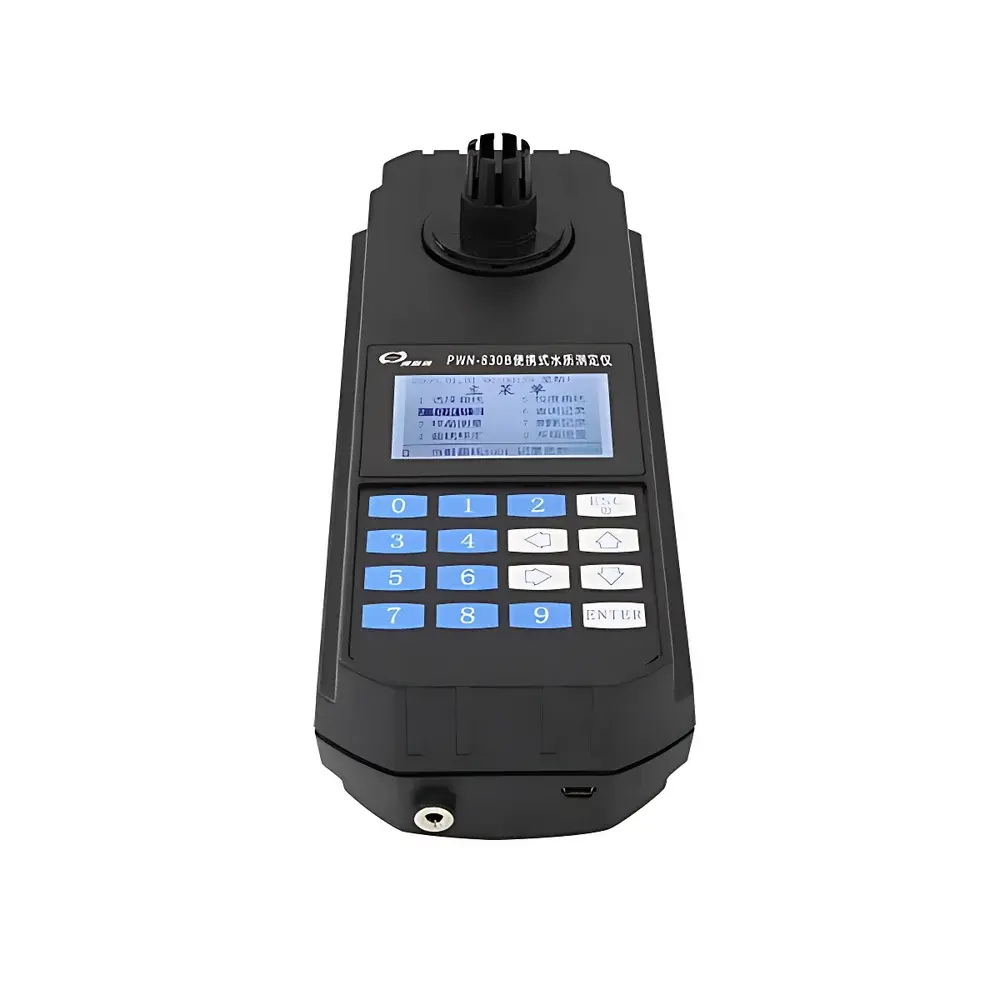
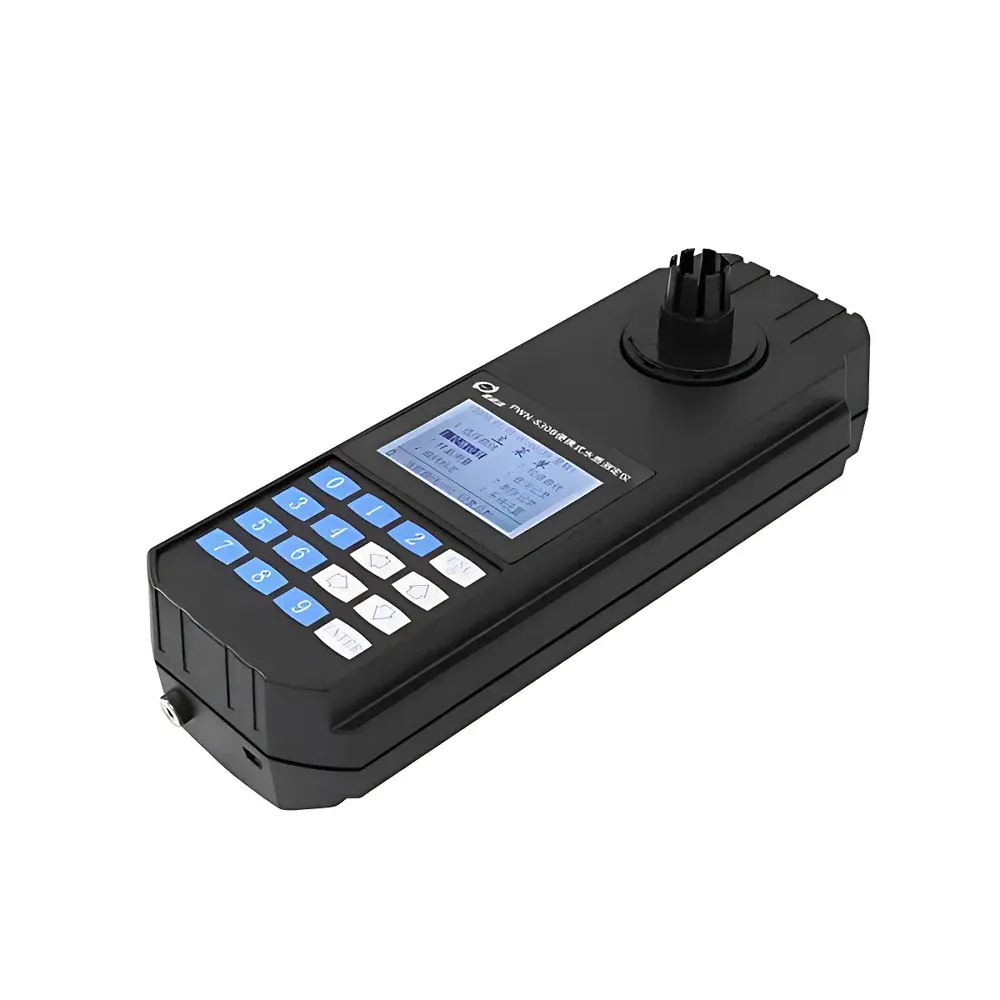
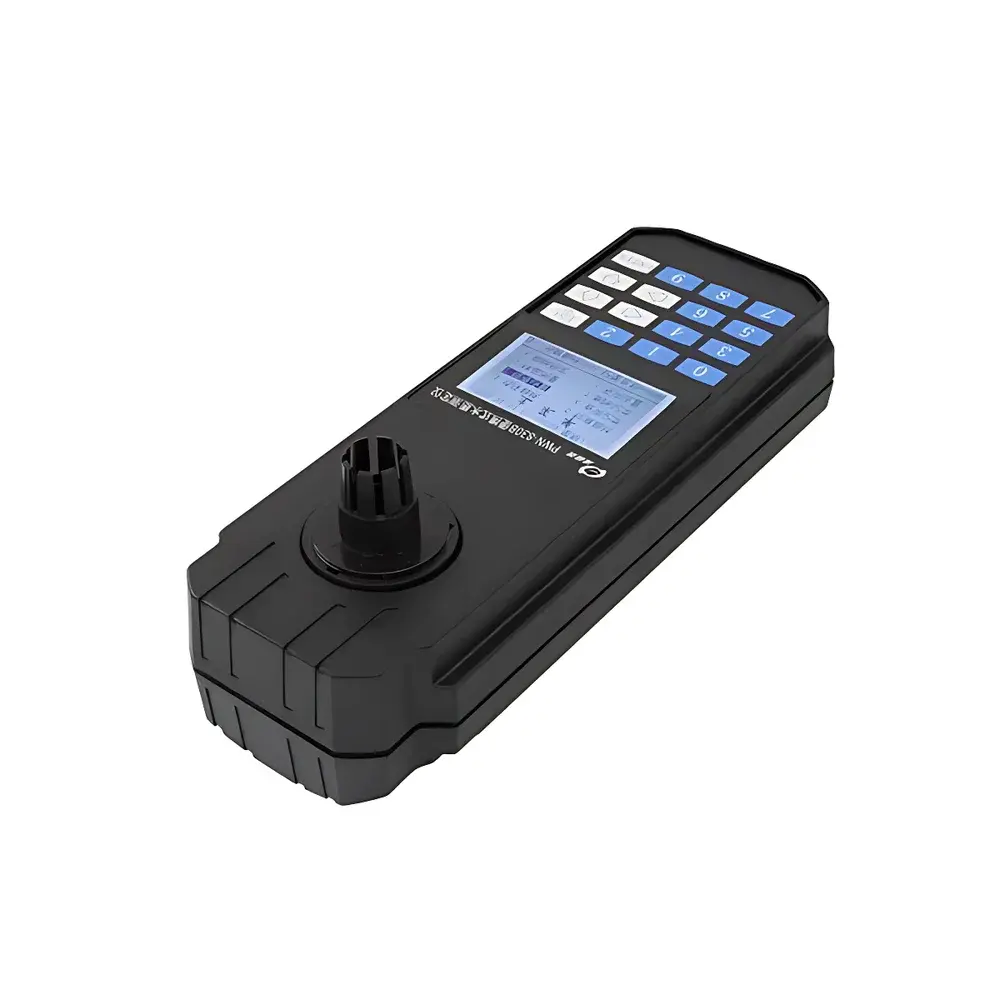
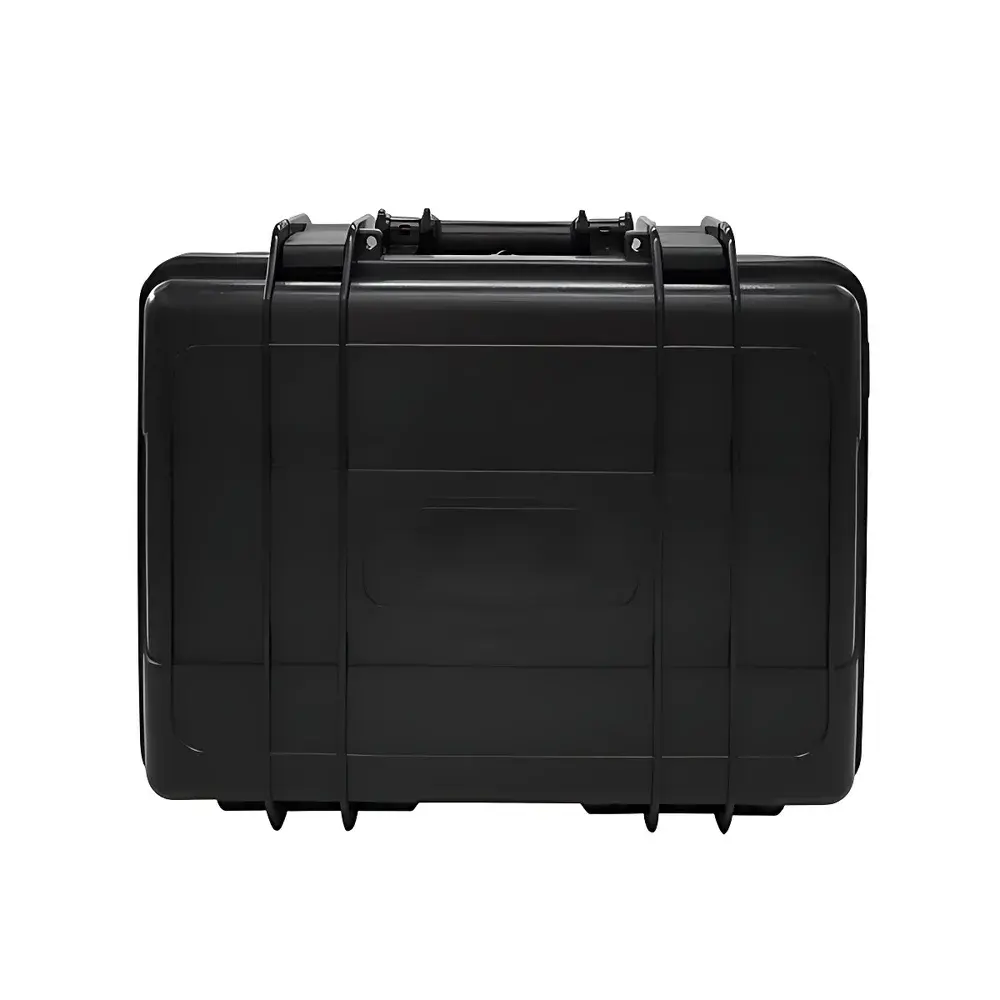
Shenchanghong PWN-830B Portable COD, Total Phosphorus & Total Nitrogen Analyzer
| Brand | Shenchanghong |
|---|---|
| Origin | Guangdong, China |
| Manufacturer Type | Manufacturer |
| Country of Origin | China |
| Model | PWN-830B |
| Instrument Type | Portable/HANDHELD Water Quality Analyzer |
| Measured Parameters | COD, Total Phosphorus, Total Nitrogen |
| Measurement Range (COD) | 0–2000 mg/L (dilution applicable) |
| Measurement Range (Total Phosphorus) | 0.00–10 mg/L |
| Measurement Range (Total Nitrogen) | 0.05–100 mg/L |
| Accuracy (COD) | ≤ ±5% |
| Accuracy (Total Phosphorus) | ≤ ±5% or ±0.2 mg/L (whichever is greater) |
| Accuracy (Total Nitrogen) | ≤ ±5% |
| Repeatability | ≤ 3% |
| Optical Drift | < 0.002 A within 20 min |
| Chloride Interference Tolerance (COD) | ≤ 2000 mg/L |
| Dimensions (Analyzer) | 80 mm × 230 mm × 55 mm |
| Dimensions (Digestion Unit) | 105 mm × 160 mm × 90 mm |
Overview
The Shenchanghong PWN-830B is a field-deployable, integrated water quality analyzer engineered for simultaneous quantification of Chemical Oxygen Demand (COD), Total Phosphorus (TP), and Total Nitrogen (TN) in freshwater, wastewater, surface water, and effluent samples. It operates on the principle of spectrophotometric analysis following standardized colorimetric digestion protocols: dichromate oxidation for COD (in accordance with ISO 6060 and HJ 828-2017), ammonium molybdate–ascorbic acid reduction for TP (aligned with ISO 6878 and HJ 671-2013), and alkaline potassium persulfate UV digestion followed by spectrophotometric detection at 220 nm and 275 nm for TN (per HJ 636-2012). The instrument employs a cold light source and narrow-band interference optical system to ensure long-term photometric stability and minimize spectral drift—critical for regulatory-compliant field measurements where laboratory-grade reproducibility is required under non-controlled ambient conditions.
Key Features
- Modular architecture: Independent digestion unit and analyzer head eliminate thermal cross-interference, preserving optical integrity and measurement accuracy during concurrent operation.
- PID-controlled digestion block with real-time temperature monitoring and automatic timing ensures consistent reaction kinetics across all three analytes—meeting method-defined digestion profiles (e.g., 150 °C/2 h for COD; 125 °C/30 min for TN).
- Ultra-low-power 16-bit microcontroller architecture enables >6 months of standby operation on internal rechargeable battery, supporting extended off-grid deployments without performance compromise.
- IP65-rated ABS housing provides dust-tight and water-jet resistant protection—validated for outdoor use in rain, high humidity, and variable ambient temperatures (0–40 °C operating range).
- Onboard data management: Stores up to 30 user-defined calibration curves and 199 timestamped measurement records (including absorbance, transmittance, concentration, and full UTC time stamp: yyyy-mm-dd hh:mm:ss).
- Dual power flexibility: Operates via built-in battery or external 12 V DC input (included AC/DC adapter), enabling seamless transition between vehicle-mounted, solar-charged, or mains-powered configurations.
Sample Compatibility & Compliance
The PWN-830B is validated for use with raw, filtered, and clarified aqueous matrices typical of municipal wastewater influent/effluent, river/lake monitoring stations, agricultural runoff, and industrial discharge points. Its chloride tolerance of ≤2000 mg/L for COD determination mitigates common interferences in saline-influenced samples without requiring pretreatment. All optical and electrochemical components comply with IEC 61326-1:2013 (EMC requirements for laboratory equipment) and IEC 61010-1:2010 (safety standards for electrical equipment). Method-specific performance aligns with Chinese EPA standard methods (HJ 828-2017, HJ 671-2013, HJ 636-2012) and supports traceability to ISO-certified reference materials (CRM) for routine verification.
Software & Data Management
Data export is supported via USB 2.0 interface to Windows-based PCs running Shenchanghong’s proprietary DataLink software (v3.2+), which enables batch report generation compliant with GLP documentation requirements—including audit trails, user login logs, and electronic signatures. Raw absorbance values, calibration history, and QC check results are exportable in CSV and PDF formats. The system supports 21 CFR Part 11–compatible configuration when deployed with validated software deployment and access control policies—suitable for regulated environmental laboratories conducting third-party compliance testing.
Applications
- Routine field screening of wastewater treatment plant influent, activated sludge, and final effluent for regulatory reporting (e.g., discharge permit compliance under local environmental statutes).
- Real-time monitoring of eutrophication indicators (TP/TN) in lakes, reservoirs, and coastal zones during seasonal bloom assessment campaigns.
- Emergency response deployments for post-spill or floodwater analysis where rapid COD/TP/TN triage informs containment and remediation decisions.
- Educational and research applications in environmental science programs requiring portable, method-validated instrumentation for student-led water quality surveys.
- Contract laboratory mobile units performing multi-site sampling under ISO/IEC 17025-accredited workflows.
FAQ
Does the PWN-830B require annual recalibration by an authorized service center?
No—users may perform full optical and electrochemical verification using NIST-traceable CRMs and factory-provided calibration kits. Annual verification is recommended but not mandatory unless specified by internal QA protocols or client contract requirements.
Can the instrument store custom calibration curves developed with non-standard reagents?
Yes—up to 30 user-defined curves can be imported or manually entered, including slope/intercept parameters and wavelength-specific coefficients, provided they conform to Beer-Lambert linearity assumptions.
Is the digestion unit compatible with alternative tube formats (e.g., 16 mm round tubes)?
No—the PWN-830B digestion block is mechanically optimized for the supplied 16×100 mm digestion cuvettes (30 included); use of non-specified tubes compromises thermal uniformity and invalidates certified method performance.
What is the minimum detectable concentration for total nitrogen?
Based on method validation per HJ 636-2012, the practical limit of quantitation (LOQ) is 0.05 mg/L TN, verified using blank-subtracted absorbance measurements at 220 nm with dual-wavelength correction.
How is data integrity ensured during USB transfer?
All USB transfers initiate a CRC-32 checksum handshake; corrupted packets trigger automatic retransmission. Internal flash memory uses wear-leveling algorithms to prevent data loss over ≥10,000 write cycles.
Related Products







