
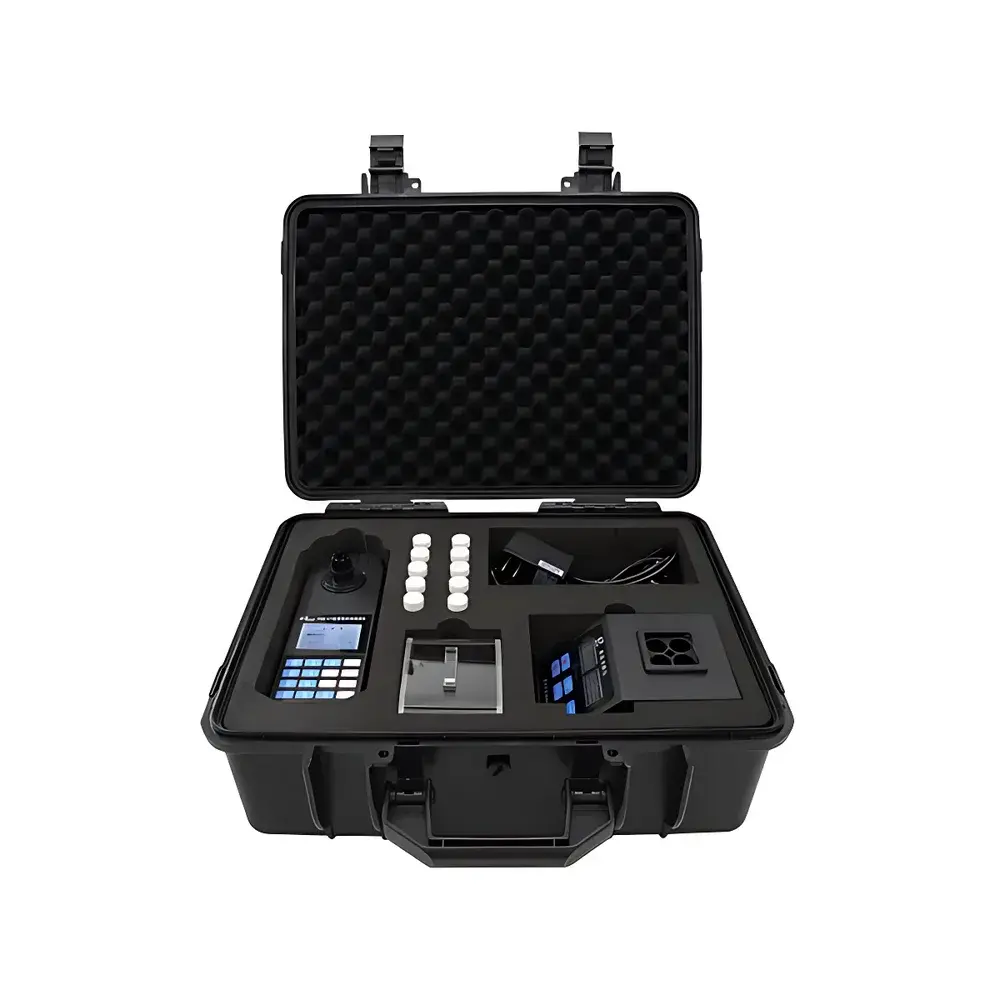
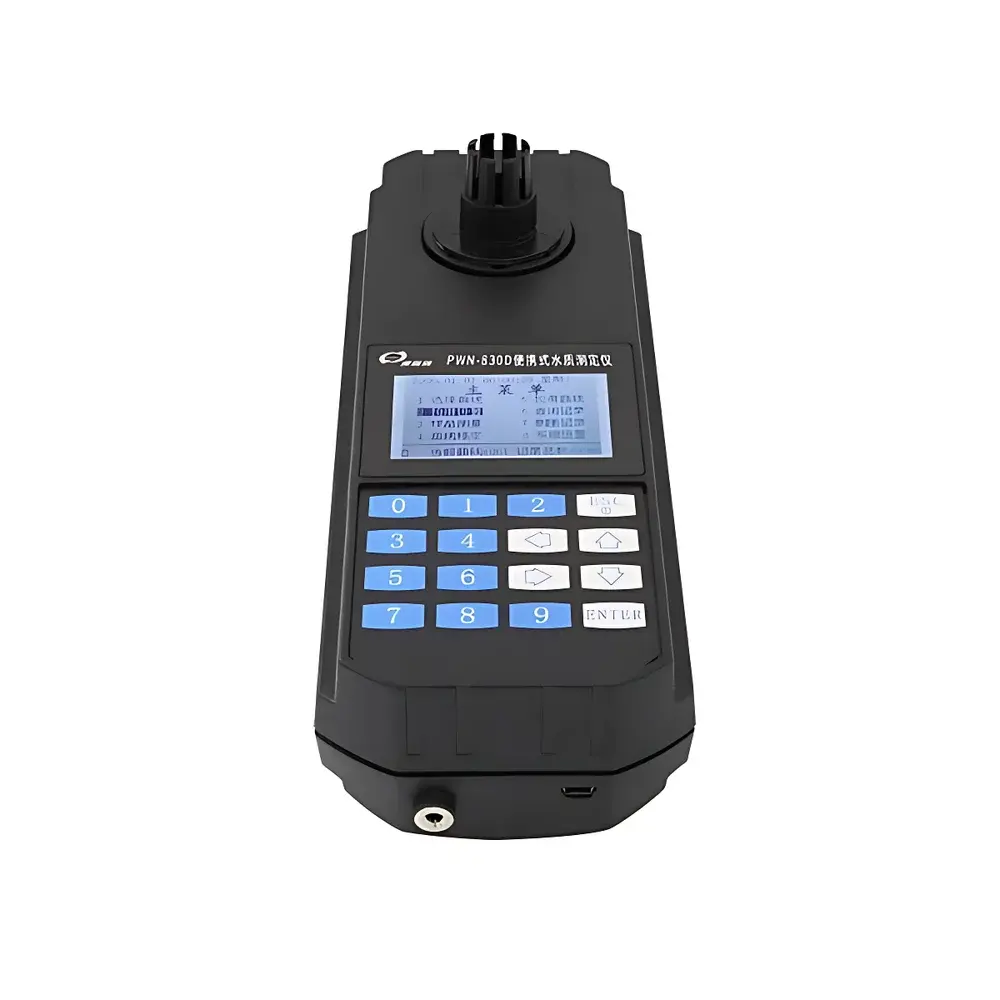
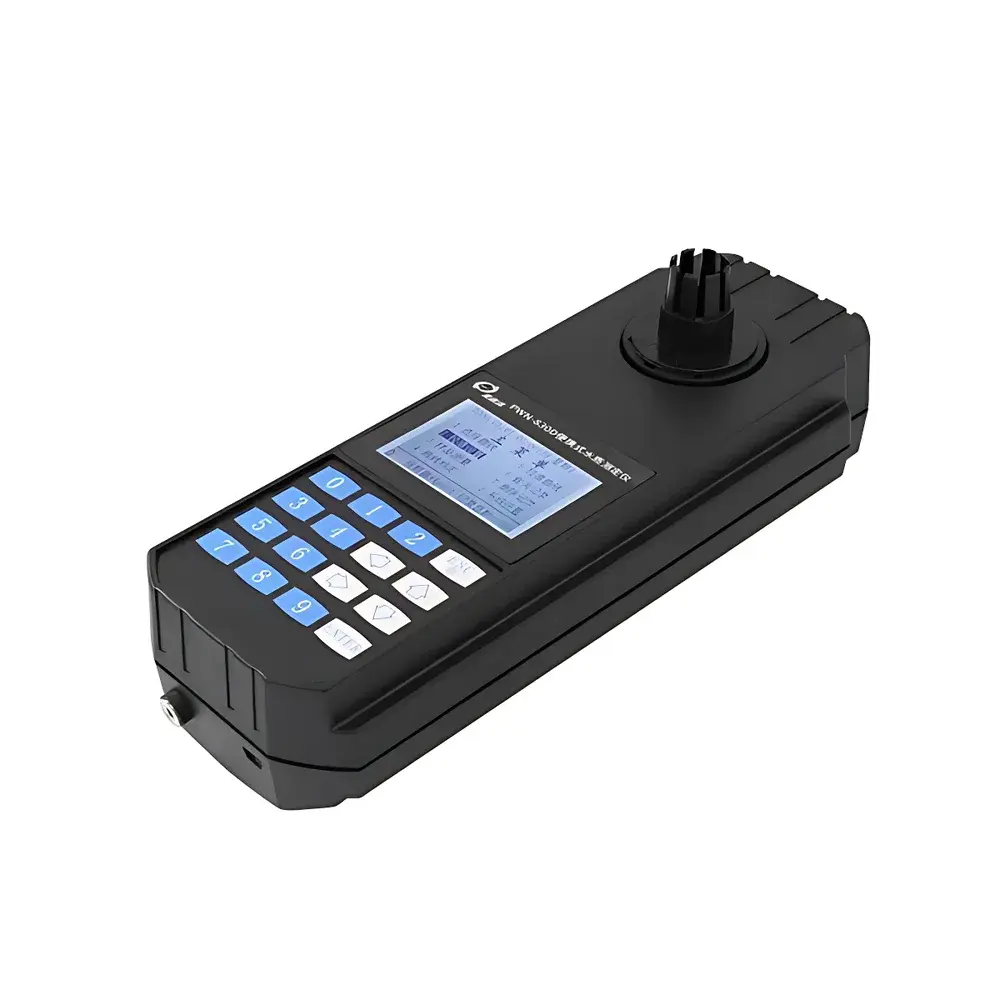
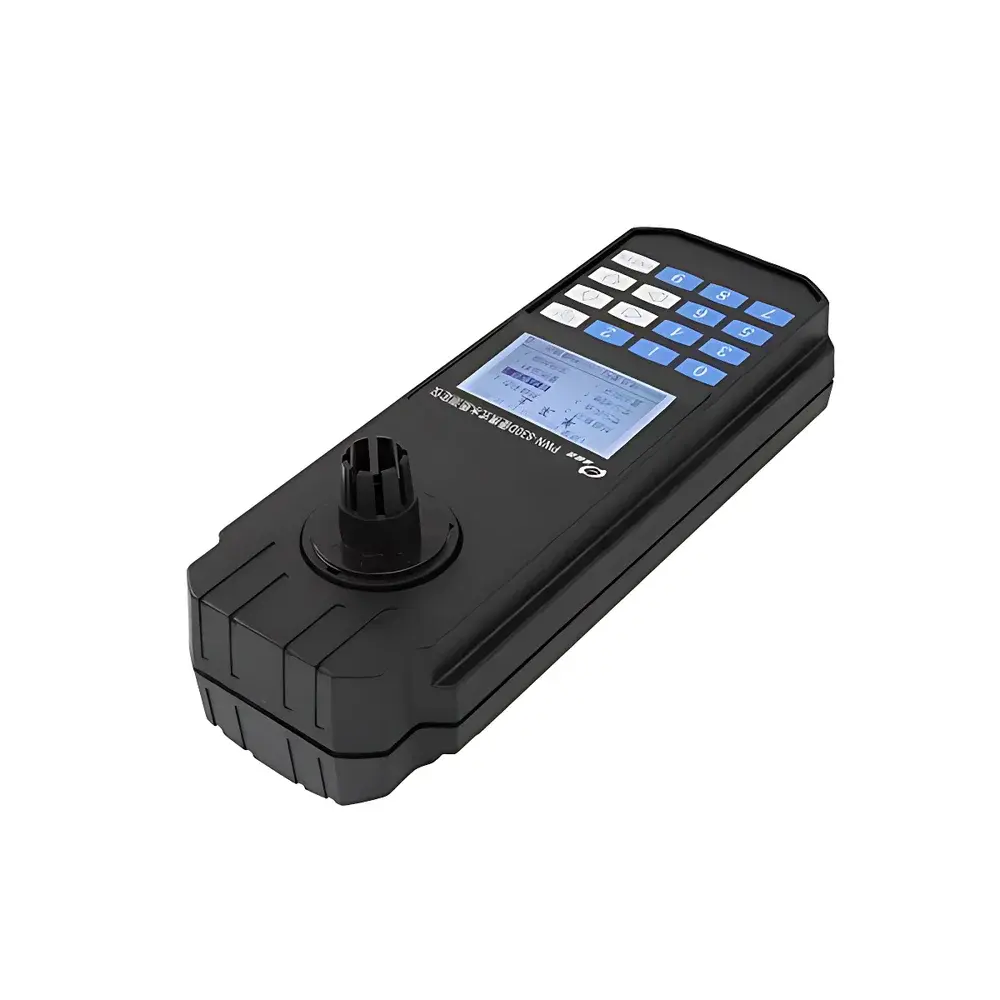
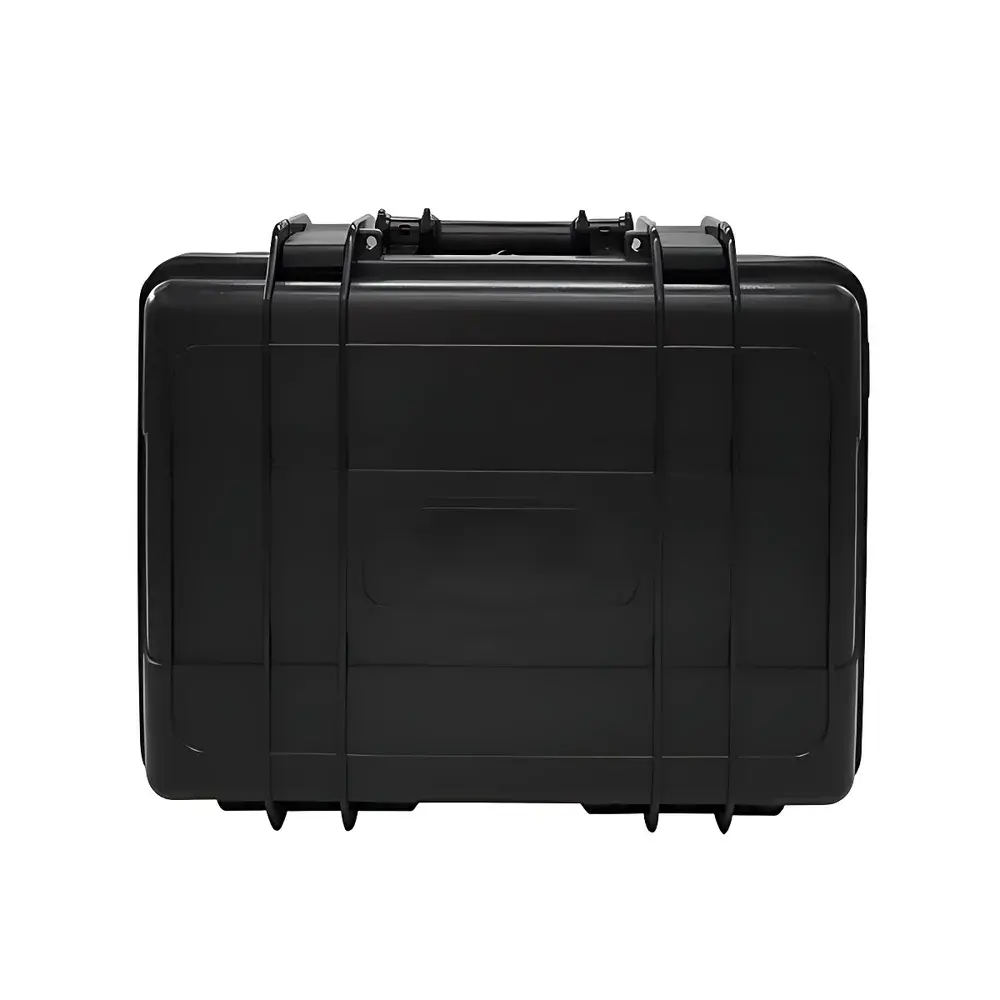
Shenchanghong PWN-830D Portable Multi-Parameter Water Quality Analyzer for Ammonia Nitrogen, Total Phosphorus, and Total Nitrogen
| Brand | Shenchanghong |
|---|---|
| Origin | Guangdong, China |
| Manufacturer Type | Direct Manufacturer |
| Country of Origin | China |
| Model | PWN-830D |
| Instrument Type | Portable / Handheld Water Quality Analyzer |
| Measured Parameters | COD, Ammonia Nitrogen (NH₃-N), Total Phosphorus (TP), Total Nitrogen (TN) |
| Measurement Range | NH₃-N: 0.02–25 mg/L |
| TP | 0.00–10 mg/L |
| TN | 0.05–100 mg/L |
| Accuracy | NH₃-N: ≤±3% ±0.2 mg/L |
| TP | ≤±5% ±0.2 mg/L |
| TN | ≤±5% |
| Repeatability | ≤3% |
| Optical Drift | <0.002 A in 20 min |
| Chloride Interference Tolerance (for COD) | ≤2000 mg/L |
| Dimensions (Analyzer) | 80 × 230 × 55 mm |
| Dimensions (Digester) | 105 × 160 × 90 mm |
| Enclosure Rating | IP65 |
| Data Storage | 30 calibration curves + 199 timestamped measurement records (including absorbance, transmittance, and full datetime stamp) |
| Power | Rechargeable battery with >6 months standby life (low-power 16-bit MCU) |
Overview
The Shenchanghong PWN-830D is a field-deployable, multi-parameter water quality analyzer engineered for rapid, on-site quantification of key nutrient and organic pollution indicators—specifically ammonia nitrogen (NH₃-N), total phosphorus (TP), total nitrogen (TN), and chemical oxygen demand (COD)—in freshwater, wastewater, surface water, and treated effluent. It operates on the principle of spectrophotometric analysis using pre-optimized colorimetric reaction chemistries: indophenol blue for NH₃-N, ammonium molybdate–ascorbic acid for TP, alkaline potassium persulfate digestion followed by UV spectrophotometry for TN, and dichromate digestion for COD. The instrument integrates a precision optical system featuring cold-light LED sources and narrow-band interference filters to ensure stable photometric performance under variable ambient conditions. Its compact, handheld form factor—combined with an integrated 4-position digital digester—enables complete sample preparation and analysis within minutes without laboratory infrastructure.
Key Features
- Modular architecture: Independent digester unit prevents thermal cross-interference during photometric measurement, preserving analytical accuracy and repeatability.
- PID-controlled digester with programmable temperature (up to 165 °C) and timing (1–999 min), ensuring consistent digestion efficiency across NH₃-N, TP, and TN protocols per standard methods (e.g., HJ 535–2009, HJ 671–2013, HJ 636–2012).
- Ultra-low-power 16-bit microcontroller architecture delivers >6 months of standby operation on a single charge—critical for extended field campaigns or remote monitoring stations.
- IP65-rated ABS housing provides robust protection against dust ingress and water splashing, meeting operational requirements for outdoor, mobile, or emergency response use.
- Cold-light optical system with drift-compensated detection ensures absorbance stability <0.002 A over 20 minutes—reducing recalibration frequency and improving inter-day reproducibility.
- Comprehensive data management: Stores up to 30 user-defined calibration curves and 199 fully timestamped results (YYYY-MM-DD hh:mm:ss), including absorbance, transmittance, and calculated concentration values.
- USB 2.0 interface supports direct data transfer to Windows-based PCs for traceable reporting, audit-ready record archiving, or integration into LIMS environments.
Sample Compatibility & Compliance
The PWN-830D is validated for aqueous matrices including drinking water, river/lake water, municipal and industrial wastewater, aquaculture systems, and stormwater runoff. It accommodates standard 16-mm glass or quartz digestion tubes (30 provided) and complies with Chinese environmental monitoring standards: HJ 535–2009 (ammonia nitrogen), HJ 671–2013 (total phosphorus), HJ 636–2012 (total nitrogen), and HJ 828–2017 (COD). While not certified to ISO/IEC 17025 or EPA methods out-of-the-box, its optical and thermal performance parameters align with the technical expectations of ISO 7027 (turbidity), ISO 6060 (COD), and ISO 15681-1 (phosphorus) for field screening applications. Chloride tolerance up to 2000 mg/L enables reliable COD determination in moderately saline or coastal influents without pretreatment.
Software & Data Management
Data integrity is maintained through built-in non-volatile memory with automatic power-fail recovery—ensuring no loss of calibration curves or measurement records during unexpected shutdowns. Each stored result includes full temporal metadata (year, month, day, hour, minute, second), enabling chronological trend analysis and regulatory traceability. USB connectivity allows export of CSV-formatted datasets compatible with Excel, MATLAB, or laboratory informatics platforms. Though the device does not include embedded GLP/GMP-compliant audit trail software, its timestamped, immutable records support documentation practices required under ISO/IEC 17025 Clause 7.7 and China’s CNAS-CL01:2018 guidelines for field testing. Optional firmware updates may be deployed via USB to expand method libraries or enhance data security features.
Applications
- Routine field verification of wastewater treatment plant effluent compliance with discharge limits for NH₃-N, TP, and TN.
- Real-time assessment of eutrophication risk in lakes, reservoirs, and rivers during seasonal monitoring programs.
- Emergency response to accidental spills or agricultural runoff events requiring immediate nutrient load estimation.
- Validation of decentralized water treatment units (e.g., constructed wetlands, MBR systems) where lab access is limited.
- Educational fieldwork and undergraduate environmental science laboratories emphasizing method standardization and field-to-lab correlation.
- Regulatory inspections conducted by provincial ecological environment bureaus under China’s “Blue Sky and Clear Water Protection Campaign” framework.
FAQ
What digestion temperature and time are recommended for total nitrogen analysis?
For total nitrogen, the standard protocol requires alkaline potassium persulfate digestion at 120–124 °C for 30 minutes. The PWN-830D digester is calibrated to maintain this range with ±0.5 °C accuracy.
Can the instrument store custom calibration curves for non-standard reagents?
Yes—up to 30 user-defined curves can be saved, each with slope, intercept, and R² values. Curve validation requires at least three concentration points per batch.
Is the device suitable for seawater analysis?
It is not optimized for high-salinity matrices (>5000 mg/L Cl⁻); chloride interference exceeds specification above 2000 mg/L for COD, and ionic strength may affect NH₃-N color development. Dilution and matrix-matched calibration are advised.
Does the PWN-830D meet FDA 21 CFR Part 11 requirements?
No—the device lacks electronic signature capability, role-based access control, and automated audit trails required for Part 11 compliance. It is intended for environmental field screening, not pharmaceutical QC.
How often must the optical system be recalibrated?
Factory calibration remains stable for ≥12 months under normal use. Field verification with blank and mid-range standard is recommended before each sampling session.
Related Products







