
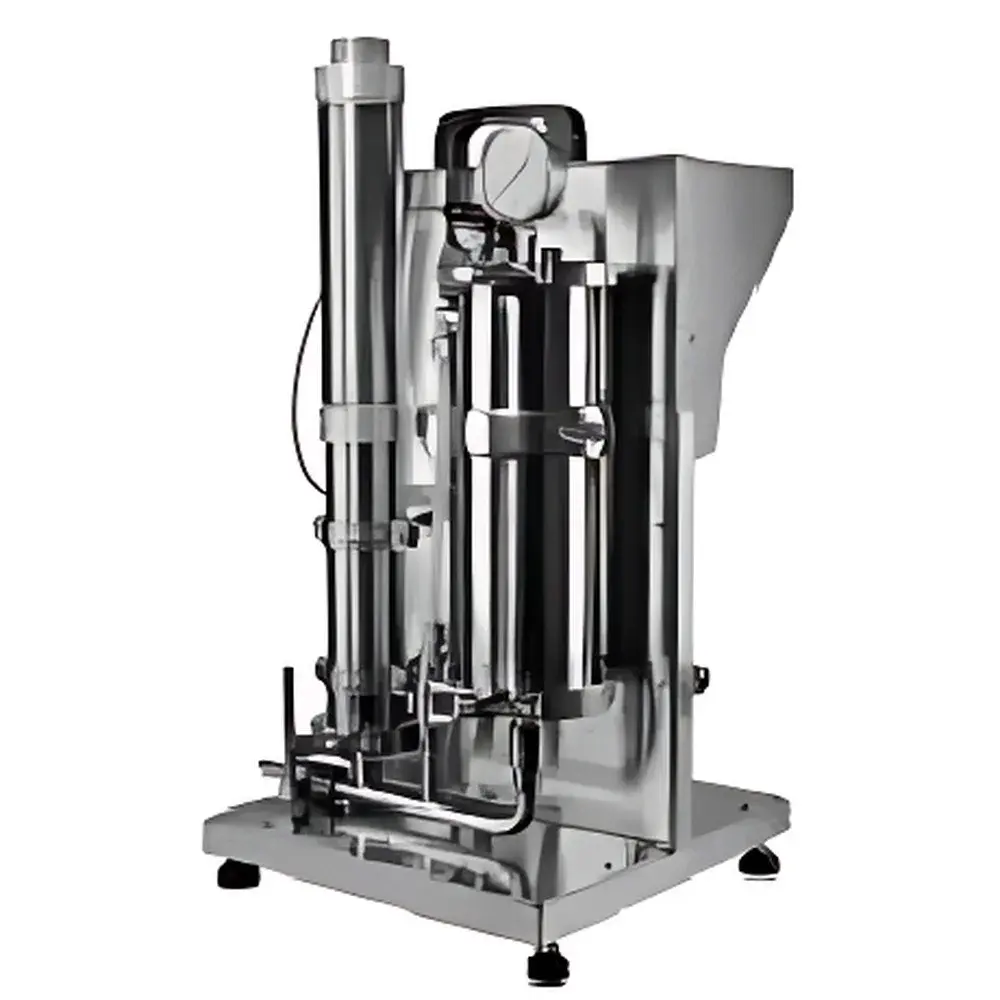
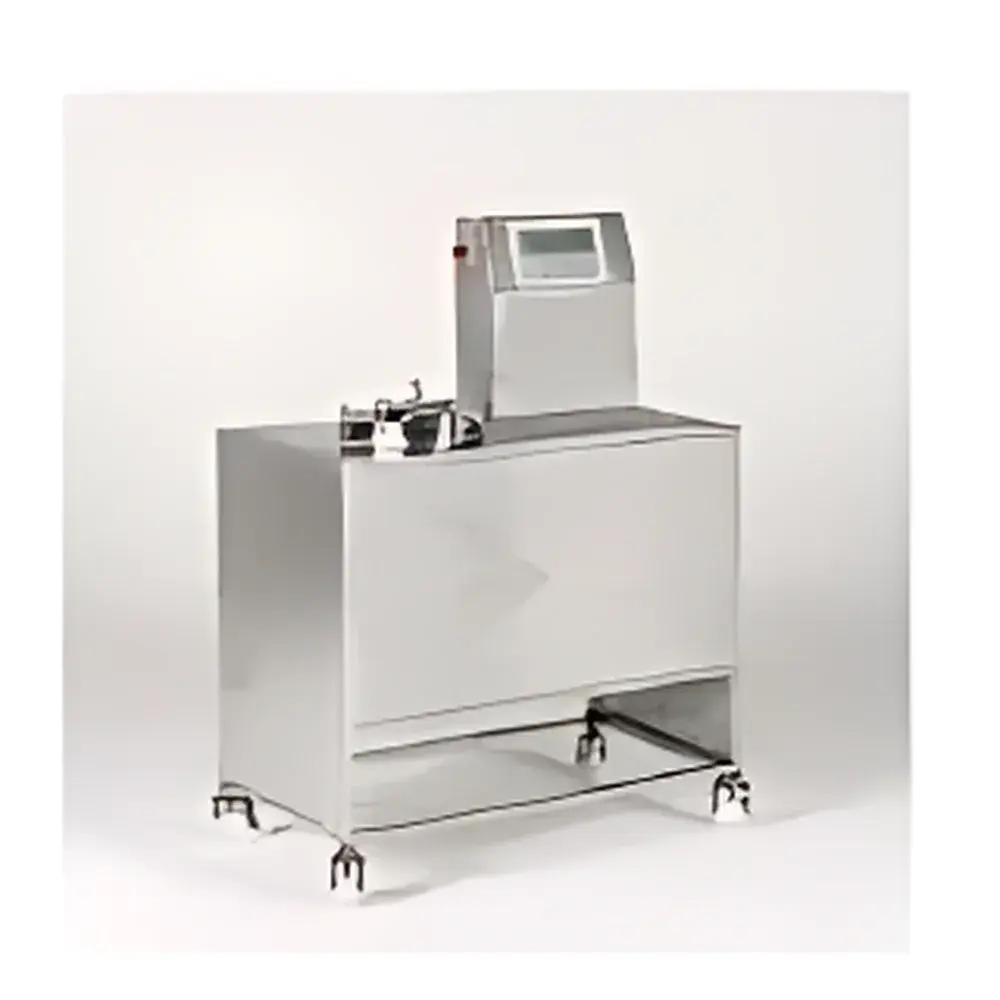
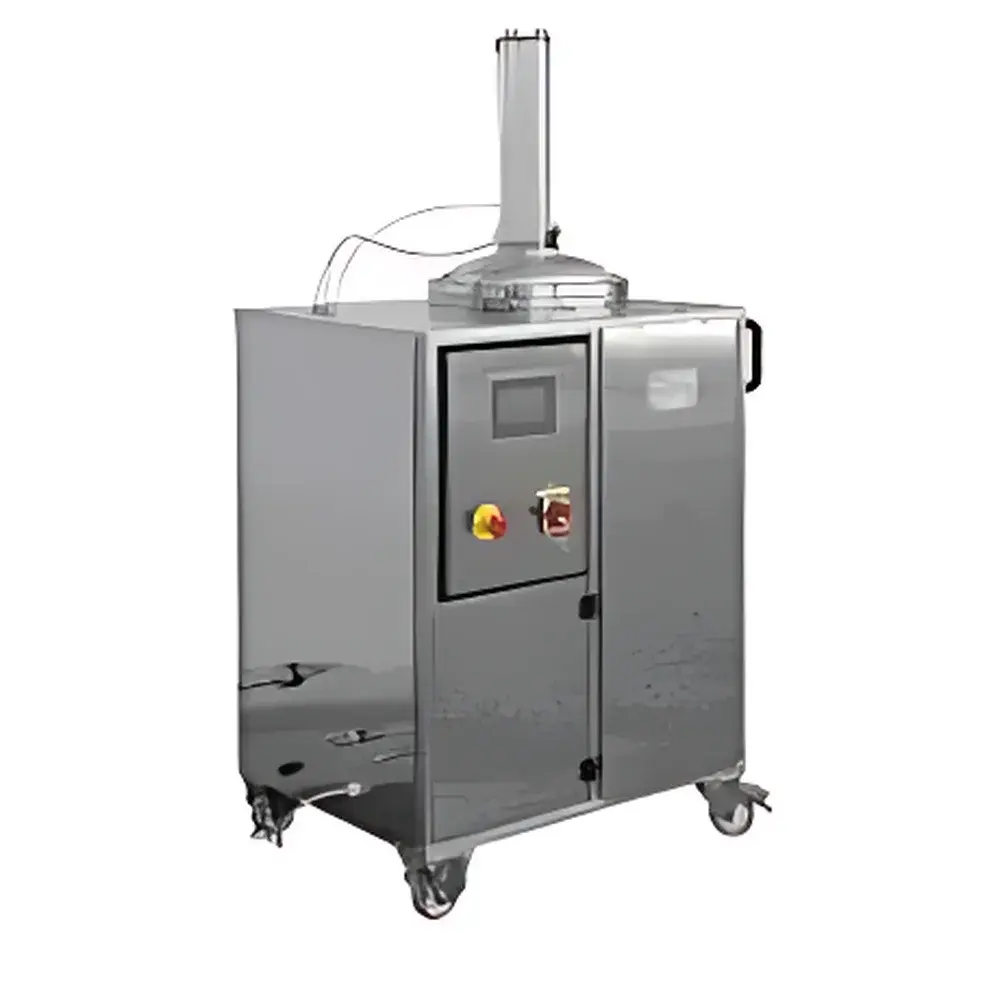
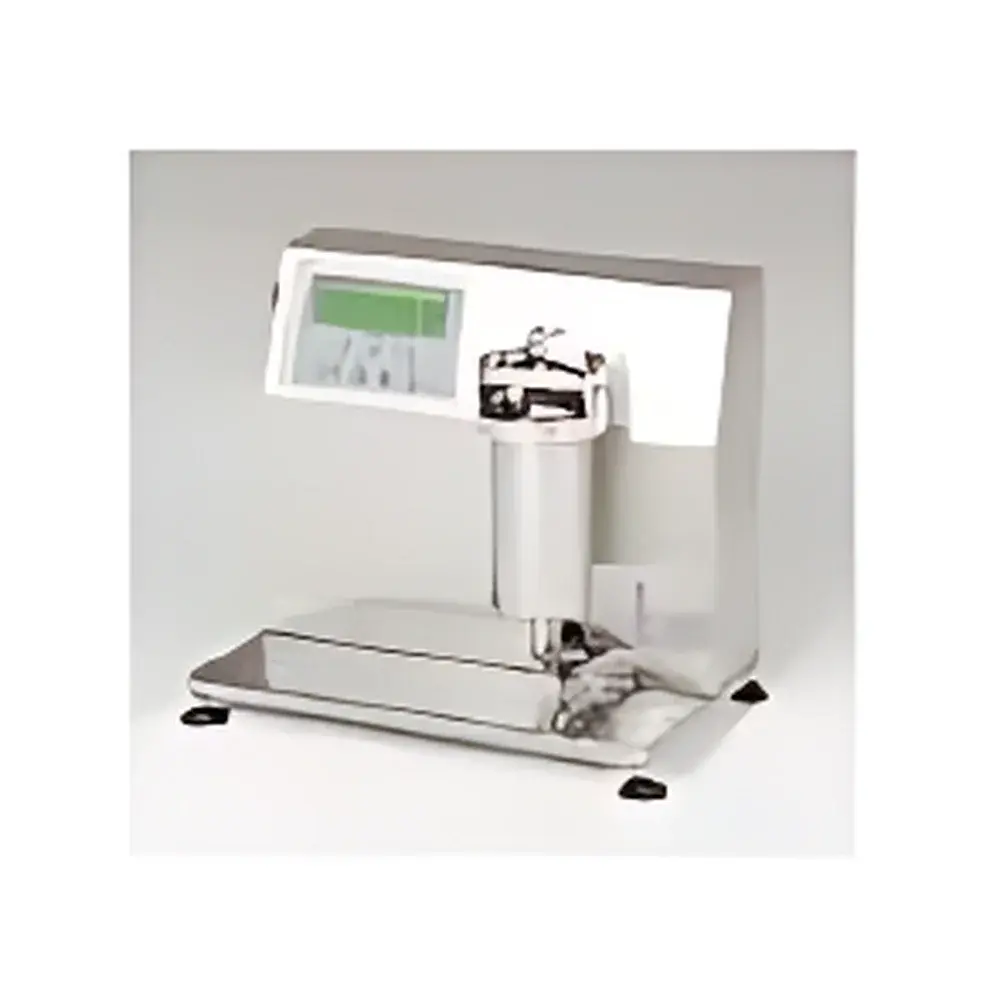
GLOBUS MOD Series Accelerated Solvent Extractor for Natural Products
| Brand | GLOBUS |
|---|---|
| Origin | Italy |
| Manufacturer Type | Authorized Distributor |
| Category | Imported Instrument |
| Model | MOD Series (Lab-to-Industrial Scale) |
| Instrument Type | Liquid-Liquid Extraction |
| Temperature Range | 5–45 °C |
| Pressure Control | Programmable (Optional Pressure/Depressurization Cycles) |
| Extraction Vessel Volume | 0.5–200 L |
| Sample Position | 1 |
| Dimensions | Configurable per Model |
| Compliance | CE, ISO 9001, Designed for GLP/GMP-Ready Environments |
Overview
The GLOBUS MOD Series Accelerated Solvent Extractor is an engineered solution for the selective, low-temperature, and pressure-modulated extraction of thermolabile bioactive compounds from botanical matrices. Unlike conventional Soxhlet or maceration systems, this system operates on a dual-mode principle—alternating between static immersion and dynamic forced-percolation under programmable pressure gradients. This enables efficient mass transfer while preserving oxidation-sensitive phytochemicals (e.g., polyphenols, terpenoids, alkaloids, and volatile oils) without thermal degradation. The process does not rely on elevated temperatures; instead, it leverages controlled compression and decompression cycles to enhance solvent penetration, interstitial flow, and solute desorption from complex plant tissues—including roots, bark, seeds, and fibrous leaves. As a result, the MOD Series delivers high-fidelity extracts suitable for pharmaceutical-grade active ingredient isolation, nutraceutical development, and analytical reference standard preparation.
Key Features
- Programmable pressure modulation: Independent control of pressurization, dwell, depressurization, and percolation phases across up to 99 sequential steps per cycle
- Forced-percolation architecture: Dual-piston configurations (Mini-P, Duo-P, Maxi-P) generate unidirectional solvent flow through packed biomass, significantly improving extraction kinetics over passive diffusion
- Full stainless-steel wetted path: AISI 316L extraction vessel, tubing, valves, and piston assemblies ensure chemical compatibility with polar (water, ethanol, glycerol) and semi-polar solvents (ethyl acetate, acetone), as well as acidic or basic modifiers
- PTFE/Viton-sealed piston system: Ensures leak-tight operation at up to 8 bar working pressure and eliminates metal-ion leaching into extracts
- Dual-cleaning capability: Integrated solvent-recirculation rinse mode and direct water flush option minimize cross-contamination and support method validation
- Microprocessor-based controller: Stores ≥200 user-defined protocols with full audit trail logging (time-stamped pressure, temperature, piston position, cycle count)
- Rathmann-type safety lid seal: Complies with EN 13445 pressure equipment standards; includes redundant mechanical safety valve and pressure interlock
- 24 V DC actuation & pneumatic logic: Eliminates spark hazards in solvent-rich environments; compatible with central compressed air networks (8 bar supply)
Sample Compatibility & Compliance
The MOD Series accommodates solid, semi-solid, and coarse-ground botanical materials—including dried flowers, leaves, fruits, rhizomes, seeds, and powdered herbs—with particle size ranges from 0.2 mm to 10 mm. It supports both batch and semi-continuous operation modes. All models meet CE marking requirements for machinery (2006/42/EC) and electromagnetic compatibility (2014/30/EU). The control firmware supports 21 CFR Part 11-compliant electronic signatures and audit trails when integrated with validated LIMS or ELN platforms. System design aligns with ISO 17025:2017 clause 5.4.2 (method validation for extraction efficiency), and documentation packages include IQ/OQ templates for GxP-regulated laboratories. Materials of construction comply with USP and EP 3.1.1 for extractive device suitability.
Software & Data Management
The embedded microcontroller features a backlit 24×2 character LCD display with LED status indicators and tactile membrane keypad. Real-time parameters—including elapsed time, remaining cycle duration, applied pressure (bar), number of completed cycles, piston position (upper/lower limit switch feedback), and fault codes—are continuously monitored and logged to non-volatile memory. Each protocol is assigned a unique numeric ID (001–200); execution requires only entry of the ID, ensuring operator-independent reproducibility. Export-capable RS-232 interface allows connection to external PCs for data archival, statistical process control (SPC), and integration with chromatographic data systems (CDS). Raw log files record timestamped events at 1-second resolution and are structured for automated parsing in Python or MATLAB.
Applications
- Pharmaceutical R&D: Isolation of standardized herbal extracts compliant with European Pharmacopoeia monographs (e.g., Ginkgo biloba, Hypericum perforatum)
- Nutraceutical manufacturing: Scalable production of antioxidant-rich extracts for dietary supplements under HACCP and FSSC 22000 frameworks
- Cosmetic ingredient development: Cold-extracted essential oil fractions and water-soluble glycoside concentrates for preservative-free formulations
- Food flavor & fragrance: Selective recovery of heat-labile volatiles (e.g., linalool, limonene) from citrus peels or mint leaves without steam distillation artifacts
- Academic & regulatory research: Method development for AOAC Official Method 2007.01 (plant phenolics) and ASTM D7213 (bioactive compound quantification)
- Biomass pretreatment: Fractionation of lignocellulosic feedstocks prior to enzymatic hydrolysis or fermentation
FAQ
What solvent types are compatible with the MOD Series?
Ethanol, methanol, water, glycerol, ethyl acetate, acetone, and mixtures thereof—provided vapor pressure and flash point permit safe operation within the 5–45 °C ambient range.
Is the system suitable for Good Manufacturing Practice (GMP) environments?
Yes. With optional validation documentation (IQ/OQ), electronic audit trail export, and configurable access controls, the MOD Series supports compliance with EU Annex 11 and FDA guidance on computerized systems.
How is method reproducibility ensured across operators?
By assigning each validated extraction sequence a numeric program ID; no manual parameter entry is required during routine operation.
Can the system handle dense or fibrous materials like root bark or seed husks?
Yes. The forced-percolation mode—especially in Duo-P and Maxi-P configurations—generates sufficient hydraulic shear to overcome capillary resistance in low-permeability matrices.
What maintenance intervals are recommended for long-term reliability?
PTFE piston seals should be inspected every 500 cycles; stainless-steel filter elements in the air regulation module require cleaning every 200 operating hours; calibration of pressure transducers is advised annually per ISO/IEC 17025.



