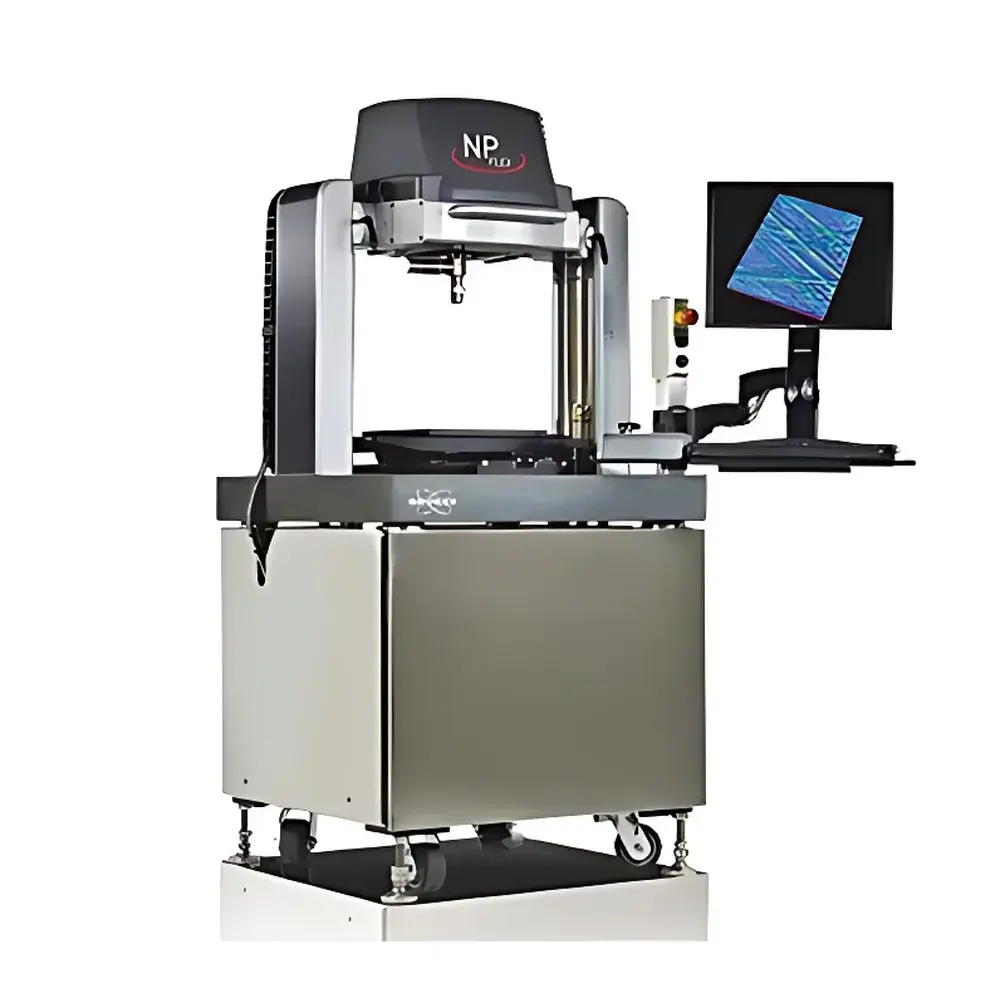
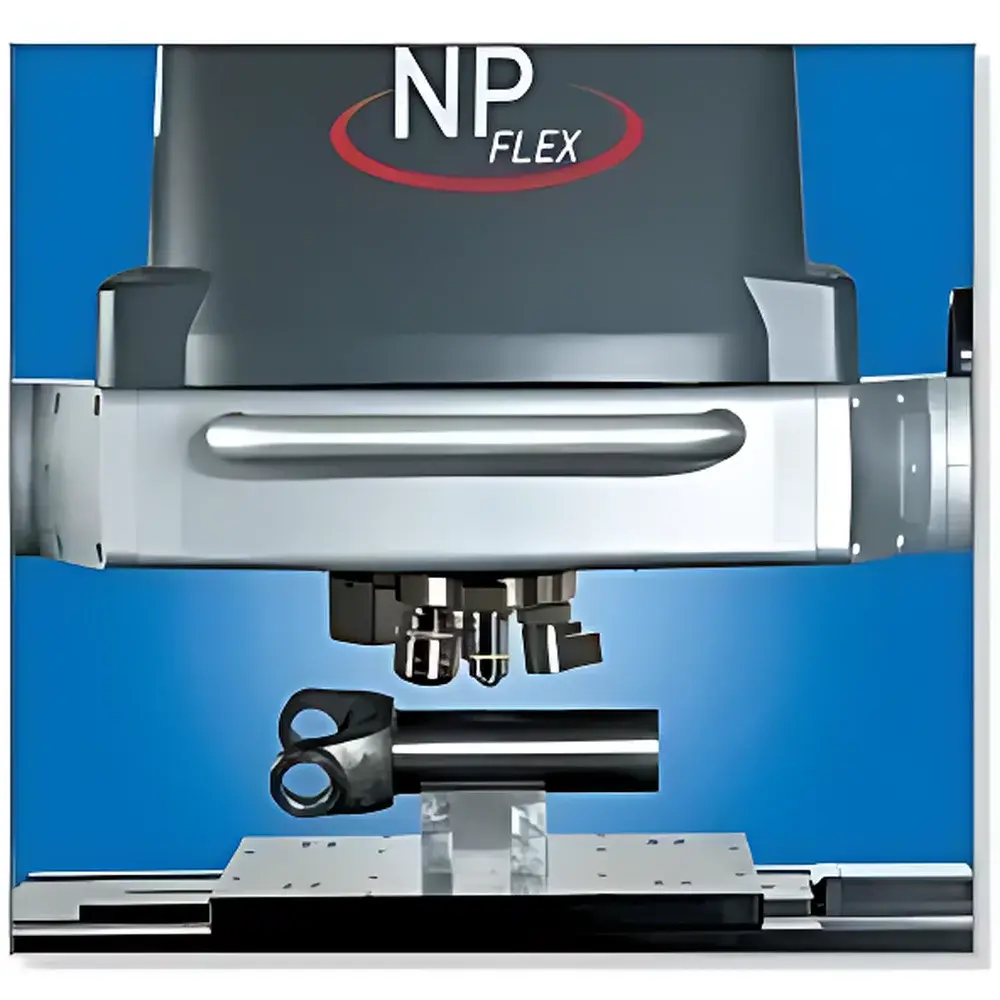
Bruker NP Flex 3D Surface Metrology System
| Brand | Bruker |
|---|---|
| Origin | USA |
| Manufacturer Type | Authorized Distributor |
| Origin Category | Imported |
| Model | NP Flex |
| Product Type | Non-Contact Profilometer / Surface Roughness Analyzer |
| Measurement Principle | White-Light Interferometry (WLI) |
| Maximum Measurement Volume | Up to 300° Angular Access |
| Vertical Resolution | Sub-nanometer |
| Field of View | Full-Area (2D/3D) Acquisition |
| Sample Compatibility | Large, Freeform, and Asymmetric Components |
Overview
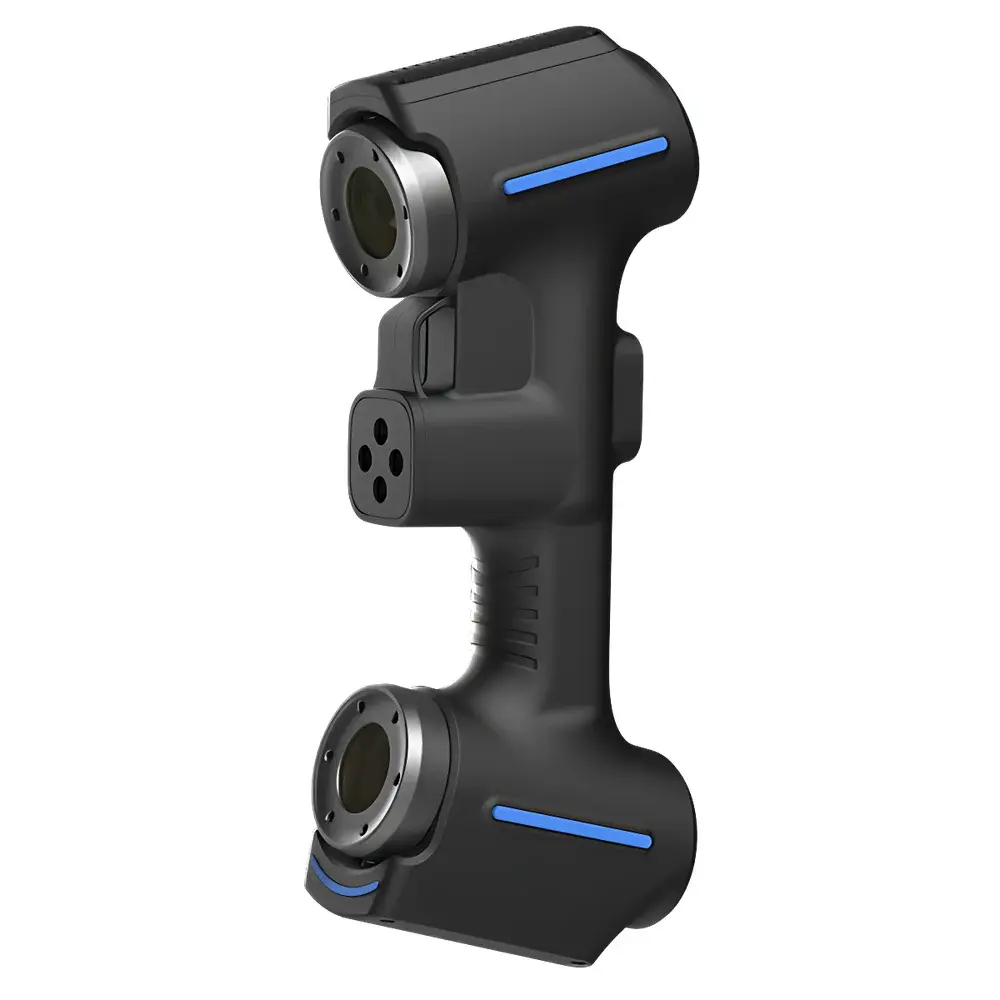
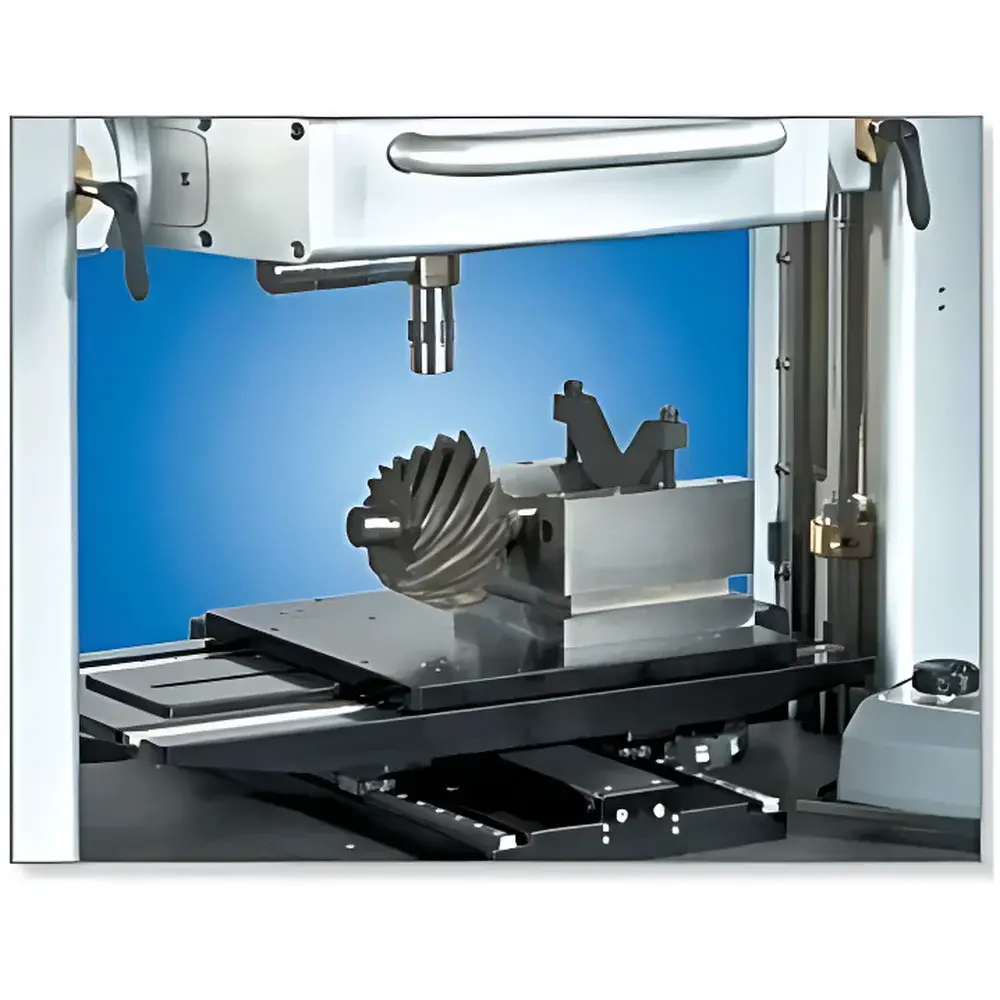
The Bruker NP Flex 3D Surface Metrology System is an industrial-grade, non-contact surface characterization platform engineered for high-precision topographic analysis of large, geometrically complex components. Built upon white-light interferometry (WLI), the system delivers quantitative 3D surface data—including height, roughness, form, step height, and curvature—with sub-nanometer vertical resolution across full-field measurement areas. Unlike stylus-based profilometers that acquire linear traces, the NP Flex captures complete areal maps in a single acquisition, enabling statistically robust surface evaluation aligned with ISO 25178 and ASME B46.1 standards. Its open-gantry architecture supports angular access exceeding 300°, eliminating occlusion challenges commonly encountered with deep cavities, steep sidewalls, or asymmetric aerospace and medical implant geometries. Designed specifically for production-integrated metrology, the NP Flex bridges the gap between laboratory-grade accuracy and shop-floor operational efficiency—providing traceable, repeatable, and audit-ready surface data without sample contact or mechanical wear.
Key Features
- Open龙门-style gantry design enabling unrestricted angular positioning and >300° volumetric access for complex part orientations
- White-light interferometric optics delivering sub-nanometer vertical resolution and <0.1 nm repeatability over full-field acquisitions
- Modular sensor head configuration with optional tilt/swivel mechanisms for adaptive alignment to challenging surface normals
- Large-stage compatibility supporting samples up to 600 mm × 600 mm (customizable), accommodating turbine blades, orthopedic implants, and automotive die-cast components
- Automated focus search and intelligent fringe analysis algorithms minimizing operator dependency and ensuring consistent measurement fidelity
- Ruggedized mechanical architecture rated for continuous operation in controlled industrial environments (ISO Class 7 cleanroom compatible)
Sample Compatibility & Compliance
The NP Flex accommodates a broad spectrum of materials and geometries—metals, ceramics, polymers, coated substrates, and additively manufactured parts—without risk of surface damage or deformation. Its non-contact modality ensures compliance with ISO 10725 (acceptance sampling), ASTM E2923 (surface texture of biomedical devices), and USP (surface characterization of parenteral container closures). Data integrity meets FDA 21 CFR Part 11 requirements through integrated electronic signatures, audit trails, and role-based user permissions. All measurement reports include metadata compliant with ISO/IEC 17025 documentation protocols, facilitating GLP/GMP audits and supplier qualification workflows.
Software & Data Management
Operated via Bruker’s proprietary NanoScope Analysis software, the NP Flex provides unified control, real-time visualization, and standardized reporting. The platform supports automated batch processing, multi-region-of-interest (ROI) analysis, and customizable report templates exportable in PDF, CSV, and STP formats. Integrated scripting (Python API) enables integration into MES and SPC systems for closed-loop process feedback. Raw interferogram data is stored in vendor-neutral HDF5 format, ensuring long-term archival integrity and third-party interoperability. Calibration certificates are digitally embedded and traceable to NIST standards via Bruker’s certified reference artifacts.
Applications
- Aerospace: Blade tip radius verification, thermal barrier coating uniformity, and turbine disk surface integrity assessment
- Medical Devices: Roughness quantification of Ti-6Al-4V orthopedic implants per ISO 14644-1 and ISO 10993-18
- Automotive: Mold cavity fidelity validation, piston ring groove geometry, and EV battery electrode surface texture mapping
- Microelectronics: Wafer-level bump height uniformity, MEMS device release etch inspection, and advanced packaging coplanarity analysis
- Research & Development: In-process monitoring of laser ablation, EDM finishing, and hybrid additive-subtractive manufacturing workflows
FAQ
What is the maximum sample size supported by the NP Flex?
Standard configurations accommodate samples up to 600 mm × 600 mm × 200 mm (L×W×H); custom stage extensions and modular gantry options are available for larger footprints.
Does the system require vibration isolation?
Yes—optimal performance requires placement on a passive or active optical table meeting ISO 22477-1 Class A stability criteria; ambient vibration thresholds must remain below 1 µm/s RMS at 1–100 Hz.
Can the NP Flex perform measurements under inert atmosphere or vacuum?
Not natively; however, environmental enclosures with purge ports (N₂ or dry air) can be integrated for moisture-sensitive or oxidation-prone surfaces.
Is calibration traceable to national standards?
All factory calibrations are performed using Bruker-certified step-height and roughness reference standards, with full traceability to NIST SRM 2100 series and PTB reference artifacts.
How does the NP Flex compare to confocal microscopy for surface metrology?
While confocal systems offer higher lateral resolution on highly reflective surfaces, WLI-based NP Flex provides superior vertical repeatability, larger FOV throughput, and insensitivity to surface reflectivity variations—making it preferred for production-grade roughness and form metrology per ISO 25178-2.