
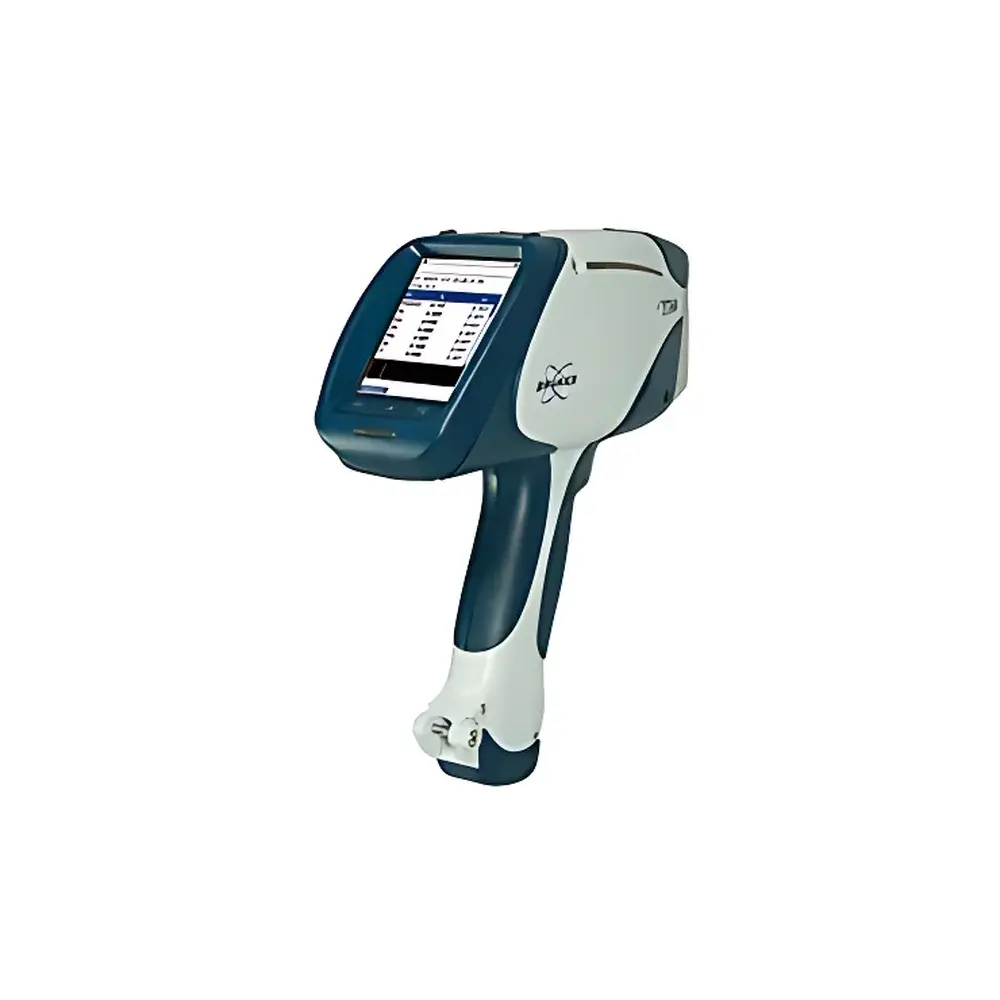
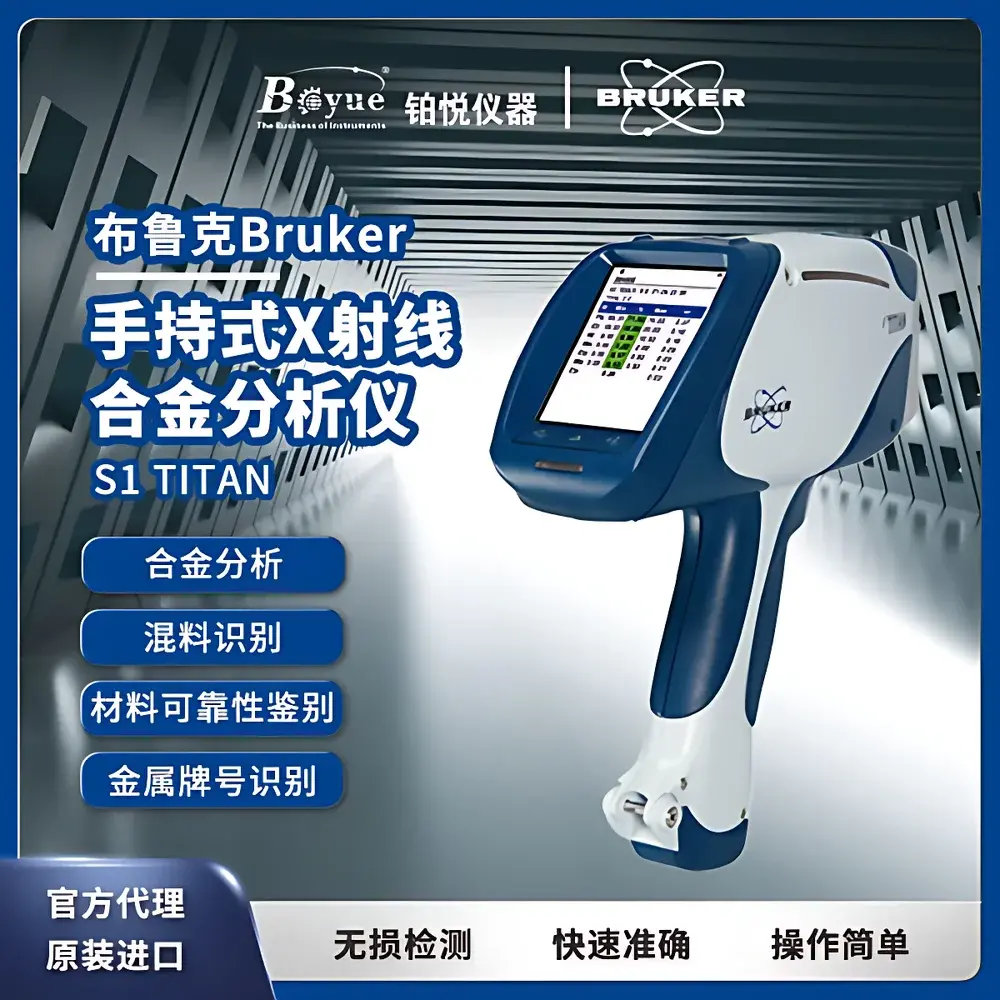
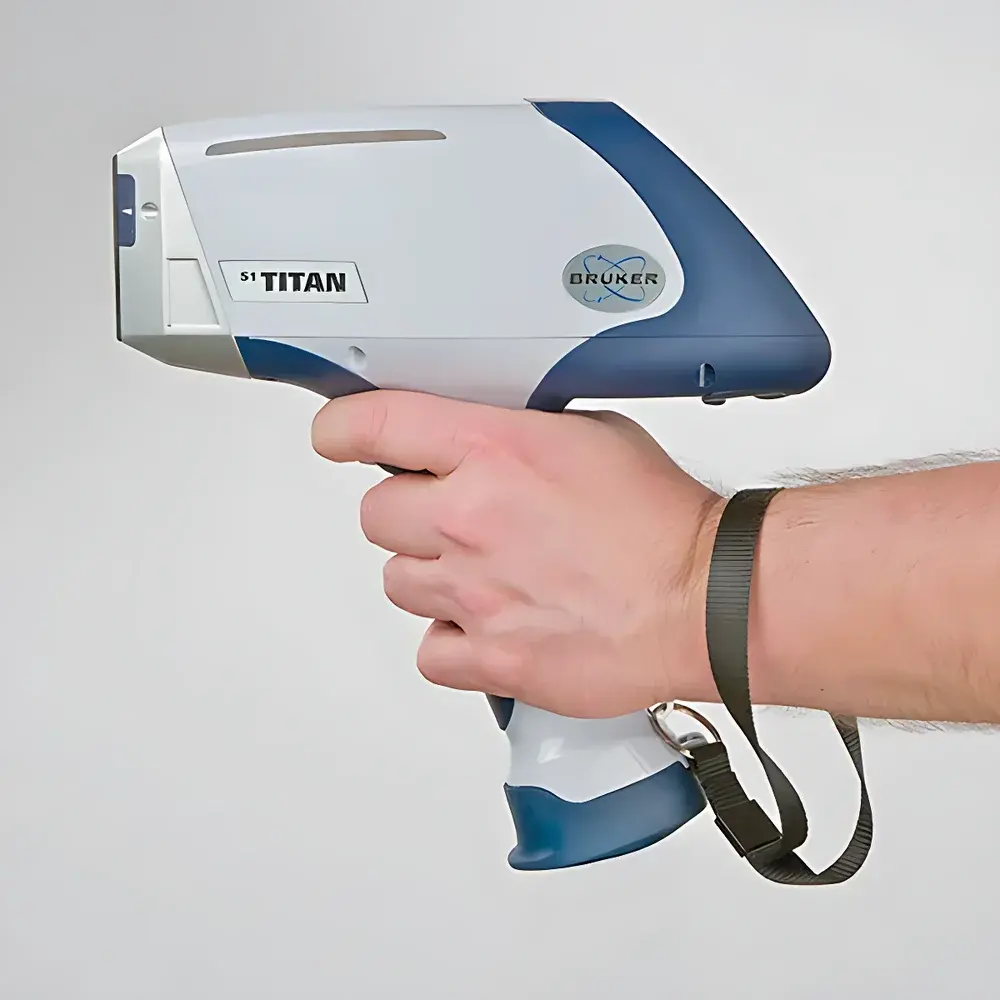
Bruker S1 TITAN 300 Handheld Energy Dispersive X-Ray Fluorescence (ED-XRF) Spectrometer
| Brand | Bruker |
|---|---|
| Origin | Germany |
| Model | S1 TITAN 300 |
| Application | Handheld/Portable |
| Industry-Specific Type | Non-Ferrous & Alloy Metals |
| Elemental Range | Mg–U (High-Performance Configuration) / Ti–U (Standard Configuration) |
| Quantification Range | 1 ppm – 99.99 wt% |
| Energy Resolution | <140 eV (at Mn Kα) |
| Repeatability | ≤0.1% RSD (for major elements under controlled conditions) |
| Detector | Silicon Drift Detector (SDD) |
Overview
The Bruker S1 TITAN 300 is a field-deployable, high-performance handheld energy dispersive X-ray fluorescence (ED-XRF) spectrometer engineered for rapid, non-destructive elemental analysis of metallic alloys in industrial environments. Based on fundamental ED-XRF physics—where primary X-rays excite atoms in the sample, causing emission of characteristic secondary (fluorescent) X-rays—the instrument quantifies elemental composition by measuring the energy and intensity of these emitted photons. Its optimized excitation geometry, high-power micro-focus X-ray tube, and large-area silicon drift detector (SDD) deliver laboratory-grade precision in a ruggedized portable platform. Designed specifically for metallurgical QA/QC, the S1 TITAN 300 meets the stringent demands of pressure equipment manufacturing, pipeline integrity assurance, and regulatory compliance in oil & gas, power generation, and aerospace sectors.
Key Features
- Robust, IP54-rated magnesium alloy housing with integrated shock-absorbing bumper, certified to MIL-STD-810G for drop resistance (1.2 m onto concrete)
- Real-time spectrum acquisition and processing using Bruker’s proprietary FP (Fundamental Parameters) quantification engine with matrix correction algorithms
- Automatic grade identification against built-in libraries containing >1,200 alloy standards (ASTM, UNS, EN, GB, JIS, ISO)
- On-device pass/fail flagging based on user-defined tolerance limits for critical elements (e.g., Cr, Ni, Mo, Cu, Co, Nb)
- Integrated high-resolution camera with laser-assisted positioning for precise measurement spot targeting and geo-tagged reporting
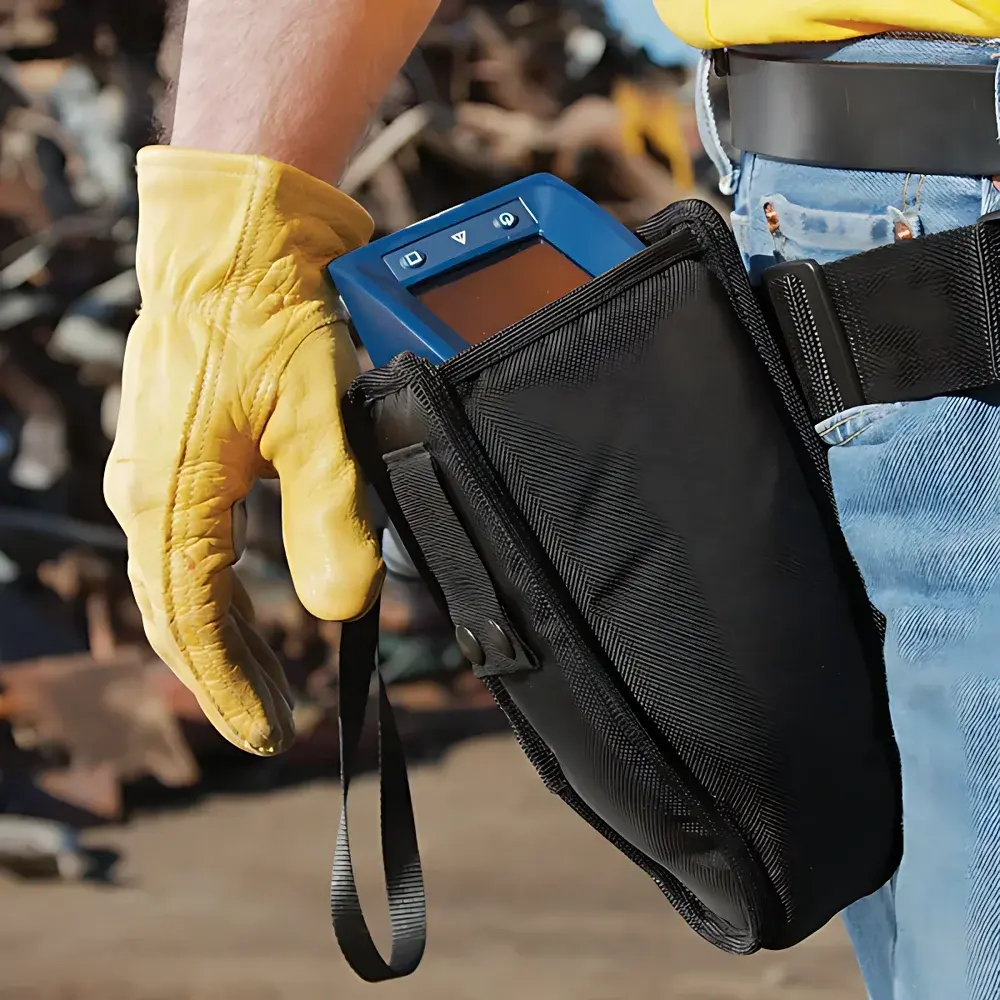
- Battery life exceeding 8 hours per charge (hot-swappable Li-ion packs), supporting continuous operation in remote or confined-space environments
Sample Compatibility & Compliance
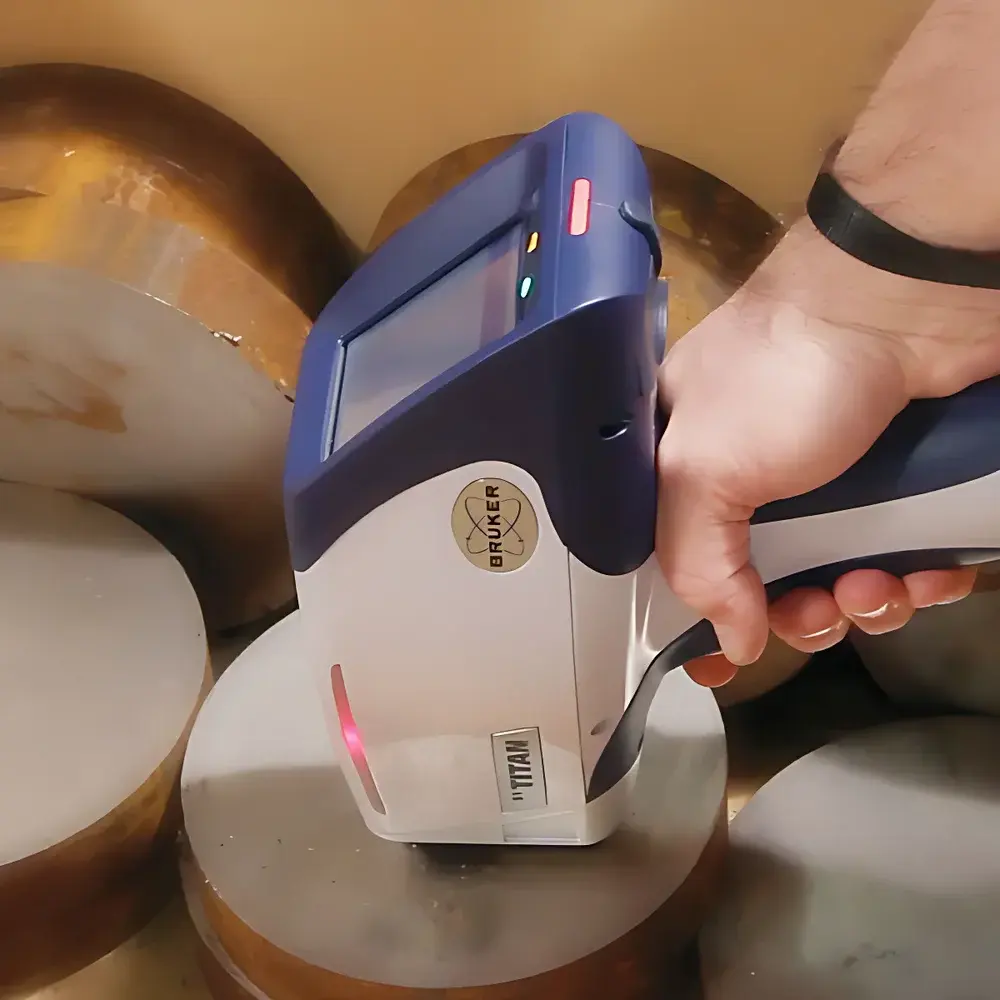
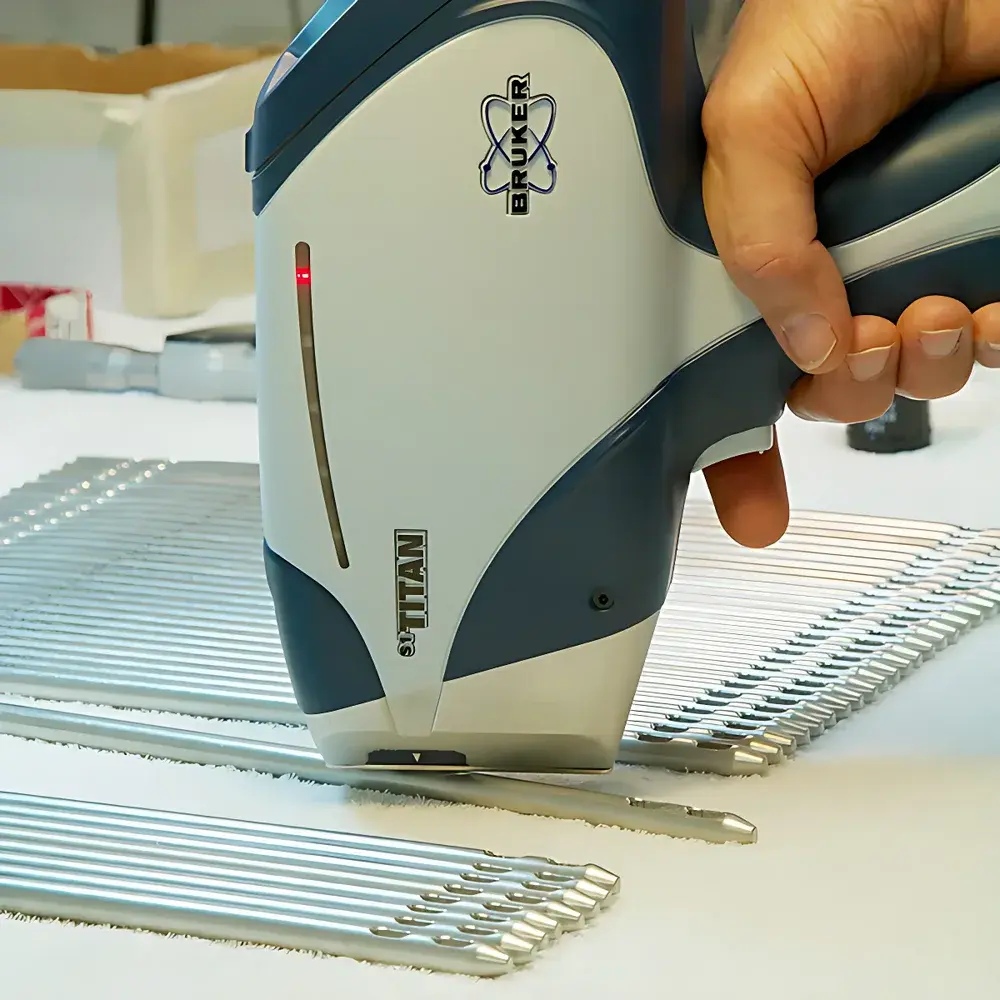
The S1 TITAN 300 accommodates heterogeneous metallic samples including castings, forgings, welds, pipes, flanges, valves, fasteners, and scrap metal—regardless of surface finish (polished, mill-scale, painted, or lightly corroded). It requires no sample preparation beyond basic cleaning to remove thick oxides or contaminants. The instrument complies with IEC 62495:2022 (safety requirements for handheld XRF devices), EU RoHS Directive 2011/65/EU, and conforms to ASTM E1621–22 (Standard Guide for XRF Analysis of Metals) and ISO 3497:2022 (Metallic coatings — X-ray spectroscopic methods of measurement). Its firmware supports audit-trail-enabled data logging aligned with GLP/GMP principles and FDA 21 CFR Part 11 requirements when paired with Bruker’s PC-based QA software suite.
Software & Data Management
Data acquisition, calibration management, and report generation are handled via Bruker’s proprietary S1 PX software (Windows-based), which supports multi-user role-based access control, electronic signatures, and encrypted database storage. All spectra, metadata (GPS coordinates, operator ID, timestamp, environmental conditions), and quantitative results are stored in standardized .S1D binary format—fully traceable and exportable to CSV, PDF, or XML for integration into LIMS or ERP systems. Optional cloud synchronization enables centralized fleet monitoring, remote calibration validation, and automated compliance reporting for enterprise-wide quality assurance programs.
Applications
- Verification of stainless steel grades (e.g., 304 vs. 316) and superalloys (Inconel 625, Hastelloy C-276) in high-pressure piping systems prior to welding and hydrotesting
- Rapid sorting of incoming raw materials and scrap lots to prevent mischarging in foundry and forging operations
- Post-weld verification of filler metal compatibility and dilution effects in ASME B31.4/B31.8-compliant pipeline construction
- Failure analysis support through detection of intergranular corrosion indicators (e.g., Cr depletion, sigma phase formation)
- Regulatory documentation for PED 2014/68/EU, API RP 578 (Material Verification Program), and NORSOK M-650 (Material Traceability)
FAQ
What safety certifications does the S1 TITAN 300 hold for field use?
It is certified to IEC 62495:2022 and carries CE marking under the EU Electromagnetic Compatibility and Low Voltage Directives; radiation exposure remains below 1 µSv/h at 5 cm distance during operation.
Can the instrument analyze light elements such as magnesium or aluminum in aluminum alloys?
Yes—when equipped with the optional helium purge or vacuum interface, the Mg–U configuration enables reliable quantification of Mg, Al, Si, and P in aluminum, titanium, and magnesium-based alloys.
How is calibration maintained across multiple instruments in a plant-wide deployment?
Bruker provides factory-calibrated reference standards and a remote calibration verification protocol using NIST-traceable check samples; all calibrations are digitally signed and version-controlled within the S1 PX software.
Does the system support custom grade libraries for proprietary alloys?
Yes—users may create, validate, and deploy custom alloy libraries with defined elemental tolerances and naming conventions via the S1 PX Library Manager module.
Is spectral data export compatible with third-party statistical process control (SPC) platforms?
All quantitative outputs and full-spectrum files (.S1D) can be exported in ASCII-compatible formats, enabling direct ingestion into Minitab, JMP, or custom Python/R-based SPC dashboards.





