
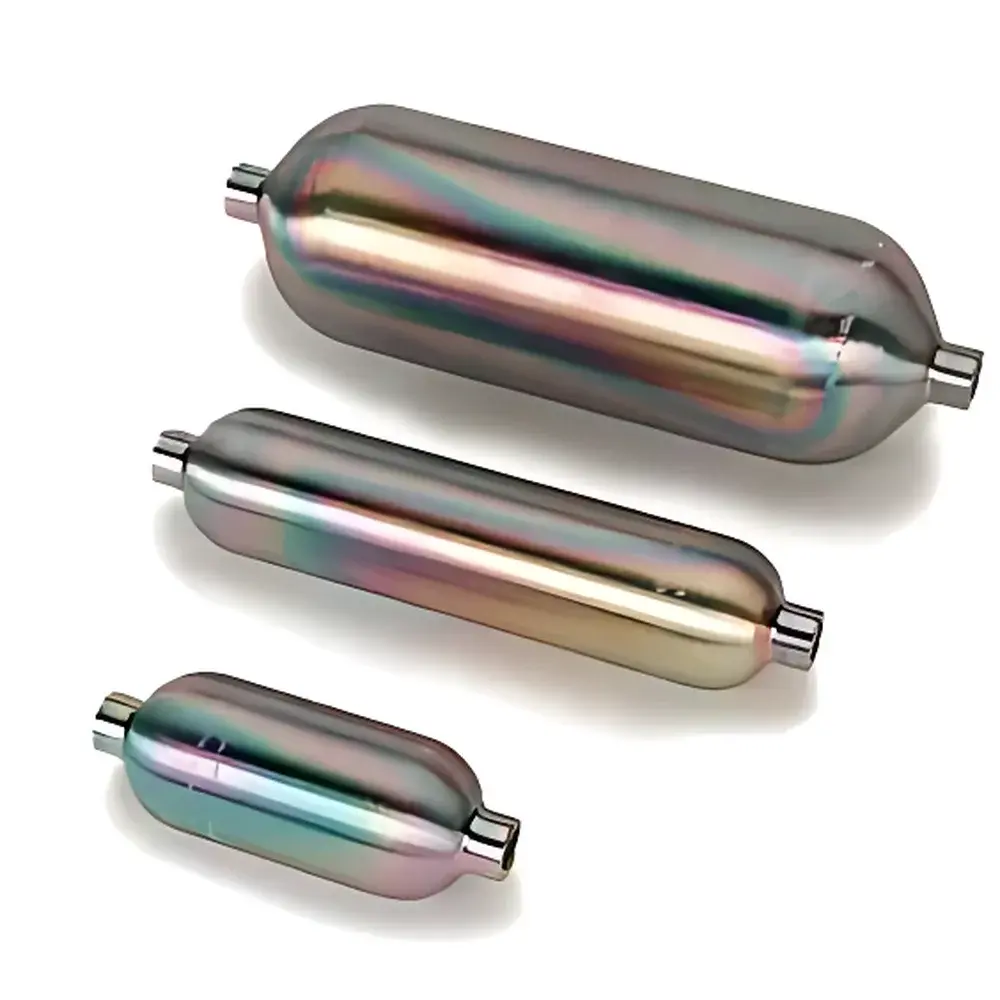
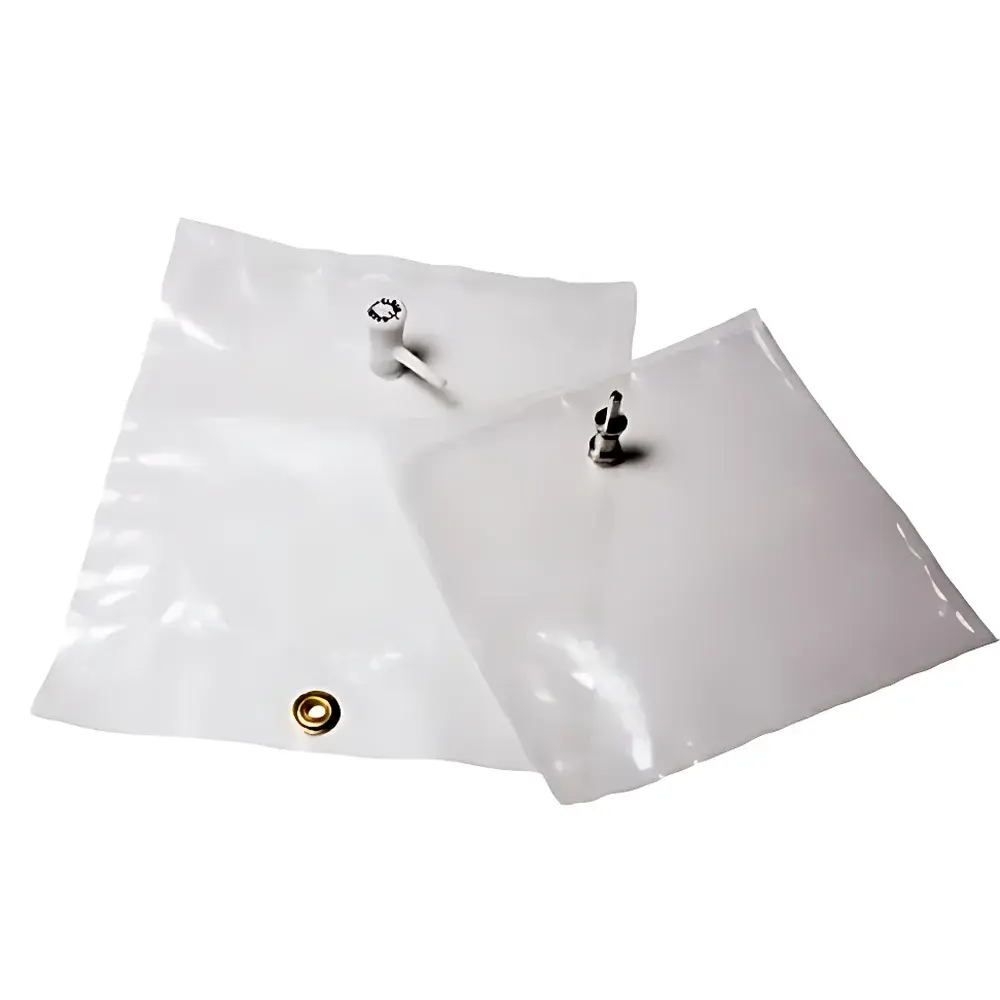
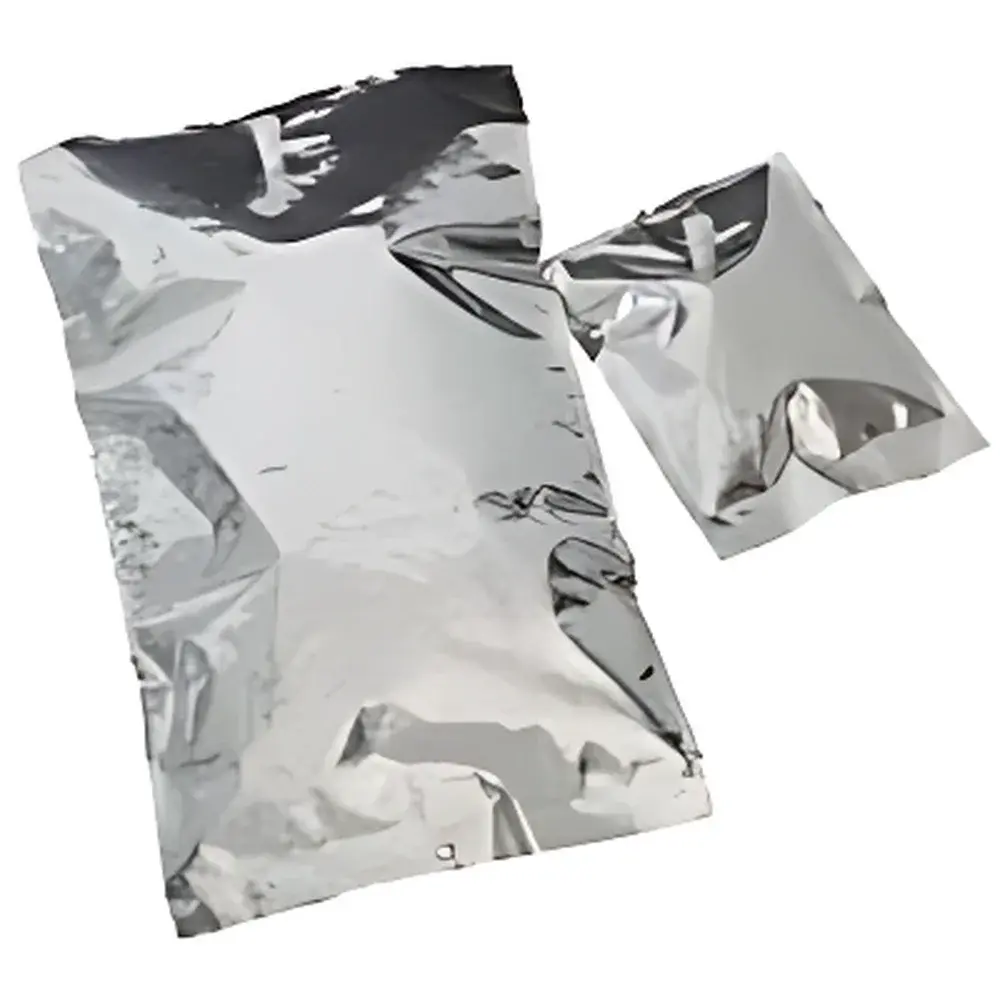
MNK MTB100 & MQ701-6 Automated Gas Bag Sampling and Injection System
| Brand | MNK |
|---|---|
| Origin | Beijing, China |
| Manufacturer Type | Authorized Distributor |
| Product Origin | Domestic (China) |
| Models | MTB100, MQ701-6, MQ801 |
| Pressure Rating | 1800–5000 psi (DOT-certified) |
| Bag Volumes | 0.5 L, 1 L, 3 L, 5 L, 10 L |
| Bag Material | Polyvinyl Fluoride (PVF), 0.002" thickness |
| Valve Options | Polypropylene or Stainless Steel |
| Max Operating Temperature | 204°C |
| Bag Construction | 5-layer metallized foil (MNK123557) |
| Sample Compatibility | CO, CO₂, H₂S, NH₃, SO₂, NOₓ, and other low-molecular-weight gases |
| Detection Limit Suitability | ppb-level for inert and moderately reactive species |
| VOC Range Limitation | Not recommended for sub-ppm volatile organic compound quantification |
| Injector Configuration | 6/16/32-port programmable selection valve |
| Vacuum Source | Diaphragm pump (zero-contamination design) |
| Sample Line | Silinert®-passivated, heated (anti-condensation) |
| Controller | VICI high-reliability industrial controller |
| Power Supply | Rechargeable battery (MQ801) |
| Compliance | DOT 4BA/4BW certified (MTB100), GLP-compatible operation |
Overview
The MNK MTB100 & MQ701-6 Automated Gas Bag Sampling and Injection System is an integrated solution engineered for trace-level atmospheric gas collection, storage, and reproducible instrumental introduction—specifically designed for laboratories performing regulatory-compliant ambient air monitoring, stack emission analysis, and laboratory-based method validation. The system operates on two complementary principles: passive vacuum-driven sampling (MQ801) and automated, pressure-controlled gas transfer (MQ701-6), both anchored by chemically inert, high-integrity sample containment. The MTB100 sampling bags utilize Sulfinert®-treated internal surfaces—ensuring minimal adsorption, catalytic decomposition, or surface-mediated oxidation of reactive sulfur- and nitrogen-containing species (e.g., H₂S, SO₂, NO, NH₃). This passivation, combined with multi-layer metallized PVF construction, delivers exceptional barrier properties against moisture ingress and gas permeation—critical for maintaining compositional fidelity over extended holding periods (up to 30 days under controlled conditions). Unlike stainless-steel canisters requiring active pressurization and frequent cleaning, the bag-based architecture eliminates memory effects and reduces cross-contamination risk between sequential samples.
Key Features
- DOT-certified MTB100 gas sampling bags rated for 1800–5000 psi burst pressure—validated per U.S. Department of Transportation 4BA/4BW specifications for safe transport and long-term pressurized storage.
- Five-layer metallized PVF film (MNK123557 variant) offering superior resistance to permeation by low-molecular-weight gases—including CO, CO₂, CH₄, and H₂—while maintaining thermal stability up to 204°C.
- MQ701-6 automated gas bag injector equipped with a programmable 6/16/32-port selection valve, enabling unattended batch analysis of up to 32 discrete bag samples without manual intervention.
- Silinert®-coated internal flow paths and heated sample transfer lines (maintained at 60–120°C) prevent condensation, adsorption, and analyte loss during transfer to GC, GC-MS, or FTIR systems.
- Integrated diaphragm vacuum pump ensures zero oil vapor carryover and eliminates particulate generation—meeting ISO 8573-1 Class 0 purity requirements for analytical-grade gas handling.
- MQ801 true-vacuum field sampler enables rapid (<2 min for 10 L), pump-free environmental air acquisition via external vacuum draw—eliminating mechanical pump contamination and flow-induced fractionation.
Sample Compatibility & Compliance
The system is validated for use with EPA Method TO-14A, TO-15, and ASTM D5502 for ambient and source testing of inorganic gases and light hydrocarbons. Its Sulfinert®-treated surfaces meet USP extractables criteria for metallic leachables and demonstrate compliance with ISO 17025 clause 5.9 regarding measurement traceability and uncertainty estimation. All wetted materials—including polypropylene and electropolished stainless-steel valves—have been assessed per FDA 21 CFR Part 11 Annex 11 guidelines for electronic record integrity during automated injection sequences. The MQ701-6 supports audit-trail-enabled software logging, including timestamped valve actuation, pressure decay profiles, and thermal ramp history—facilitating GLP/GMP laboratory inspections.
Software & Data Management
The MQ701-6 interfaces natively with Agilent OpenLab CDS and Thermo Chromeleon via RS-232/USB-serial emulation, while custom Modbus TCP drivers support integration into LIMS platforms (e.g., LabVantage, STARLIMS). Internal firmware logs all operational parameters—including bag ID, injection volume, dwell time, line temperature, and vacuum decay rate—with SHA-256 checksums for data immutability. Remote configuration and diagnostics are accessible via Ethernet-connected web interface, supporting TLS 1.2 encrypted communication. Sequence files are exportable in CSV and XML formats compliant with ASTM E1382-22 for analytical method documentation.
Applications
- Ambient air quality monitoring networks (e.g., EPA SLAMS, EEA AirBase) requiring multi-site, time-resolved speciation of ozone precursors (C₂–C₅ alkenes, formaldehyde).
- Industrial hygiene assessments of workplace exposure to H₂S, Cl₂, PH₃, and arsine—where surface reactivity compromises traditional canister integrity.
- Calibration gas preparation and verification using gravimetric or dynamic dilution methods per ISO 6142-1.
- Landfill and biogas facility emissions profiling—particularly for transient, moisture-laden streams containing siloxanes and reduced sulfur compounds.
- Method development laboratories validating ASTM D6420 or ISO 16017-1 for odorant quantification in natural gas distribution systems.
FAQ
What is the maximum recommended storage duration for samples in MTB100 bags?
For ppb-level reactive species (e.g., H₂S, NO), storage should not exceed 72 hours at 20–25°C; for CO, CO₂, and CH₄, stability is demonstrated for up to 30 days under dark, temperature-stabilized conditions.
Can the MQ701-6 be used with non-Agilent GC systems?
Yes—the unit supports fully customizable trigger protocols (TTL, contact closure, or software API) and has been verified with Shimadzu GC-2030, PerkinElmer Clarus 680, and Thermo ISQ LT platforms.
Is the Sulfinert® coating applied to both inner and outer bag surfaces?
Only the interior surface is coated; the outer metallized layer provides mechanical protection and UV shielding without compromising chemical passivation.
Does the system support quantitative recovery validation per EPA requirements?
Yes—integrated pressure decay calibration mode allows direct calculation of injected volume based on ideal gas law, traceable to NIST SRM 1968 reference standards.
What maintenance intervals are recommended for the diaphragm pump?
VICI recommends replacement of pump membranes every 12 months or after 5,000 cycles—whichever occurs first—under continuous lab operation.
Related Products







