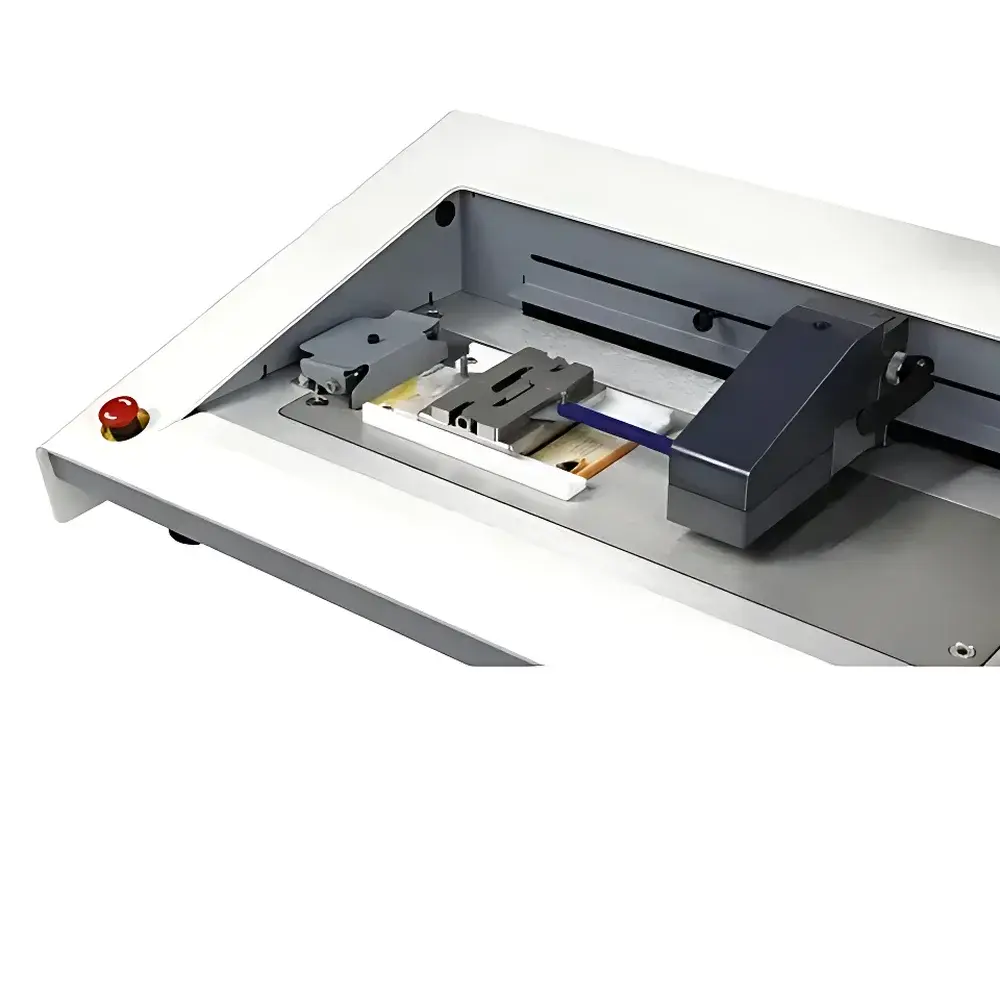
Mecmesin FPT-H1-i Horizontal Coefficient of Friction, Peel & Tear Tester
| Brand | Mecmesin |
|---|---|
| Origin | United Kingdom |
| Model | FPT-H1-i |
| Compliance | BS EN ISO 8295, ASTM D1894, ISO 15359, TAPPI T 549, FINAT 1–3, AFERA 5001, ASTM D3330, ASTM D6252, ASTM F88, BS EN 868-5, BS EN 1895, BS EN 1939, ISO 8510-2, PSTC 101, ASTM D1004, ASTM D1938-08, BS EN ISO 6383-1, BS EN ISO 12625-12 |
| Software | Emperor™ v5.x (Windows-compatible, 1 kHz data acquisition, SPC-ready export) |
| Certification | CE-marked, ISO 9001-manufactured |
| Test Modes | Static & kinetic COF, 90°/180°/T-peel, trouser & Elmendorf-style tear |
| Max Load Capacity | 500 N (standard), optional 1 kN |
| Resolution | 0.01 N (force), 1 µm (displacement) |
| Reporting | Automated PDF generation, Excel export, audit-trail enabled |
Overview
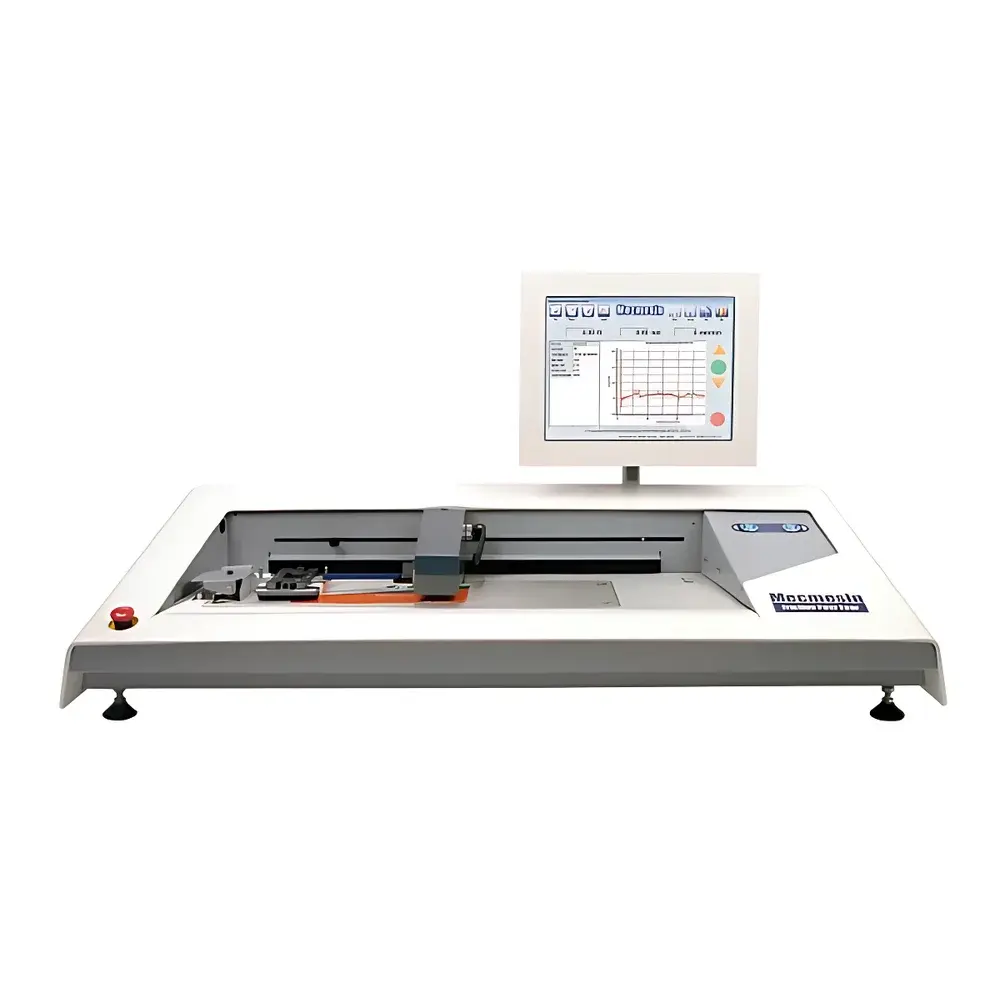
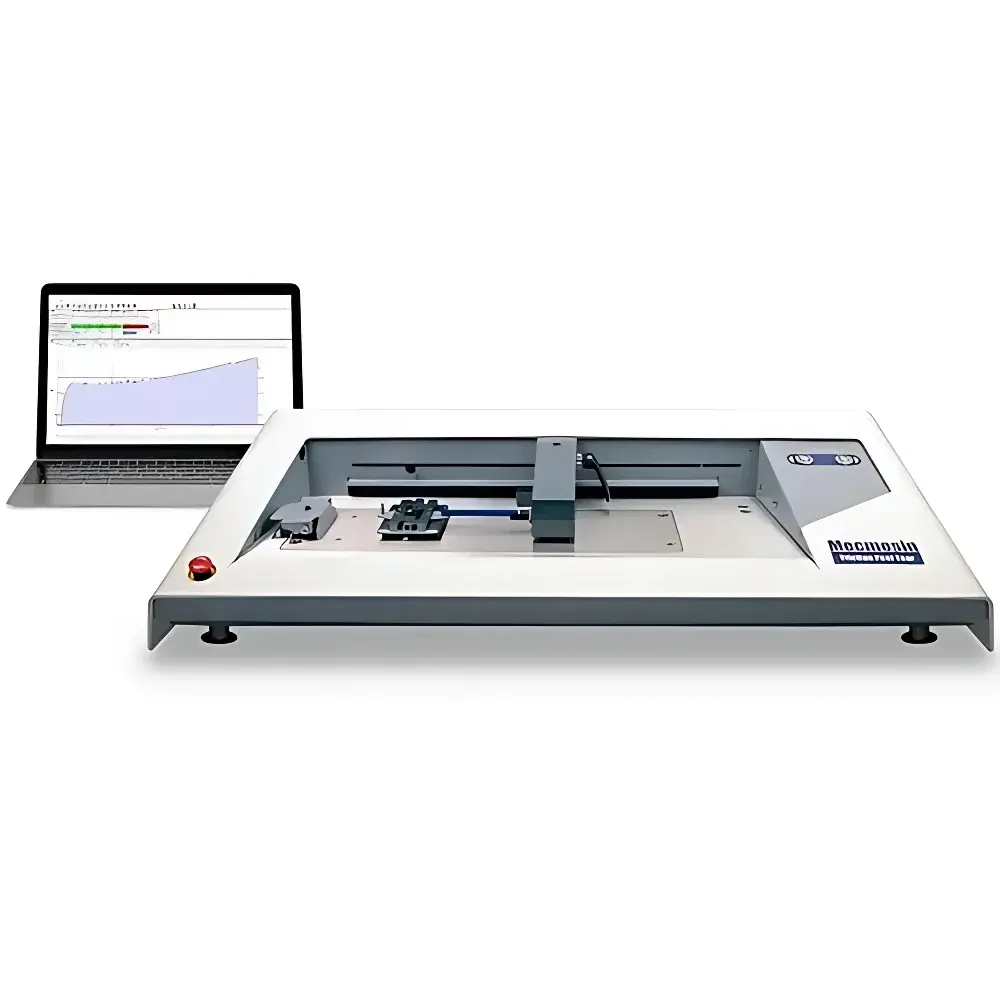
The Mecmesin FPT-H1-i is a precision-engineered horizontal coefficient of friction (COF), peel, and tear tester designed for rigorous quality control in packaging, flexible film, paperboard, and coated substrate manufacturing environments. Operating on the principle of controlled horizontal force application via a servo-driven crosshead and high-fidelity load cell, the instrument quantifies interfacial resistance between two surfaces (static and kinetic COF), adhesive bond strength under defined angular peel configurations (90°, 180°, and T-peel), and propagation resistance during controlled tear initiation and propagation (trouser tear, Elmendorf-type, and puncture line integrity). Its rigid, low-inertia frame minimizes vibration-induced noise, ensuring measurement repeatability ≤ ±0.5% of reading across its full 500 N range. The system adheres to a comprehensive suite of international test standards—including ISO, ASTM, BS EN, TAPPI, FINAT, and AFERA—making it suitable for regulated environments requiring traceable, auditable, and GLP-compliant physical testing.
Key Features
- Modular horizontal test architecture optimized for COF, peel, and tear—eliminating reconfiguration delays between test types
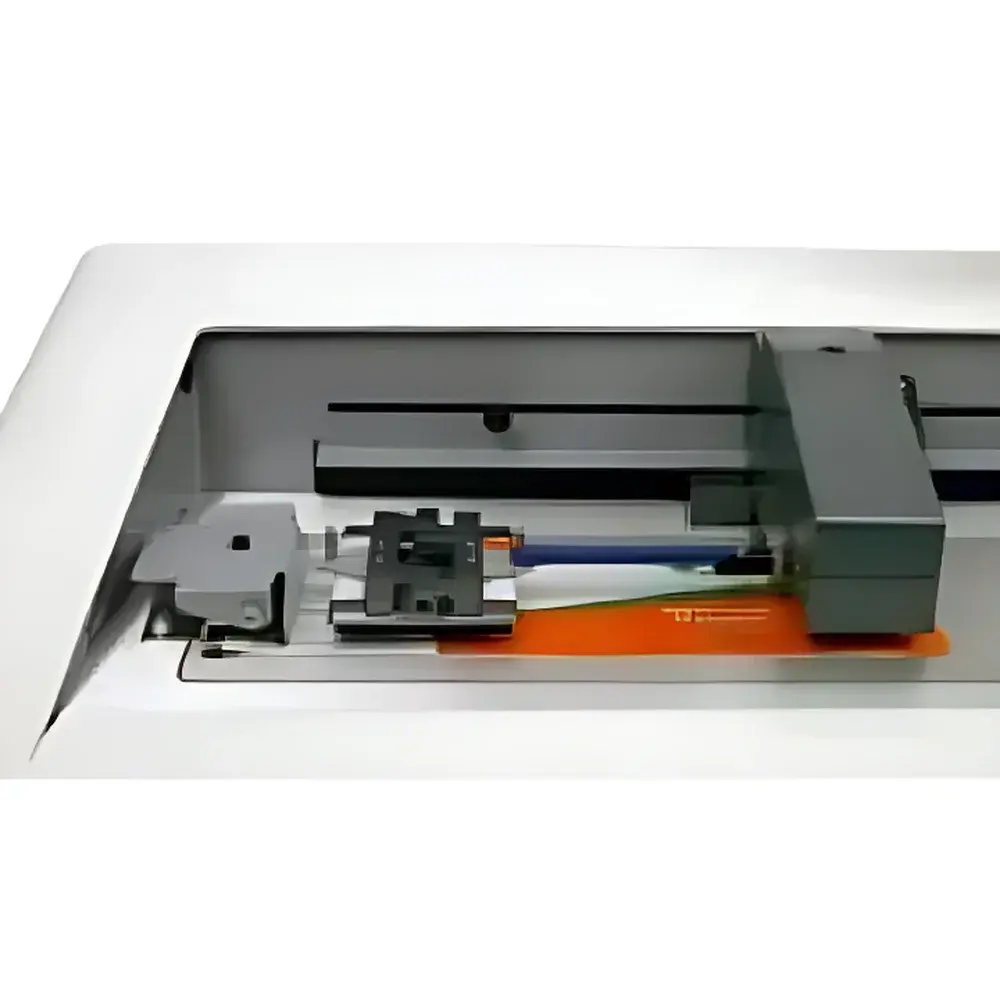
- Quick-change slider fixture system with standardized pin-mount interface, reducing setup time by up to 70% versus traditional clamping methods
- Integrated 1 kHz real-time data acquisition from dual-channel sensors: high-stability load cell and optical displacement encoder
- Pre-programmed test methods aligned with 20+ globally recognized standards—no manual parameter entry required for routine QC checks
- Five-user-definable “Favourite” test protocols accessible at login for rapid operator deployment without software navigation
- CE-marked construction and ISO 9001-certified manufacturing process ensure regulatory readiness for EU and global markets
- Robust steel frame with anti-vibration feet and thermal-stable sensor mounting for long-term calibration stability
Sample Compatibility & Compliance
The FPT-H1-i accommodates specimens ranging from 20 mm to 300 mm wide and up to 5 mm thick—including polymer films (LDPE, PET, BOPP), laminated pouches, corrugated board, metallized foils, nonwovens, and coated papers. Its standard test bed supports both flat-sheet and roll-fed sample handling with adjustable tension rollers and vacuum-assisted specimen fixation. All test routines are pre-validated against harmonized standards: static/dynamic COF per ISO 8295 and ASTM D1894; 90°/180° peel per ASTM F88 and FINAT 2; T-peel per ASTM D3330; and tear resistance per ASTM D1938-08 and ISO 6383-1. The instrument’s firmware and Emperor™ software support 21 CFR Part 11-compliant user authentication, electronic signatures, and immutable audit trails—enabling use in FDA-regulated packaging validation and pharmaceutical primary packaging release testing.
Software & Data Management
Emperor™ v5.x serves as the central control and analysis platform for the FPT-H1-i. Running natively on Windows 10/11, it provides synchronized motor control, real-time graphical display of force–displacement curves, and automated calculation of key metrics: μs, μk, average peel load, peak tear force, and energy-to-tear. Each test session generates timestamped metadata—including operator ID, environmental conditions (optional external hygrothermograph integration), calibration status, and instrument firmware version. Pass/fail evaluation is enforced via configurable tolerance bands tied directly to specification limits. Final reports are exported as PDFs with embedded digital signatures or as .csv/.xlsx files compatible with industry-standard SPC platforms (e.g., Minitab, InfinityQS). Raw data archives are stored in encrypted SQLite databases with role-based access controls, supporting internal audits and regulatory inspections.
Applications
- Packaging R&D: Optimizing seal integrity, laminate adhesion, and slip-agent formulation for flexible food pouches
- QC Labs: Routine verification of coefficient of friction for carton erecting, high-speed filling, and automated packaging lines
- Regulatory Submissions: Generating test evidence compliant with ISO 11607-1 for sterile barrier systems and ASTM D4169 distribution simulation protocols
- Supplier Qualification: Validating incoming film lots against contractual COF and peel specifications prior to production release
- Failure Analysis: Diagnosing root causes of delamination, seal rupture, or excessive film drag in vertical form-fill-seal operations
- Academic Research: Quantifying structure–property relationships in biodegradable polymers and nanocomposite coatings
FAQ
Does the FPT-H1-i support automated pass/fail decision logic based on user-defined tolerances?
Yes—Emperor™ enables configurable upper/lower specification limits per test parameter. Results are automatically flagged as PASS, FAIL, or OUT OF SPEC with visual indicators and report annotations.
Can the system be integrated into an existing MES or LIMS environment?
Yes—via secure RESTful API and OPC UA interfaces, allowing bidirectional data exchange with enterprise quality management systems.
Is calibration traceable to national standards?
All load cells are supplied with UKAS-accredited calibration certificates (ISO/IEC 17025), and in-field recalibration is supported using Mecmesin’s certified reference weights and alignment fixtures.
What maintenance intervals are recommended for sustained accuracy?
Annual verification of mechanical alignment, load cell linearity, and encoder resolution is advised; preventive maintenance kits and service contracts are available through authorized Mecmesin partners.
Does the FPT-H1-i meet requirements for GMP or medical device packaging validation?
Yes—the system’s design, documentation package (IQ/OQ/PQ templates included), and Emperor™ audit trail functionality align with ISO 13485 and FDA guidance for packaging validation in Class II/III device manufacturing.