
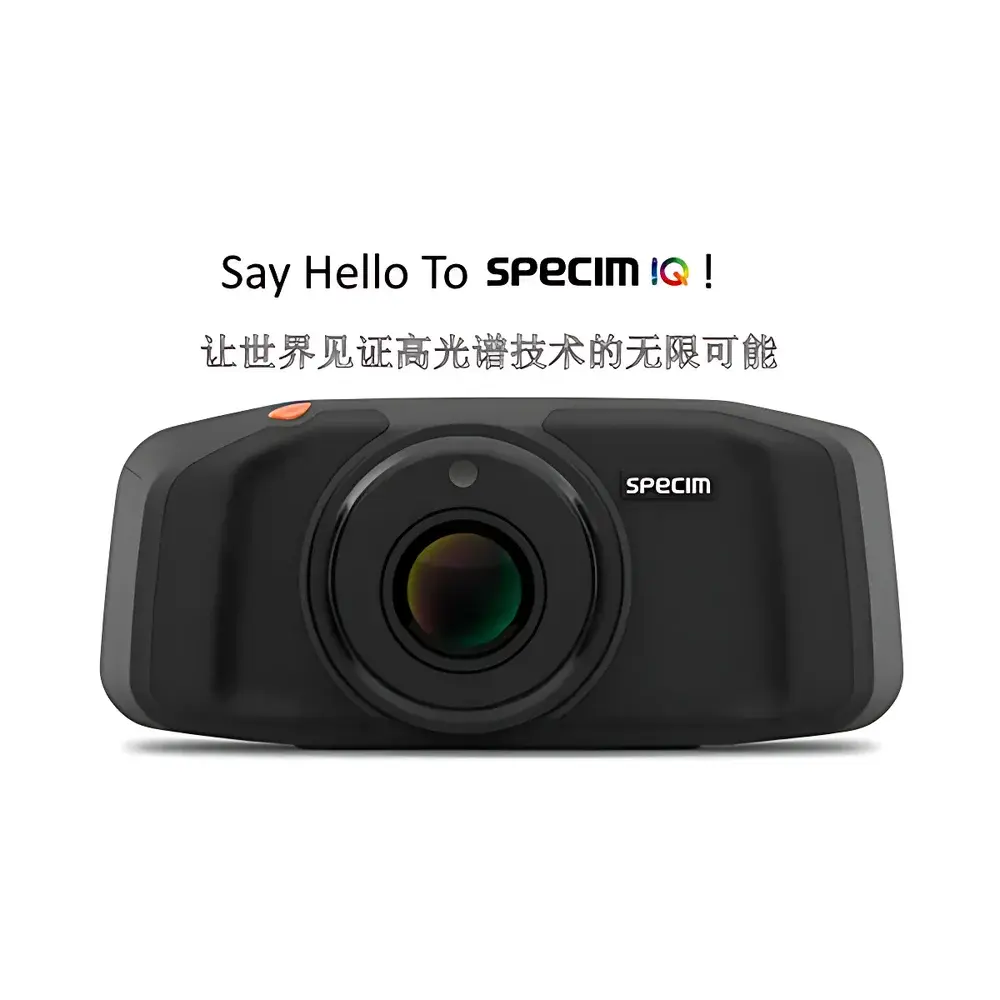
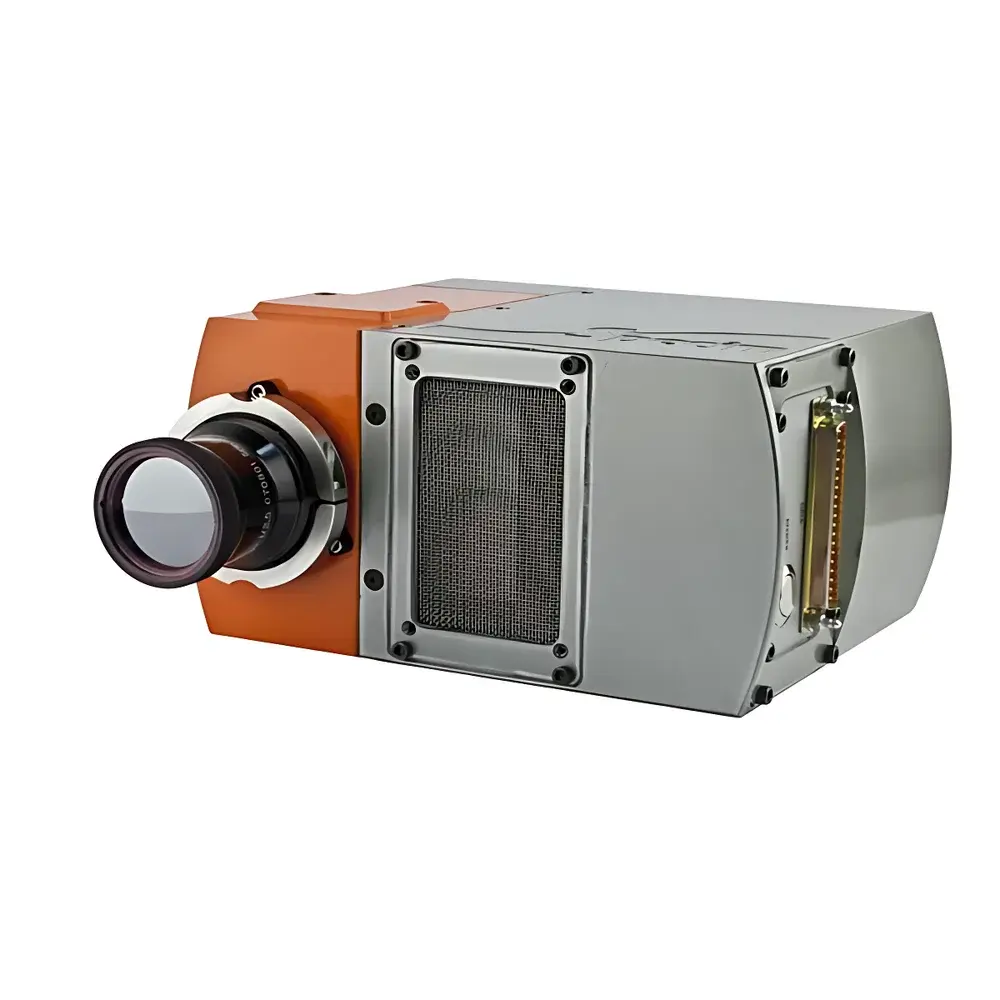
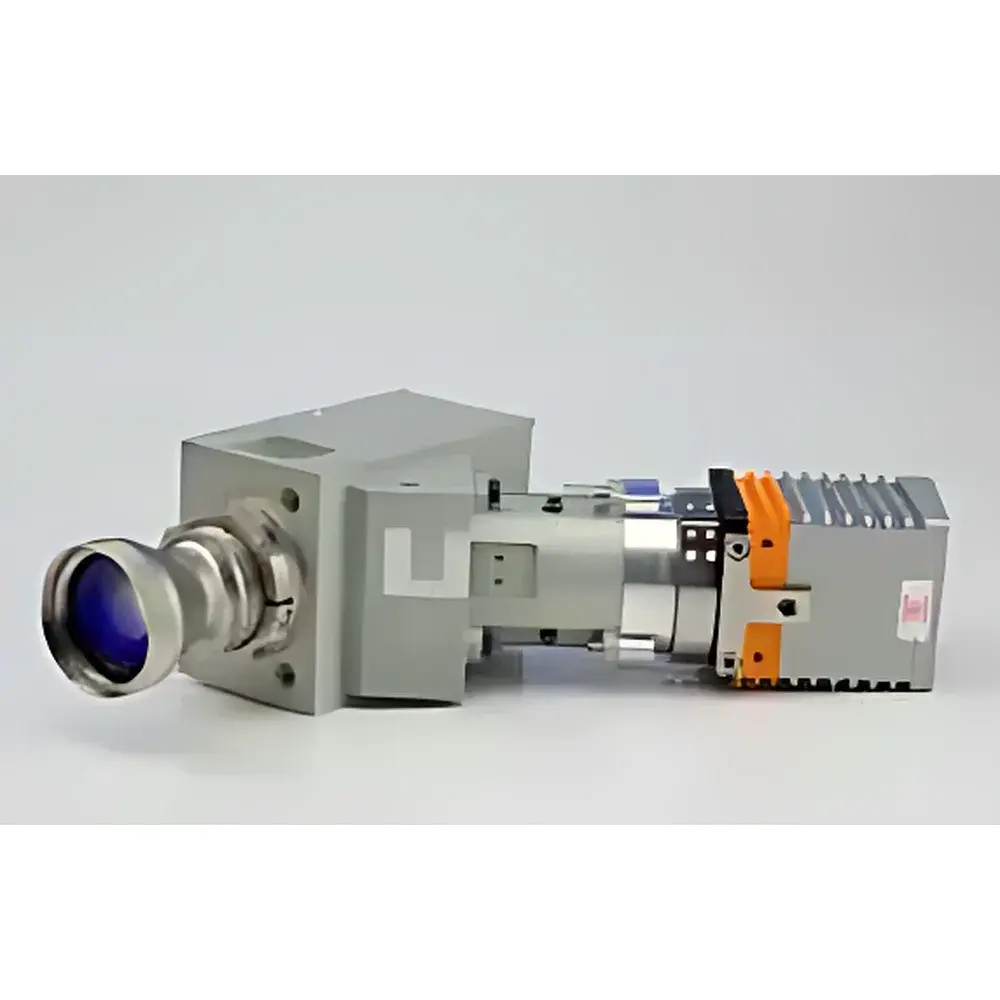
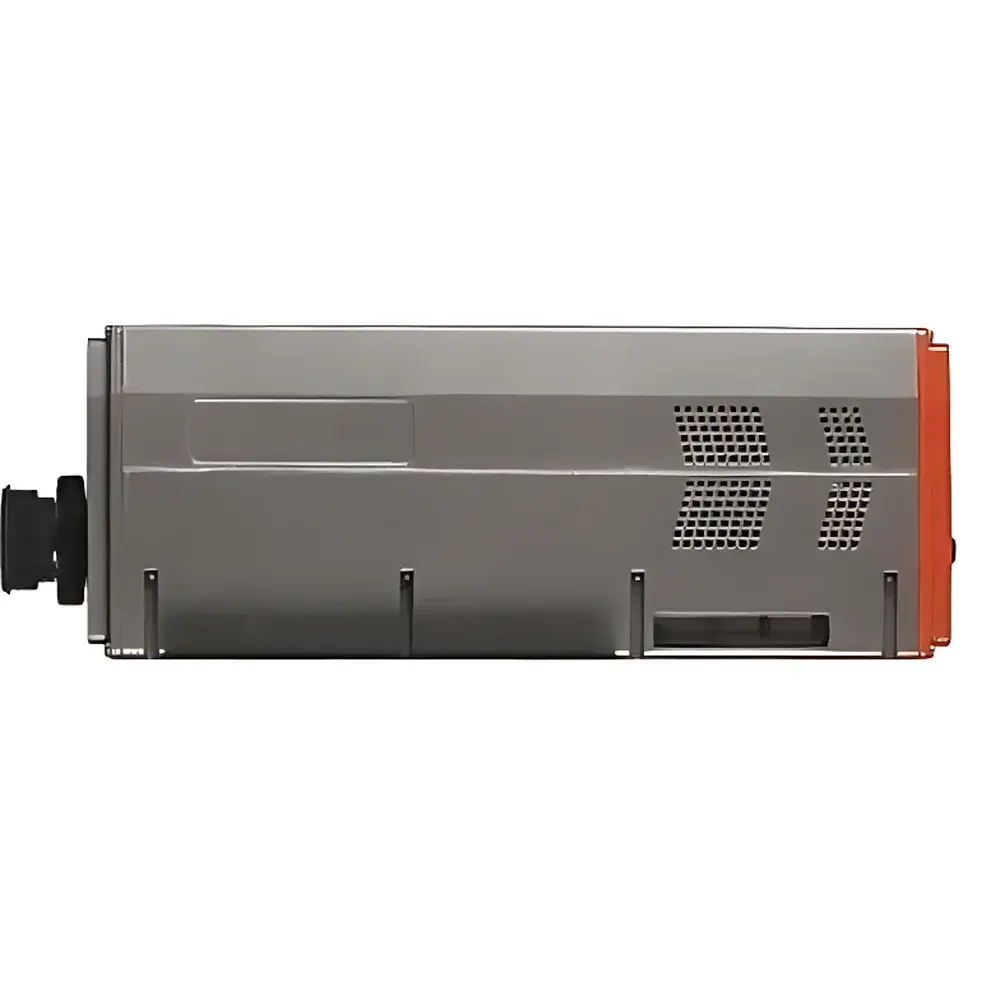
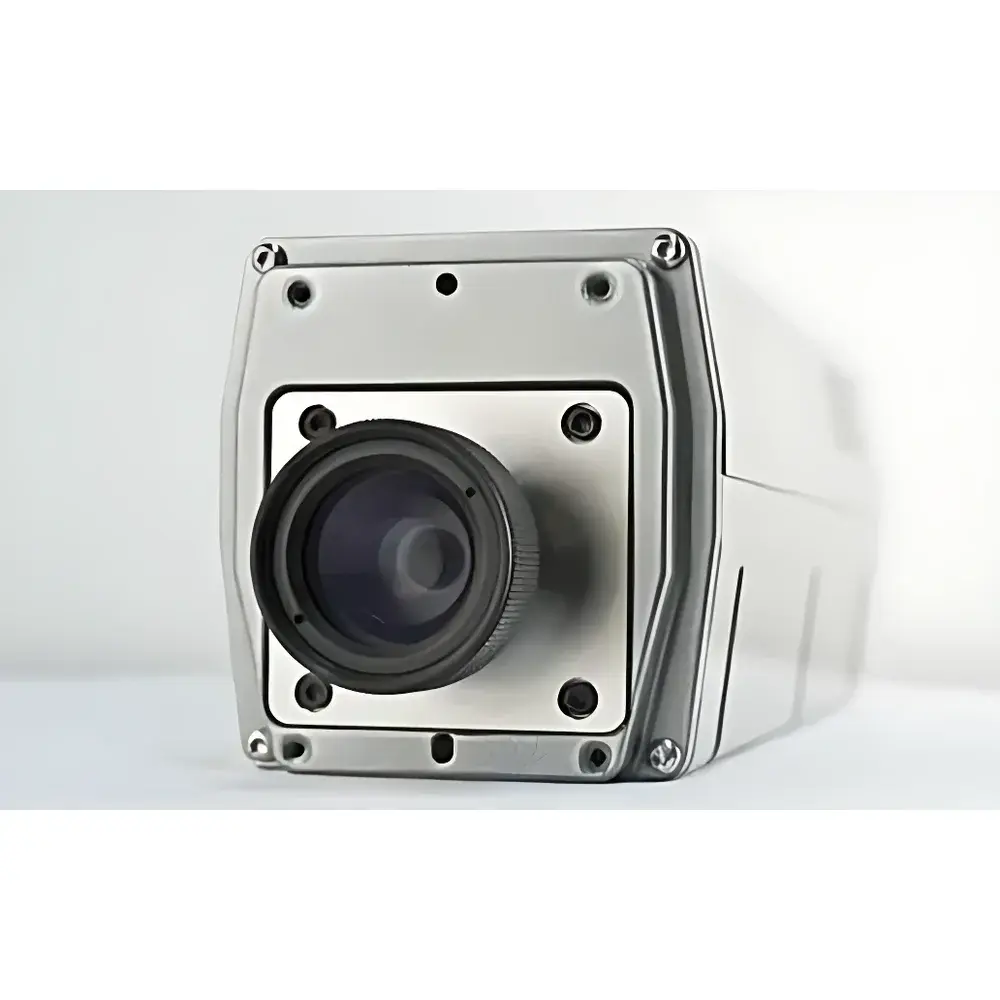
SPECIM Hyperspectral Camera Series
| Brand | SPECIM |
|---|---|
| Country of Origin | Finland |
| Manufacturer Type | Authorized Distributor |
| Origin Category | Imported |
| Model Range | Multiple Models (IQ, FX10/FX17/SX25/FX50/FX120, SWIR) |
| Price Range | USD 42,000 – 70,000 (approx.) |
| Operating Principle | Push-broom |
| Imaging Method | Dispersive (prism/grating-based) |
| Deployment Modes | Ground-based & Airborne |
| Spectral Coverage | UV to LWIR (200 nm – 12.3 µm) |
| Spectral Resolution | 5.5 nm – 100 nm |
| Spatial Pixels | 384 – 1024 px |
| Frame Rate | 162 Hz – 670 Hz |
| FOV | Model-dependent |
| IFOV | Configurable via lens selection |
| Cooling | Thermoelectric (SWIR, MWIR, LWIR models) |
| Compliance | CE, RoHS, ISO 9001-certified manufacturing |
Overview
SPECIM Hyperspectral Camera Series represents a mature, field-proven platform for quantitative spectral imaging across the electromagnetic spectrum—from ultraviolet (200 nm) through visible and near-infrared (VNIR), short-wave infrared (SWIR), mid-wave infrared (MWIR), and into long-wave infrared (LWIR) up to 12.3 µm. Engineered using push-broom scanning architecture with dispersive optics (prism or grating-based), each camera acquires a full hyperspectral data cube (x, y, λ) line-by-line with high spatial and spectral fidelity. This principle enables pixel-registered spectral signatures—critical for material identification, chemical mapping, and physical property inference in both laboratory and operational environments. All systems are designed and manufactured in Finland under ISO 9001 quality management protocols, ensuring repeatability, thermal stability, and long-term calibration integrity. The modular architecture supports integration into industrial inspection lines, UAV payloads, ground-based mobile platforms, and benchtop analytical workstations.
Key Features
- Multi-band coverage: Unified product family spanning UV–VIS–VNIR–eNIR–SWIR–MWIR–LWIR, eliminating vendor fragmentation across spectral domains.
- High-speed push-broom acquisition: Frame rates from 162 Hz (SX25) to 670 Hz (FX17), enabling real-time process monitoring and airborne surveying at typical flight speeds (e.g., >10 m/s ground speed at 10 cm GSD).
- Thermoelectrically stabilized detectors: SWIR, MWIR, and LWIR models feature integrated Peltier cooling to maintain detector operating temperature within ±0.1 °C—essential for radiometric stability and dark-current suppression.
- Onboard processing & embedded analytics: SPECIM IQ includes a touchscreen interface with real-time spectral unmixing, NDVI calculation, and user-defined classification algorithms; FX and SX series support GigE Vision and GenICam-compliant external triggering and metadata embedding.
- Calibration traceability: Factory-calibrated radiometrically and spectrally against NIST-traceable standards; optional annual recalibration services include spectral responsivity, linearity, and spatial uniformity verification per ISO/IEC 17025 guidelines.
- Ruggedized mechanical design: IP52-rated enclosures (FX/SX series); shock/vibration tested per MIL-STD-810G; operating temperature range: −10 °C to +50 °C (ambient).
Sample Compatibility & Compliance
The SPECIM platform accommodates heterogeneous sample types—including particulate solids, granular materials, biological tissues, painted surfaces, and gaseous plumes—without contact or sample preparation. Its non-destructive, wide-area spectral mapping capability satisfies requirements for Good Manufacturing Practice (GMP) and Good Laboratory Practice (GLP) workflows where spatial context is inseparable from spectral identity. Regulatory alignment includes compliance with FDA 21 CFR Part 11 (electronic records/signatures) when paired with SPECIM’s Spectral Suite software with audit trail and user role management. Data formats adhere to HDF5 and ENVI-compatible BIL/BIP standards, facilitating interoperability with MATLAB, Python (scikit-image, hylite), and commercial chemometric platforms (e.g., Unscrambler X, Pirouette). All systems meet CE marking requirements for electromagnetic compatibility (EMC Directive 2014/30/EU) and low-voltage safety (LVD Directive 2014/35/EU).
Software & Data Management
SPECIM Spectral Suite serves as the unified acquisition, preprocessing, and analysis environment—supporting live streaming, batch processing, and automated report generation. Core functions include radiometric correction (dark current subtraction, flat-field normalization), spectral calibration refinement, geometric rectification (for airborne datasets), and multivariate analysis (PCA, MCR-ALS, PLS-DA). The software supports FDA 21 CFR Part 11-compliant electronic signatures, session logging, and version-controlled method templates. Raw data exports preserve full bit-depth (12–16 bit) and metadata (GPS time stamps, IMU orientation, exposure settings), enabling reproducible reprocessing. API access (C++, Python SDK) allows integration into custom MES or LIMS infrastructures. Optional cloud-based spectral library hosting (Spectral Cloud) enables cross-site reference matching and collaborative annotation.
Applications
- Agriculture & Food: Crop health assessment (chlorophyll, water stress indices), grain purity screening, fruit bruise detection, meat fat/moisture mapping.
- Geology & Mining: Mineralogical mapping (clay, carbonate, sulfate identification), core scanning, tailings characterization, hydrocarbon seep detection.
- Pharmaceuticals: Tablet coating uniformity, API distribution analysis, counterfeit drug screening via spectral fingerprinting.
- Cultural Heritage: Pigment identification, underdrawing visualization, varnish degradation mapping, parchment collagen assessment.
- Defense & Environmental Monitoring: Chemical agent vapor detection (MWIR/LWIR), camouflage assessment, wildfire hotspot localization, methane plume quantification.
- Recycling & Industrial Sorting: Polymer identification (including black plastics), metal alloy discrimination, contaminant detection on conveyor belts.
FAQ
What spectral calibration standards are used during factory calibration?
All cameras undergo spectral calibration using NIST-traceable mercury-argon and tungsten-halogen sources; wavelength accuracy is certified to ±0.5 nm (VNIR/SWIR) and ±2 nm (MWIR/LWIR) across the full operating temperature range.
Can SPECIM cameras be synchronized with external sensors (e.g., LiDAR, IMU, GPS)?
Yes—via TTL trigger input/output and PPS (pulse-per-second) signal support; FX and SX series provide hardware timestamping aligned to UTC with sub-millisecond precision.
Is spectral data export compatible with machine learning pipelines?
Yes—raw and processed cubes are exported in HDF5 and ENVI formats with embedded geospatial metadata; Python SDK includes utilities for tensor reshaping and spectral normalization.
What is the recommended recalibration interval for production-critical applications?
Annual recalibration is advised for GLP/GMP environments; accelerated aging tests indicate <±1% radiometric drift over 12 months under continuous operation at 25 °C ambient.
Do SPECIM systems support real-time classification on edge hardware?
SPECIM IQ performs onboard classification using ARM Cortex-A53; FX/SX models support FPGA-accelerated inference via optional co-processor modules compliant with OpenVINO and TensorRT frameworks.





