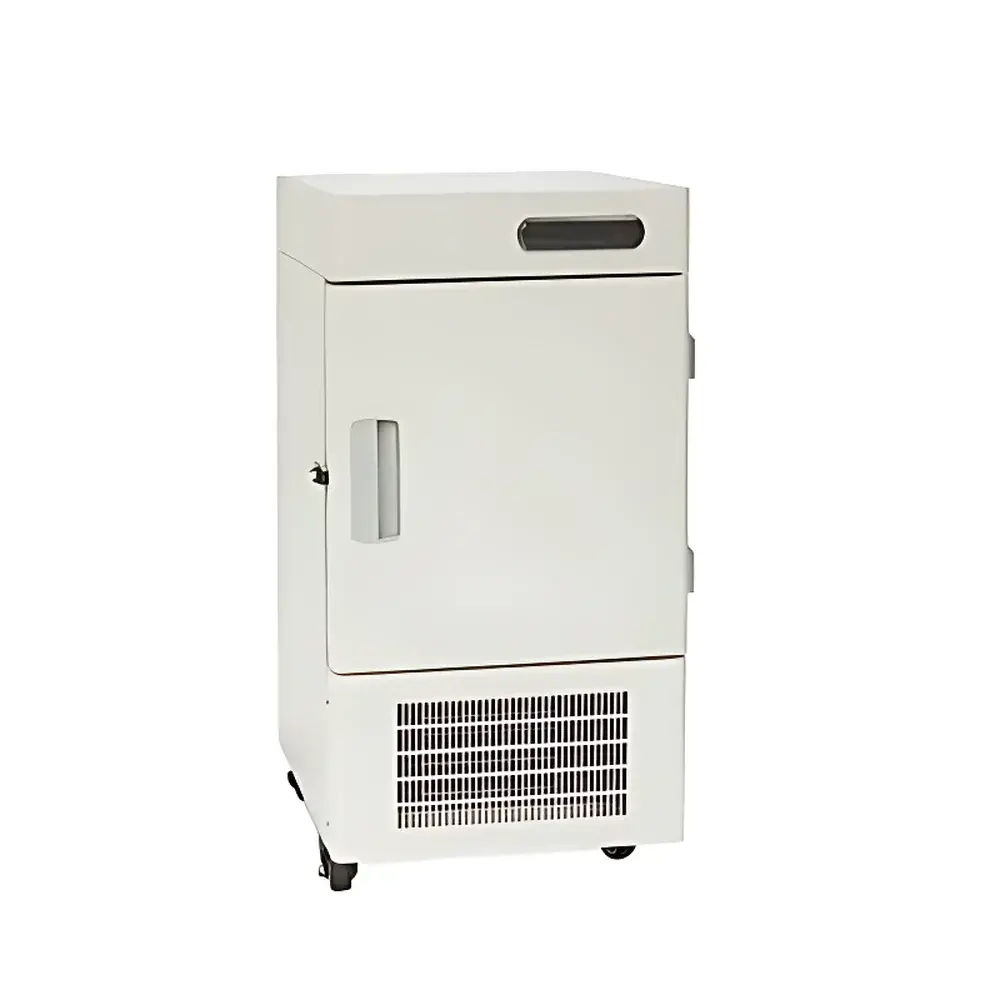
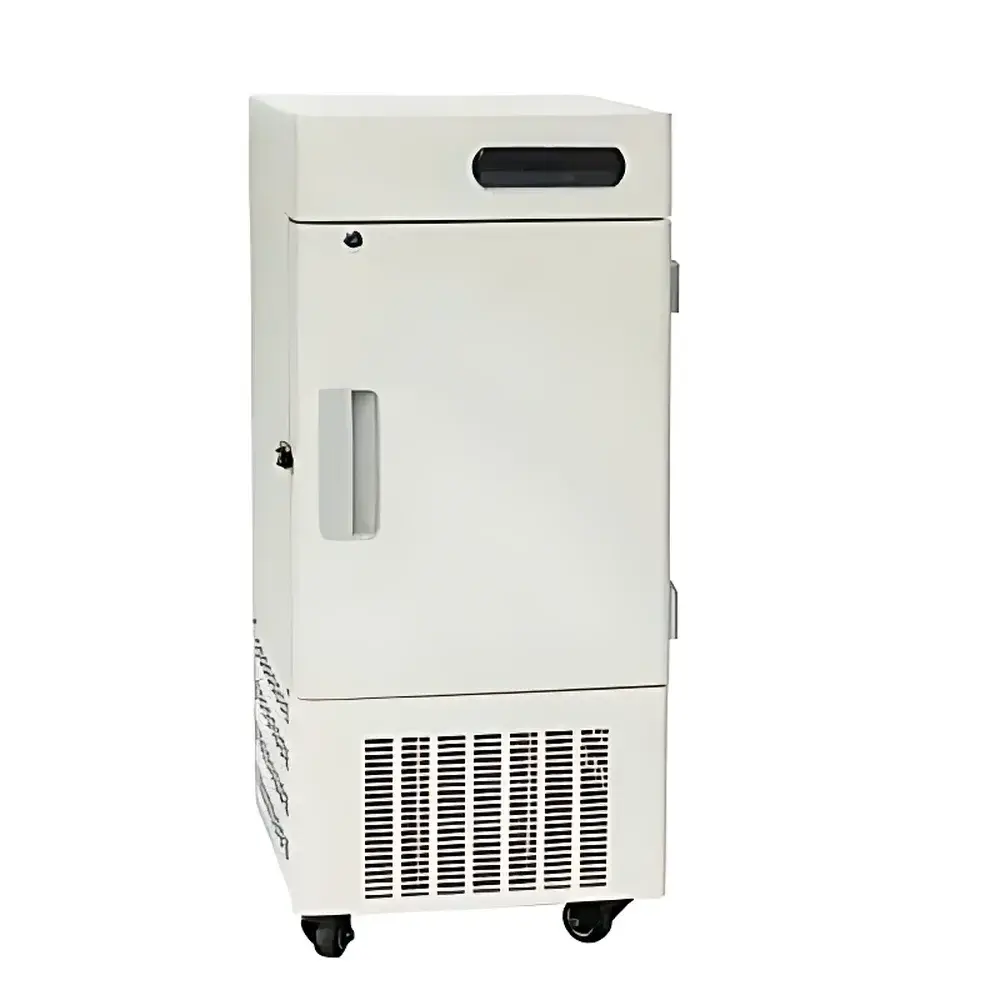
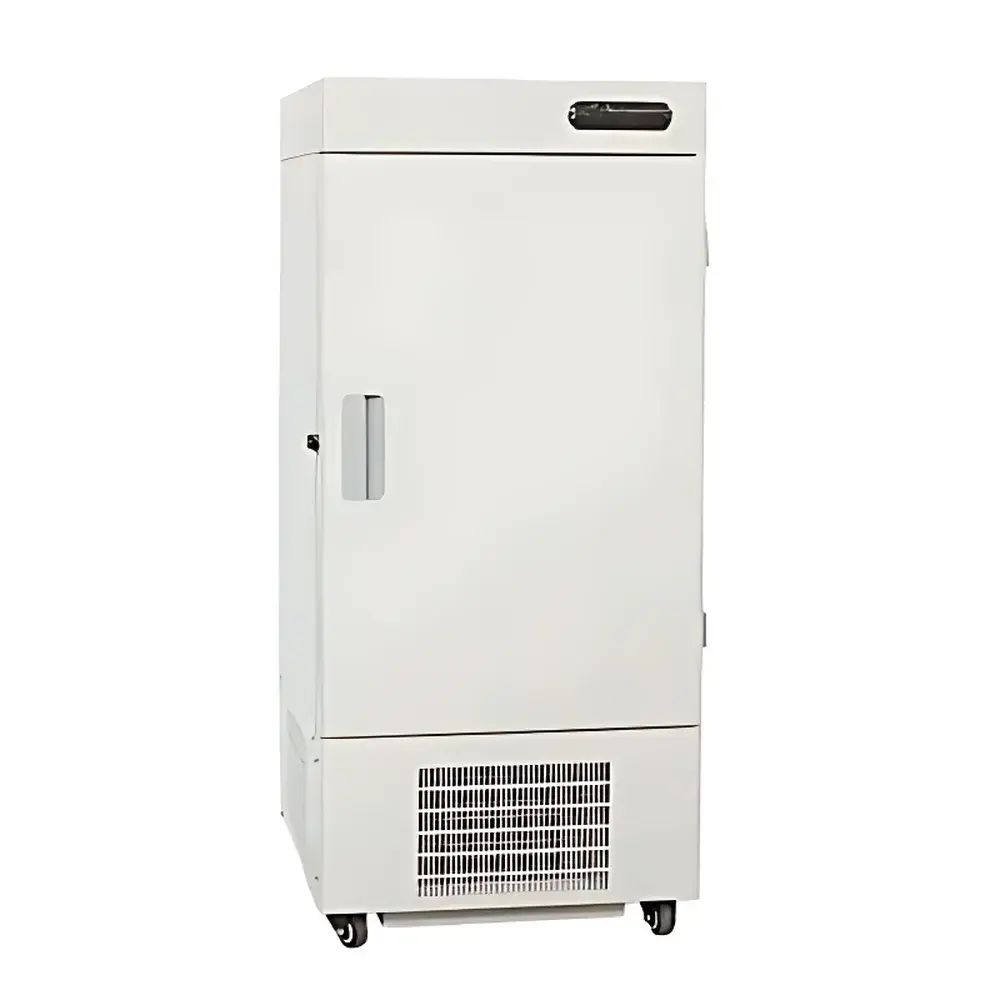
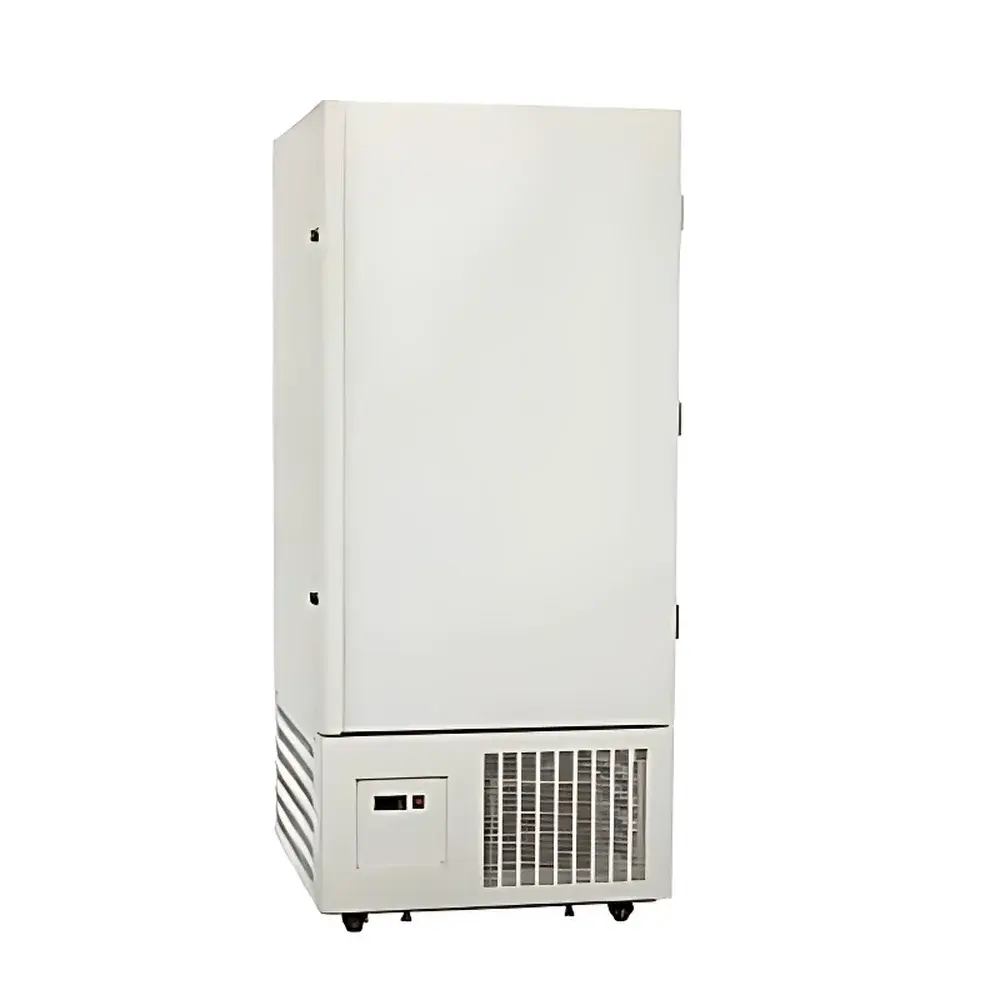
Tianfeng TF-40-30-LA Industrial Low-Temperature Refrigerator
| Brand | Tianfeng |
|---|---|
| Origin | Shanghai, China |
| Manufacturer Type | Direct Manufacturer |
| Country of Origin | China |
| Model | TF-40-30-LA |
| Effective Volume | 30 L |
| Temperature Range | -15 °C to -40 °C |
| Interior Dimensions (mm) | 270 × 265 × 400 |
| Exterior Dimensions (mm) | 470 × 490 × 1120 |
| Power Supply | 220 V / 50 Hz |
| Rated Power | 350 W |
| Noise Level | 57 dB(A) |
| Refrigerant | Eco-friendly non-CFC/HFC-free alternative (R290/R600a blend) |
| Inner Liner Material | Stainless steel (AISI 304) |
| Door Configuration | Four independent inner doors |
| Shelving | Three adjustable stainless-steel shelves |
| Cooling Method | Hybrid convection–forced-air condensation |
| Interface | RS-232 (optional) |
| Certifications | ISO 9001:2000 compliant |
Overview
The Tianfeng TF-40-30-LA Industrial Low-Temperature Refrigerator is an engineered solution for stable, energy-efficient storage of temperature-sensitive biological and chemical materials at sustained sub-zero conditions. Designed specifically for laboratory and industrial environments where reliability, serviceability, and regulatory traceability are essential, this unit operates within a precisely controlled temperature range of –15 °C to –40 °C—optimized for long-term preservation of blood components (e.g., red/white blood cells), microbial cultures, tissue samples, vaccines, reagents, and electronic components requiring thermal stabilization. Its thermodynamic architecture integrates a high-efficiency, low-GWP refrigerant cycle with dual-mode heat dissipation (natural convection + regulated fan-assisted condensation), enabling consistent performance even under ambient temperatures up to 35 °C and in dust-prone or space-constrained installations. Unlike conventional ultra-low-temperature freezers that rely exclusively on cascade compressors or liquid nitrogen, the TF-40-30-LA employs a single-stage, sealed hermetic compressor system paired with advanced insulation (polyurethane foam, ≥100 mm thickness) and seamless stainless-steel interior construction—reducing thermal bridging, minimizing frost accumulation, and supporting GLP-compliant sample integrity.
Key Features
- Stainless-steel (AISI 304) inner chamber and door liners with radius-corner design for easy decontamination and compliance with ISO 14644 cleanroom-compatible cleaning protocols
- Four independently sealed inner doors to minimize cold air loss during frequent access—critical for maintaining thermal stability across repeated opening cycles
- Three-tier adjustable shelving system accommodating variable container formats (cryovials, specimen tubes, 50-mL conical tubes, and standard Petri dishes)
- Hybrid cooling architecture: 50% natural convection + 50% forced-air condenser cooling—ensures compressor longevity and operational resilience when ambient particulate loading compromises airflow
- Low-noise operation (≤57 dB[A] at 1 m distance), validated per ISO 3744 acoustic testing methodology
- RS-232 serial interface (optional) for integration into centralized laboratory monitoring systems, enabling time-stamped temperature logging and alarm event capture
- Mechanical door lock + power lock assembly meeting IEC 61000-4-5 surge immunity requirements for secure access control in shared lab facilities
- Non-ozone-depleting, low-global-warming-potential refrigerant blend (R290/R600a), fully compliant with EU F-Gas Regulation (EU) No 517/2014 and China’s HCFC Phase-out Management Plan
Sample Compatibility & Compliance
This refrigerator supports storage of diverse biospecimens—including whole blood units, PBMC isolates, bacterial glycerol stocks, lyophilized enzymes, and polymer-based calibration standards—without inducing thermal shock or phase transition artifacts. Its uniform internal temperature distribution (±2.5 °C max deviation across all zones, per ASTM F2697-21 validation protocol) ensures reproducible cryostability. The unit conforms to key international standards governing medical device storage: ISO 13485:2016 (medical device QMS), ISO 20417:2021 (information supplied by manufacturer), and YY/T 0287–2017 (Chinese adaptation of ISO 13485). While not classified as a Class IIb medical device under MDR 2017/745, it is routinely deployed in ISO/IEC 17025-accredited testing labs and meets baseline environmental controls required for CLIA-waived and CAP-accredited biorepository workflows.
Software & Data Management
The TF-40-30-LA does not include embedded touchscreen HMI or proprietary cloud software; instead, it prioritizes interoperability via its optional RS-232 port. This interface supports ASCII-based polling commands compatible with industry-standard SCADA platforms (e.g., LabVIEW, Ignition, Siemens Desigo CC), allowing integration into existing facility-wide environmental monitoring systems (EMS) compliant with FDA 21 CFR Part 11 Annex 11 audit-trail requirements. When connected, users can configure automated data export intervals (1–60 min), define custom alarm thresholds (e.g., >–35 °C sustained for >5 min), and trigger email/SMS alerts via middleware gateways. All temperature logs are stored externally—eliminating onboard memory vulnerabilities and simplifying 21 CFR Part 11 electronic record retention for GxP-regulated environments.
Applications
- Blood banking: Short-to-medium term storage of RBCs, platelets, and plasma fractions prior to transfusion or processing
- Vaccine logistics: Holding stability-tested antigen preparations at –25 °C to –40 °C during QC release testing
- Microbiology: Preservation of reference strains (ATCC, DSMZ) and clinical isolates under anaerobic or aerobic cryoconditions
- Materials science: Thermal conditioning of polymer composites, superconducting ceramics, and battery electrode slurries
- Electronics manufacturing: Pre-conditioning of moisture-sensitive devices (MSL 2a–3) per JEDEC J-STD-033
- Academic research: Supporting longitudinal studies involving primary cell lines, organoids, and xenograft tissues
FAQ
What maintenance intervals are recommended for optimal compressor life?
Perform visual inspection of condenser coils and rear fan assembly every 90 days; clean with compressed air or soft brush if dust accumulation exceeds 2 mm depth. Replace dust filter (part #TF-DF-01) annually or after 1,500 operating hours.
Can this unit be validated for IQ/OQ/PQ protocols?
Yes. The TF-40-30-LA includes factory-calibrated NTC thermistors (±0.5 °C accuracy at –40 °C) and provides documented as-built drawings, material certifications (RoHS/REACH), and electrical safety test reports—enabling third-party qualification per ASTM E2500 and ISO/IEC 17025.
Is remote monitoring supported without RS-232 hardware?
No native Wi-Fi or Ethernet capability exists. For wireless telemetry, integrate via external IoT temperature loggers (e.g., SensiBLE, LogTag) mounted inside the chamber—configured to meet EN 12830 cold-chain validation criteria.
How does the hybrid cooling system improve failure resilience?
If the forced-air condenser becomes obstructed, natural convection maintains ≥60% nominal cooling capacity—preventing immediate compressor shutdown and allowing scheduled maintenance rather than emergency intervention.
Does the unit support GLP-compliant audit trails?
When interfaced with a validated EMS platform, all temperature excursions, door-open events, and alarm acknowledgments generate time/date-stamped, user-identified records with immutable digital signatures—fully satisfying GLP Principle 5 (data integrity) and OECD Series on Principles of Good Laboratory Practice.
Related Products