
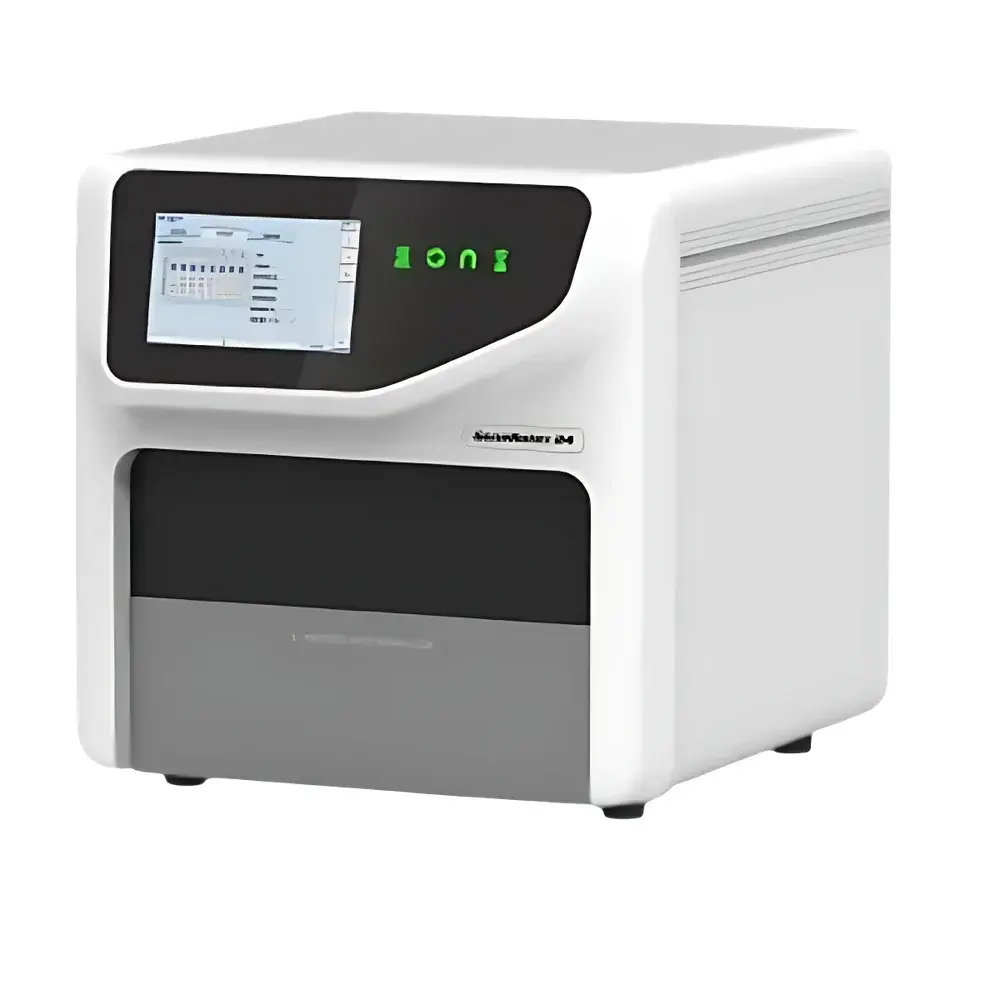
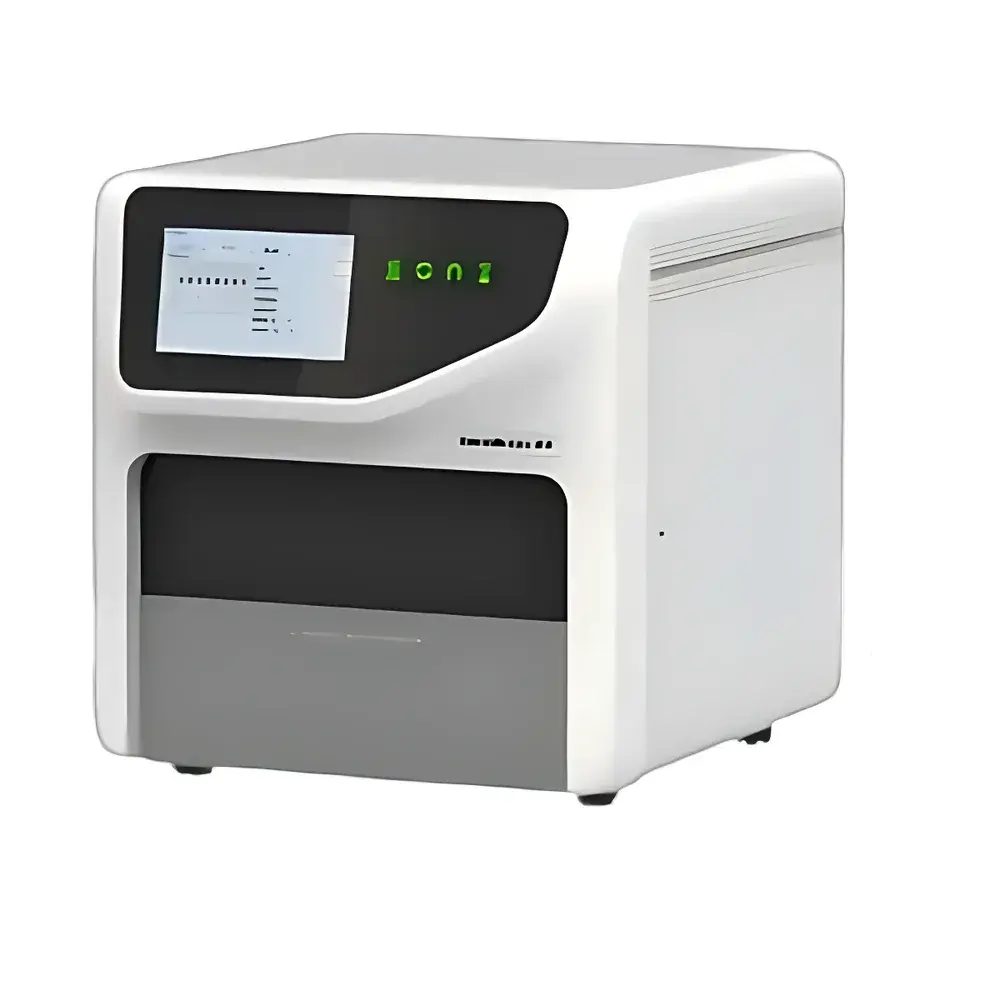
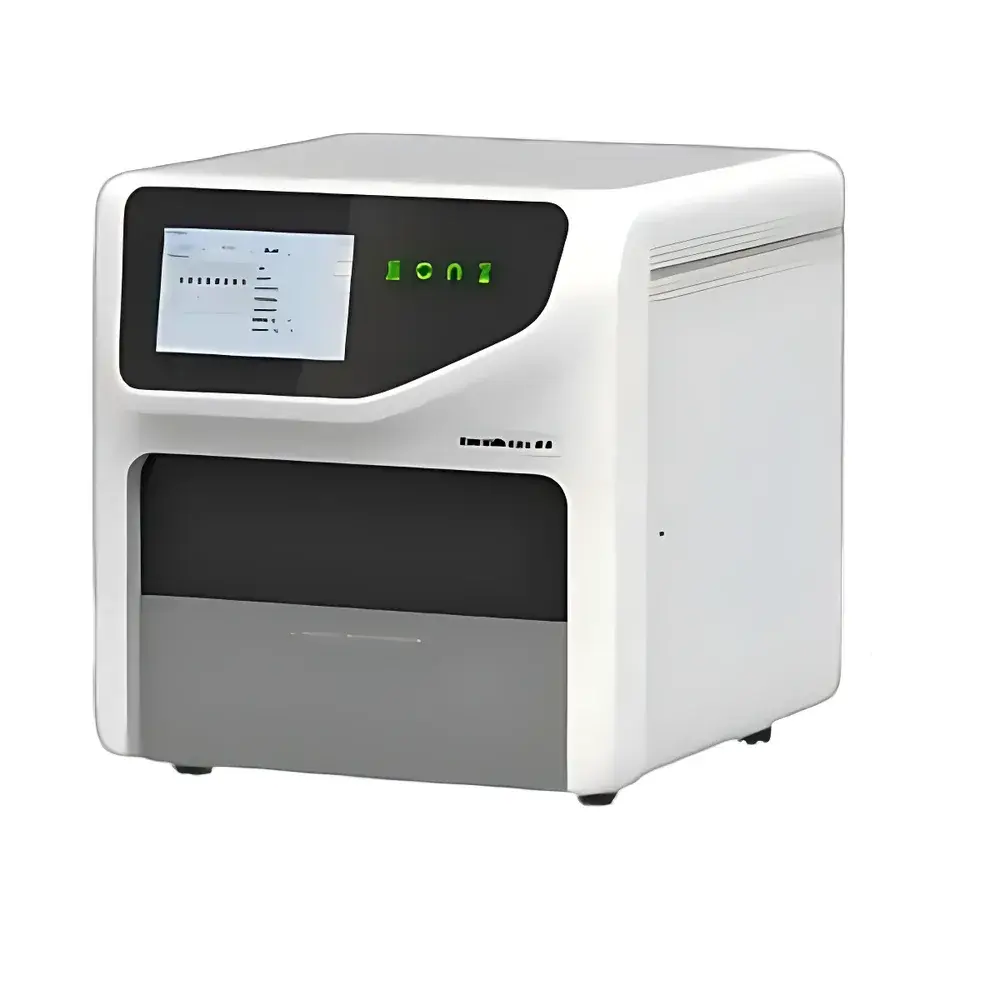
TIANLONG Genrich 24 Wastewater Molecular Enrichment System
| Brand | TIANLONG |
|---|---|
| Origin | Shaanxi, China |
| Manufacturer Type | OEM Manufacturer |
| Country of Origin | China |
| Model | Genrich 24 |
| Pricing | Upon Request |
Overview
The TIANLONG Genrich 24 Wastewater Molecular Enrichment System is an integrated, fully automated platform engineered for the concentration, purification, and recovery of low-abundance biomolecules—including viral RNA, bacterial DNA, and small-molecule analytes—from complex wastewater matrices. It operates on the principle of magnetic bead-based solid-phase extraction (SPE), leveraging high-affinity paramagnetic particles functionalized with silica or carboxyl groups to selectively bind nucleic acids under controlled chaotropic salt and pH conditions. The system combines a dedicated wastewater molecular concentrator with pre-validated, single-use reagent kits, enabling standardized, walk-away processing of up to 24 samples per run. Designed specifically for environmental surveillance programs, it supports early-warning monitoring of enteric and respiratory pathogens—including SARS-CoV-2, influenza A/B, norovirus, adenovirus, monkeypox virus, Salmonella spp., and Vibrio cholerae—in municipal wastewater, influent/effluent streams, and surface water sources.
Key Features
- High-throughput automation: Processes 1–24 samples in parallel with programmable sample volume ranging from 50 µL to 15,000 µL; typical recommended input is 15 mL of raw or filtered wastewater.
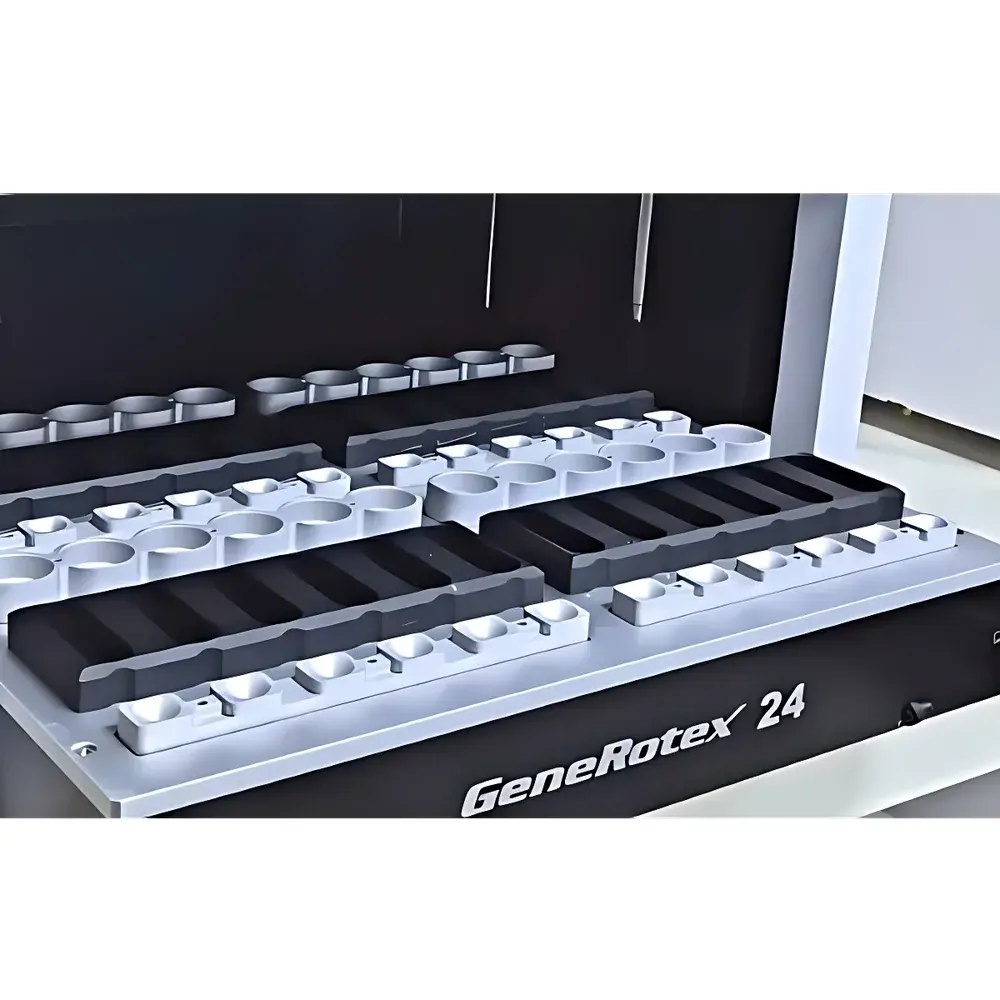
- Optimized magnetic bead kinetics: Integrated rotational mixing (≤3000 rpm) ensures uniform bead suspension and maximizes binding efficiency—achieving up to 40% nucleic acid recovery, significantly exceeding the ≥5% minimum recovery threshold specified in ISO/IEC 17025-accredited environmental virology protocols.
- Biocontainment architecture: Equipped with HEPA-filtered negative-pressure exhaust, internal UV-C irradiation (254 nm), and sealed reaction chambers to mitigate aerosol generation and cross-contamination risks during lysis and elution steps.
- Intuitive human-machine interface: 7-inch full-color capacitive touchscreen with dual-language support (English/Chinese); optional barcode scanner integration enables one-click protocol selection and traceable run initiation.
- Robust thermal control: Independent heating zones for lysis (ambient to 120°C) and elution (ambient to 120°C), ensuring complete pathogen inactivation and efficient nucleic acid release from complex organic matter.
- Flexible consumable compatibility: Uses proprietary 7-well strip tubes designed for high-volume wastewater processing; all reagents are pre-packaged in sterile, RNase/DNase-free formats with lot-specific QC documentation.
Sample Compatibility & Compliance
The Genrich 24 accommodates diverse aqueous environmental matrices, including raw sewage, secondary-treated effluent, stormwater runoff, and chlorinated drinking water. It has been validated per ASTM D8290–22 (Standard Guide for Molecular Detection of Viruses in Wastewater) and aligns with WHO Guidance on Wastewater-Based Epidemiology (2023). All onboard workflows support GLP-compliant data integrity: audit trails log user ID, timestamp, protocol version, and critical parameters (temperature, rotation speed, cycle count). Instrument firmware complies with IEC 62304 Class B software safety requirements and supports 21 CFR Part 11–ready electronic signatures when paired with validated LIMS integration.
Software & Data Management
The embedded operating system stores up to 10,000 customizable protocols, each configurable for incubation time, heating ramp rate, rotation profile, and wash stringency. Users may create, duplicate, rename, or delete methods via the touchscreen UI. Run logs—including real-time status, error codes, and completion reports—are exportable via USB to CSV or PDF. Firmware updates are delivered via encrypted USB drive with SHA-256 hash verification. Remote diagnostics and service mode access require authenticated technician credentials, ensuring secure maintenance without compromising operational continuity.
Applications
- Community-level wastewater-based epidemiology (WBE) for real-time tracking of circulating viral variants and antimicrobial resistance genes.
- Regulatory compliance monitoring under national environmental health frameworks (e.g., China’s HJ 1248–2022, US EPA Method 1615).
- Research-grade enrichment of extracellular vesicles, metabolites, and microbial cell-free DNA from low-biomass aquatic samples.
- Pre-analytical standardization prior to qRT-PCR, digital PCR, metagenomic sequencing, or LC-MS/MS analysis.
- Emergency response deployment for rapid pathogen screening following flood events or infrastructure failures.
FAQ
What types of pathogens can be reliably enriched using the Genrich 24?
The system is validated for enveloped and non-enveloped viruses (e.g., coronaviruses, enteroviruses, adenoviruses), Gram-negative and Gram-positive bacteria (e.g., E. coli, Salmonella, Vibrio), and select protozoan markers.
Is method validation support available for regulatory submissions?
Yes—TIANLONG provides application notes, recovery rate datasets, LOD/LOQ studies, and IQ/OQ documentation templates aligned with ISO/IEC 17025 and CLSI EP17-A2 guidelines.
Can the Genrich 24 integrate with laboratory information management systems (LIMS)?
It supports HL7 v2.x and ASTM E1384-compliant data export; API-based middleware integration is available under NDA for enterprise deployments.
What maintenance intervals are recommended for sustained performance?
HEPA filters require replacement every 6 months or after 500 runs; UV lamps should be calibrated annually; rotational motor and pipetting components undergo preventive servicing every 12 months per the manufacturer’s maintenance schedule.
Does the system meet international electrical safety standards?
Yes—the instrument is CE-marked (EN 61010-1:2010, EN 61326-1:2013) and certified to UL 61010-1 (2nd Edition) for laboratory use in North America and the EU.
Related Products







