
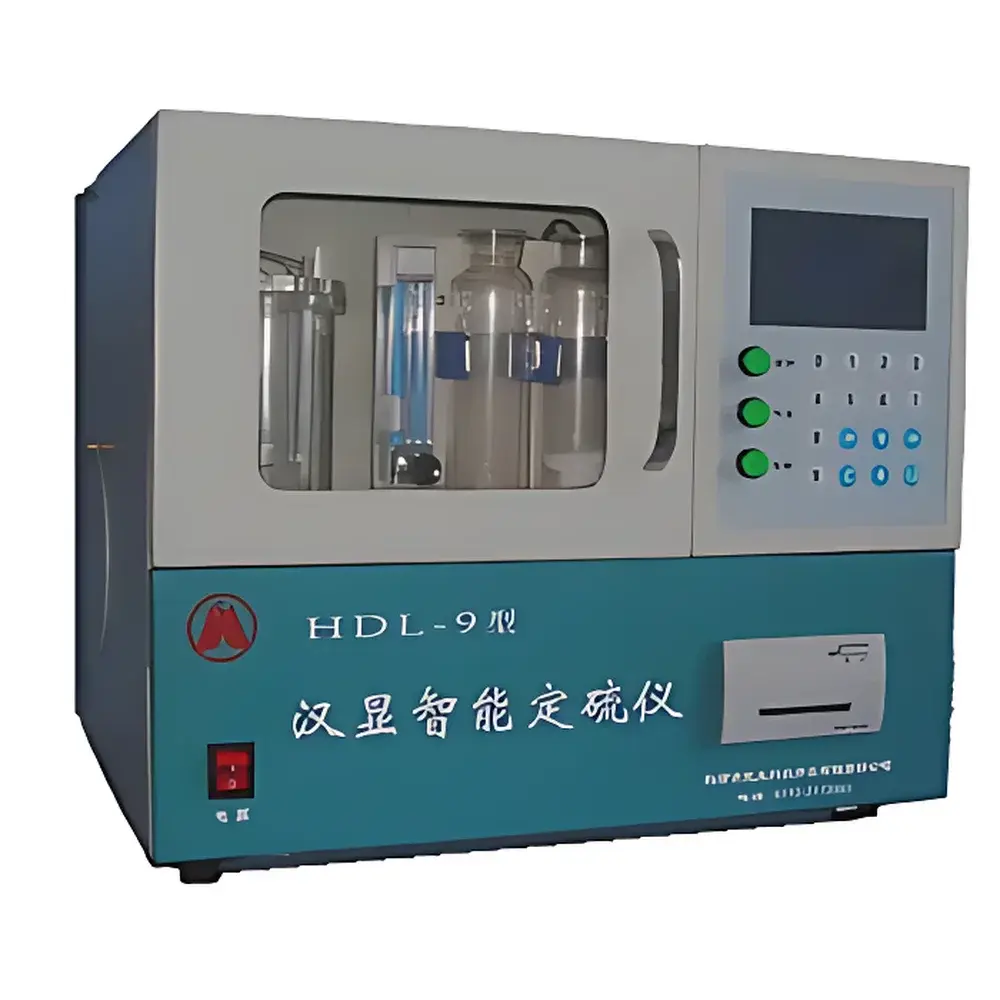
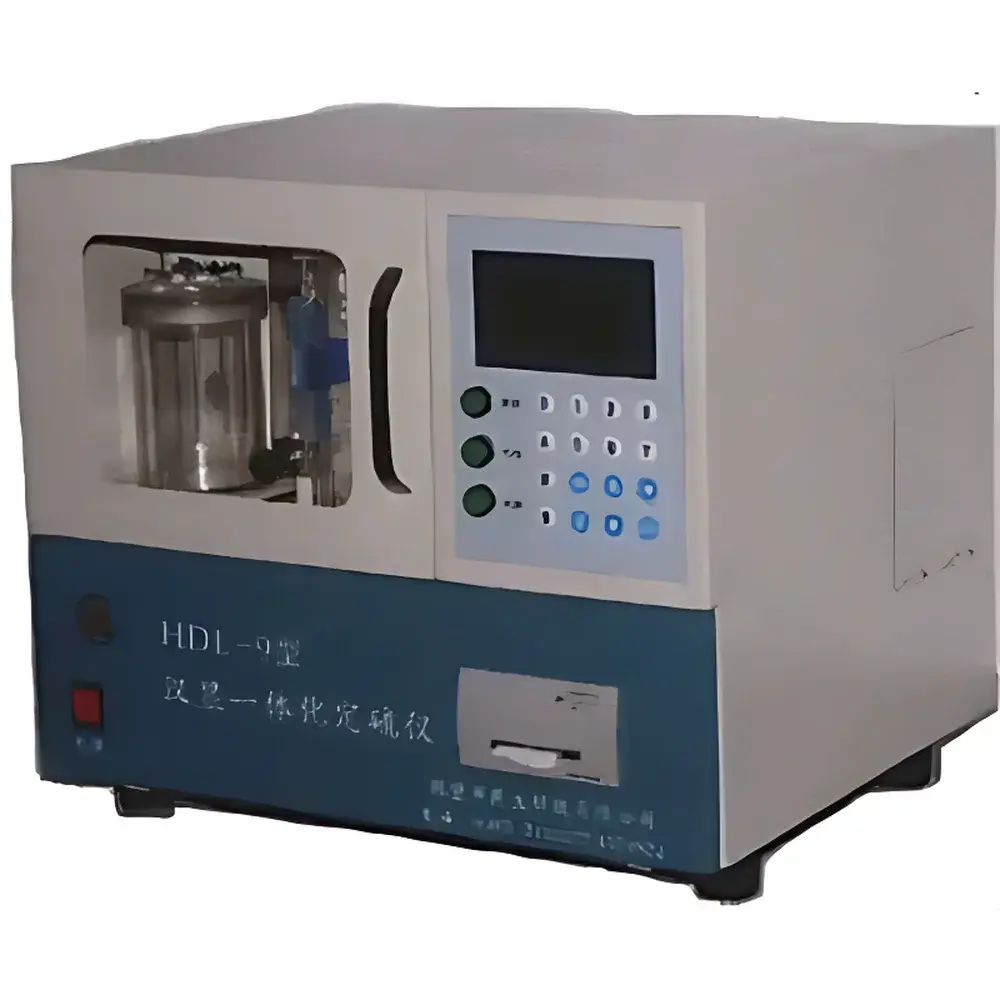
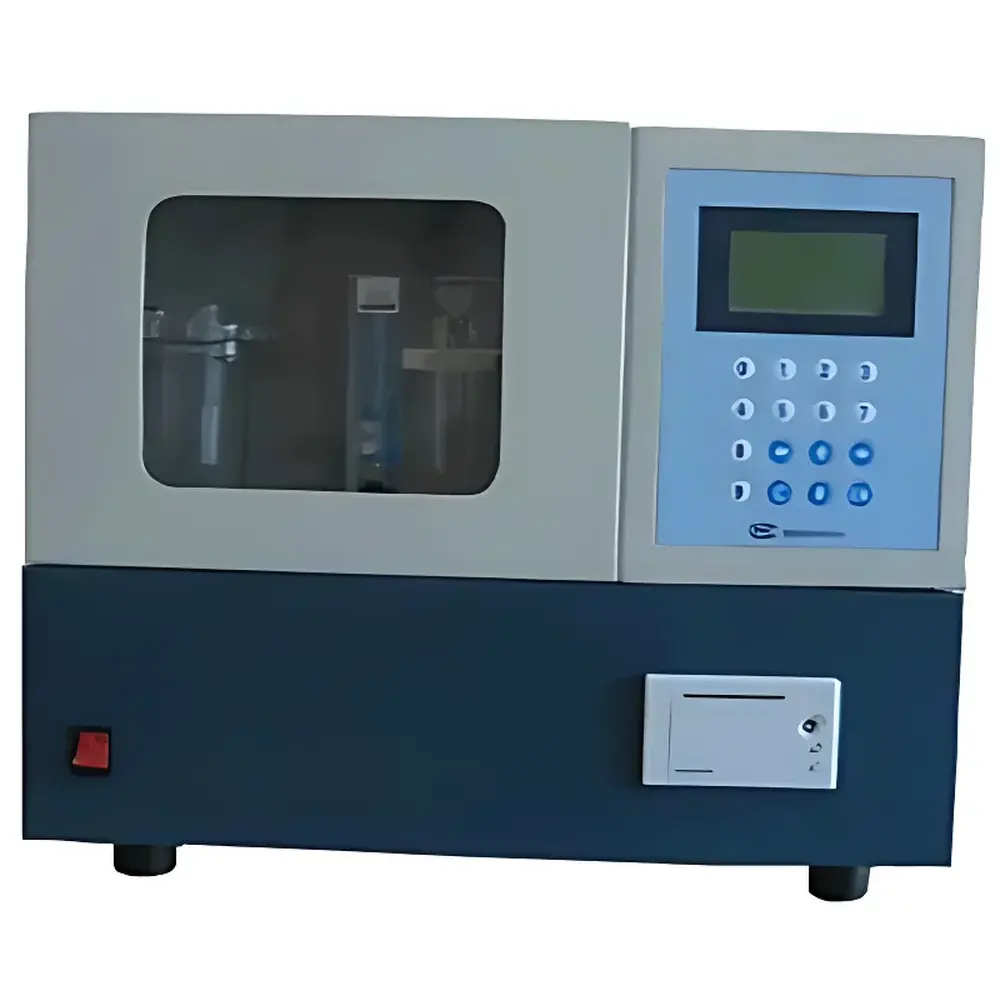
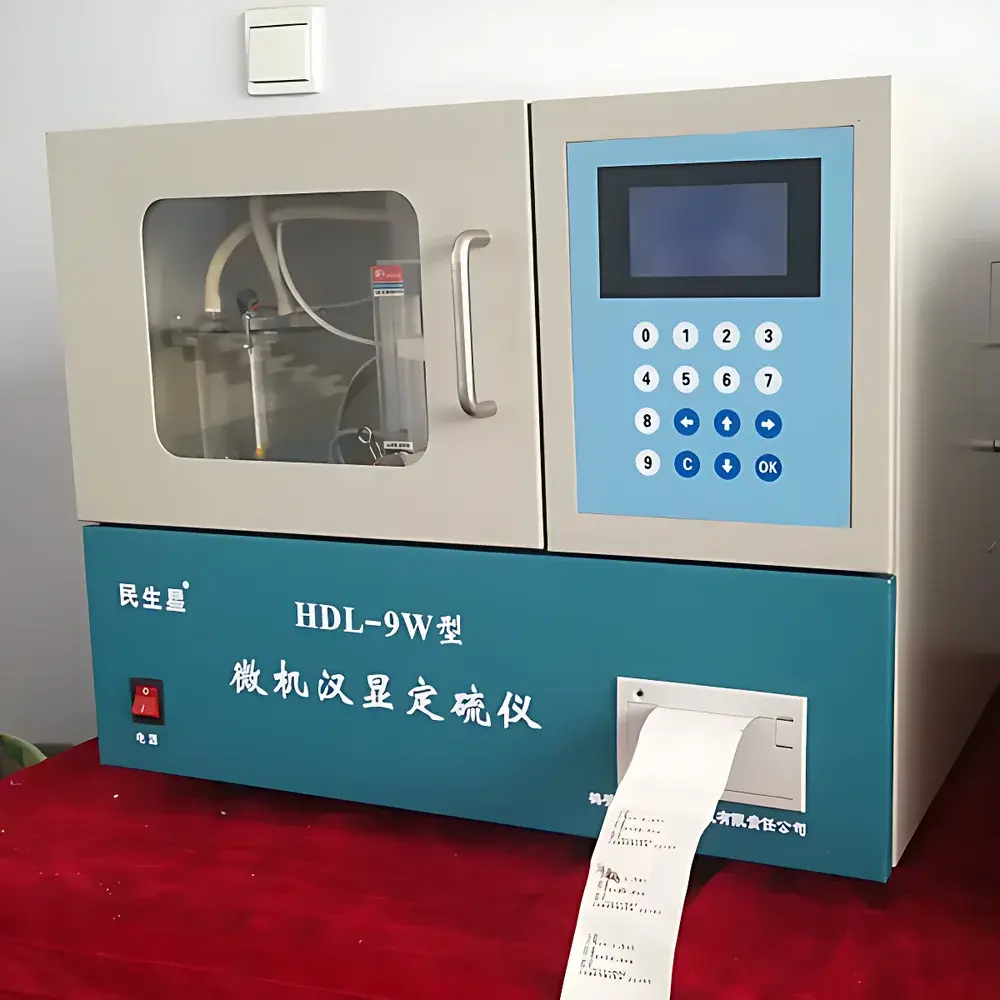
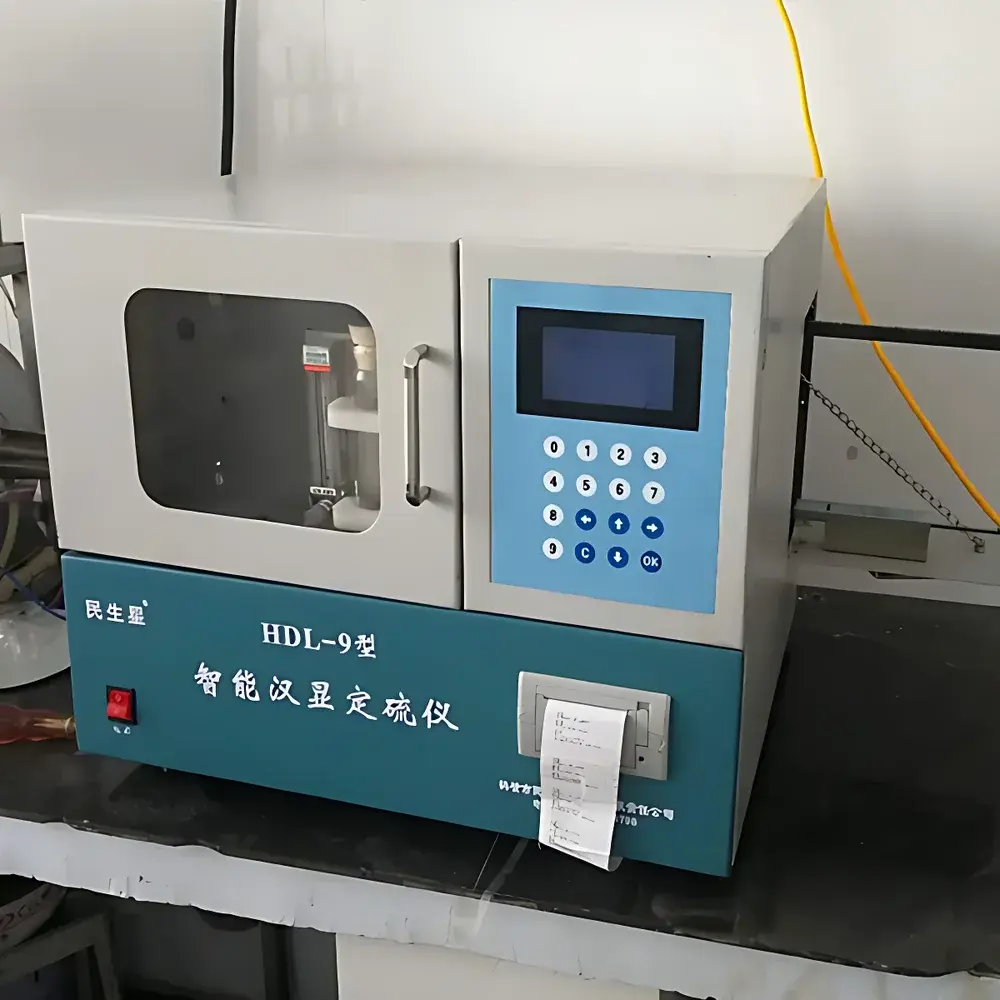
MingShen Science HDL-9 Coulometric Sulfur Determinator
| Brand | MingShen Science |
|---|---|
| Origin | Henan, China |
| Manufacturer Type | Authorized Distributor |
| Country of Origin | China |
| Model | HDL-9 |
| Detection Principle | Coulometric Titration (ASTM D3177, GB/T 214, ISO 4299) |
| Application Scope | Coal, Coke, Iron Ore, Steel Slag, Limestone, Fly Ash, and Other Inorganic Solids |
| Compliance | GB/T 214–2007, ASTM D3177–22, ISO 4299:2021 |
Overview
The MingShen Science HDL-9 Coulometric Sulfur Determinator is a microprocessor-controlled analytical instrument engineered for precise, reproducible quantification of total sulfur in solid fossil fuels and mineral matrices. It operates on the principle of controlled-potential coulometric titration: samples are combusted at 1150 °C in a high-efficiency silicon carbide furnace under a stream of purified oxygen; sulfur compounds are converted to SO₂, carried into a titration cell where electrochemical oxidation occurs at a platinum working electrode. The integrated coulometer measures the charge required to regenerate the iodine titrant (I₃⁻), enabling direct mass-based calculation of sulfur content per ASTM D3177–22 and GB/T 214–2007. Designed specifically for routine laboratory environments in coal-fired power plants, metallurgical QA/QC labs, geological survey institutes, and third-party environmental testing facilities, the HDL-9 delivers stable baseline performance without requiring external gas purification systems or manual electrolyte replenishment cycles.
Key Features
- Intelligent dual-stage electrolysis control: Manual activation initiates electrolysis, followed by real-time microprocessor validation of endpoint stability—eliminating false titrations caused by transient voltage fluctuations or incomplete combustion.
- PID-regulated furnace temperature control: Maintains setpoint accuracy within ±2 °C across 1000–1200 °C range; eliminates manual current adjustment and extends silicon carbide tube service life by reducing thermal cycling stress.
- Integrated Chinese-character LCD interface with contextual on-screen prompts: Enables intuitive navigation for operators with minimal training; all parameters—including target temperature, moisture correction factor, and calibration offset—are editable via membrane keypad.
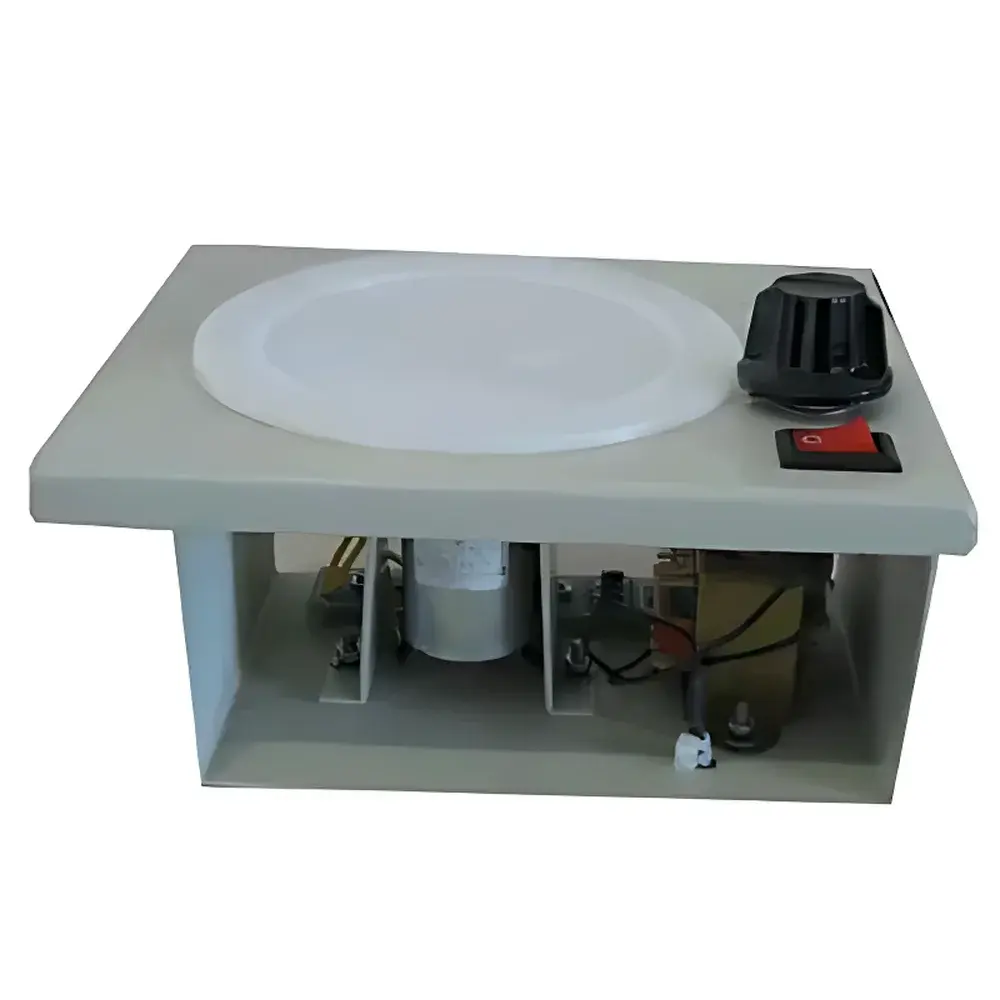
- Self-stabilizing magnetic stirrer: Automatically ramps stirring speed during titration to maintain optimal electrolyte homogeneity; prevents motor stall and ensures long-term mechanical reliability without manual speed tuning.
- Rotary-seal electrolytic cell lid: Ensures gas-tight integrity during analysis while allowing rapid, tool-free access for electrode cleaning or electrolyte replacement.
- Automated ceramic boat loading mechanism: Motorized door opens synchronously with furnace preheat cycle, minimizing operator exposure to high-temperature zones and improving workflow continuity.
- Real-time process monitoring: Simultaneous display of furnace temperature, heating current, indicator electrode potential, elapsed time, and calculated sulfur percentage throughout analysis.
Sample Compatibility & Compliance
The HDL-9 accepts standard 18 mm × 15 mm ceramic boats with sample masses ranging from 50 mg to 100 mg (coal), up to 200 mg (low-sulfur ores). It accommodates heterogeneous solids including bituminous coal, anthracite, coke breeze, blast furnace slag, limestone flux, and fly ash. All measurement protocols conform to mandatory regulatory frameworks: GB/T 214–2007 (China National Standard), ASTM D3177–22 (Standard Test Method for Total Sulfur in Coal and Coke), and ISO 4299:2021 (Solid Mineral Fuels — Determination of Total Sulfur — Coulometric Method). Instrument firmware supports audit-ready data logging compliant with GLP requirements, including user ID stamping, timestamped calibration records, and immutable result archives.
Software & Data Management
Data acquisition and reporting are managed through embedded firmware—not PC-dependent software—ensuring deterministic response timing and immunity to host OS instability. Each analysis generates a structured record containing sample ID, moisture-corrected dry-basis sulfur (%Sdb), as-received sulfur (%Sar), furnace profile trace, and endpoint detection confidence index. Results export via RS-232 serial interface to LIMS or Excel-compatible CSV files. Optional USB-to-serial adapter enables direct integration with laboratory informatics platforms supporting ASTM E1384 or ISO/IEC 17025-compliant electronic record retention.
Applications
- Quality assurance of incoming coal batches at thermal power stations and cement kiln operators
- Regulatory compliance testing for sulfur emission allowances (e.g., EPA Clean Air Act Title IV reporting)
- Metallurgical process control: sulfur specification verification in iron ore sinter feed and steelmaking fluxes
- Geochemical exploration: rapid field-deployable screening of sulfide-bearing rock samples
- Environmental monitoring laboratories performing stack emission source apportionment studies
- Academic research on desulfurization kinetics and sorbent efficiency evaluation
FAQ
What sulfur concentration range does the HDL-9 support?
The instrument achieves linear response from 0.02 wt% to 5.00 wt% total sulfur, with repeatability ≤0.02 wt% RSD (n=6) for certified reference materials such as NIST SRM 1632E.
Is moisture correction handled automatically?
Yes—when user-input moisture content (%) is entered prior to analysis, the system computes and reports both as-received and dry-basis sulfur values in real time.
Does the HDL-9 require daily maintenance?
No routine calibration is needed between analyses; only periodic cleaning of the quartz combustion tube and electrolytic cell electrodes every 50–100 tests is recommended.
Can it be integrated into an automated sample handling system?
While not natively robotic, the HDL-9’s RS-232 command protocol supports external trigger signals for start/stop sequencing, enabling synchronization with autosamplers equipped with TTL-level I/O interfaces.
Is the furnace temperature programmable in steps?
Temperature is set as a single fixed point (default 1150 °C); ramp profiles are not supported, as standardized methods mandate constant-temperature combustion per GB/T 214 and ASTM D3177.




