
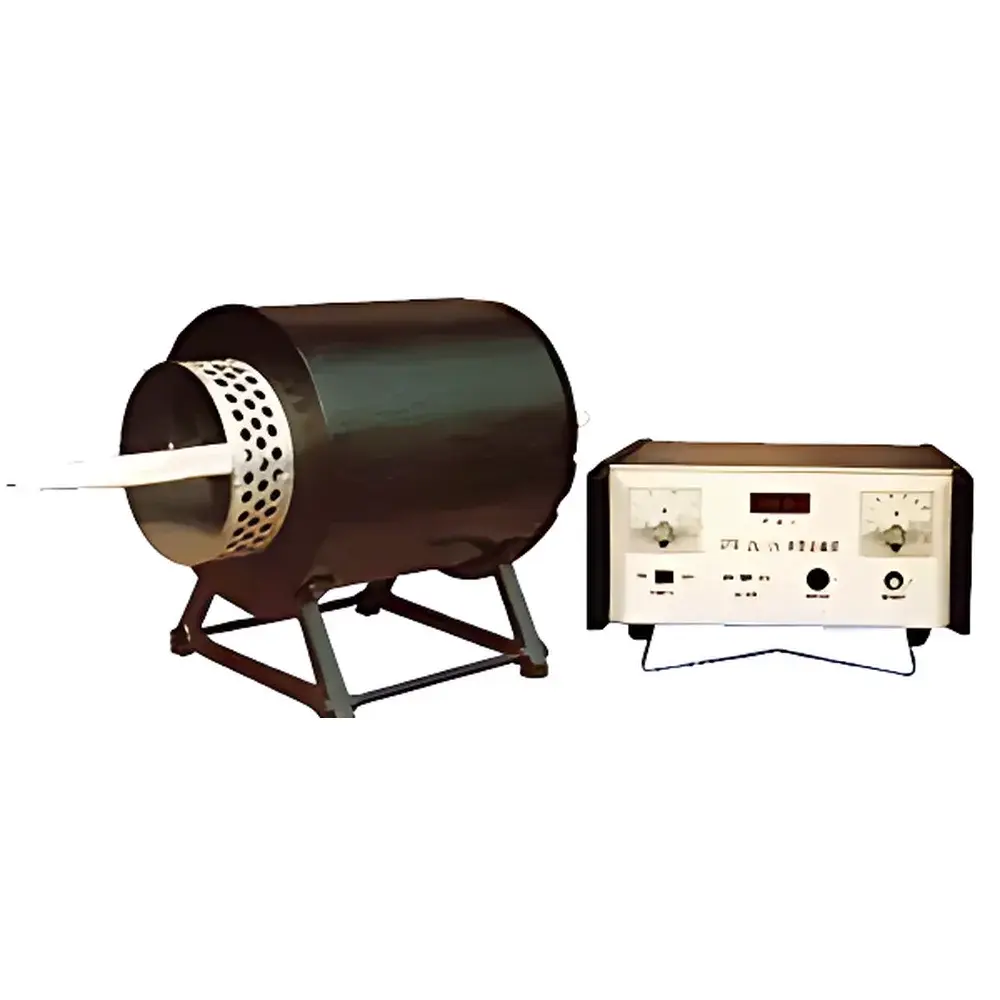
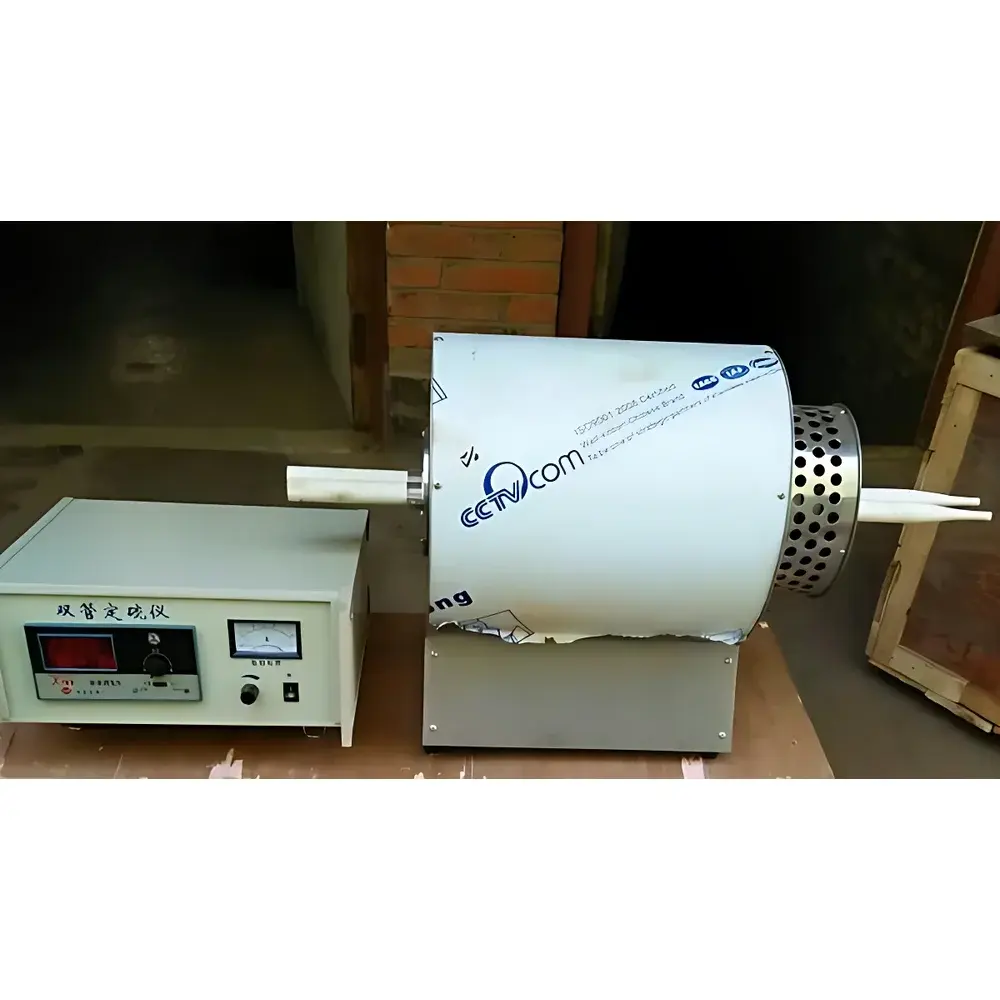
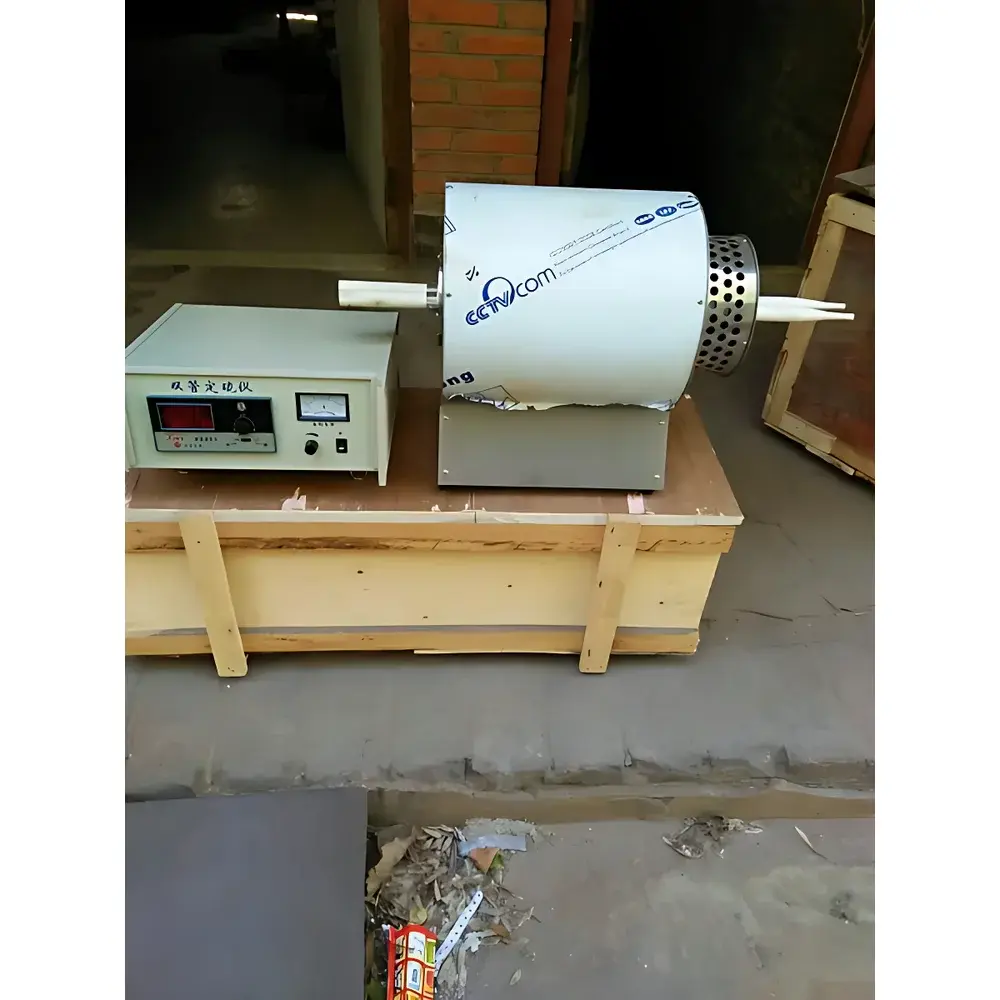
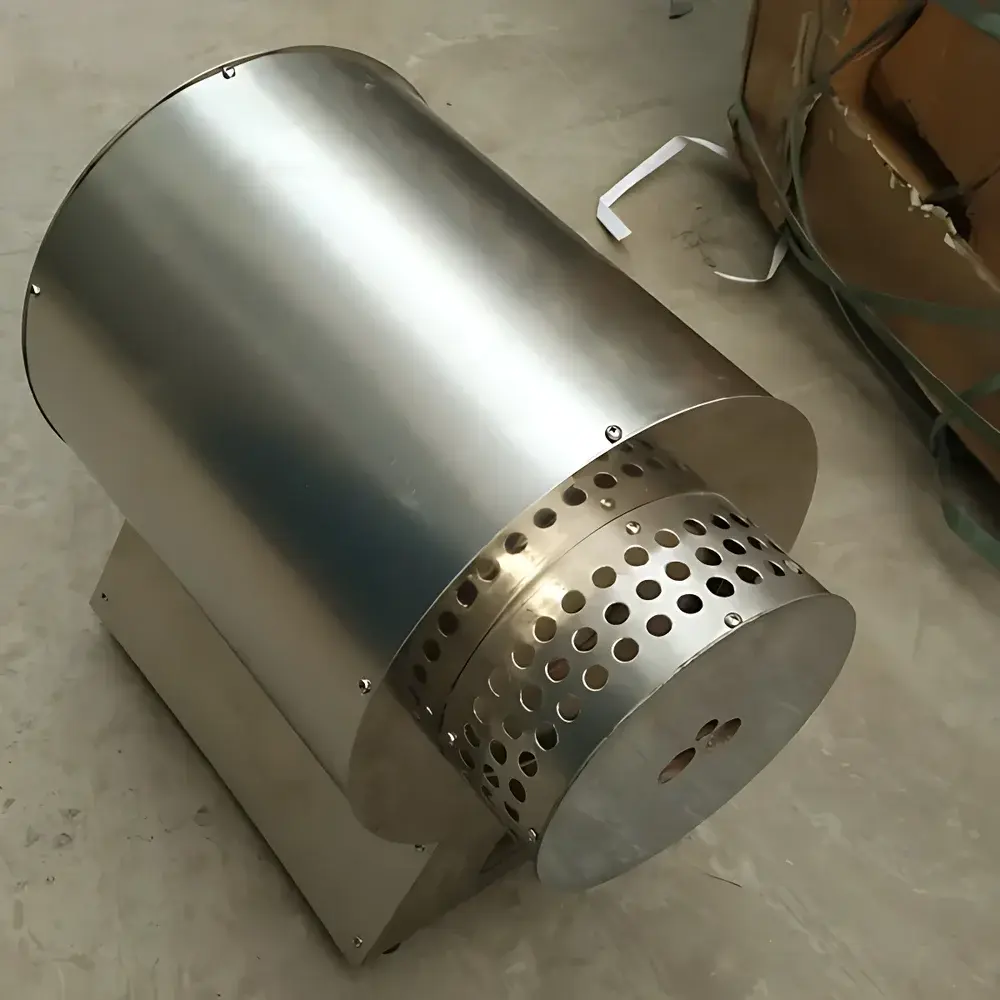
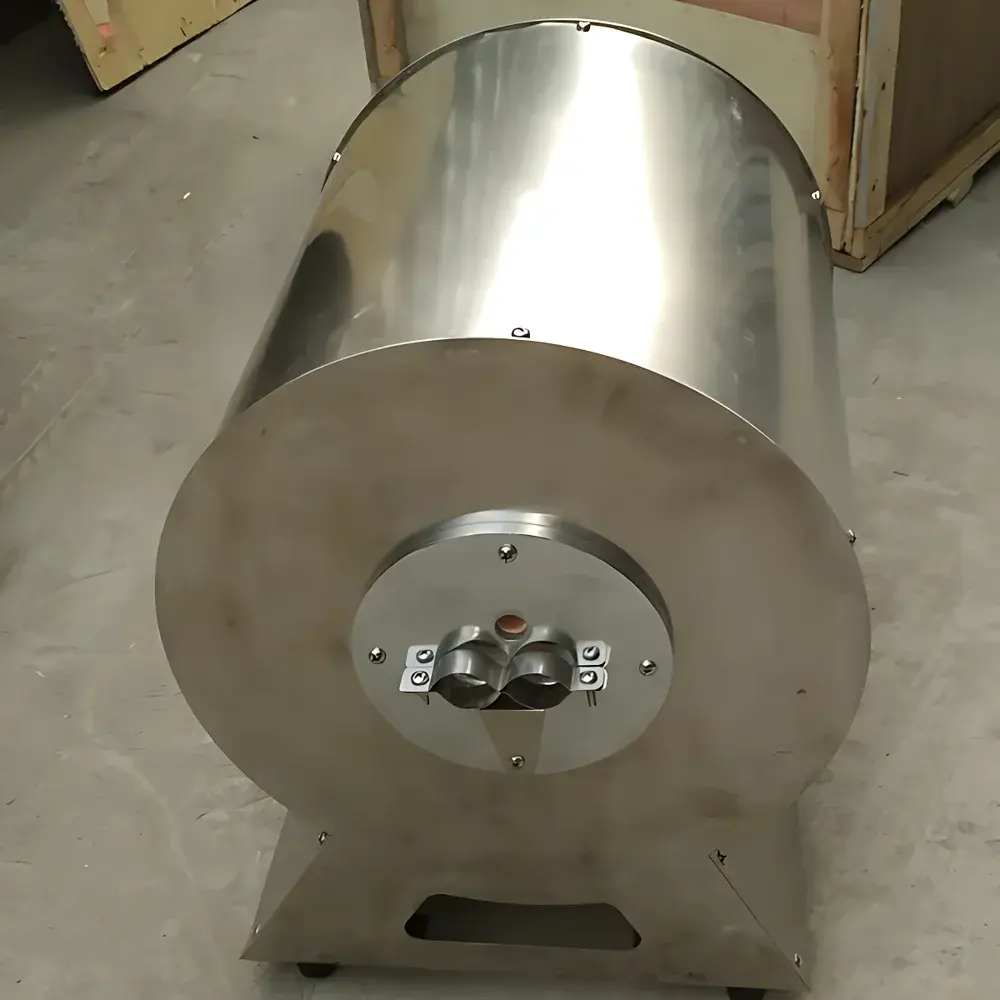
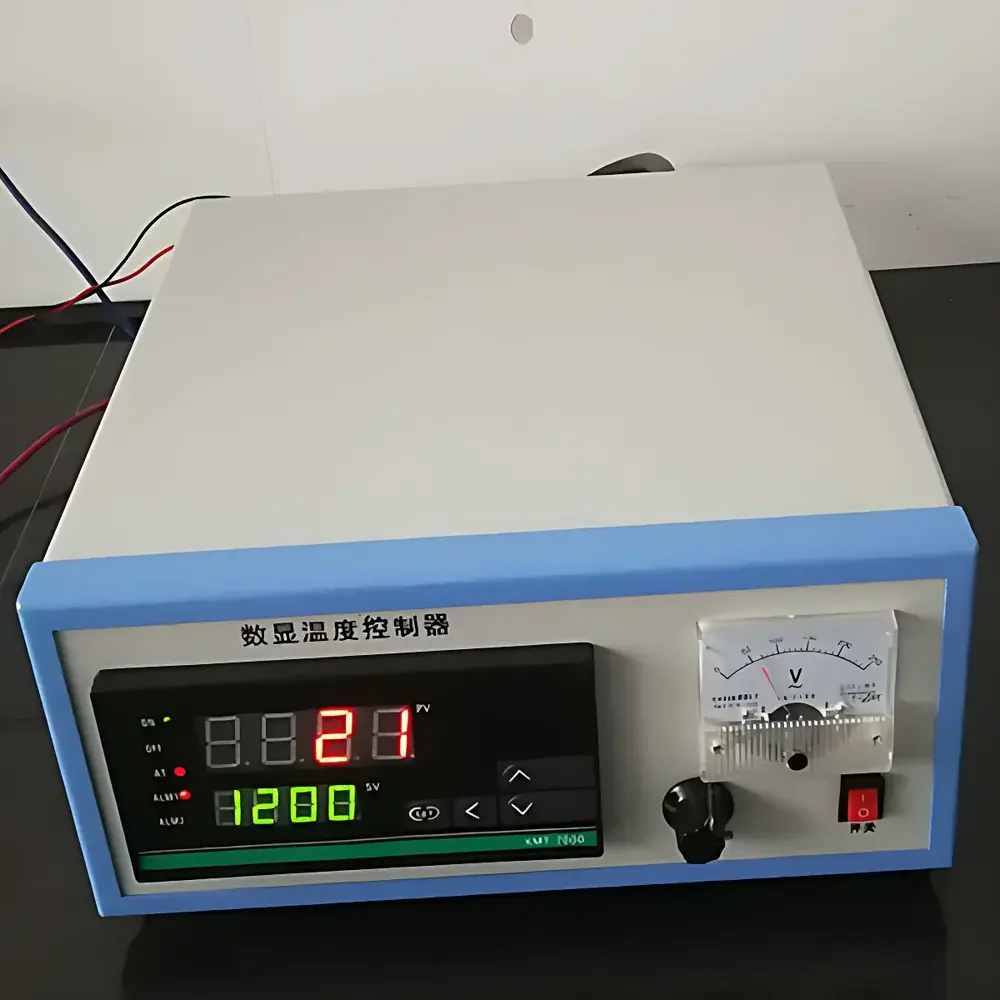
MingShen Science DL-1 Dual-Tube Coulometric Sulfur Determinator
| Brand | MingShen Science |
|---|---|
| Origin | Henan, China |
| Manufacturer Type | Authorized Distributor |
| Country of Origin | China |
| Model | DL-1 |
| Detection Principle | Coulometric Titration (per GB/T 214–2007) |
| Furnace Max Temp | 1500 °C (continuous operation at 1200 °C) |
| Heating Rate | 20–25 °C/min |
| Isothermal Zone | 80 mm (±10 °C) |
| Furnace Tube | Dual-threaded silicon carbide tube (Φ70/60 × 250/100 × 30 mm) |
| Reaction Tube | Alumina tapered tube (Φ22/18 × 760 mm) |
| Temperature Control Range | 0–1600 °C |
| Power Consumption | ~4 kW |
| Supply | 220 V, 50 Hz |
| Thermocouple | Pt-Rh/Pt (Class I accuracy, 0–1600 °C) |
| Net Weight | ~80 kg |
| Dimensions (L×W×H) | Furnace unit: 760×300×410 mm |
| Absorption unit | 340×150×320 mm |
Overview
The MingShen Science DL-1 Dual-Tube Coulometric Sulfur Determinator is a precision laboratory instrument engineered for the quantitative determination of total sulfur content in solid fuel and mineral samples—including coal, coke, iron ore, limestone, and metallurgical slags. It operates in strict compliance with GB/T 214–2007, the Chinese national standard equivalent to ISO 4299 and ASTM D3177 for sulfur analysis in solid fuels. Unlike classical gravimetric or iodometric methods, the DL-1 implements coulometric titration—a highly reproducible electrochemical technique where sulfur dioxide (SO₂), generated during high-temperature oxidative combustion, is absorbed in an electrolyte solution and quantitatively oxidized at a platinum working electrode. The charge required to regenerate the titrant (I₃⁻) is directly proportional to the sulfur mass, enabling sub-0.01% precision without manual reagent standardization.
Key Features
- Dual independent reaction channels—enabling concurrent analysis of two samples without cross-contamination or timing interference, improving lab throughput by up to 100% versus single-tube systems.
- High-stability silicon carbide furnace with dual-threaded geometry, rated for continuous operation at 1200 °C and short-term excursions to 1500 °C, ensuring complete oxidation of refractory sulfides (e.g., pyrite) and organic sulfur species.
- Precisely engineered isothermal zone (80 mm length, ±10 °C uniformity) maintained via PID-controlled power modulation and integrated thermal shielding—critical for consistent SO₂ evolution kinetics and quantitative recovery.
- Alumina tapered reaction tube (Φ22/18 × 760 mm) resistant to thermal shock and acidic condensates, minimizing carryover and memory effects between analyses.
- Integrated Pt-Rh/Pt thermocouple (Class I, 0–1600 °C) with cold-junction compensation and real-time digital feedback—ensuring traceable temperature calibration per ISO/IEC 17025 requirements.
- Low-drift coulometric cell with optimized electrode geometry and electrolyte circulation, delivering long-term baseline stability and <0.005% RSD for replicate coal standards (e.g., NIST SRM 1632E).
Sample Compatibility & Compliance
The DL-1 accepts solid samples ranging from 50 to 100 mg, accommodated in ceramic crucibles or quartz boats. It supports heterogeneous matrices including bituminous and anthracite coals, low-sulfur lignites, desulfurized fly ash, and high-ash industrial minerals. All hardware and procedural workflows align with QA/QC expectations for ISO 17025-accredited laboratories: temperature profiles are logged with timestamped metadata; cell current and endpoint potential are recorded at ≥10 Hz resolution; and system diagnostics (e.g., gas flow verification, electrolyte conductivity monitoring) are embedded in each run sequence. While not FDA 21 CFR Part 11–compliant out-of-the-box, the instrument’s data output format (CSV/ASCII) enables seamless integration into validated LIMS or ELN platforms supporting electronic signatures and audit trails.
Software & Data Management
The DL-1 operates via a dedicated Windows-based control interface that manages furnace ramping, gas flow sequencing (O₂ purity ≥99.99%), electrolyte conditioning, coulometric integration, and endpoint detection using dynamic potential threshold algorithms. Raw data—including time-resolved current, voltage, temperature, and calculated sulfur mass %—are stored in structured ASCII files with embedded instrument ID, operator code, sample ID, and calibration history. Export functions support direct import into Microsoft Excel, MATLAB, or statistical process control (SPC) software. Calibration curves may be generated using certified reference materials (CRMs) traceable to NIST or CNAS; linear regression parameters (slope, intercept, R²) are retained per batch and subject to user-defined acceptance criteria (e.g., R² ≥ 0.9995).
Applications
- Quality control of thermal and coking coals in power plants and steel mills per contractual sulfur specifications (e.g., ≤1.0% S for PCI injection, ≤0.5% S for metallurgical coke).
- Compliance testing for environmental reporting under China’s “Coal Quality Supervision and Management Measures” and EU Industrial Emissions Directive (IED) Annex II monitoring requirements.
- R&D studies on desulfurization efficiency of flue gas cleaning systems, coal washing processes, and sorbent performance evaluation.
- Geological survey labs assessing sulfur speciation trends across stratigraphic layers using sequential combustion protocols.
- Third-party certification bodies performing interlaboratory comparison exercises under ISO 5725–2 guidance.
FAQ
What sulfur species does the DL-1 quantify?
The DL-1 measures total sulfur—including inorganic sulfides (e.g., pyrite, marcasite), sulfate minerals (e.g., gypsum, barite), and organically bound sulfur—via complete oxidative conversion to SO₂ at ≥1200 °C.
Is sample homogenization required prior to analysis?
Yes. Per GB/T 214–2007, samples must be ground to ≤0.2 mm particle size and thoroughly mixed to ensure representative subsampling, especially for high-variability feedstocks like run-of-mine coal.
How often must the electrolyte be replaced?
Under routine use (≤15 samples/day), the KI/KBr/H₃PO₄ electrolyte should be refreshed every 48 hours or after 30 analyses—whichever occurs first—to maintain coulombic efficiency >99.8%.
Can the DL-1 be used for liquid or gaseous fuels?
No. The DL-1 is designed exclusively for solid-phase samples. Liquid fuels (e.g., diesel, heavy oil) require ASTM D129–09 compliant bomb calorimeter–based methods; gaseous sulfur compounds demand GC–SCD or UV fluorescence analyzers.
Does the system include built-in calibration verification?
Yes. A dedicated “blank check” mode runs inert carbon powder to verify baseline drift and background current; a “standard check” mode validates sensitivity using pre-weighed sulfur-coated coal standards before each analytical batch.
Related Products






