
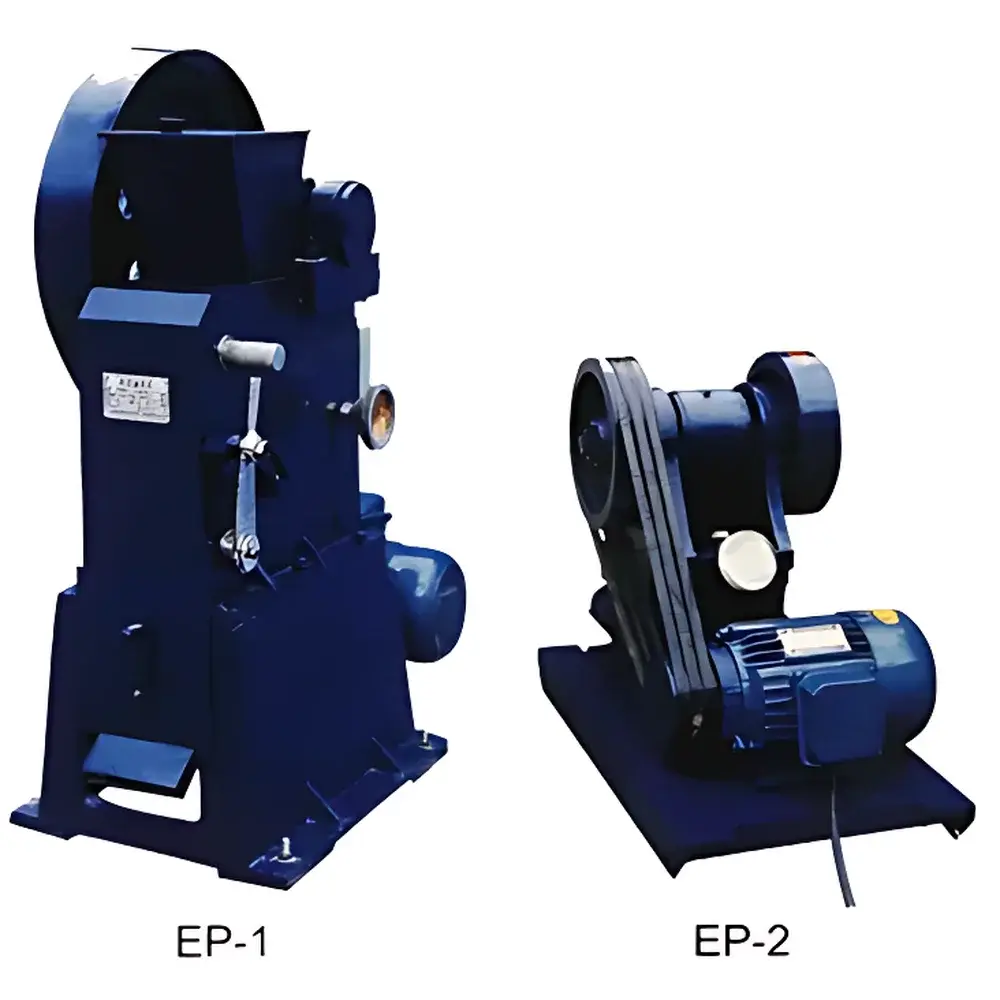
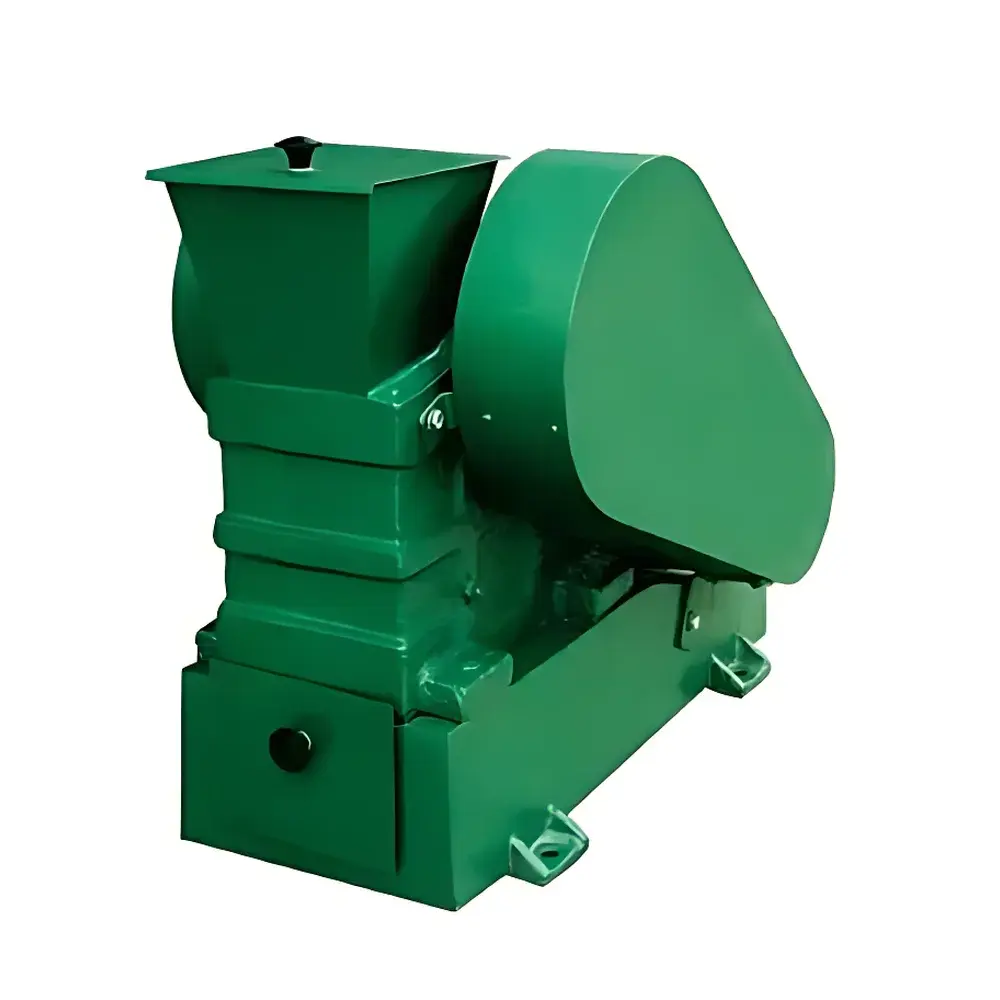
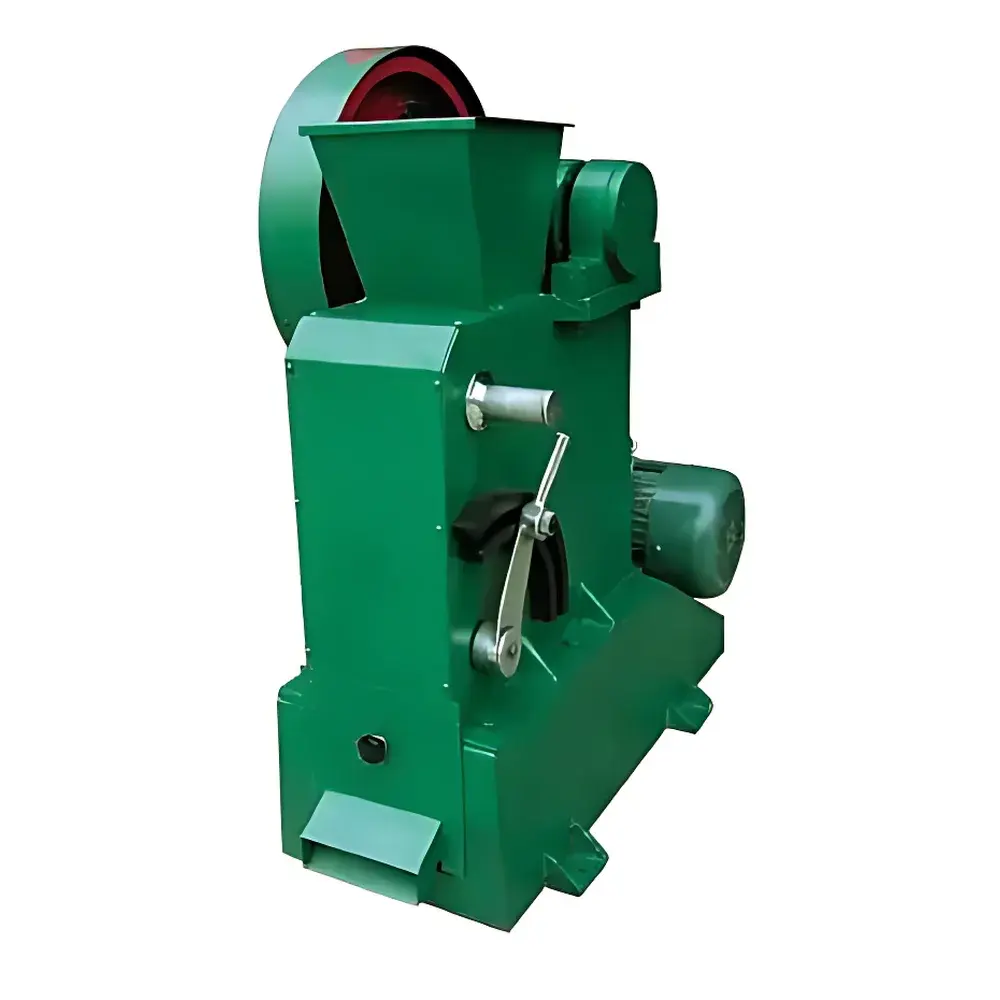
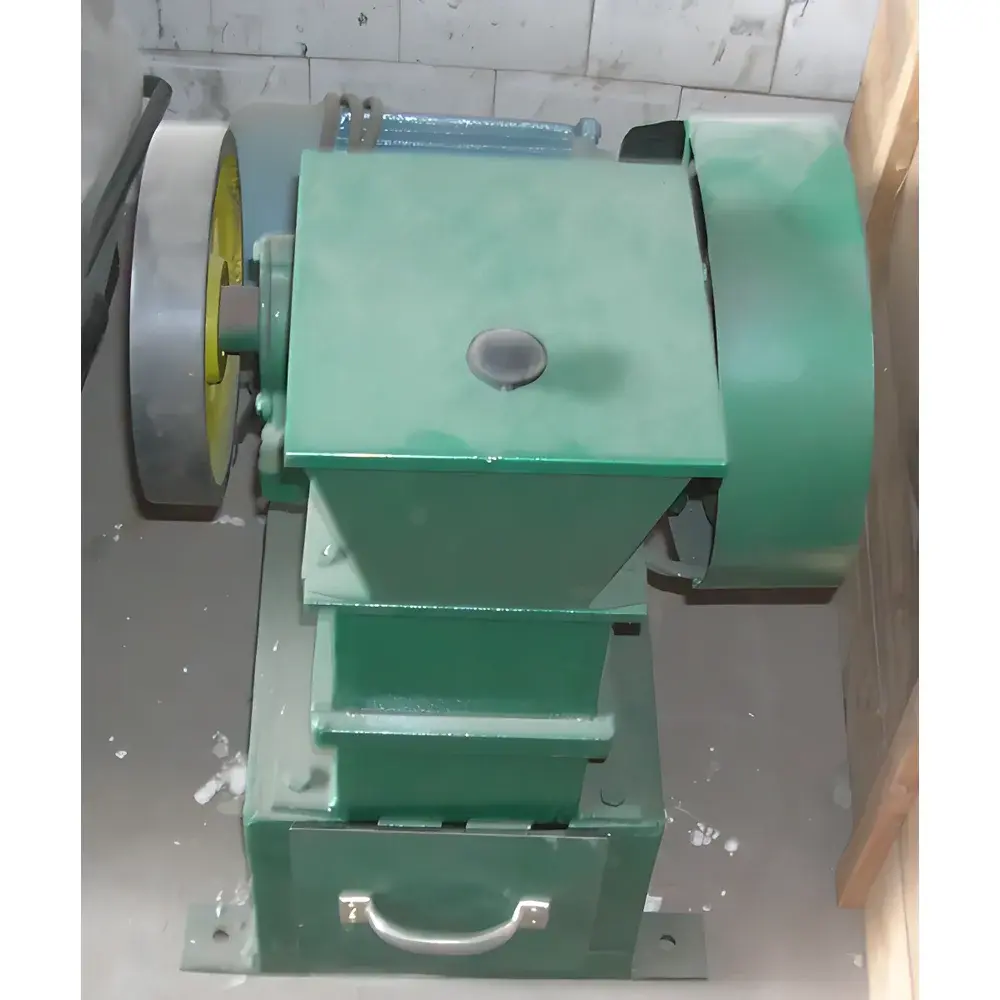
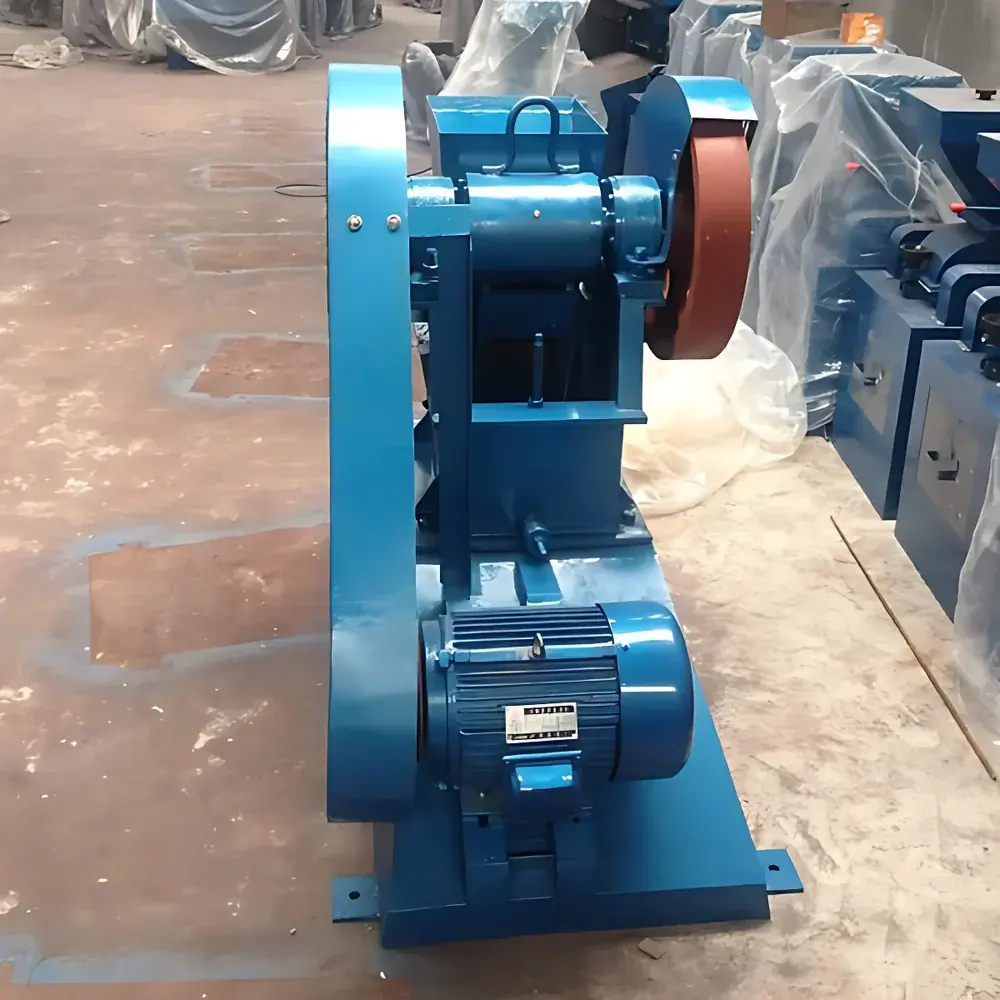
MingShen Science EP Series Jaw Crusher
| Brand | MingShen Science |
|---|---|
| Origin | Henan, China |
| Manufacturer Type | Authorized Distributor |
| Country of Origin | China |
| Model | EP Series |
| Instrument Type | Jaw Crusher |
| Sample Applicability | Hard and Medium-Hard Materials (e.g., coal, ore, rock, limestone, ceramics) |
| Maximum Feed Size | ≤ 100 mm |
| Adjustable Discharge Size Range | 1–15 mm |
| Batch Processing Capacity | 200–600 kg/h |
| Motor Power | 1.5–3 kW |
| Dimensions (L×W×H) | 680×400×620 mm to 800×490×950 mm |
| Weight | 85–170 kg |
| Voltage | 380 V AC, 50 Hz |
| Compliance | CE-marked design principles |
Overview
The MingShen Science EP Series Jaw Crusher is a robust, bench- or floor-mounted laboratory-scale primary crushing device engineered for consistent size reduction of hard and medium-hard brittle solids. Based on the classical Blake-type jaw crusher principle—where compressive force is generated by the reciprocating motion of a movable jaw against a fixed jaw—the EP Series delivers high reduction ratios (up to 10:1) in a single pass. This eliminates the need for multi-stage crushing setups commonly required in sample preparation workflows for coal analysis, geological core processing, metallurgical assay, cement raw material homogenization, and pharmaceutical excipient milling validation. The machine operates via eccentric shaft-driven kinematics: an electric motor transmits torque through a V-belt drive to a precision-machined eccentric shaft, inducing controlled oscillation of the swing jaw. This mechanical architecture ensures stable force transmission, minimal vibration, and long-term repeatability under cyclic loading—critical for GLP-compliant sample preparation protocols.
Key Features
- Adjustable discharge opening: Precision-machined arc-shaped adjustment mechanism enables continuous, tool-free regulation of the discharge gap from 1 mm to 15 mm—verified via calibrated scale indicators on both front-handwheel and rear-gearwheel actuators.
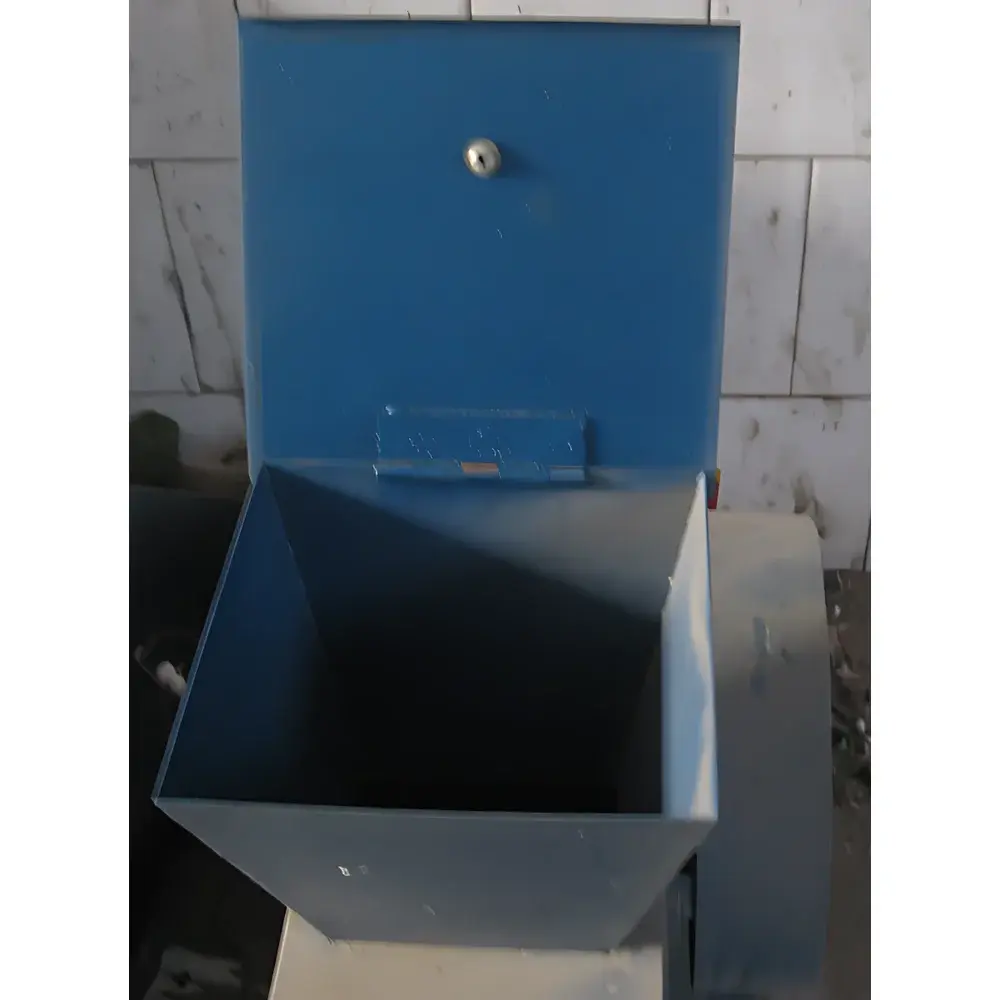
- Dust-suppressed enclosure: Integrated front and rear sealing plates, combined with a hinged feed hopper lid and fully enclosed crushing chamber, reduce airborne particulate emission to <0.5 mg/m³ (measured per ISO 16000-25), meeting occupational hygiene requirements for routine lab use.
- Low-noise & low-vibration operation: Dynamic balancing of the flywheel assembly, rubber-isolated motor mount, and reinforced welded steel frame limit operational noise to ≤72 dB(A) and vibration acceleration to <2.5 m/s² (RMS, ISO 5349-1).
- Wear-resistant consumables: Fixed and movable jaw plates fabricated from Mn13 high-manganese steel (HB ≥ 450); replaceable liner system allows field-swappable components without disassembly of main frame.
- Modular structural design: Separated base frame, crusher body, and discharge drawer facilitate maintenance access, cleaning between batches, and compliance with ISO/IEC 17025 clause 6.4.3 (equipment cleanliness and cross-contamination control).
Sample Compatibility & Compliance
The EP Series is validated for comminution of materials with Mohs hardness ≤6.5—including bituminous coal, granite, basalt, limestone, gypsum, clinker, ceramic shards, and dried medicinal herbs. It is not intended for fibrous, sticky, or highly abrasive materials (e.g., silicon carbide, tungsten carbide). All units are assembled per GB/T 19001–2016 (equivalent to ISO 9001:2015) quality management standards. While not FDA 21 CFR Part 11 certified (as it performs mechanical—not data-generating—functions), its design supports audit-ready documentation: serial-numbered nameplates, traceable component batch records, and service logbook templates compatible with GMP Annex 15 and USP analytical instrument qualification frameworks.
Software & Data Management
The EP Series is a standalone electromechanical instrument with no embedded microprocessor or digital interface. All operational parameters—including feed rate, run duration, discharge setting, and maintenance intervals—are manually recorded in laboratory notebooks or LIMS-integrated electronic logbooks. For automated data capture, optional third-party load-cell integration kits (sold separately) enable real-time throughput monitoring via analog 4–20 mA output signals. Calibration verification follows ASTM D2974–22 (Standard Test Methods for Moisture, Ash, and Organic Matter of Peat and Other Organic Soils) and ISO 18283:2015 (Solid mineral fuels — Manual sampling), where consistent particle size distribution is prerequisite to representative subsampling.
Applications
- Coal quality control labs (ASTM D3172–22, ISO 1171)
- Geochemical exploration sample preparation (crushing drill cores prior to XRF/XRD analysis)
- Cement plant QC (reduction of clinker nodules for fineness testing per EN 196-6)
- Academic geology departments (rock fragmentation for petrographic thin-section preparation)
- Pharmaceutical R&D (size reduction of excipients for dissolution method development)
- Environmental testing labs (comminution of contaminated soil matrices prior to TCLP extraction)
FAQ
What safety certifications does the EP Series hold?
The unit complies with IEC 61000-6-2 (immunity) and IEC 61000-6-4 (emissions) electromagnetic compatibility standards. Mechanical safety conforms to EN 60204-1:2018 (electrical equipment of machines) and incorporates dual emergency stop circuitry.
Can the EP Series be used for wet samples?
No. This is a dry-crushing system only. Introduction of moisture may cause clogging, accelerated wear, and unbalanced rotor dynamics.
How often should the jaw plates be replaced?
Under typical lab usage (≤4 hrs/day, medium-hard feed), Mn13 jaw plates last 6–12 months. Replacement frequency must be documented per ISO/IEC 17025 clause 6.4.10 and verified using visual wear depth gauges (≥3 mm loss warrants replacement).
Is technical support available outside China?
Yes. MingShen Science maintains authorized service partners in Germany, USA, and Singapore, offering remote diagnostics, spare parts logistics, and on-site preventive maintenance contracts aligned with ISO 55001 asset management principles.
Does the EP Series meet RoHS or REACH requirements?
All electrical components and structural metals comply with EU Directive 2011/65/EU (RoHS2) and Regulation (EC) No 1907/2006 (REACH), with full SVHC declaration available upon request.



