
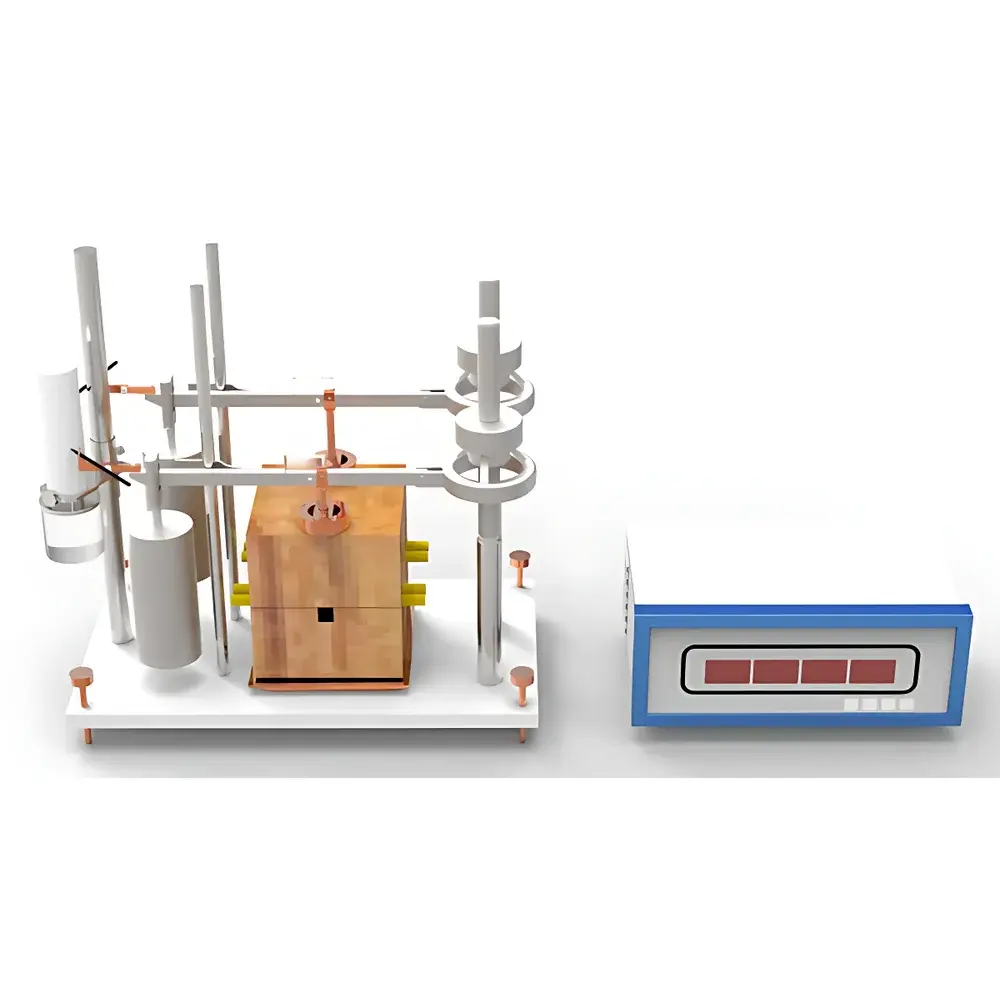
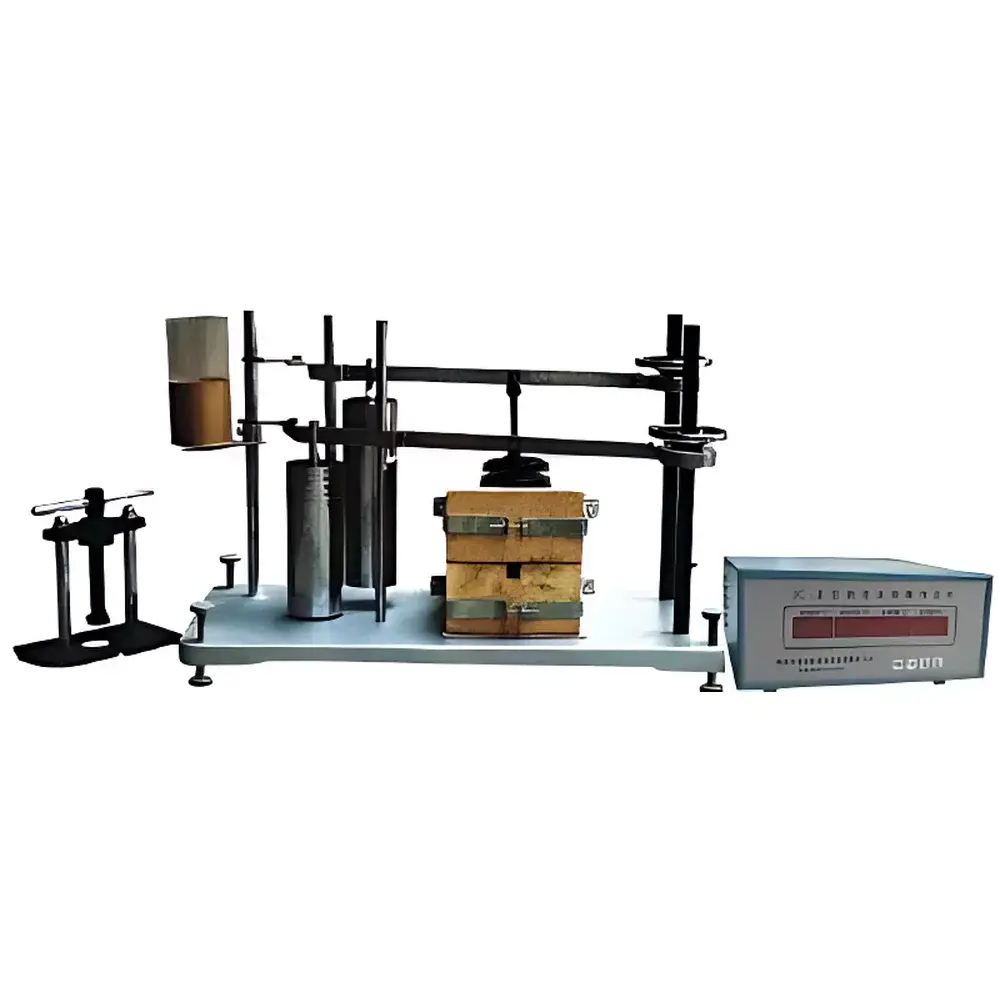
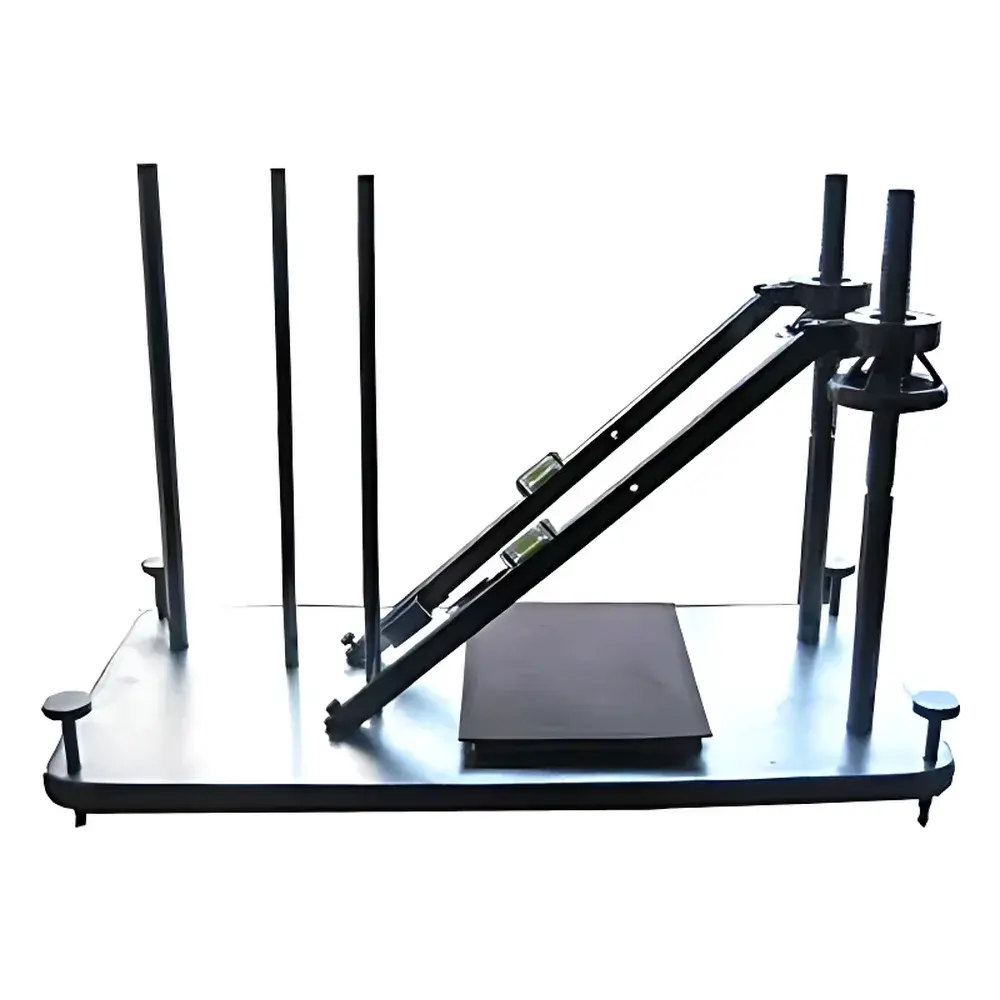
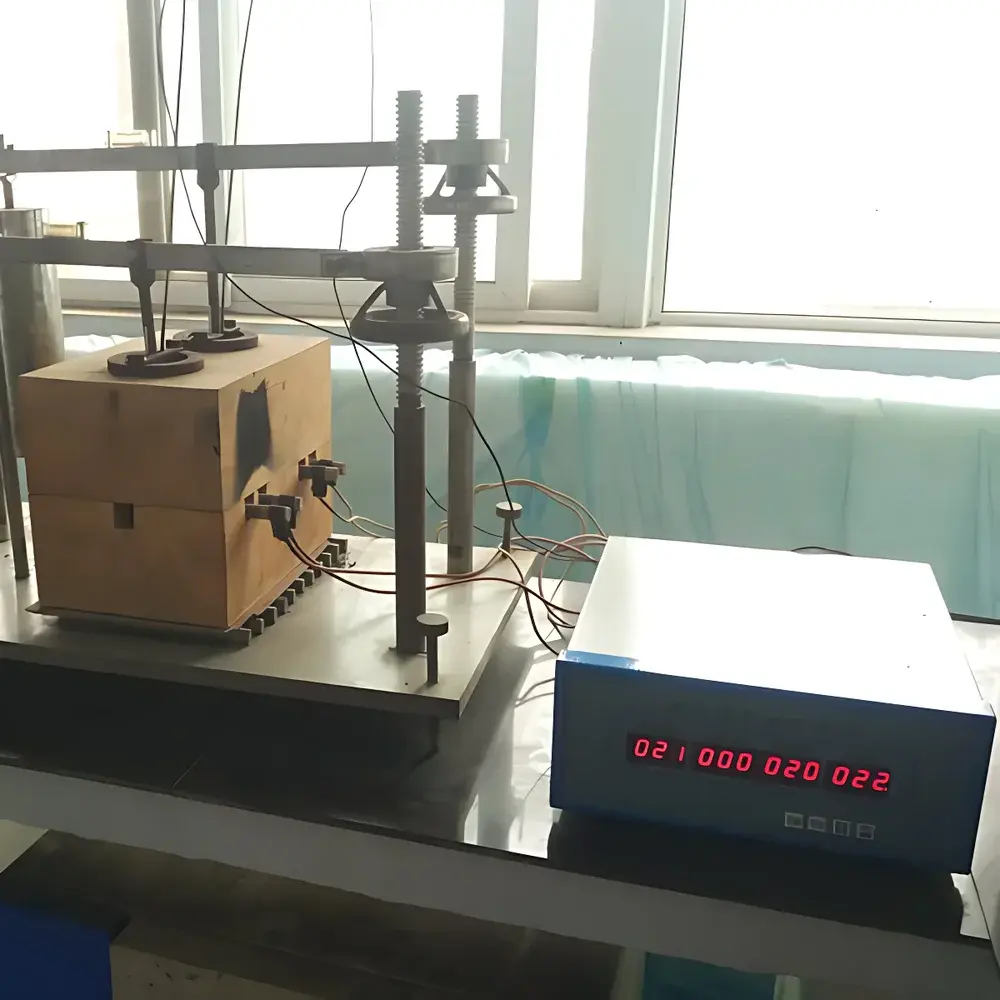
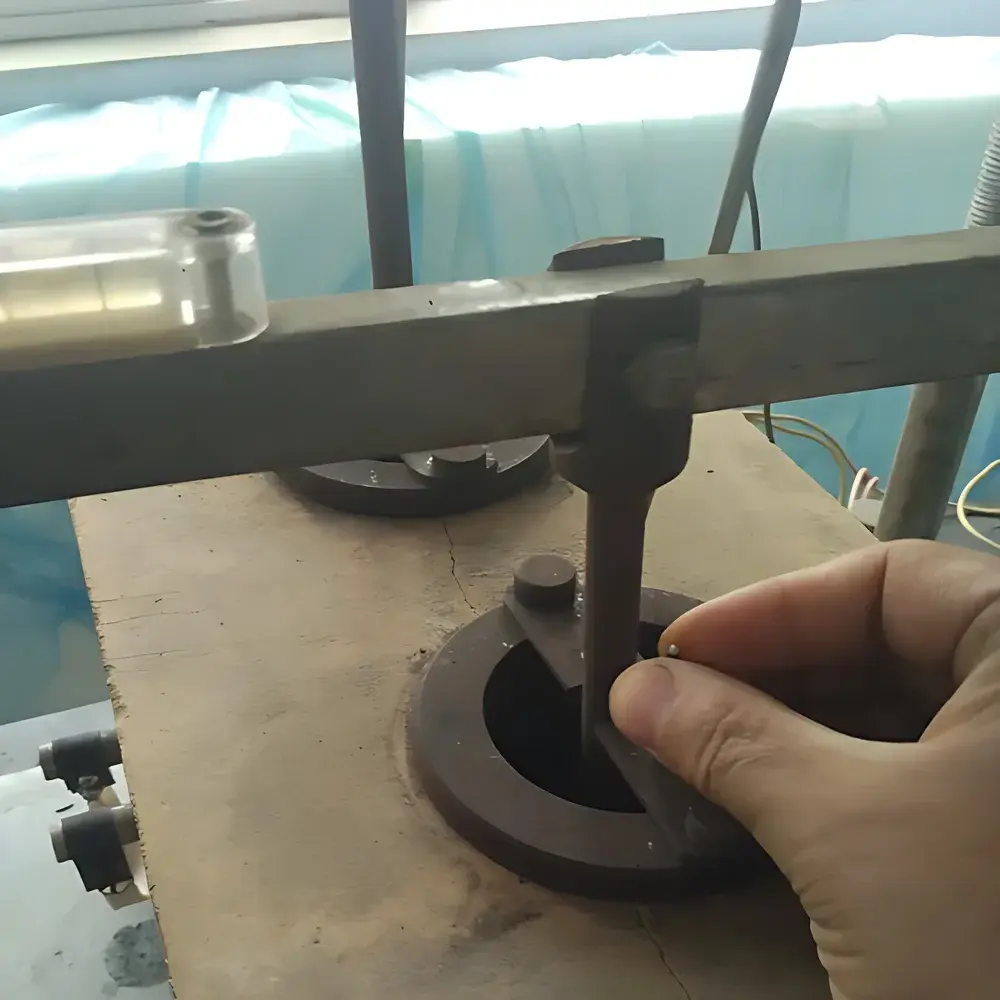
MingShen Science JC-2 Gieseler Plastometer for Y-Value Morphological Analysis
| Brand | MingShen Science |
|---|---|
| Origin | Henan, China |
| Model | JC-2 |
| Compliance | GB/T 479 |
| Temperature Control Range | Ambient to 1100 °C |
| Control Accuracy | ±1 °C |
| Heating Rate | 30 min to 250 °C |
| Temperature Measurement Error | ±3 °C |
| Temp. Resolution | 1 °C |
| Timer Range | 0–999 min |
| Timing Accuracy | ±1 min |
| Time Resolution | 1 min |
| Heating Element | Silicon Carbide Rods |
| Thermocouple Type | K-type |
| Total Power Rating | 2 × 4 kW |
| Continuous Operation | 24 h |
| Recording Drum Linear Speed | 1 mm/min (±2 mm over 160 min) |
| Cold-Junction Compensation | 0–60 °C |
| Power Supply | 220 V ±10 %, 50 Hz ±2 % |
| Host Dimensions (L×W×H) | 800 × 400 × 580 mm |
| Controller Dimensions | 330 × 290 × 120 mm |
| Host Weight | 96 kg |
| Controller Weight | 7 kg |
Overview
The MingShen Science JC-2 Gieseler Plastometer for Y-Value Morphological Analysis is a precision thermal-mechanical instrument engineered for the standardized determination of the Gieseler plastometric index—specifically the Y-value—of bituminous coals in accordance with GB/T 479. This test method quantifies the maximum thickness (in mm) of the plastic layer formed during controlled pyrolysis of a coal sample under specified heating conditions and mechanical load. The Y-value serves as a critical parameter in coal classification, coking behavior prediction, and quality assessment for metallurgical applications. Unlike optical or rheological methods, the JC-2 implements the classical Gieseler principle: a cylindrical coal charge is heated unidirectionally while subjected to a constant torque via a rotating spindle; the resulting plastic deformation is recorded mechanically on a rotating drum chart, enabling direct morphological interpretation of fluidity onset, plastic range, and resolidification behavior.
Key Features
- Microcontroller-based real-time thermal control architecture compliant with GB/T 479 ramp profiles: 0–250 °C in ≤30 minutes, followed by a precisely regulated 3 °C/min rise from 250–730 °C.
- Dual independent furnace channels (front/rear) supporting simultaneous dual-sample analysis—reducing throughput time and enhancing inter-laboratory reproducibility.
- Integrated K-type thermocouples with automatic cold-junction compensation (0–60 °C), minimizing thermoelectric drift and ensuring traceable temperature fidelity across extended runs.
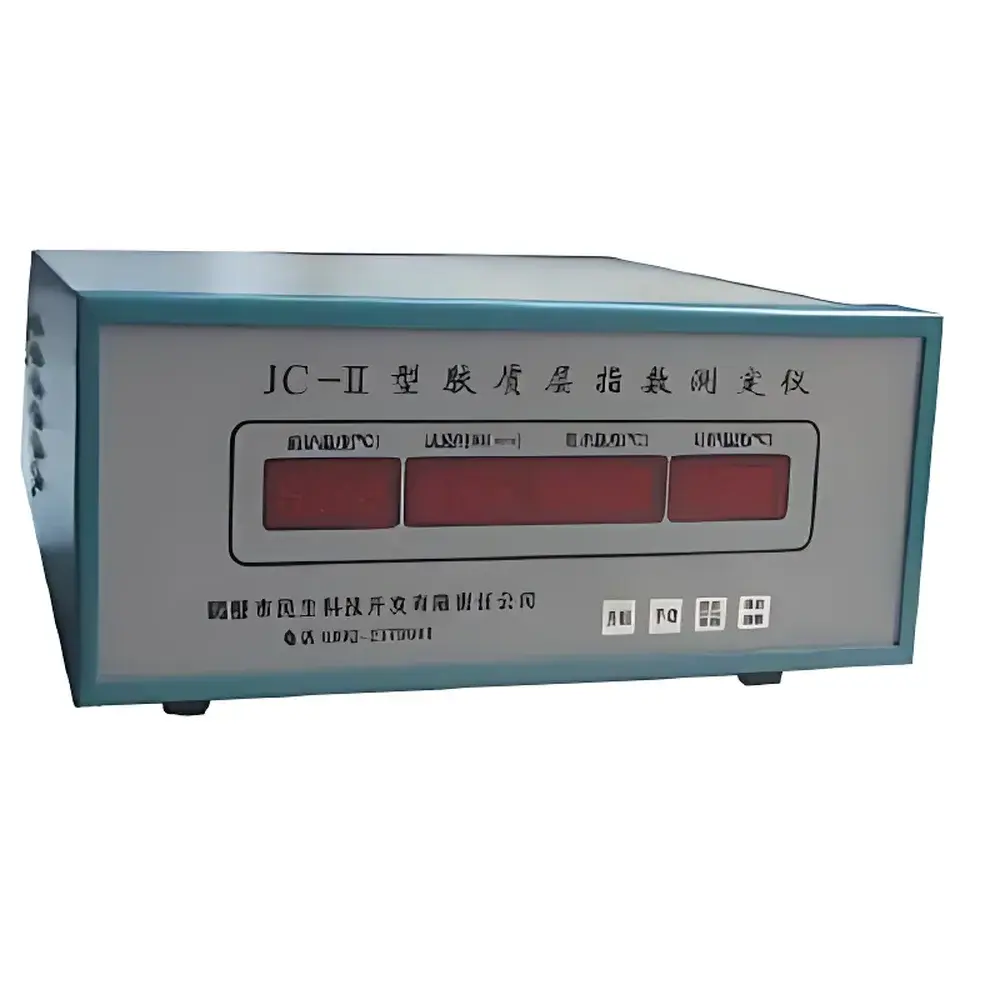
- High-brightness digital display showing elapsed time, setpoint vs. actual furnace temperatures (dual-channel), and power actuation status (e.g., thyristor conduction angle).
- Fail-safe operational continuity: instantaneous power interruption triggers automatic recovery of time, temperature setpoint, and control parameters—preserving sample integrity and eliminating retest requirements.
- Self-diagnostic firmware that identifies and displays fault codes for heater open-circuit, thermocouple disconnection, or controller communication loss—streamlining maintenance and reducing downtime.
- Robust mechanical recording system with calibrated drum linear speed of 1 mm/min (verified at ±2 mm deviation over 160-minute intervals), meeting metrological requirements for manual Y-value interpolation.
Sample Compatibility & Compliance
The JC-2 is validated for use with standard 100-g coal charges prepared per GB/T 479 specifications—including grind size (≤1.5 mm), moisture conditioning (<2.0 wt%), and packing density protocols. It supports both single- and double-layer charge configurations to accommodate variable coal fluidity ranges. All thermal control algorithms, timing sequences, and mechanical response thresholds are hard-coded to match the regulatory logic of GB/T 479. While not certified to ASTM D720 or ISO 501, its measurement domain overlaps with those standards for comparative evaluation in international coal trading contexts. The instrument’s construction adheres to IEC 61010-1 safety requirements for laboratory electrical equipment, including insulation class H heating elements and reinforced grounding paths.
Software & Data Management
The JC-2 operates without proprietary PC software; all control logic resides in embedded firmware to ensure deterministic real-time performance and eliminate OS-level variability. Temperature/time data are recorded analogically on thermal paper charts, enabling permanent, tamper-evident archival suitable for GLP-compliant laboratories. Optional digital chart scanners (not included) may be used to digitize traces for post-hoc Y-value annotation using calibrated image analysis tools. For audit readiness, users can manually log operator ID, sample ID, calibration date, and environmental conditions alongside each run—supporting traceability under internal QA procedures aligned with ISO/IEC 17025 clause 7.7.
Applications
- Classification of bituminous coals into commercial ranks (e.g., coking, semi-coking, gas, and fat coals) based on Y-value thresholds defined in national coal standards.
- Blending optimization for coke oven feedstocks—correlating Y-values with dilatation, fluidity, and final coke strength indices (CSR/CRI).
- Quality assurance of purchased coal batches prior to blast furnace injection or coke battery charging.
- Research into coal maceral reactivity, additive effects (e.g., pitch or tar blending), and low-rank coal upgrading processes.
- Technical support for coal export documentation requiring GB/T 479–compliant test reports for customs clearance in Asian markets.
FAQ
What does the “Y-value” represent in Gieseler plastometry?
The Y-value is the maximum distance (in millimeters) between the upper and lower boundaries of the plastic layer observed during controlled heating of a coal charge under a fixed torque. It reflects the degree of thermoplastic softening and is strongly correlated with coke oven swelling pressure and coke porosity.
Is the JC-2 compatible with ASTM D720 testing procedures?
No—the JC-2 implements the GB/T 479 methodology exclusively. ASTM D720 employs different charge geometry, heating rates, and torque application; direct equivalence requires empirical cross-calibration.
Can the instrument operate continuously for multi-shift production testing?
Yes—rated for 24-hour uninterrupted operation at full 8 kW load, provided ambient temperature remains below 35 °C and ventilation meets minimum 0.5 m³/s airflow requirements.
How is temperature uniformity verified across the furnace zone?
Uniformity is validated during factory calibration using a traversing reference thermocouple per GB/T 479 Annex B; users should perform quarterly verification using a calibrated secondary probe at three axial positions.
Does the JC-2 meet FDA 21 CFR Part 11 requirements?
No—this instrument generates analog chart records only. Digital data acquisition systems would be required for electronic signature and audit trail functionality mandated under Part 11.




