
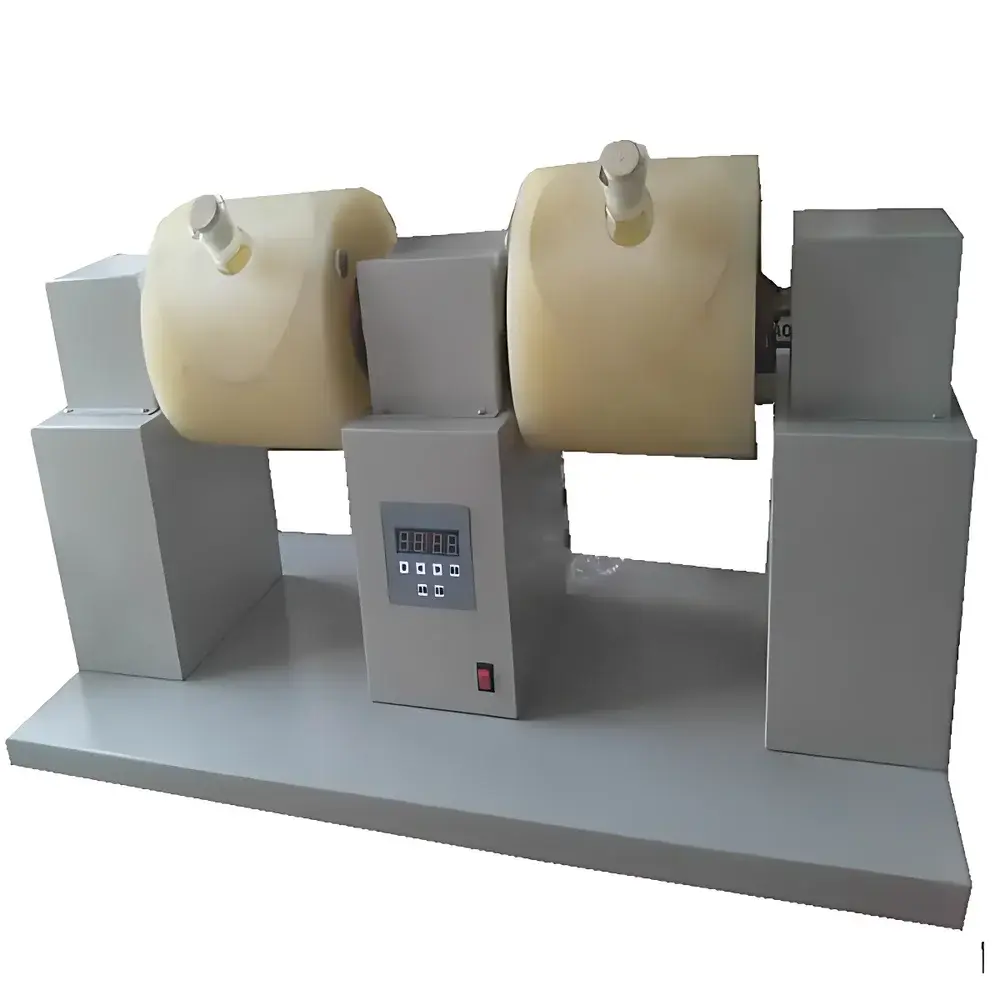
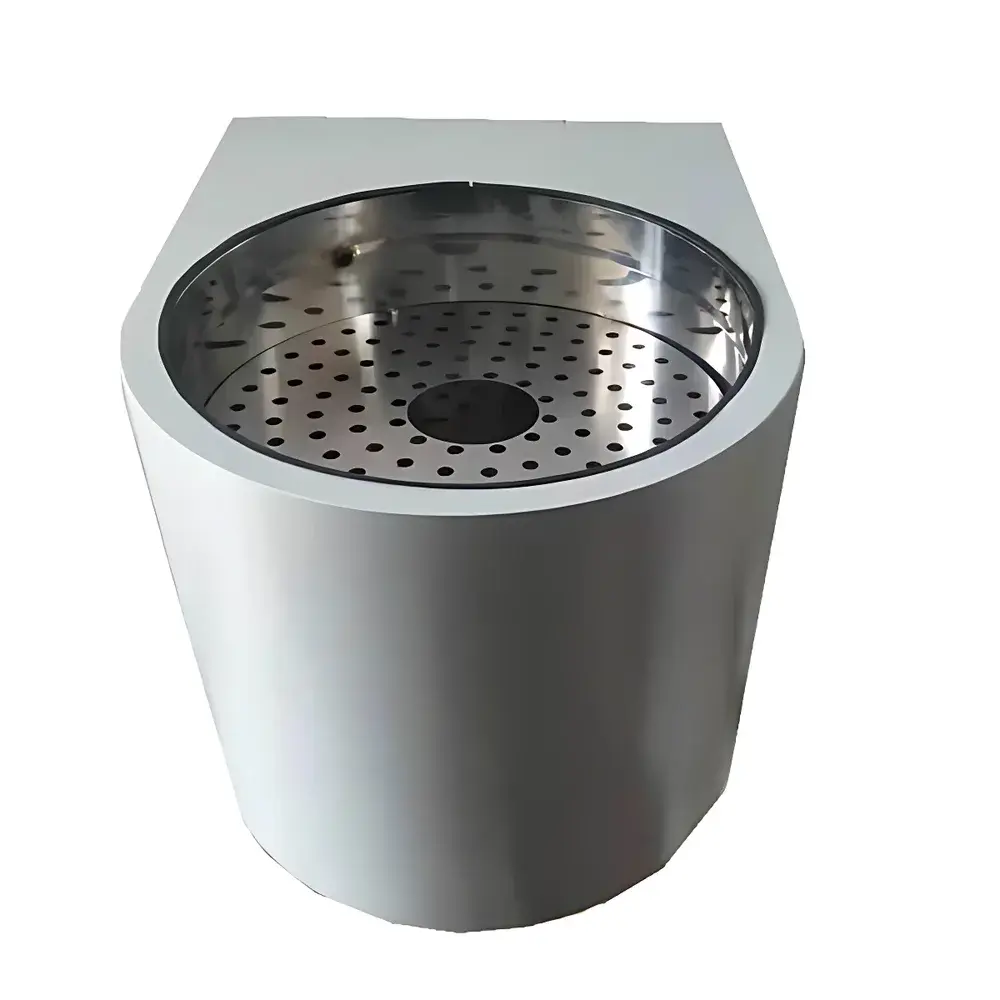
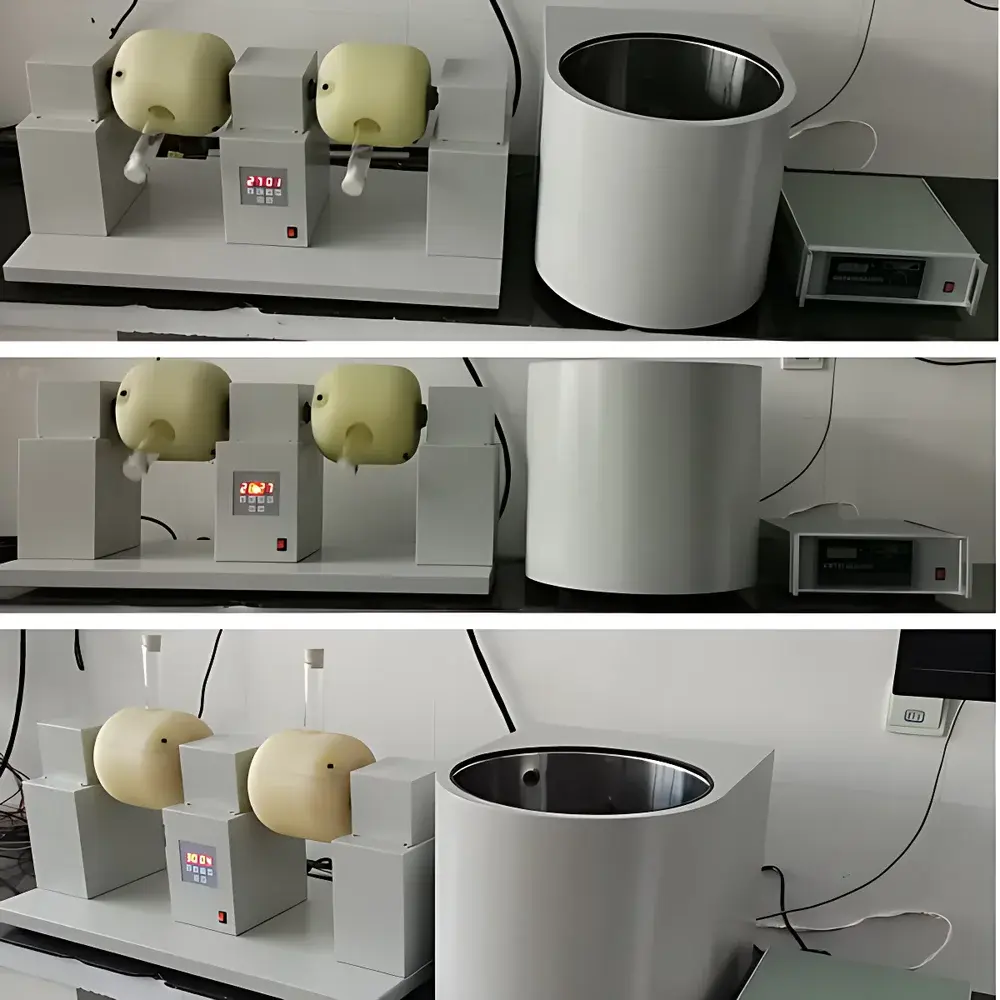
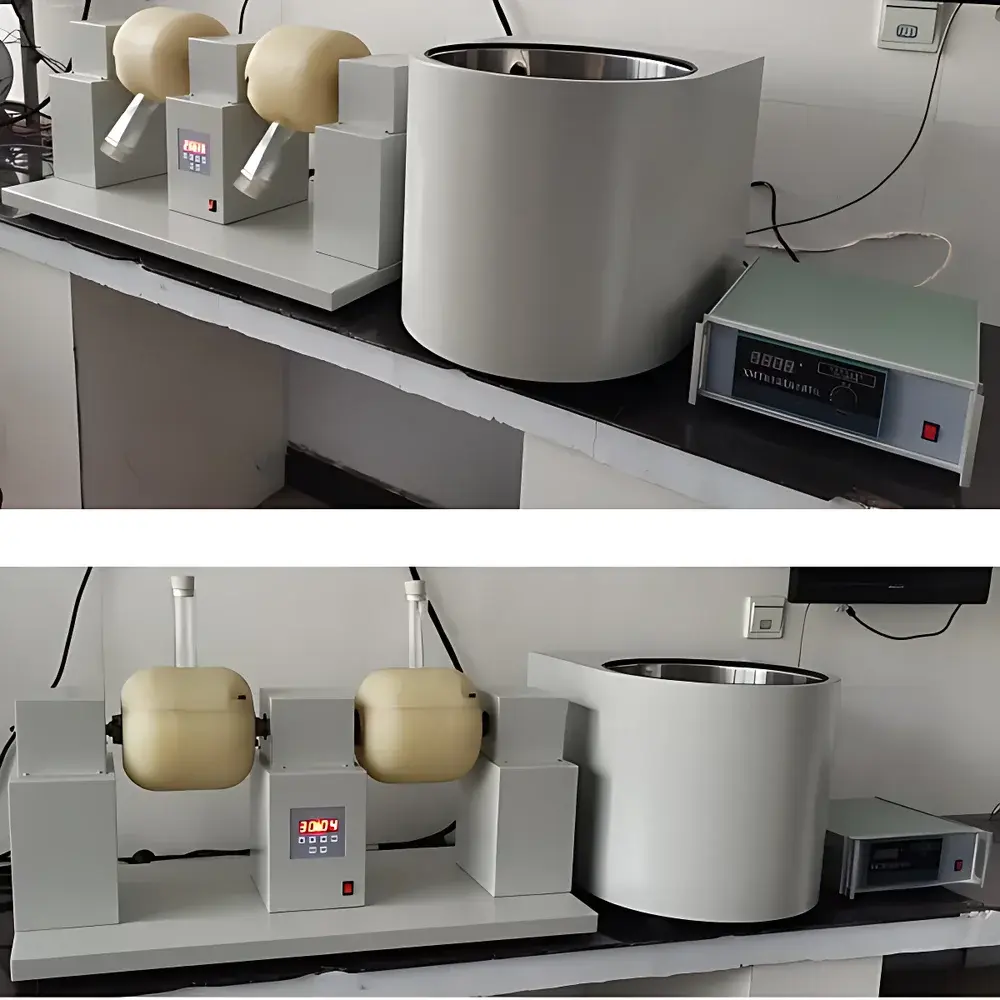
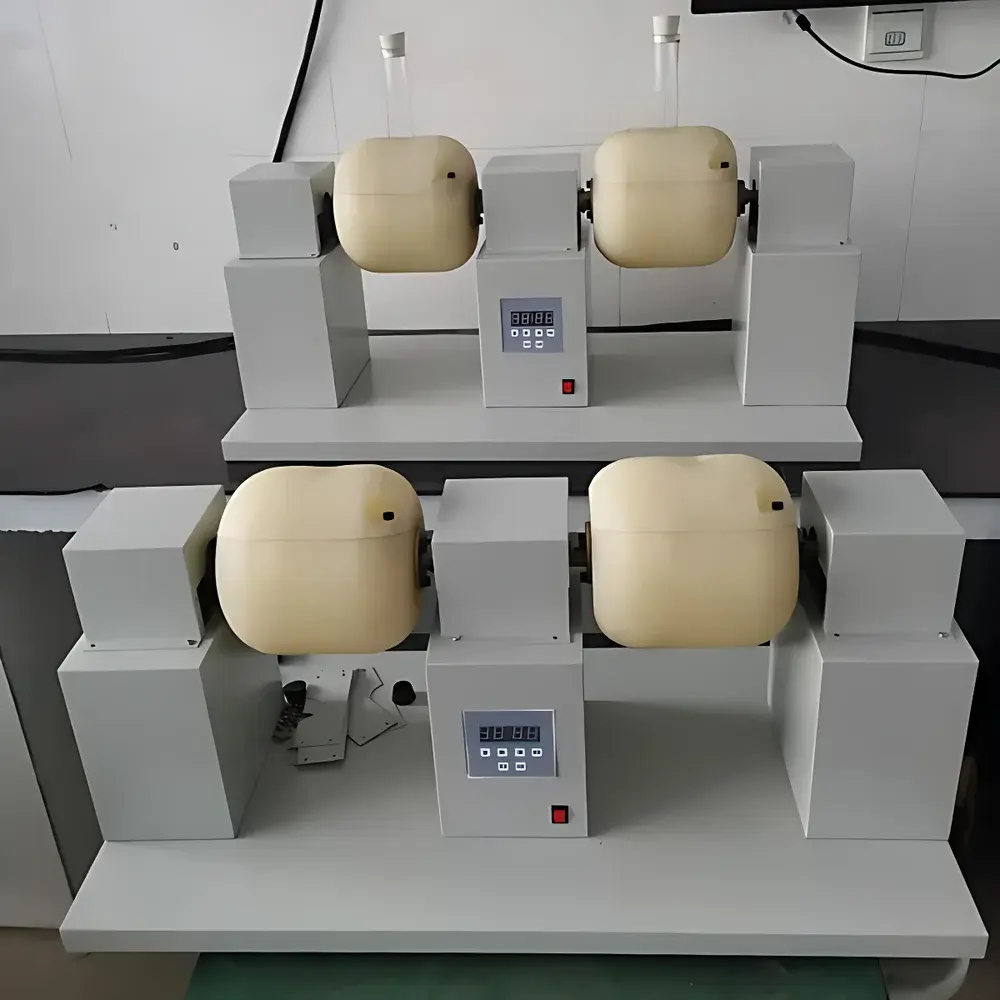
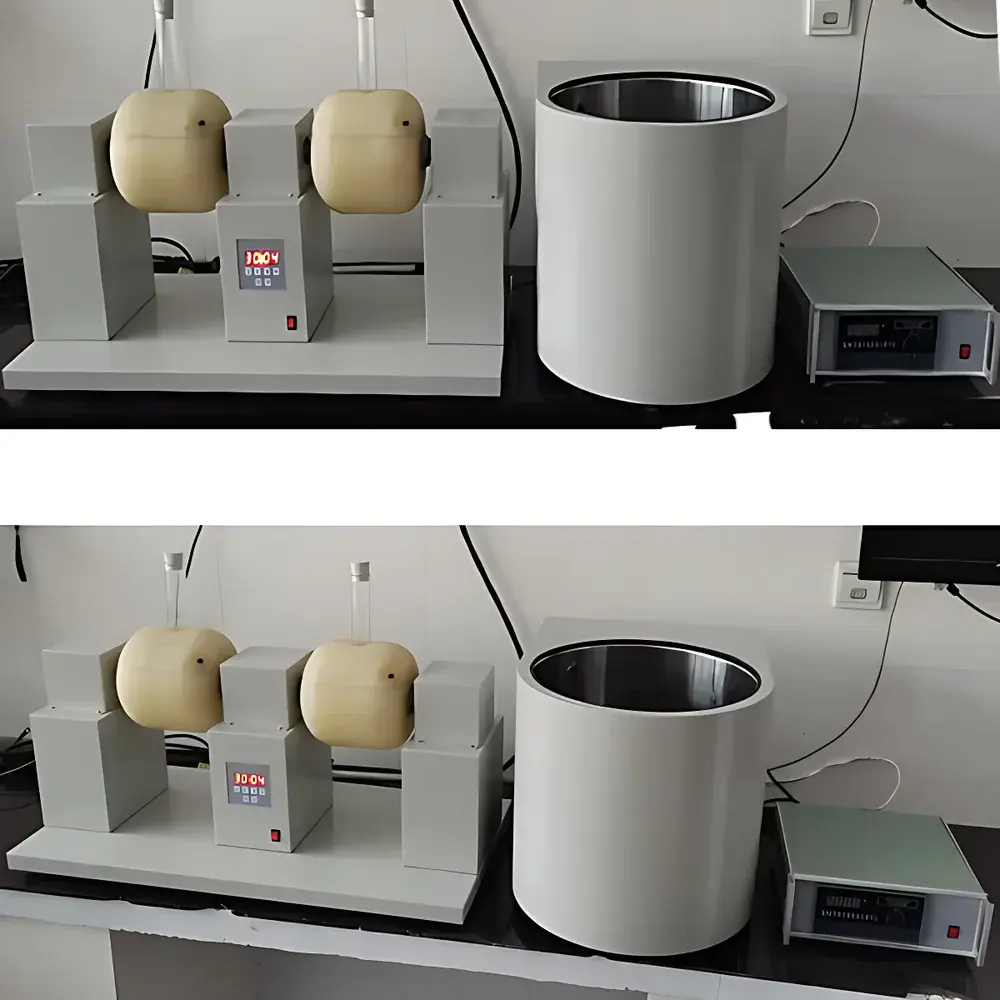
MingShen Science NH-1000 Shale Slaking Tumbling Tester
| Key | Brand: MingShen Science |
|---|---|
| Model | NH-1000 |
| Rotational Speed | 40 rpm |
| Display | LED digital display with auto-reset on power-on |
| Power Supply | 220 V ±10%, 50 Hz ±1 Hz |
| Motor Power | 10 W |
| Dimensions (L×W×H) | 400 × 400 × 860 mm |
| Weight | ~20 kg |
| Compliance Standard | MT/T 109–1996 |
Overview
The MingShen Science NH-1000 Shale Slaking Tumbling Tester is a dedicated laboratory instrument engineered for standardized assessment of shale slaking behavior in coal gangue materials. It operates on the principle of controlled mechanical agitation—specifically, tumbling-induced particle disintegration—followed by sequential physical separation and sedimentation analysis to quantify fine fraction generation. Designed in strict accordance with MT/T 109–1996 “Test Method for Slaking of Coal and Gangue”, the NH-1000 enables reproducible simulation of natural weathering and handling-induced degradation of gangue under hydrated conditions. The apparatus facilitates preparation of a representative 2.8–5.6 mm particle size fraction, immersion in water within a rotating tumbling vessel, and subsequent classification via 500 µm sieve retention. The retained oversize fraction is dried and weighed, while the undersize suspension undergoes gravitational settling to isolate and calculate the mass percentage of particles finer than 10 µm—a critical parameter for evaluating mud-forming potential in coal preparation, waste disposal planning, and mine geotechnical risk assessment.
Key Features
- Stable, low-power DC motor drive delivering consistent 40 rpm rotational speed—optimized for adherence to MT/T 109–1996 tumbling kinetics without excessive energy input or thermal drift.
- LED digital display with automatic initialization upon power-up, ensuring timekeeping accuracy and eliminating manual reset errors before test initiation.
- Dual-function control interface: “Start” initiates rotation; “Function”, “Modify”, and directional keys allow precise setting of tumbling duration and real-time clock calibration—supporting traceable, repeatable test protocols.
- Compact, benchtop footprint (400 × 400 × 860 mm) and lightweight (~20 kg) design enable flexible integration into QC labs, coal research facilities, and metallurgical R&D environments without requiring structural reinforcement.
- Rugged aluminum-and-steel frame construction ensures long-term mechanical stability during repeated tumbling cycles, minimizing vibration transmission and maintaining alignment of the rotating drum assembly.
Sample Compatibility & Compliance
The NH-1000 is validated for use with dry-sieved coal gangue specimens sized between 2.8 mm and 5.6 mm, as defined in MT/T 109–1996. It accommodates standard 1-L capacity tumbling bottles (not included) compatible with ISO/IEC 17025-accredited laboratories. While MT/T 109–1996 remains the primary reference standard, the methodology aligns conceptually with ASTM D4318 (Liquid Limit and Plasticity Index) and ISO 14688-1 (Geotechnical investigation and testing — Identification and classification of soil — Part 1: Identification and description) regarding fine fraction quantification via sedimentation. The instrument supports GLP-compliant workflows when paired with documented SOPs, calibrated analytical balances, and certified 500 µm and 10 µm reference sieves.
Software & Data Management
The NH-1000 operates as a standalone electromechanical tester with no embedded firmware or data logging capability. All timing, start/stop, and parameter storage functions are handled via hardware-level logic circuits—ensuring operational reliability, immunity to software corruption, and minimal maintenance requirements. Test duration is set manually (in minutes), and the system triggers an audible alert upon completion. For full auditability, users are advised to record start time, stop time, sieve residue mass, and calculated <10 µm content in laboratory notebooks or LIMS-integrated electronic records. When used in regulated environments (e.g., third-party certification labs), timestamped video documentation of the entire tumbling and sieving sequence may be implemented to satisfy FDA 21 CFR Part 11 or ISO/IEC 17025 traceability expectations.
Applications
- Quantifying gangue slaking susceptibility prior to surface disposal or backfilling in underground coal mines.
- Supporting coal quality control by correlating mud-forming index with washability characteristics and dense-medium separation efficiency.
- Generating input data for geotechnical models predicting spoil pile stability, erosion rates, and leachate turbidity in reclaimed land.
- Validating chemical or thermal stabilization treatments intended to suppress fine particle generation during stockpiling.
- Teaching fundamental principles of particle degradation mechanics and sedimentation dynamics in undergraduate mining engineering and environmental geoscience curricula.
FAQ
What standard does the NH-1000 comply with?
The NH-1000 is designed and verified for conformance with MT/T 109–1996, the Chinese industry standard for slaking testing of coal and gangue.
Is the tumbling speed adjustable?
No—the unit operates exclusively at 40 rpm, as mandated by MT/T 109–1996 for method reproducibility.
Does the instrument include sieves or settling cylinders?
No—users must supply certified 500 µm test sieves and calibrated glassware for 10 µm sedimentation analysis per MT/T 109–1996 Section 5.
Can the NH-1000 be used for non-coal rock types?
While not validated for regulatory reporting outside coal gangue, the tumbling principle may be applied experimentally to other argillaceous or weakly cemented lithologies—provided methodology deviations are fully documented and justified.
What maintenance is required?
Periodic inspection of motor coupling integrity, cleaning of the drum mounting interface, and verification of LED display contrast and button tactile response every 6 months—no lubrication or firmware updates are necessary.





