
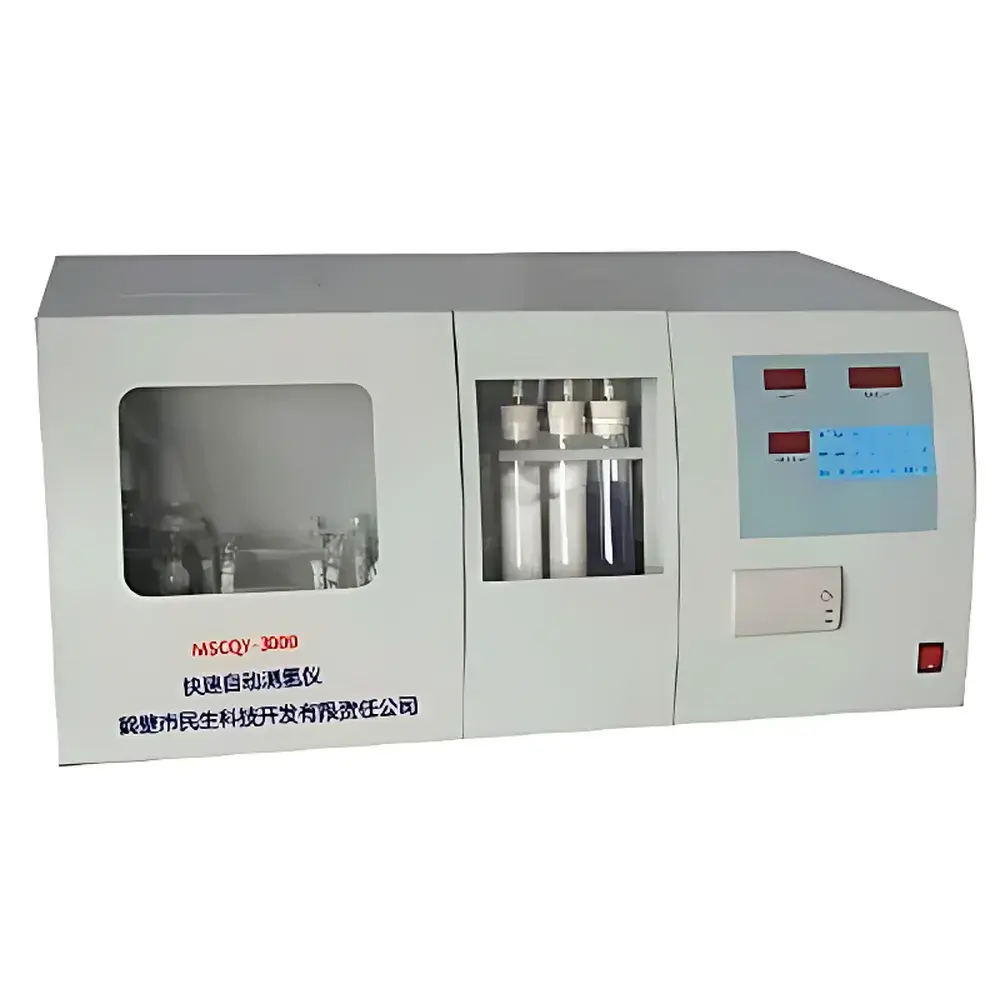
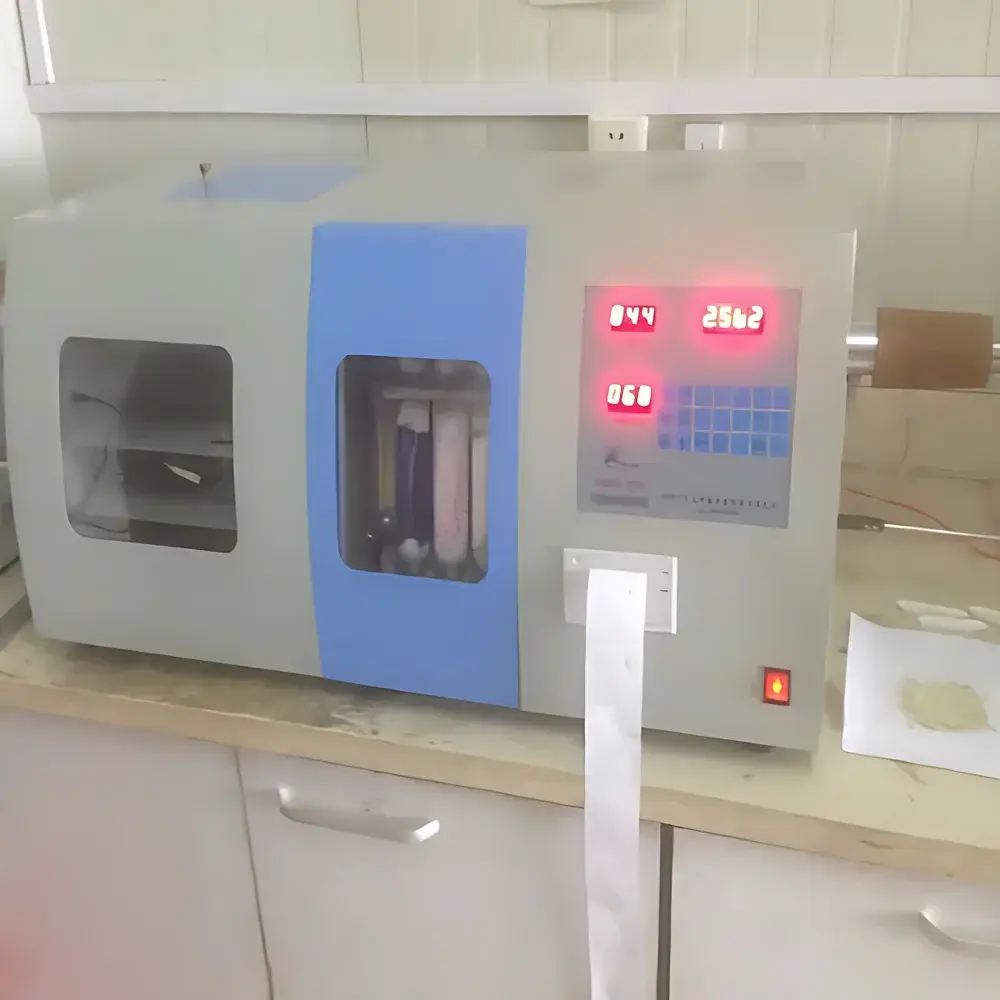
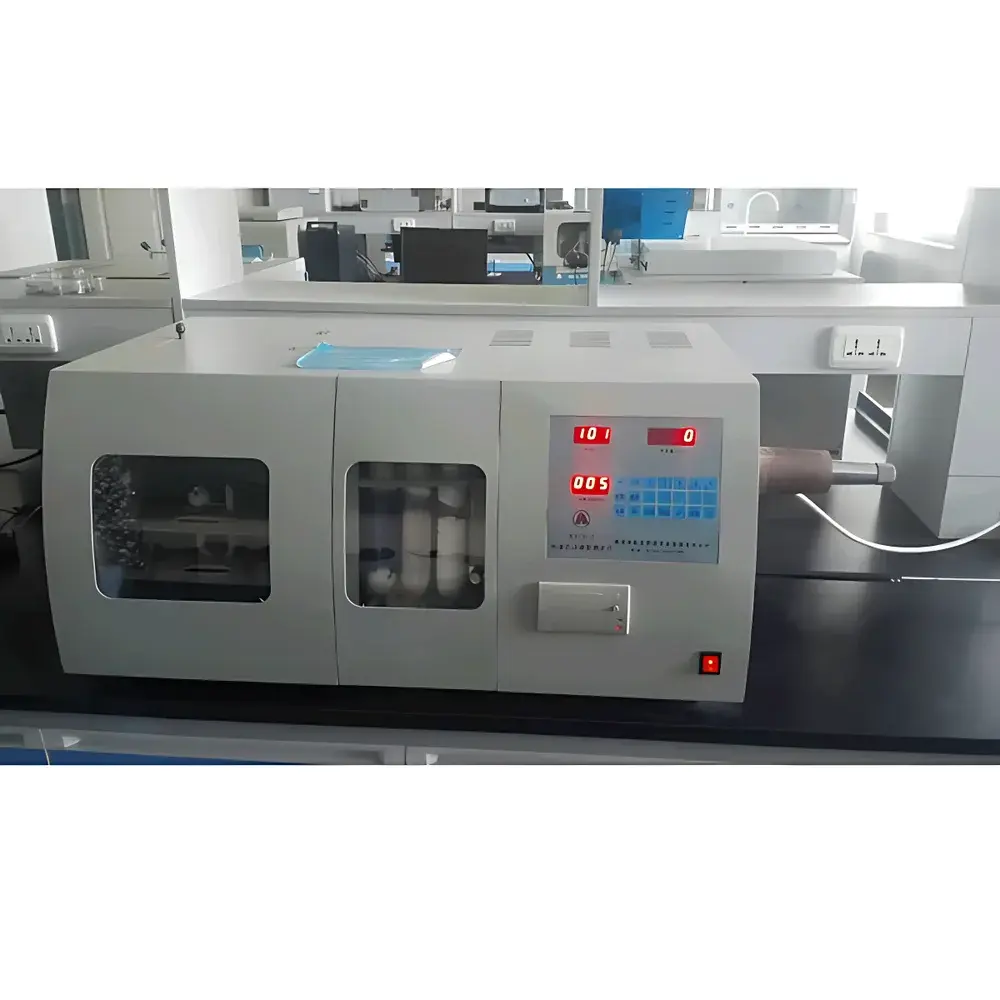
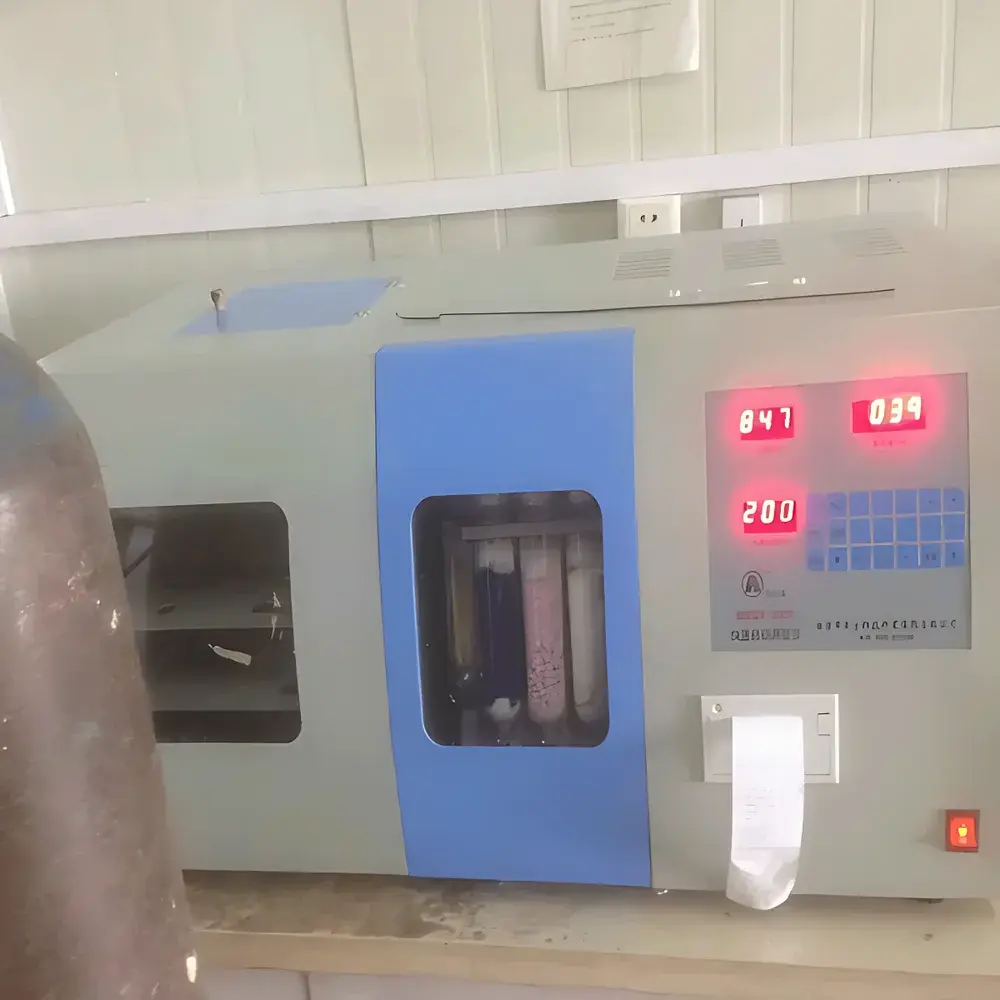
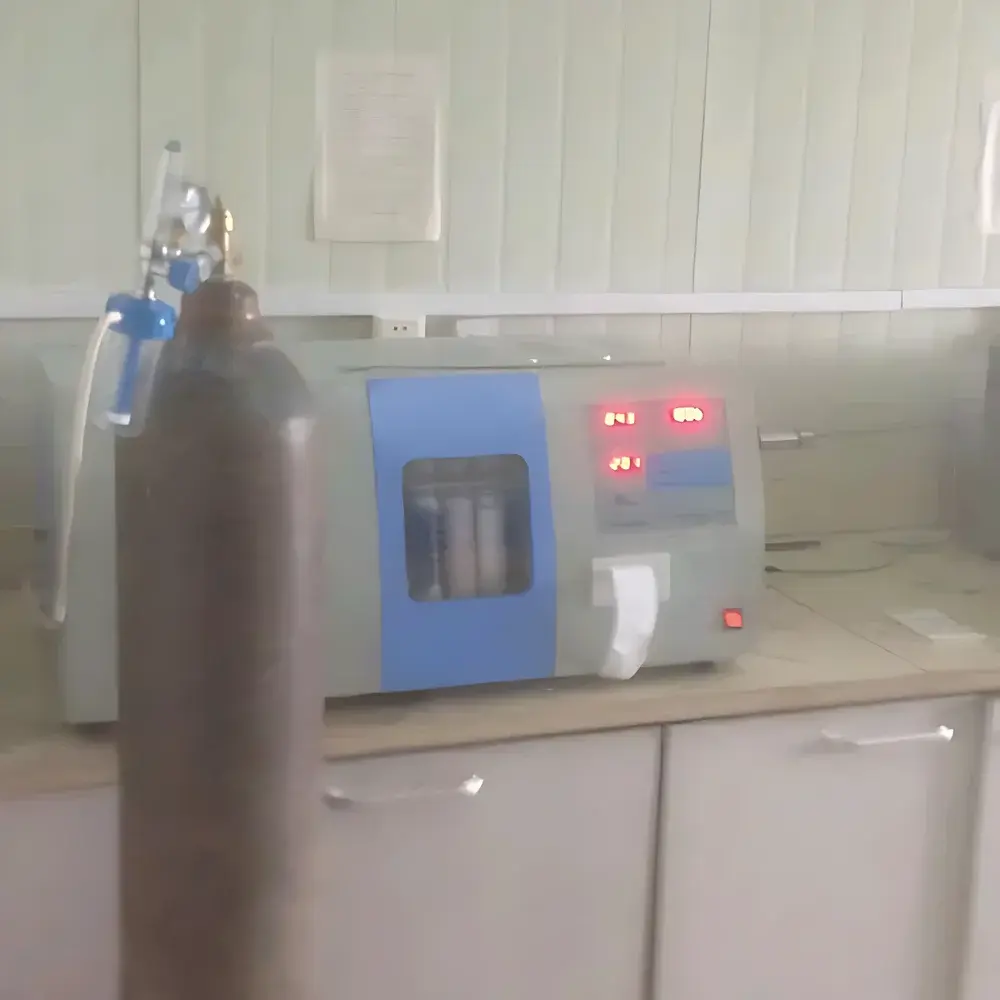
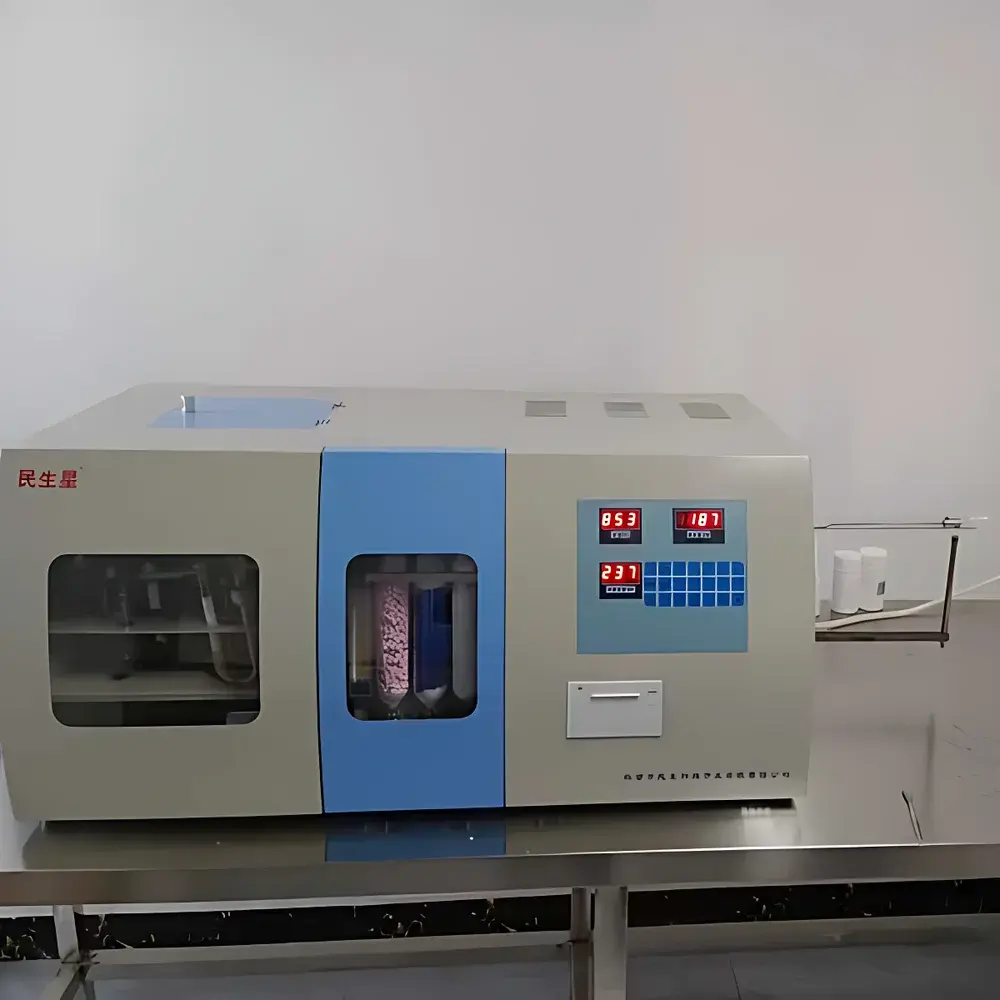
MingShen Science MSCQY-3000 Integrated Carbon-Hydrogen Analyzer
| Brand | MingShen Science |
|---|---|
| Origin | Henan, China |
| Model | MSCQY-3000 |
| Measurement Principle | Coulometric-Gravimetric Method |
| H Range | 0–20 wt% |
| C Range | 1–99 wt% |
| Sample Mass | 70–75 mg (air-dried, <0.2 mm) |
| Analysis Time | ~10–15 min (including isothermal holds at 300°C for 30 s, 500°C for 2 min, and 850°C for ~10 min) |
| Electrolysis Voltage | Coating: 10 V |
| Operational | 24 V |
| Electrolysis Current | >600 mA (initial), <70 mA (endpoint) |
| Accuracy | Complies with GB/T 15460–2003 (H: ±0.15 wt%, C: ±0.50 wt%) |
| Heating Rate | ~50 min to 850°C |
| Linearity & Stability | ±0.1% full scale |
Overview
The MingShen Science MSCQY-3000 Integrated Carbon-Hydrogen Analyzer is a dedicated laboratory instrument engineered for precise, routine determination of total carbon and hydrogen mass fractions in solid fuels—primarily coal, coke, char, and other carbonaceous materials. It operates on the established coulometric-gravimetric principle: sample combustion in a high-purity oxygen stream at controlled, multi-stage temperatures (300°C, 500°C, and 850°C) quantitatively converts organic carbon to CO2 and hydrogen to H2O. The evolved gases pass sequentially through selective absorbents—CO2 captured by sodium hydroxide-based traps, H2O absorbed by magnesium perchlorate—while electrolytic cells measure water content via coulometric titration. Mass gain of the water absorber provides gravimetric confirmation, and integrated microcontroller-based signal processing applies real-time corrections for baseline drift, carrier gas moisture, and combustion efficiency. Designed for compliance with ISO 19579 and ASTM D3178 (Standard Test Methods for Ultimate Analysis of Coal and Coke), the system delivers reproducible results traceable to national reference standards.
Key Features
- Integrated single-unit architecture with compact footprint (W × D × H: 520 × 480 × 420 mm), reducing inter-component calibration drift and minimizing laboratory space requirements.
- Microprocessor-controlled thermal program with programmable isothermal dwell times at 300°C (30 s), 500°C (2 min), and 850°C (~10 min), ensuring complete oxidation of refractory carbon forms and volatile matter without charring.
- Dual-mode electrolysis system: low-voltage (10 V) coating voltage for platinum electrode conditioning and stable 24 V operational voltage enabling rapid, high-current (>600 mA) water electrolysis with endpoint detection at <70 mA residual current.
- High-precision digital display and thermal printer output showing absolute hydrogen mass (mg), calculated weight percent (H%), carbon weight percent (C%), and raw absorption data—no external PC required for basic operation.
- Robust mechanical design with corrosion-resistant stainless-steel furnace housing, quartz combustion tube rated to 1000°C, and modular absorbent cartridge system facilitating rapid maintenance and reagent replacement.
Sample Compatibility & Compliance
The MSCQY-3000 accepts air-dried, homogenized solid samples with particle size <0.2 mm and mass 70–75 mg—aligned with ISO 11722 (Coal — Preparation of analysis samples) and GB/T 211 (Method of Determination of Total Moisture in Coal). It is validated for use across bituminous coal, anthracite, lignite, petroleum coke, biomass pellets, and activated carbon. All measurement protocols and calibration procedures conform to GB/T 15460–2003 (Determination of Carbon and Hydrogen in Coal), with documented uncertainty budgets supporting GLP-compliant reporting. Instrument performance verification includes daily blank checks, certified reference material (CRM) runs (e.g., NIST SRM 1632E), and periodic linearity assessment per ISO/IEC 17025 Clause 7.7.
Software & Data Management
While fully functional in standalone mode, the analyzer supports optional RS-232 serial interface for integration with LIMS or custom lab software. Raw time-series current/voltage traces, temperature profiles, and final result logs are exportable as ASCII text files. Audit trail functionality records operator ID, sample ID, date/time stamp, calibration status, and any manual overrides—meeting foundational requirements for FDA 21 CFR Part 11 (electronic records) when deployed in regulated QA/QC environments. Data retention complies with internal SOPs aligned with ISO 17025 Clause 7.5.2 (Control of Records).
Applications
- Coal quality control in power generation plants, coking facilities, and coal trading laboratories.
- Ultimate analysis for boiler efficiency modeling, emissions factor calculation (IPCC Tier 2), and carbon accounting under national greenhouse gas inventories.
- R&D support for coal upgrading processes, pyrolysis optimization, and alternative fuel formulation (e.g., coal-biomass blends).
- Contract testing services accredited to CNAS (China National Accreditation Service) and international mutual recognition arrangements (ILAC MRA).
- Education and training in fuel science, combustion engineering, and analytical chemistry curricula.
FAQ
What standards does the MSCQY-3000 comply with?
It meets GB/T 15460–2003, and its methodology is technically equivalent to ISO 19579 and ASTM D3178 for carbon and hydrogen determination in solid fuels.
Can the instrument analyze liquid or gaseous samples?
No—it is designed exclusively for solid, non-volatile, air-dried samples with defined particle size and mass specifications.
Is user calibration required before each analysis?
No; the system performs automatic zero-point compensation and endpoint detection. However, daily verification using a certified reference material is recommended per ISO/IEC 17025.
What maintenance intervals are advised for the electrolytic cell and absorbent cartridges?
Absorbent cartridges should be replaced after every 20–30 analyses or upon visible saturation; the Pt electrode requires recoating every 100–150 runs or if endpoint current stability degrades.
Does the instrument support remote diagnostics or firmware updates?
Firmware updates are performed locally via USB-to-serial adapter; remote diagnostics are not supported—consistent with industrial instrumentation safety and cybersecurity best practices for embedded control systems.




