
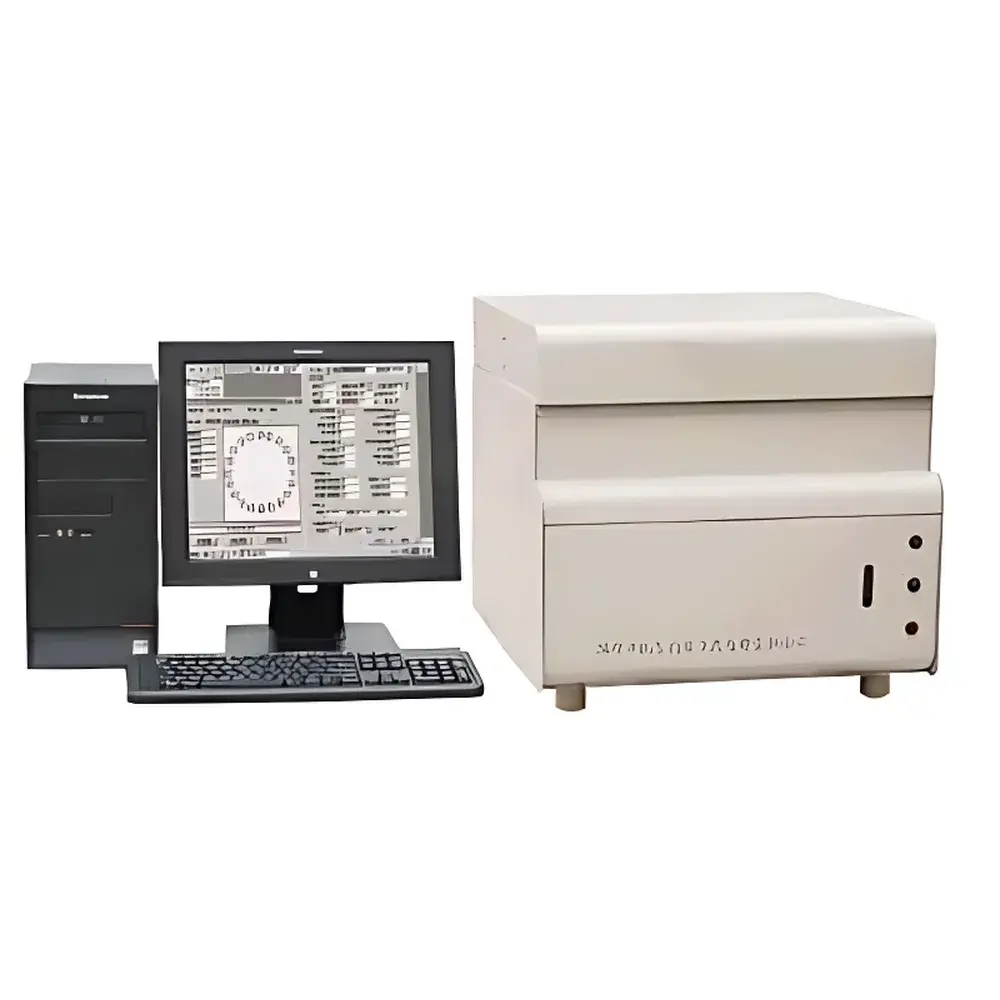
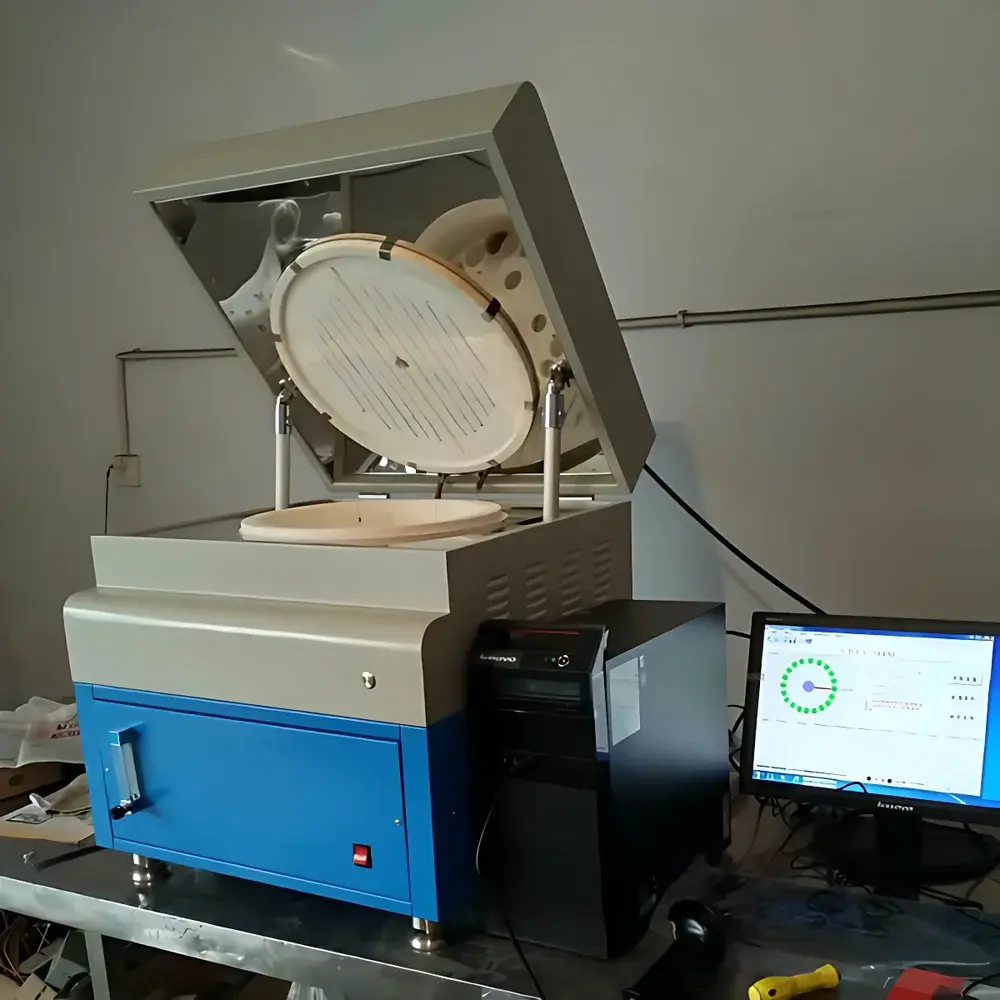
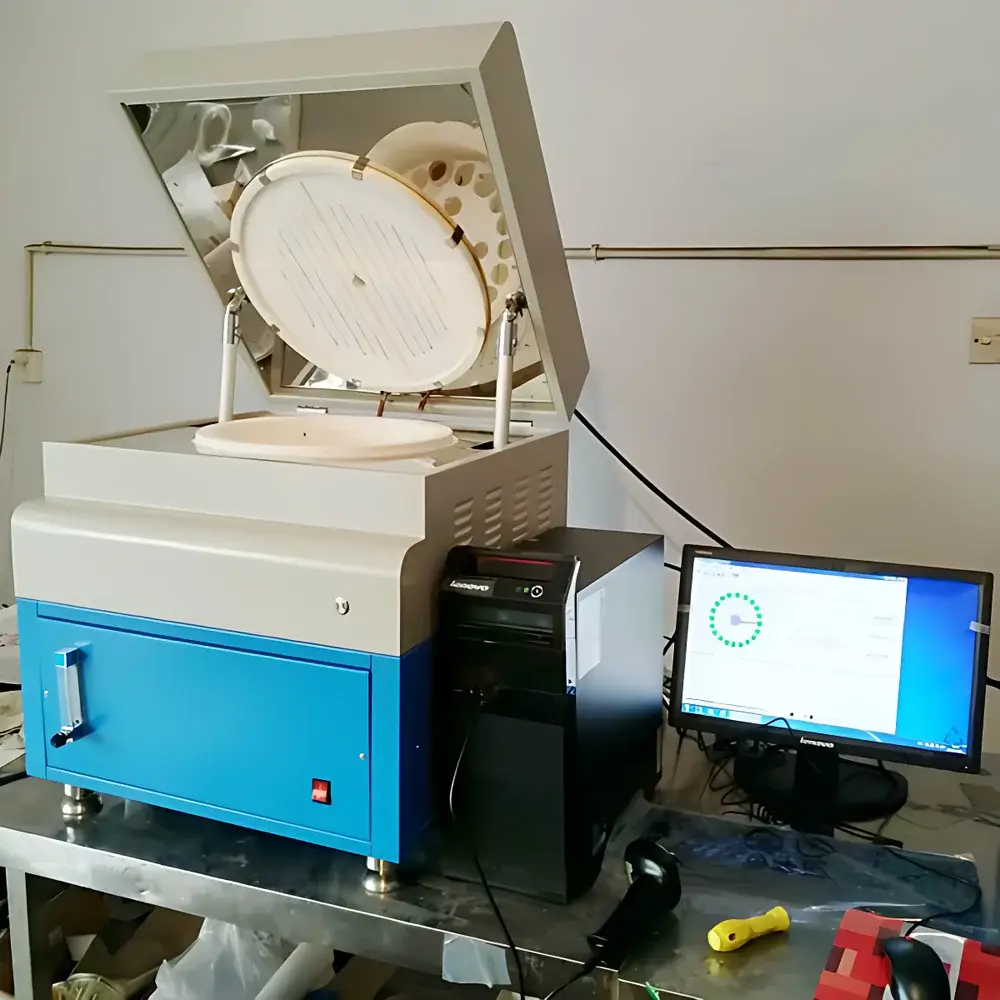
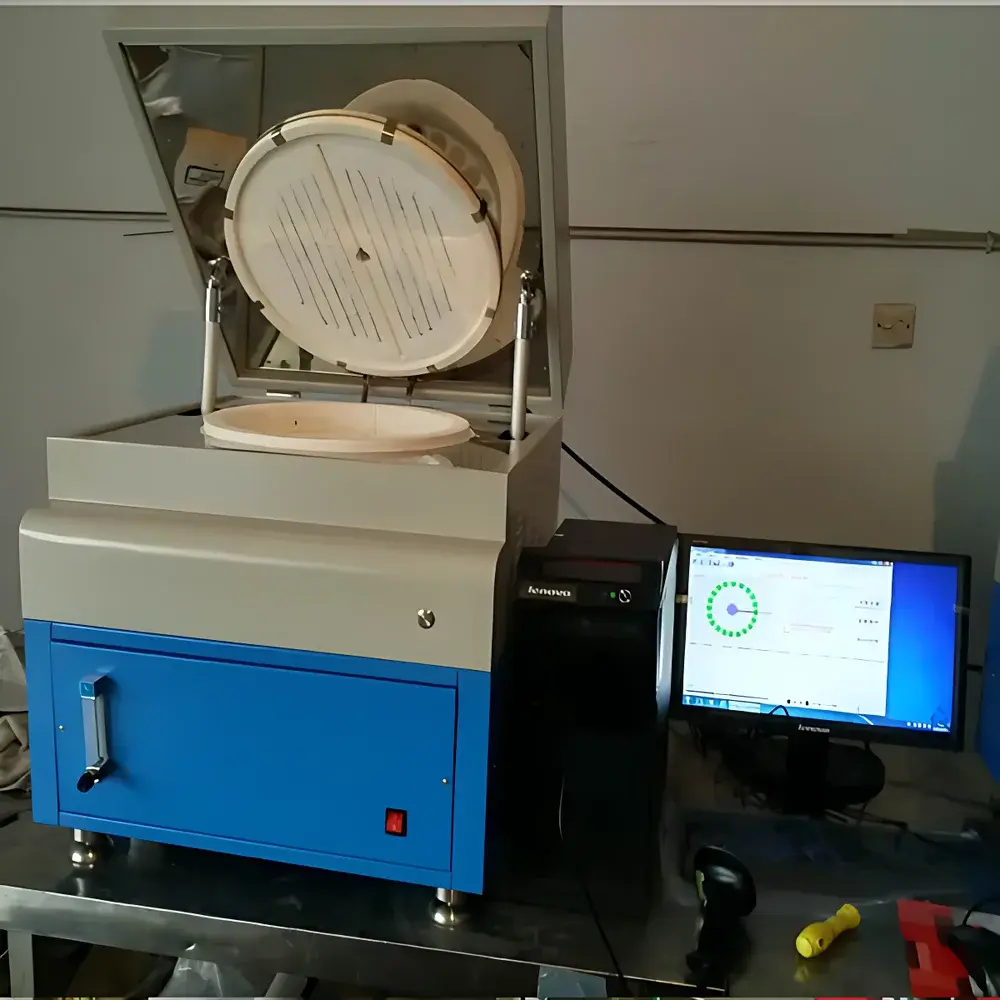
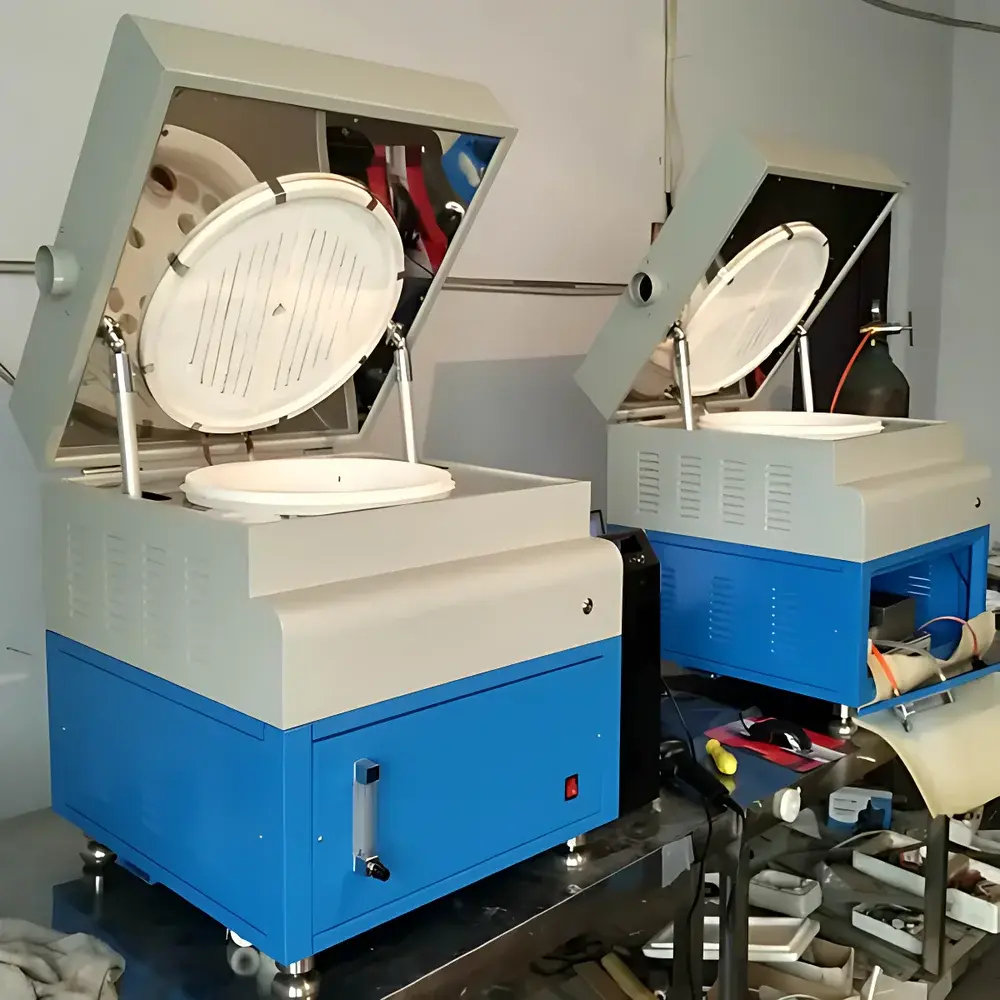
MingShen Science GF-3000 Automated Coal Proximate Analyzer
| Brand | MingShen Science |
|---|---|
| Origin | Henan, China |
| Model | GF-3000 |
| Power Supply | 220 V, 50 Hz, 6 kW (main unit) |
| Gas Requirements | O₂ purity ≥99.5%, regulated pressure 0.25 MPa |
| Operating Temperature | 10–40 °C |
| Relative Humidity | 35–85% RH |
| Atmospheric Pressure | 86–106 kPa |
| Sample Mass | 0.9000–1.1000 g |
| Furnace Temperature Range | Ambient to 1000 °C |
| Capacity | Up to 19 samples per run |
| Dimensions | 655 × 600 × 575 mm (L×W×H) |
| Weight | 60 kg |
| Compliance | GB/T 212–2001 |
Overview
The MingShen Science GF-3000 Automated Coal Proximate Analyzer is a fully integrated, microprocessor-controlled instrumentation system engineered for precise and reproducible determination of coal proximate analysis parameters—moisture, ash, volatile matter, fixed carbon, and gross calorific value—according to the Chinese national standard GB/T 212–2001. It operates on the principle of thermogravimetric analysis (TGA) under controlled atmospheric conditions: sequential heating stages in defined gas environments (N₂ for volatile matter determination, O₂ for ash ignition) enable real-time mass loss monitoring via high-resolution internal electronic balances. Each analytical cycle integrates thermal treatment, dynamic weighing, and automated data processing within a single platform, eliminating manual intervention and minimizing operator-induced variability. The instrument features dual independent furnace modules—low-temperature (for moisture) and high-temperature (for ash and volatile matter)—each equipped with a built-in 0.1 mg readability balance, enabling concurrent or staggered analysis of up to 19 samples in ≤180 minutes.
Key Features
- Dual-furnace architecture with separate temperature zones: low-temperature chamber (up to 150 °C) for moisture determination and high-temperature chamber (up to 1000 °C) for ash and volatile matter analysis.
- Integrated 0.1 mg precision electronic balances (two units), calibrated traceably to national metrological standards, housed directly within each furnace module to ensure thermal stability and measurement integrity during heating.
- Automated gas switching system with solenoid valves and pressure-regulated supply lines for O₂ and N₂, delivering consistent flow rates and stable partial pressures required by GB/T 212–2001 protocols.
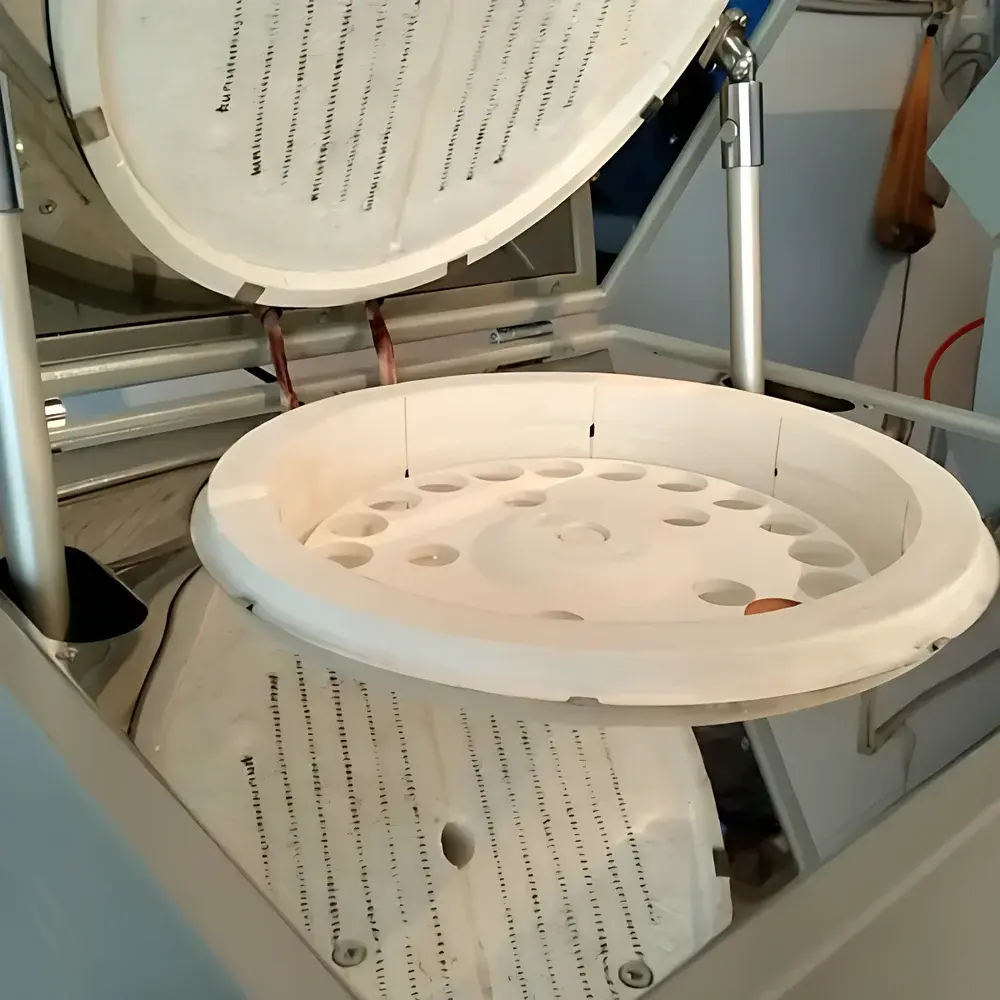
- Motorized sample carousel with programmable vertical lift and clockwise rotation, ensuring uniform exposure of crucibles to thermal gradients and eliminating positional bias.
- Modular operation mode: either simultaneous dual-parameter testing (e.g., moisture + ash) or isolated single-parameter runs, configurable via software interface without hardware reconfiguration.
- Self-contained data acquisition and reporting engine supporting automatic generation of compliant test reports—including sample ID, mass readings at each stage, calculated percentages, and pass/fail status against GB/T 212–2001 tolerance limits.
Sample Compatibility & Compliance
The GF-3000 is validated for use with coal, coke, fly ash, and boiler slag specimens conforming to particle size specifications outlined in GB/T 212–2001 (typically ≤0.2 mm). Crucible capacity supports 20 standard ceramic crucibles (with lids), allowing 19 active positions plus one reference or blank slot per batch. All thermal profiles, dwell times, gas purging durations, and mass stabilization criteria adhere strictly to the procedural requirements of GB/T 212–2001. While primarily designed for Chinese regulatory compliance, its operational logic aligns with ASTM D3172–19 (Standard Practice for Proximate Analysis of Coal and Coke) and ISO 1171:2020 (Solid Mineral Fuels — Determination of Ash), facilitating cross-reference validation in international laboratories. No modifications are required to meet GLP documentation requirements; audit trails, user access logs, and electronic signatures are supported through optional software modules compliant with FDA 21 CFR Part 11.
Software & Data Management
The GF-3000 operates under proprietary Windows-based control software that provides full method configuration, real-time thermal/mass trending, and post-run statistical evaluation. Each test session generates a timestamped dataset containing raw mass values at pre-defined intervals (e.g., t₀, t₁₅min, t₆₀min), furnace temperature profiles, gas flow status, and environmental sensor outputs (ambient T/RH). Data files are stored in encrypted binary format (.gfa) with CSV export capability for third-party statistical packages. Database management includes searchable sample history, customizable report templates (PDF/Excel), and role-based user permissions (administrator, analyst, reviewer). Software versioning, calibration log integration, and firmware update tracking support laboratory quality system requirements under ISO/IEC 17025:2017 Clause 7.7.
Applications
- Quality assurance in coal mining and blending operations, where rapid proximate analysis informs feedstock selection and process optimization.
- Power plant coal yards and boiler house labs conducting daily incoming fuel verification prior to combustion.
- Research institutions evaluating coal rank classification, combustion behavior modeling, and co-firing feasibility studies with biomass or waste-derived fuels.
- Environmental monitoring agencies assessing ash fusibility precursors and unburnt carbon content in fly ash for disposal compliance.
- Contract testing laboratories serving cement, steel, and metallurgical industries requiring accredited proximate data per GB/T 212–2001 or ASTM equivalents.
FAQ
Does the GF-3000 require external calibration weights for daily balance verification?
No—the internal balances feature automatic internal calibration routines triggered before each analytical sequence; however, external verification using Class E2 stainless steel weights (0.1 g and 1 g) is recommended weekly per GB/T 212–2001 Annex B.
Can the instrument be operated without a connected PC?
No—the GF-3000 relies on host computer control for method execution, data logging, and report generation; standalone operation is not supported.
Is nitrogen and oxygen supply mandatory for all test types?
Yes—N₂ is required for volatile matter determination (inert atmosphere), and O₂ is required for ash ignition (oxidizing atmosphere); both gases must meet ≥99.5% purity and be delivered at regulated 0.25 MPa pressure.
What maintenance intervals are specified for the heating elements and gas manifolds?
Heating elements should be inspected every 6 months for visible oxidation or warping; gas manifold filters require replacement every 3 months or after 200 test cycles, whichever occurs first.
How does the system handle abnormal mass drift during heating?
The software implements adaptive stabilization algorithms that pause heating if mass change exceeds ±0.0005 g over 30 seconds; users receive an alert and may choose to resume, abort, or recalibrate.






