
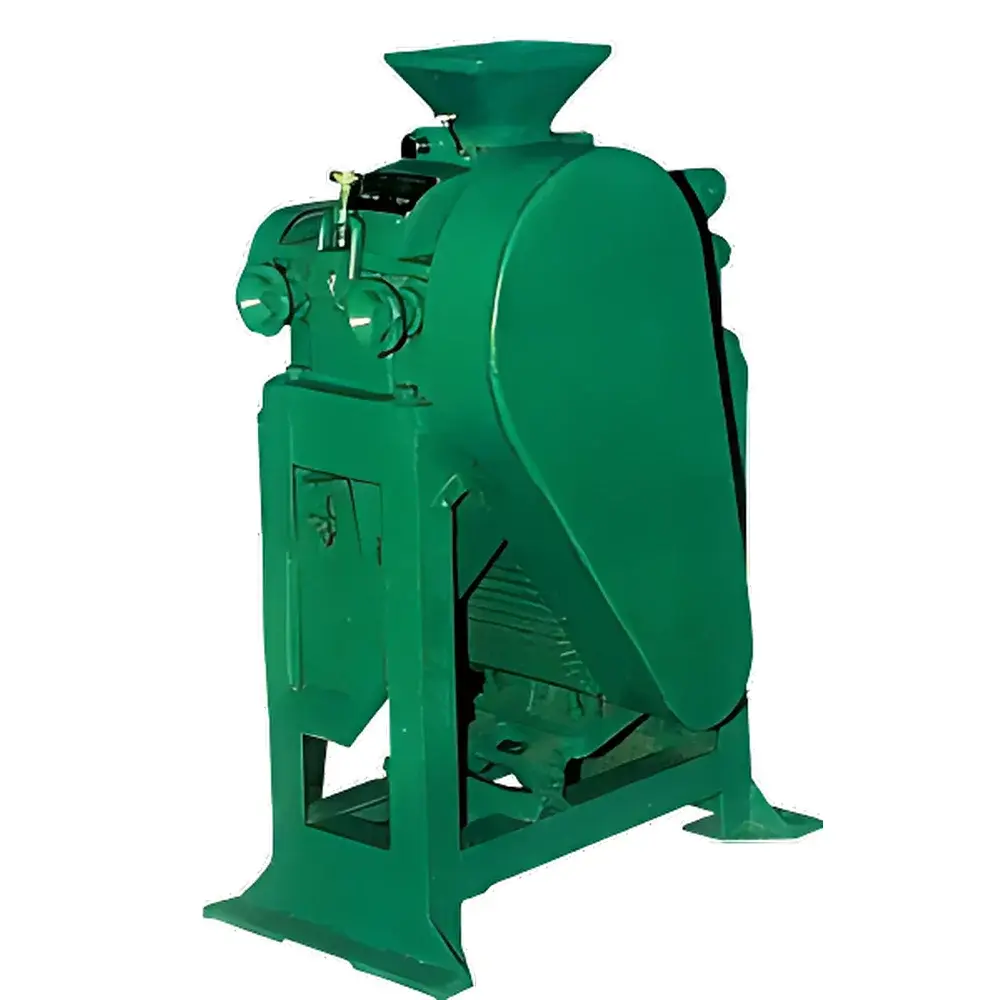
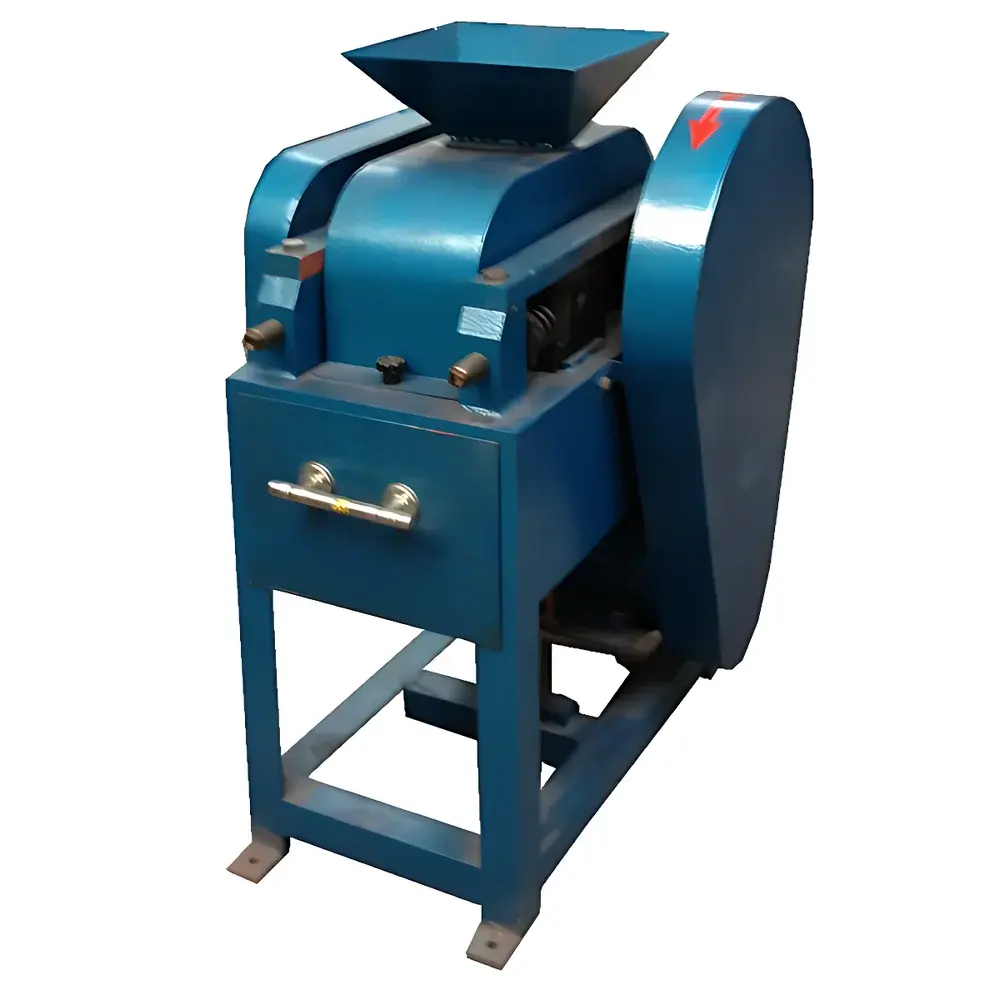
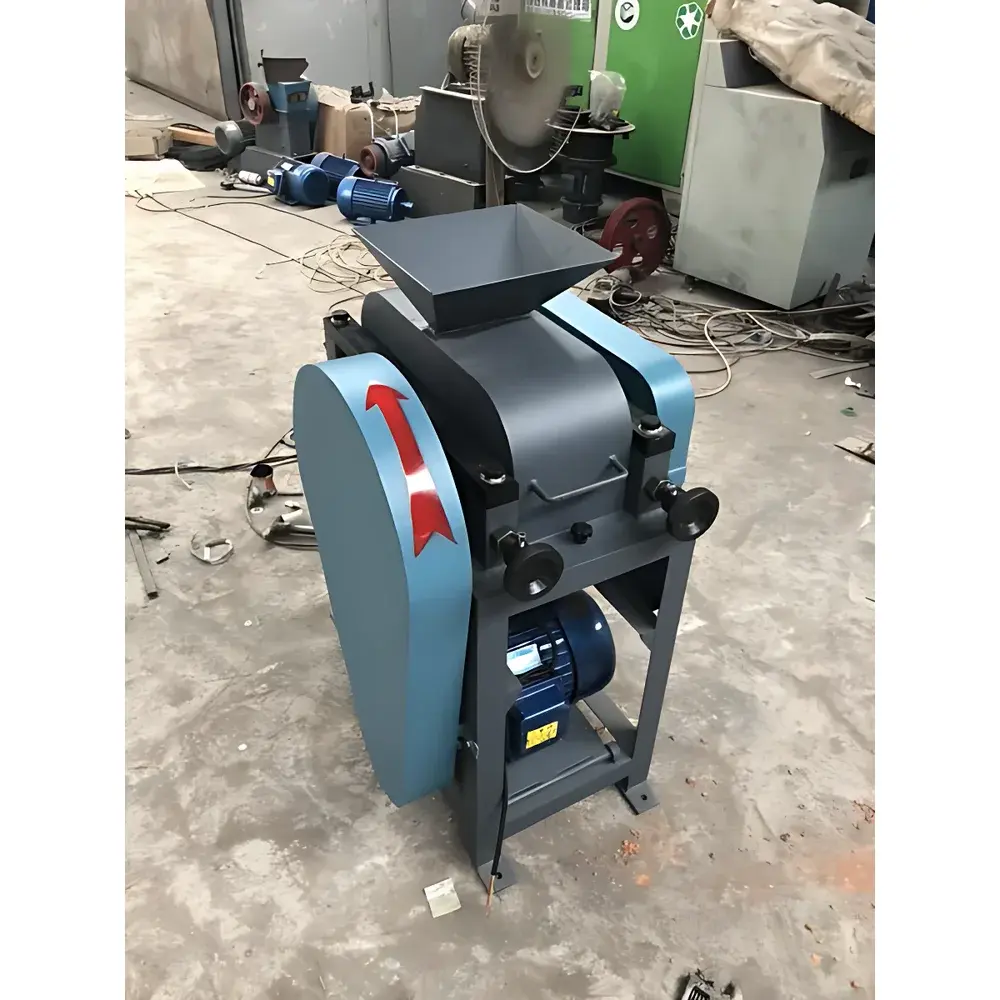
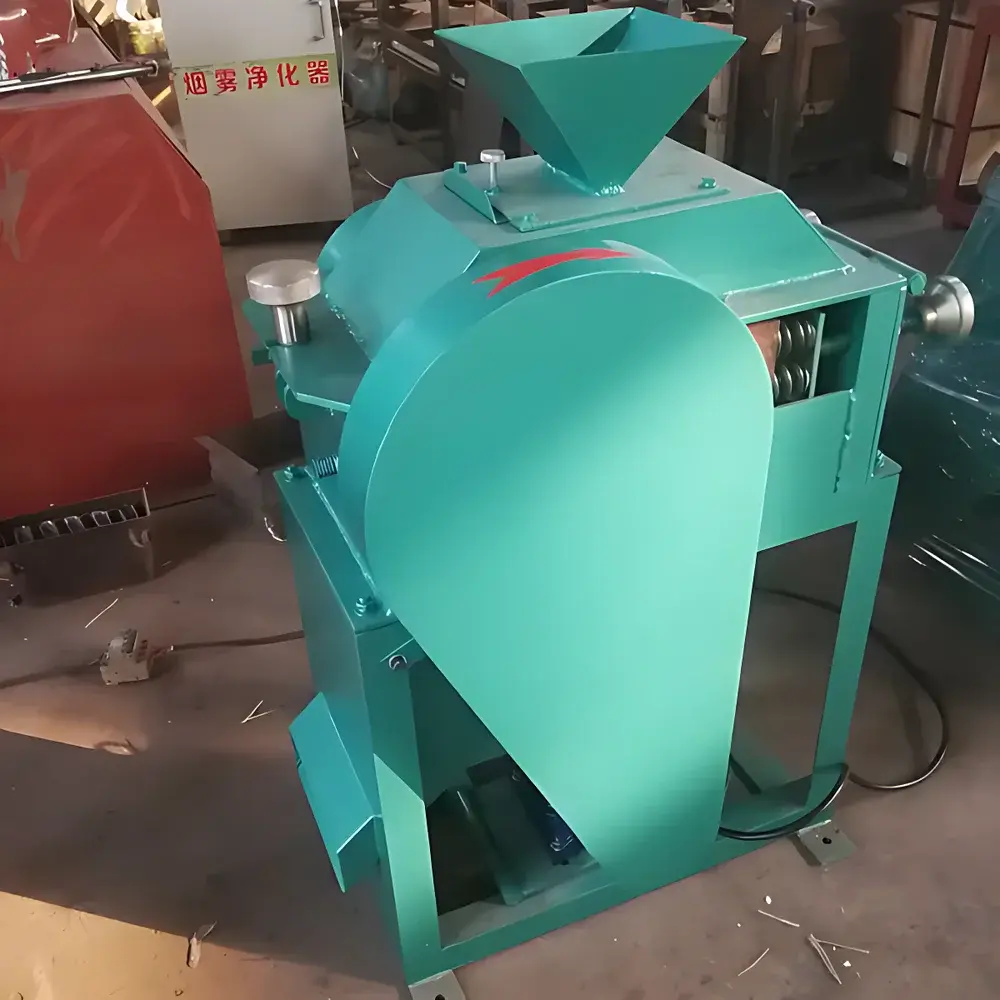
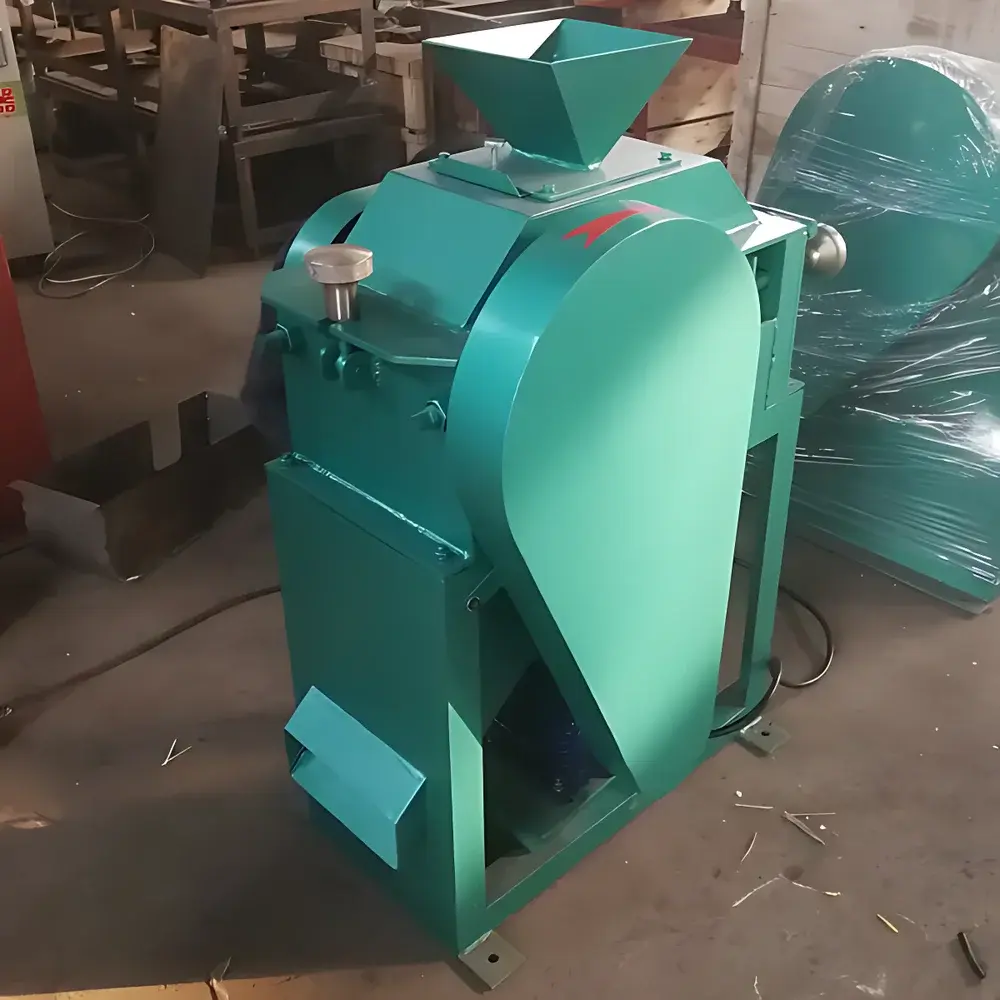
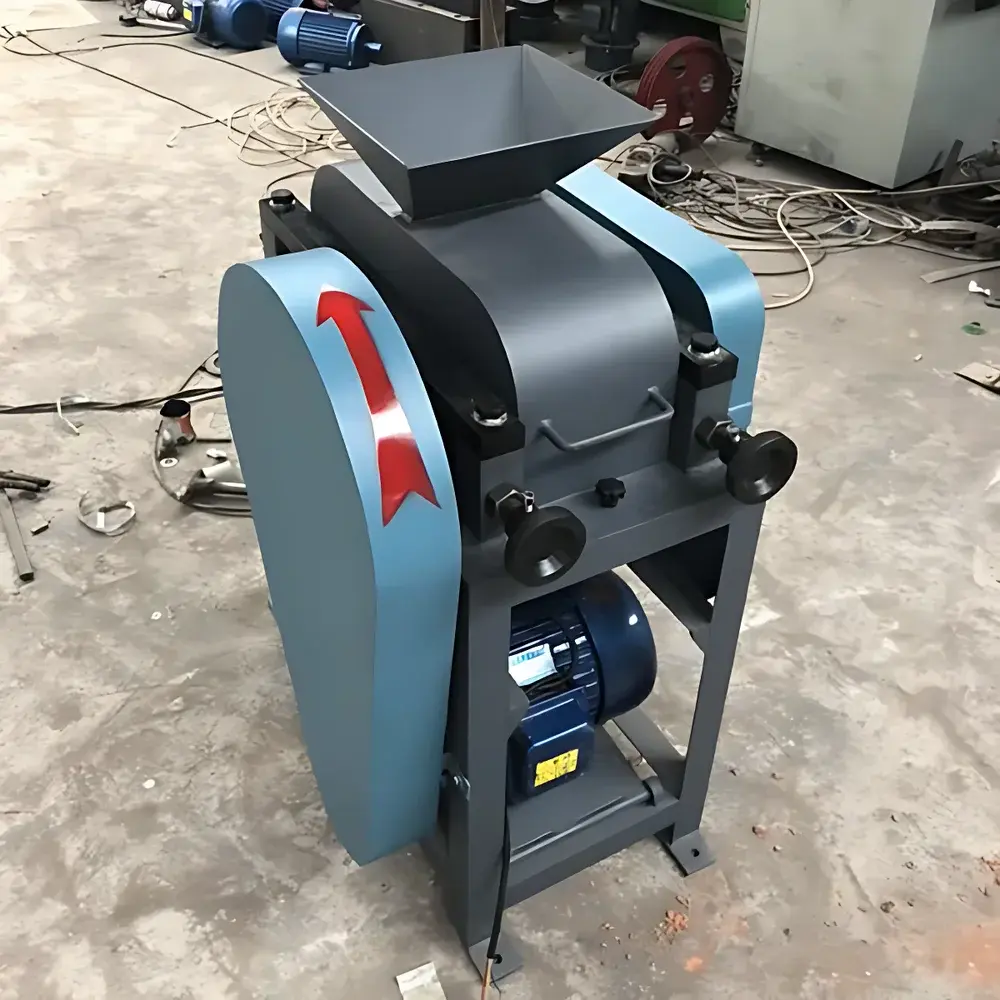
MingShen Science XPZ200×75 Dual-Roll Crusher
| Brand | MingShen Science |
|---|---|
| Origin | Henan, China |
| Manufacturer Type | Authorized Distributor |
| Country of Origin | China |
| Model | XPZ200×75 |
| Instrument Type | Dual-Roll Crusher |
| Sample Applicability | Hard and Medium-Hard Materials (Compressive Strength ≤ 700 kg/cm² or ≤ 150 MPa) |
| Feed Size | ≤ 13 mm |
| Discharge Size | Adjustable down to ≤ 1 mm (typical range: 0.5–3 mm) |
| Throughput Capacity | Up to 300 kg/h (at optimal gap setting) |
| Roll Dimensions | Φ200 × 75 mm |
| Roll Speed | 450 rpm |
| Motor Power | 1.5 kW |
| Supply Voltage | 3-phase AC 380 V ±10%, 50 Hz |
| Net Weight | ~200 kg |
| Overall Dimensions (L×W×H) | 640 × 450 × 875 mm |
Overview
The MingShen Science XPZ200×75 Dual-Roll Crusher is a precision-engineered laboratory-scale compression crusher designed for consistent, controllable size reduction of hard and medium-hard brittle materials. Based on the principle of opposed-roll compression—where two counter-rotating smooth-surfaced rolls apply uniform compressive force—the instrument achieves predictable particle size distribution through mechanical gap adjustment. Unlike impact or shear-based grinders, this dual-roll configuration minimizes fines generation and heat-induced degradation, making it especially suitable for sample preparation prior to elemental analysis (e.g., XRF, ICP-OES), proximate analysis (e.g., coal ash, moisture, volatile matter), and mineralogical characterization. Its maximum feed hardness limit of 150 MPa (equivalent to 700 kg/cm²) aligns with ASTM D3174 and ISO 1171 standards for coal and rock comminution, ensuring compliance in accredited testing environments.
Key Features
- Adjustable inter-roll gap mechanism enabling precise control over discharge particle size (range: 0.5–3 mm), calibrated via micrometer-scale vernier scale
- Robust cast-iron frame and high-tensile steel roll construction (Φ200 × 75 mm) for long-term dimensional stability under cyclic loading
- Direct-drive transmission system using V-belt and chain coupling, delivering stable 450 rpm roll rotation from a 1.5 kW, 1400 rpm induction motor
- Spring-loaded roll assembly providing automatic pressure compensation during variable feed loads, reducing risk of jamming or roll damage
- CE-compliant electrical enclosure with thermal overload protection, emergency stop button, and IP54-rated motor housing
- Modular design facilitating tool-free access to rolls and clearance adjustment components for routine maintenance and cleaning
Sample Compatibility & Compliance
The XPZ200×75 is validated for use with non-fibrous, non-sticky, dry or low-moisture (< 8% w/w) samples including bituminous coal, limestone, gypsum, shale, basalt, and ceramic raw materials. It is not recommended for highly abrasive materials (e.g., silicon carbide), ductile metals, or hygroscopic compounds prone to caking. The unit meets structural safety requirements per EN 61000-6-2 (EMC immunity) and EN 61000-6-4 (EMC emission). While not certified to ISO/IEC 17025 as a standalone measuring instrument, its reproducible output supports GLP-compliant sample homogenization workflows when operated within defined SOPs—including documented gap settings, feed rate control, and post-crushing sieving validation (per ASTM E11 or ISO 3310-1).
Software & Data Management
This mechanical crusher operates without embedded firmware or digital control interface; all operational parameters are manually set and verified using calibrated mechanical indicators. For traceability in regulated laboratories, users are advised to record gap settings, batch identifiers, feed mass, and sieve analysis results in an electronic lab notebook (ELN) compliant with 21 CFR Part 11 requirements. Optional integration with laboratory information management systems (LIMS) is supported via manual data entry or CSV export from third-party particle size analyzers used downstream (e.g., Malvern Mastersizer, Retsch Camsizer).
Applications
- Preparation of representative sub-samples for coal quality assessment (ASTM D3172–D3176)
- Reduction of geological core fragments to <1 mm for X-ray fluorescence (XRF) fusion bead preparation
- Size conditioning of catalyst supports and refractory aggregates prior to BET surface area analysis
- Intermediate crushing stage in multi-step comminution protocols for geochemical reference material homogenization
- Routine feedstock sizing in cement and ceramics R&D labs where narrow PSD control is required prior to milling
FAQ
What is the recommended maintenance interval for the XPZ200×75?
Roll surface inspection and bearing lubrication should be performed every 200 operating hours or quarterly—whichever occurs first. Replace V-belts if cracking or elongation exceeds 3% of original length.
Can this crusher handle wet or sticky feed material?
No. Moisture content above 8% w/w may cause adhesion between rolls and inconsistent gap engagement. Pre-drying to <5% moisture is strongly advised for cohesive samples.
Is calibration documentation provided with the unit?
A factory-verified mechanical gap calibration certificate is included, referencing traceable gauge blocks per ISO 3650. No periodic recalibration is required unless rolls are replaced or frame distortion is suspected.
Does the unit comply with explosion-proof requirements for coal lab use?
It is not intrinsically safe or ATEX-certified. Installation in Zone 21 dust environments requires supplementary engineering controls (e.g., local exhaust ventilation, grounding straps, and static-dissipative flooring) per NFPA 652 guidelines.
What sieve sizes are recommended for verifying output particle size?
Use ASTM E11 standard test sieves: 1.0 mm (18 mesh) and 0.5 mm (35 mesh) for routine verification. Cumulative undersize analysis should be conducted per ISO 9276-2 for PSD reporting.



