
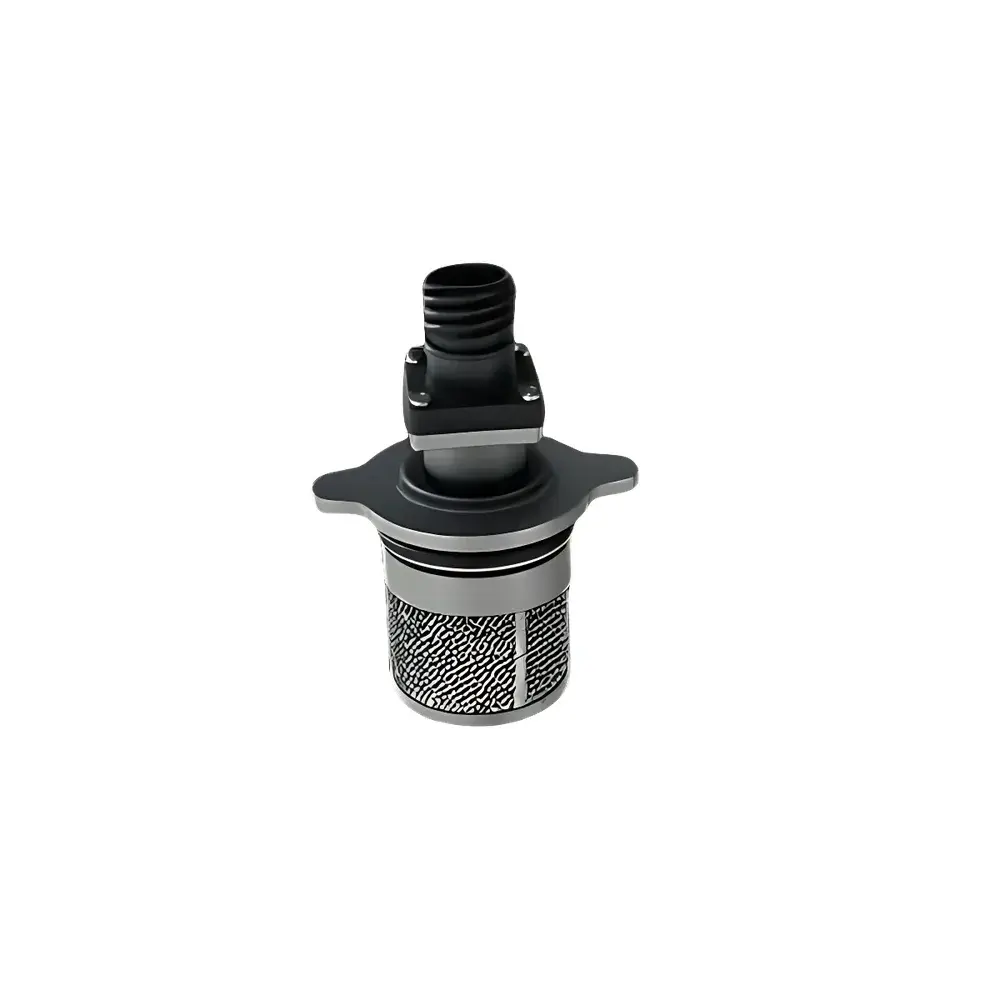
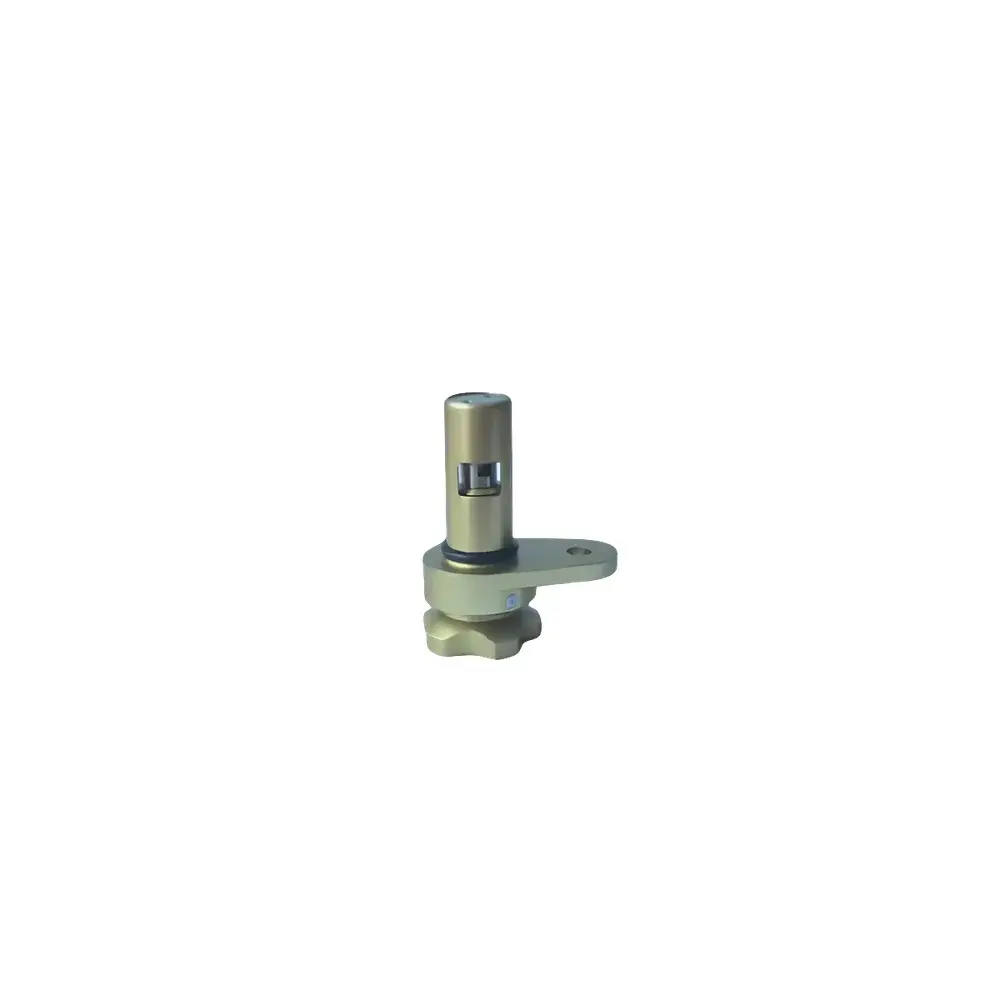
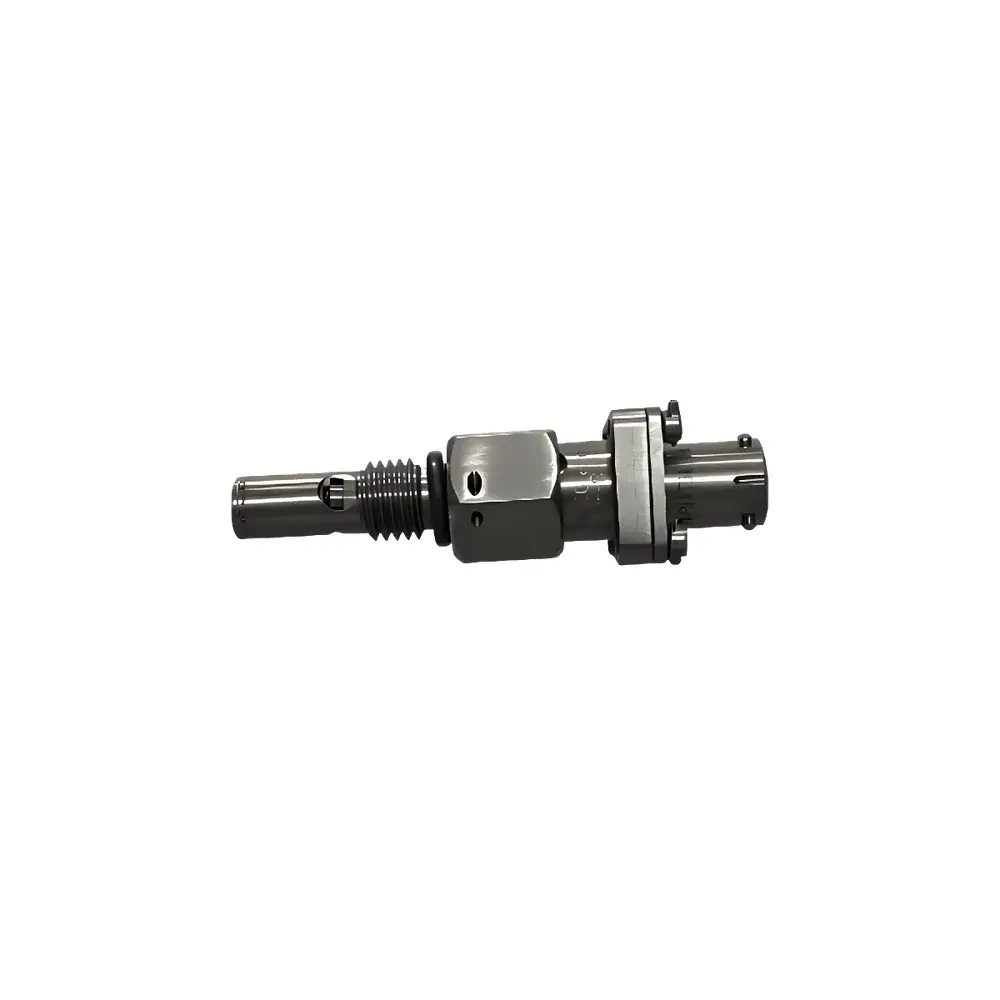
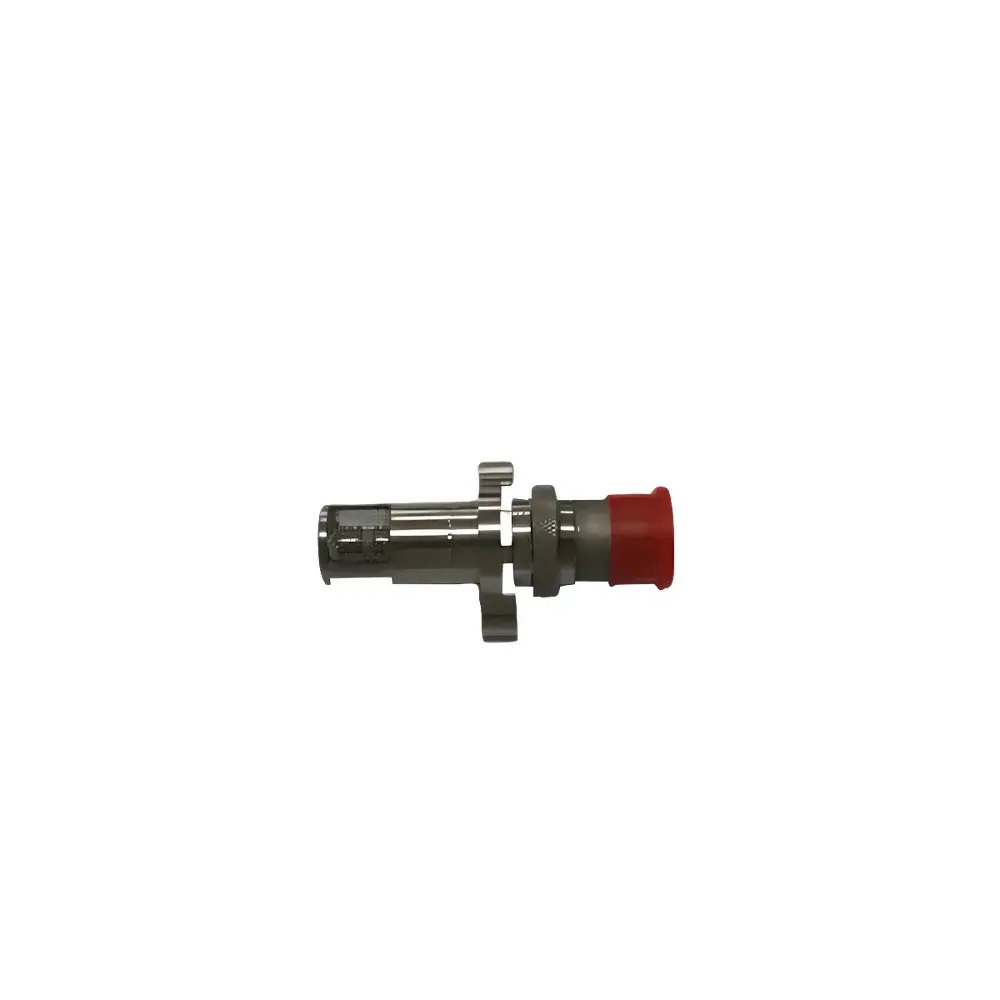
Beijing Hangfeng CS Series Magnetic Chip Detectors (MCD) / Magnetic Plug Sensors
| Key | Brand: Beijing Hangfeng |
|---|---|
| Origin | Beijing, China |
| Model | CS-01 / CS-02 / HQ-04 |
| Operating Voltage | 18–30 VDC |
| Working Temperature | −55 °C to +150 °C |
| Storage Temperature | −55 °C to +70 °C |
| Max Working Pressure | ≤0.6 MPa |
| Sealing Performance | ≥0.3 MPa |
| Magnetic Pole Gap | 2.0 ± 0.1 mm (CS-01/CS-02), 1.7 ± 0.1 mm (HQ-04) |
| Magnetic Attraction Force | ≥50 g (CS-01/CS-02), ≥100 g (HQ-04) |
| Filtration Rating | 900 µm (CS-01), None (CS-02), 600 µm (HQ-04) |
| Ground Resistance | ≤20 mΩ |
| Insulation Resistance | ≥20 MΩ |
| Compatible Fluids | MIL-PRF-23699 (GJB 1263–1991 compliant) synthetic aircraft lubricants (e.g., 4106, 4050) |
| Humidity Limit | ≤90% RH |
| Max Operational Altitude | 20,000 m |
| TBO | 1000 engine operating hours |
| Service Life | 4000 engine operating hours |
| Installation Interface | φ18 flange (CS-01), M12×1.5 (CS-02), φ27 flange (HQ-04) |
| Dimensions | ≤φ41×72 mm (CS-01), ≤φ31×77 mm (CS-02), ≤φ54×82 mm (HQ-04) |
Overview
The Beijing Hangfeng CS Series Magnetic Chip Detectors (MCDs), commonly referred to as magnetic plugs or magnetic drain plugs, are engineered for continuous in-service monitoring of ferrous wear debris in aviation and high-reliability rotating machinery lubrication systems. These devices operate on the principle of passive magnetic capture: integrated permanent magnets generate a controlled magnetic field across a precisely defined pole gap, attracting and retaining ferromagnetic particles—such as iron, nickel, and cobalt-based alloys—carried by circulating oil. Installed directly in the engine or gearbox return oil line, they serve dual functional roles: real-time wear particle accumulation for offline metallurgical analysis, and—where equipped with integrated sensing elements—electrical signal generation upon threshold debris loading. Unlike active sensors requiring excitation circuits, the CS Series relies solely on static magnetic flux density and mechanical design integrity, ensuring fail-safe operation under extreme thermal cycling, vibration, and pressure transients typical of aerospace powertrain environments.
Key Features
- Robust stainless-steel housing with precision-machined flange or threaded interfaces (φ18 flange, M12×1.5, or φ27 flange) enabling rapid installation without system depressurization or oil loss.
- Self-sealing valve mechanism (standard on CS-02 and HQ-04 models) prevents oil leakage during chip removal, supporting safe ground maintenance procedures while maintaining system integrity.
- Optimized magnetic circuit geometry delivering ≥50 g (CS-01/CS-02) or ≥100 g (HQ-04) holding force at the pole surface, validated per ASTM F1871 for magnetic retention capacity under dynamic flow conditions.
- Low-pressure-drop internal flow path (<0.05 bar ΔP at nominal flow rates), minimizing impact on system hydraulic balance and thermal management performance.
- High-integrity sealing system rated to ≥0.3 MPa static pressure and qualified for cyclic service up to 0.6 MPa; employs fluorosilicone O-rings and ceramic-coated metallic seals compatible with MIL-PRF-23699 synthetic lubricants.
- Integrated temperature sensor option (RTD or thermistor) supports concurrent oil temperature logging—critical for correlating wear rate with thermal degradation and viscosity shifts.
Sample Compatibility & Compliance
The CS Series is specifically calibrated for use with GJB 1263–1991-compliant aviation lubricants (e.g., 4106, 4050), exhibiting full chemical compatibility and dielectric stability over the full operational range (−55 °C to +150 °C). All variants meet MIL-STD-810H environmental test requirements for shock, vibration, and thermal shock. Electrical insulation resistance (≥20 MΩ @ 500 VDC) and grounding continuity (≤20 mΩ) comply with DO-160 Section 20 lightning-induced transient immunity and Section 22 electrostatic discharge protocols. The HQ-04 model’s 600 µm filtration rating satisfies OEM-defined debris size thresholds for early-stage gear tooth pitting detection per SAE ARP4987 guidelines. Units are supplied with traceable calibration documentation and conform to AS9100D manufacturing controls for aerospace-grade traceability.
Software & Data Management
While the base CS-01 and CS-02 models are analog-only passive detectors, the HQ-04 variant supports digital integration via 4–20 mA or discrete switch output (SPST, 24 VDC-rated) for connection to aircraft health and usage monitoring systems (HUMS) or ground-based condition monitoring platforms. Signal outputs are designed for direct interface with ARINC 429 or CAN bus gateways (via optional adapter modules). All electronic configurations support audit-trail-capable logging when paired with FAA/EASA-approved data acquisition hardware compliant with 21 CFR Part 11 requirements for electronic records and signatures. Firmware updates—where applicable—are delivered via secure encrypted USB protocol and require dual-authorized access control.
Applications
- Aircraft gas turbine engines (turbofan, turboprop, APUs) for real-time monitoring of bearing, gear, and seal wear.
- Military and civil helicopter main/tail rotor gearboxes subject to high-torque, low-speed fatigue regimes.
- Marine propulsion reduction gears operating under sustained load and salt-contaminated lubricant conditions.
- Industrial power generation turbines where unplanned downtime carries high operational risk.
- Ground-test stands and engine overhaul facilities performing accelerated life-cycle validation and failure mode analysis.
FAQ
What distinguishes the CS-01, CS-02, and HQ-04 models?
The CS-01 is a non-signaling, self-contained magnetic plug with no electrical output; the CS-02 adds a self-sealing valve but remains passive; the HQ-04 integrates both self-sealing functionality and an electrical alarm output triggered by accumulated debris mass, plus optional temperature sensing.
Can these units be used with non-aviation lubricants?
They are qualified only for synthetic aviation oils meeting GJB 1263–1991 (equivalent to MIL-PRF-23699). Use with mineral-based or automotive-grade oils may compromise seal integrity and magnetic retention efficiency.
Is periodic recalibration required?
No. As passive magnetic devices, they do not drift. However, visual inspection and magnetic strength verification (using certified gaussmeter) are mandated per OEM maintenance manuals every 500 engine hours or during each scheduled oil change.
How is debris removal performed without oil loss?
On CS-02 and HQ-04 models, the integrated spring-loaded valve closes automatically upon unscrewing the outer cap, isolating the sump from the detector cavity until the chip collection chamber is fully exposed and secured.
Are explosion-proof versions available?
Standard units are not intrinsically safe. For hazardous-area applications (e.g., refinery gearboxes), custom ATEX/IECEx-certified variants with encapsulated electronics and non-sparking materials can be commissioned under Hangfeng’s engineering services agreement.



