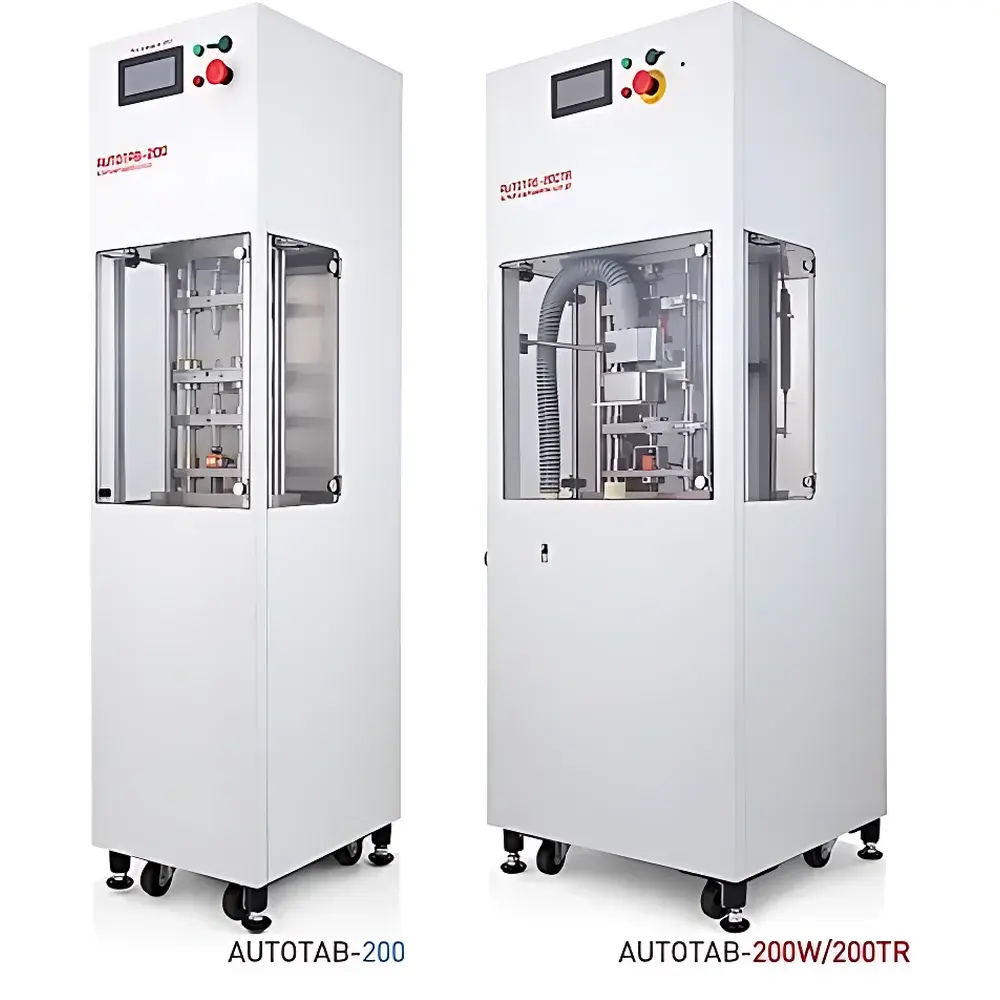
Ichihashi Seiki Autotab-200 Fully Automated Single-Layer Tablet Press
| Key | Brand: Ichihashi Seiki |
|---|---|
| Origin | Japan |
| Model | Autotab-200 |
| Max Compression Force | 40 kN |
| Max Tablet Diameter | Φ16 mm (IPT/TSM-B) / Φ23 mm (IPT/TSM-D) |
| Fill Depth | ≈18 mm |
| Tooling Standard | IPT/TSM-B or D |
| Cycle Time | 12–20 sec/tablet |
| Motor Power | 0.8 kW |
| Voltage | 100/110 V or 200/220 V |
| Weight | 180 kg |
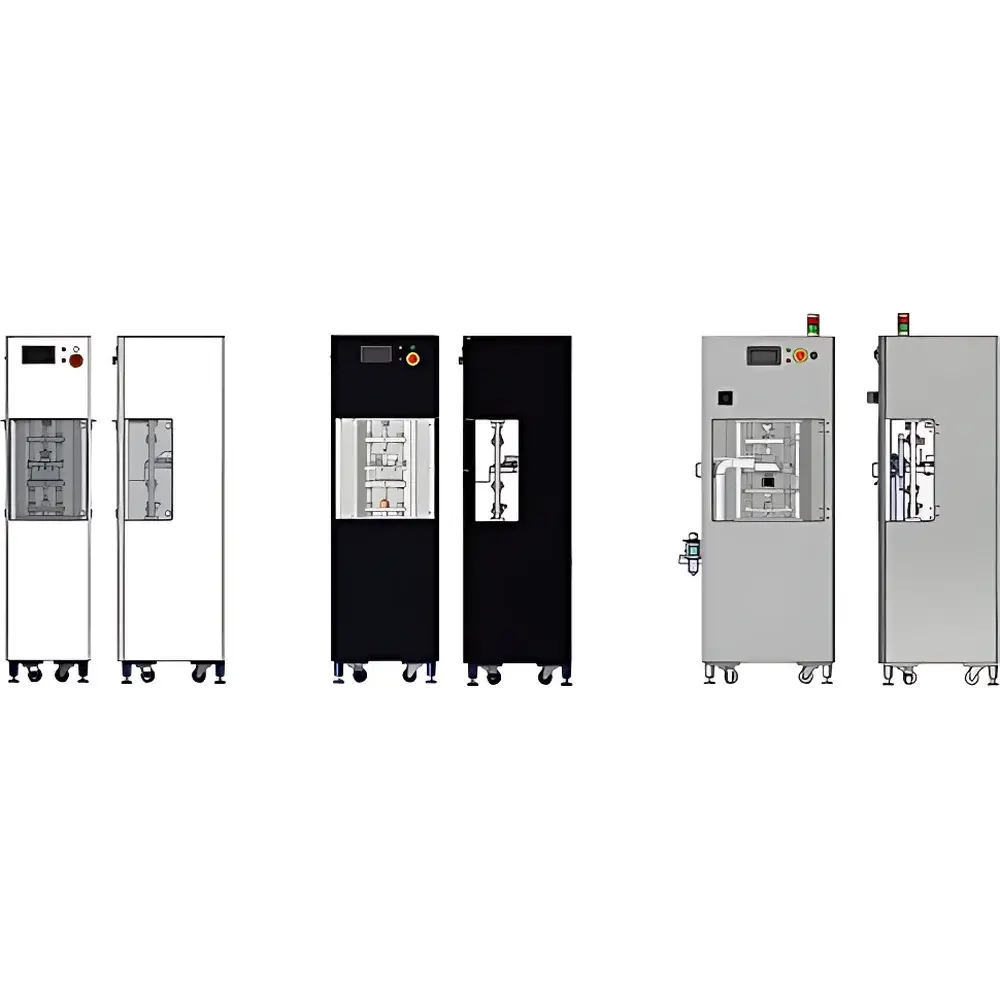
| Dimensions (W×D×H) | 400 × 500 × 1540 mm |
| Hopper Capacity | 100 mL |
| Compliance | IPT, TSM, EU standard tooling compatible |
Overview
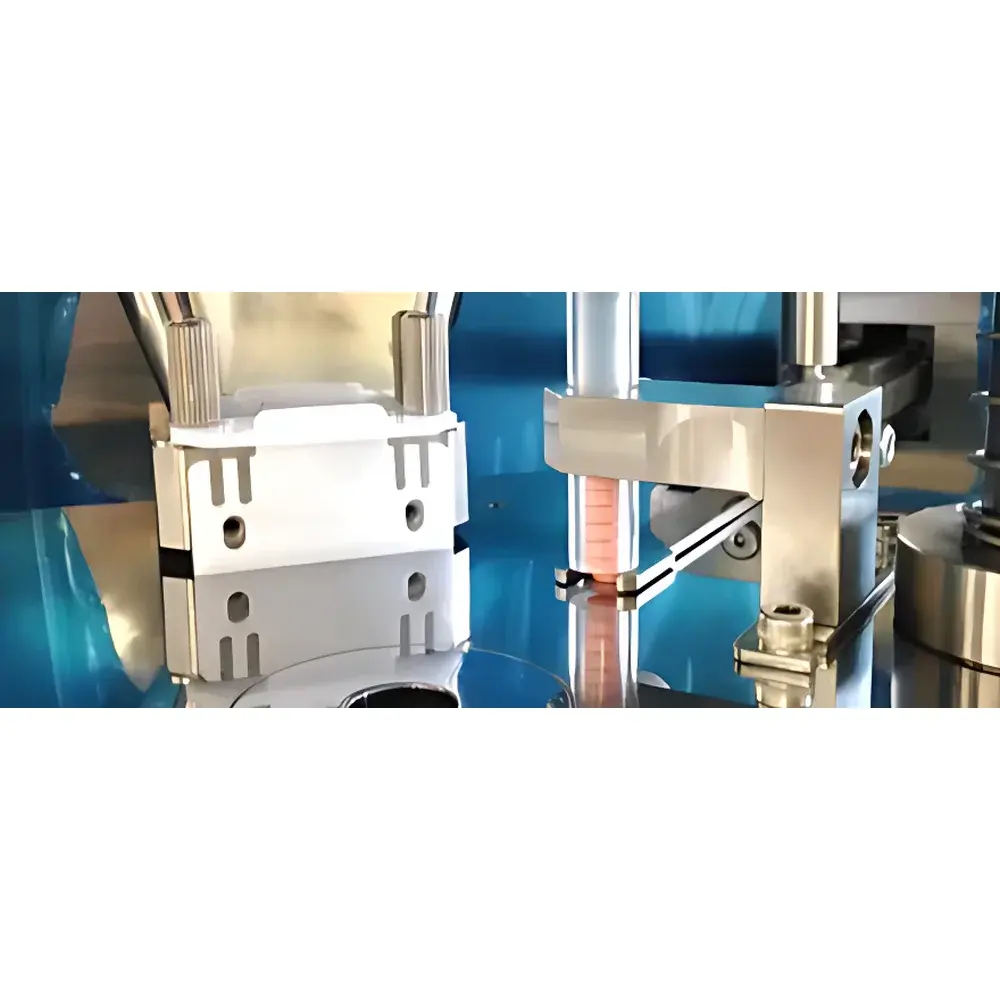
The Ichihashi Seiki Autotab-200 is a fully automated, single-layer tablet press engineered for precision, repeatability, and operational flexibility in research and development environments. Designed according to the fundamental principles of mechanical compression—where controlled axial force is applied between upper and lower punches within a die cavity—the Autotab-200 delivers consistent tablet density, thickness, and hardness across small-batch production (1–100 tablets per run). Its architecture integrates servo-driven motion control, real-time force monitoring, and programmable parameter logic to ensure deterministic compression behavior under variable formulation conditions. Unlike high-speed rotary presses intended for mass manufacturing, the Autotab-200 prioritizes experimental fidelity: each compression cycle is independently configurable, enabling systematic study of formulation compressibility, punch penetration depth, dwell time effects, and ejection force profiles—critical parameters in preformulation screening and quality-by-design (QbD) workflows.
Key Features
- Intuitive 7-inch capacitive touchscreen interface with multilingual support (English, Japanese, Chinese), enabling direct input and real-time adjustment of compression force (kN), tablet thickness (mm), fill depth (mm), upper punch penetration, and total tablet count.
- Modular tooling compatibility with IPT (International Pharmaceutical Technology) and TSM (Tablet Specification Manual) standards—including B- and D-type dies—supporting round, oval, and custom-shaped tablets up to Φ23 mm diameter.
- Three-side hinged access doors with interlocked safety circuitry: all doors must be closed and latched before actuation; upper and lower punch movements are software-restricted to prevent mechanical collision during setup or maintenance.
- Compact footprint (400 × 500 × 1540 mm) and integrated casters facilitate repositioning within GMP-aligned lab spaces or shared instrumentation suites without structural modification.
- Dual-mode operation: manual jog mode for tooling alignment and calibration; fully automatic batch mode with repeatable parameter recall from internal memory (up to 100 user-defined protocols).
- USB 2.0 port enables export of full-cycle compression logs—including peak main compression force, ejection force, and dwell duration—to external PCs for post-processing in Excel, MATLAB, or statistical process control (SPC) platforms.
Sample Compatibility & Compliance
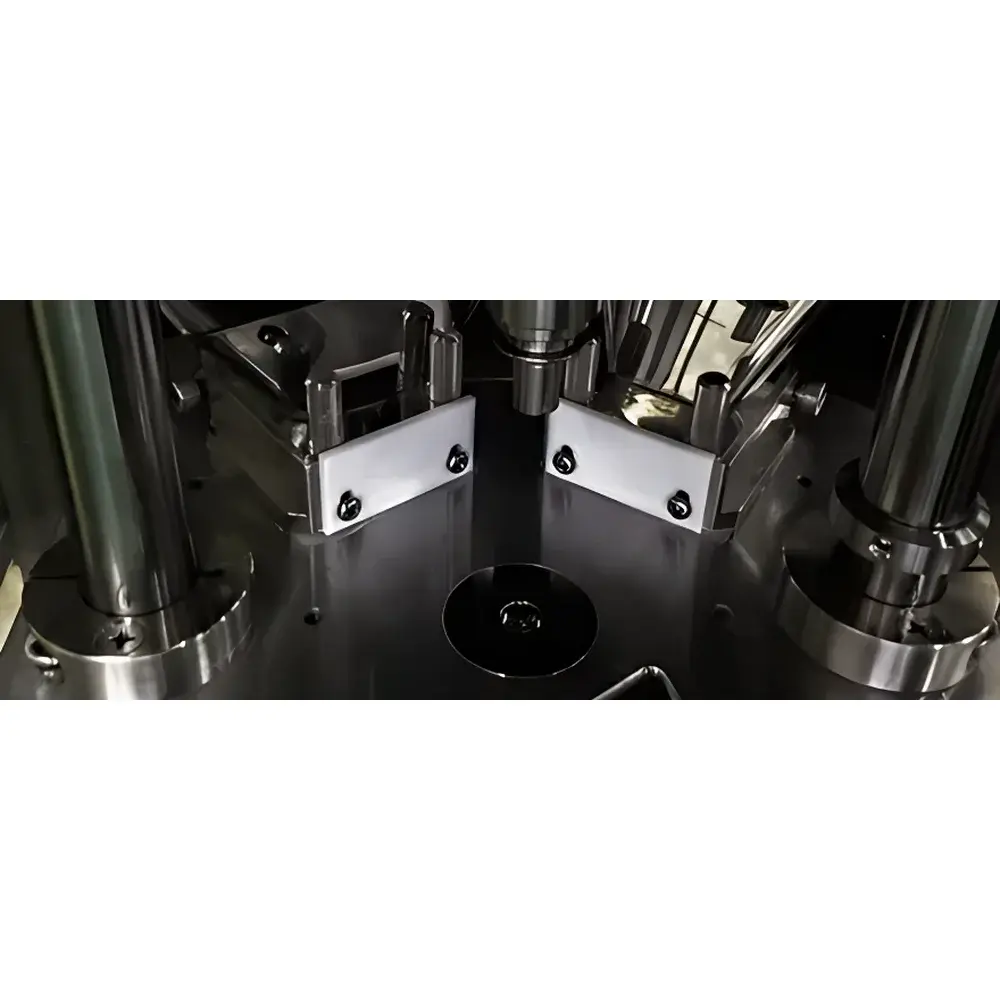
The Autotab-200 accommodates a broad range of powder-based formulations, including active pharmaceutical ingredients (APIs) with excipients (e.g., microcrystalline cellulose, lactose monohydrate, mannitol), ceramic precursors (e.g., alumina, zirconia), catalyst supports (e.g., silica gel, activated carbon granules), and polymer blends. Its sealed compression chamber and optional air purge/vacuum dust extraction kit (sold separately) mitigate cross-contamination during multi-formulation studies—particularly relevant when evaluating layered or core-shell architectures in subsequent Autotab-200W/TR configurations. The system complies with mechanical safety requirements per ISO 12100 and electrical safety per IEC 61000-6-2/6-4. Tooling interfaces conform to ASTM D6111 (standard practice for tablet tooling dimensions) and EU Annex 15 (qualification of ancillary equipment). While not certified for commercial manufacturing under 21 CFR Part 211, it meets GLP documentation standards for R&D data integrity when paired with validated USB logging procedures.
Software & Data Management
The embedded control firmware records timestamped compression events with 10 Hz sampling resolution for force and position transducers. Each batch generates a .csv file containing: cycle ID, target thickness, actual thickness, main compression force (kN), pre-compression force (if enabled), ejection force (kN), and cycle duration (s). No proprietary runtime environment is required on the host PC—data files open natively in spreadsheet applications. Audit trail functionality includes operator ID entry (optional alphanumeric tag), date/time stamping, and write-protected log archiving. For regulated environments, integration with laboratory information management systems (LIMS) is achievable via third-party middleware using standard COM/RS-232 emulation over USB CDC class. Firmware updates are delivered via SD card (supplied) and require no external service intervention.
Applications
- Pharmaceutical R&D: Preformulation assessment of compressibility, compactibility, and tabletability; optimization of binder concentration and lubricant levels; generation of Heckel plots and Kawakita analysis datasets.
- Materials Science: Cold compaction studies of metal oxides and battery electrode slurries; green body formation for sintering trials; density–porosity correlation modeling in ceramic processing.
- Nutraceutical Development: Evaluation of hygroscopicity-induced capping or lamination in vitamin-mineral blends; excipient interaction mapping under varying relative humidity conditions.
- Academic Research: Teaching laboratories for unit operations courses; graduate thesis projects involving powder rheology–compression linkage; method transfer validation between lab-scale and pilot-scale presses.
- Quality Control Support: Reference standard tablet production for dissolution method development; stability-indicating assay calibration using identical geometry and density controls.
FAQ
Is the Autotab-200 compliant with 21 CFR Part 11 for electronic records?
No—its data export function is non-auditable by default. However, when used with externally validated CSV parsing scripts and controlled operator login procedures, it may support ALCOA+ principles in non-GMP research settings.
Can I use non-IPT/TSM tooling, such as custom-shaped punches?
Yes, provided the shank dimensions and retention mechanism match IPT/TSM-B or -D specifications. Custom tooling requires mechanical verification of clearance and load path alignment prior to first use.
What maintenance intervals are recommended?
Lubrication of the main camshaft and punch guide rails every 200 operating hours; torque verification of die cavity mounting bolts every 500 cycles; annual calibration of the load cell against NIST-traceable reference standards.
Does the system support remote monitoring or network connectivity?
Not natively. Ethernet or Wi-Fi modules are not integrated. Remote oversight requires external industrial IoT gateways interfacing via analog 4–20 mA or digital TTL outputs (available upon request as OEM add-ons).
Is training included with purchase?
Yes—Ichihashi Seiki provides a 1-day on-site installation and operational training session covering safety protocols, tooling changeover, parameter programming, and basic troubleshooting. Digital manuals and video tutorials are accessible via secure customer portal.