
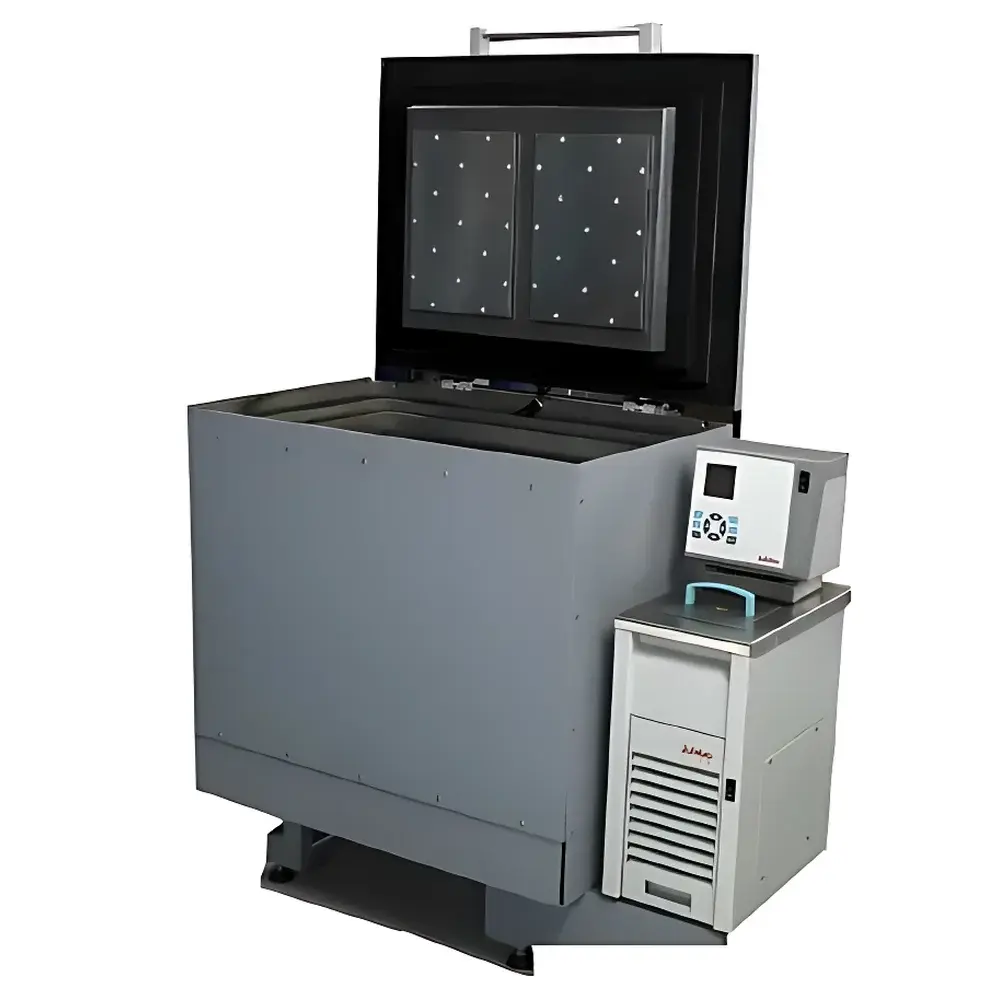
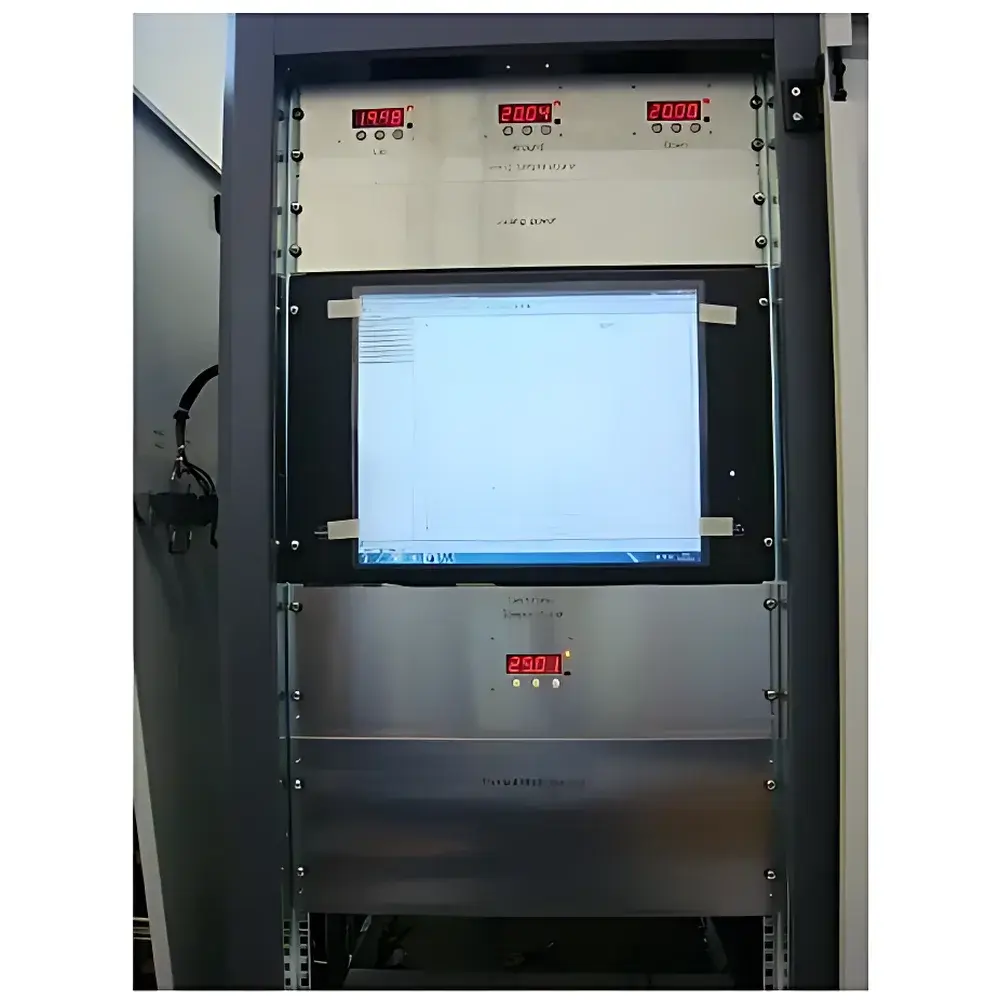
Setaram LVC Series Large-Volume Calorimeter for Radioactive Materials
| Origin | France |
|---|---|
| Manufacturer Type | Authorized Distributor |
| Origin Category | Imported |
| Model | LVC |
| Price | Upon Request |
| Calorimetry Principle | Isoperibol (Calvet-type) |
| Measurement Mode | Isothermal & Scanning |
| Number of Cells | 2 |
| Cell Volume | 90 L |
| Power Range | 100–26,000 mW |
| Thermal Output Equivalent | 0.3–80 gT (1 gT ≈ 325 mW) |
| Pu Equivalent Range | 33–8,300 gPu (1 gPu ≈ 3 mW) |
| Temperature Range | 25–40 °C |
| Accuracy | ±1% |
| Precision | ±0.5% |
| Measurement Duration (with prediction) | 5–6 h |
| Cooling Medium | Water |
| Calibration Method | Joule calibration (removable or built-in) |
| Dimensions (W×D×H) | 1500 × 1000 × 1260 mm |
| Weight | 1200 kg |
Overview
The Setaram LVC Series Large-Volume Calorimeter is a purpose-built isoperibol calorimetric system engineered for the quantitative thermal characterization of radioactive materials in nuclear safeguards, waste assay, and spent fuel verification applications. Unlike indirect radiation detection methods—such as gamma spectrometry or neutron counting—the LVC directly measures total thermal power output via the Calvet principle: heat generated by radioactive decay is fully captured by a symmetric, spherical sensor array surrounding both sample and reference cells. This geometry ensures near-complete thermal flux collection (>99.5% efficiency), eliminating dependence on radiation absorption properties of containment matrices (e.g., glass, stainless steel, polymer encapsulants) that introduce uncertainty in spectroscopic or counting-based assays. The instrument operates in either isothermal mode (maintaining constant temperature differential between sample and reference) or scanning mode (measuring transient thermal response), enabling robust determination of absolute activity, isotopic composition, and mass fraction of alpha- and beta-emitting nuclides—including 238Pu, 239Pu, 241Am, and mixed oxide fuels—without requiring prior knowledge of decay chain equilibria.
Key Features
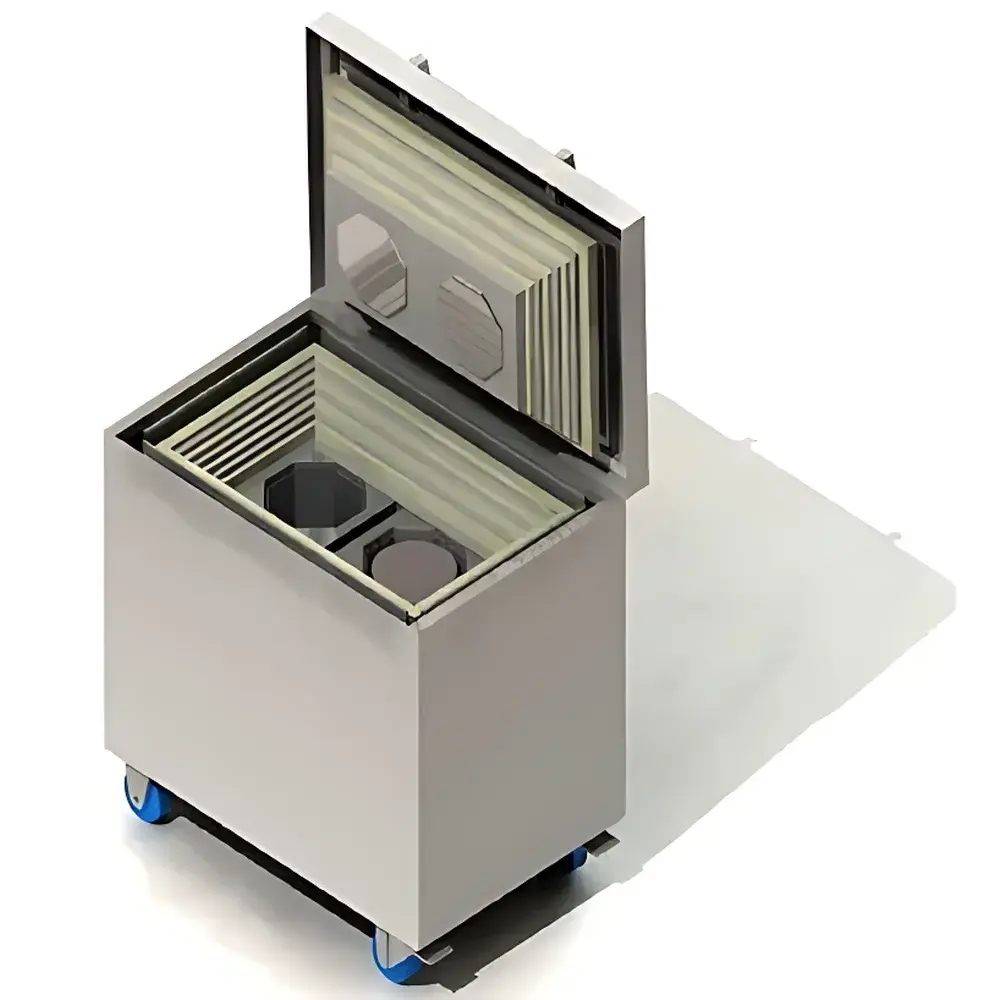
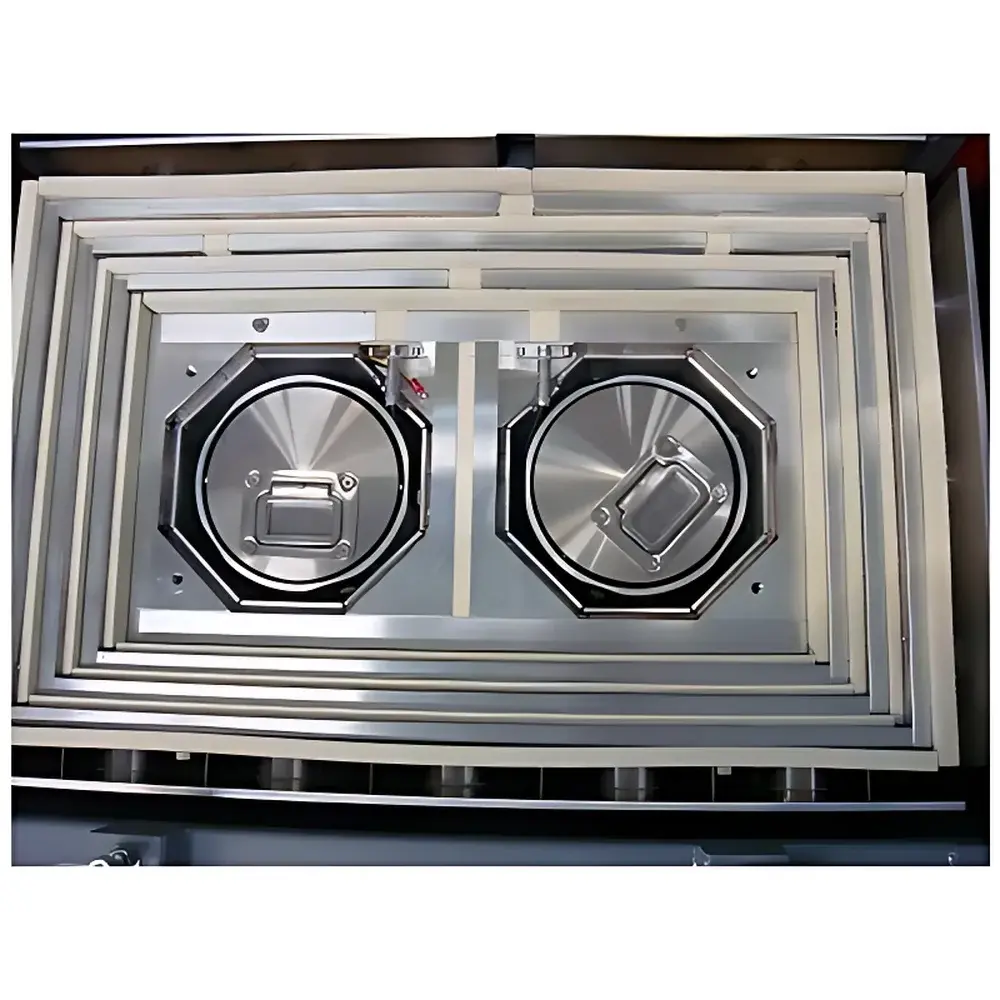
- Large-volume dual-cell architecture: Two independent 90 L cylindrical measurement chambers accommodate heterogeneous, high-density, or irregularly shaped radioactive samples—including intact fuel rods, vitrified waste canisters, or glovebox-contained assemblies—within a single thermal enclosure.
- High-sensitivity Calvet sensor array: 360° concentric thermopile ring with Peltier-based temperature regulation delivers full thermal integration, achieving ±0.5% precision and <±1% systematic accuracy per ASTM C1119 and ISO 11358-1 protocols.
- NDA-compliant design: Fully compatible with non-destructive assay (NDA) workflows; supports integration with gamma spectrometers for hybrid assay—correlating thermal power with isotopic signatures to resolve complex mixtures (e.g., 239Pu/240Pu ratios).
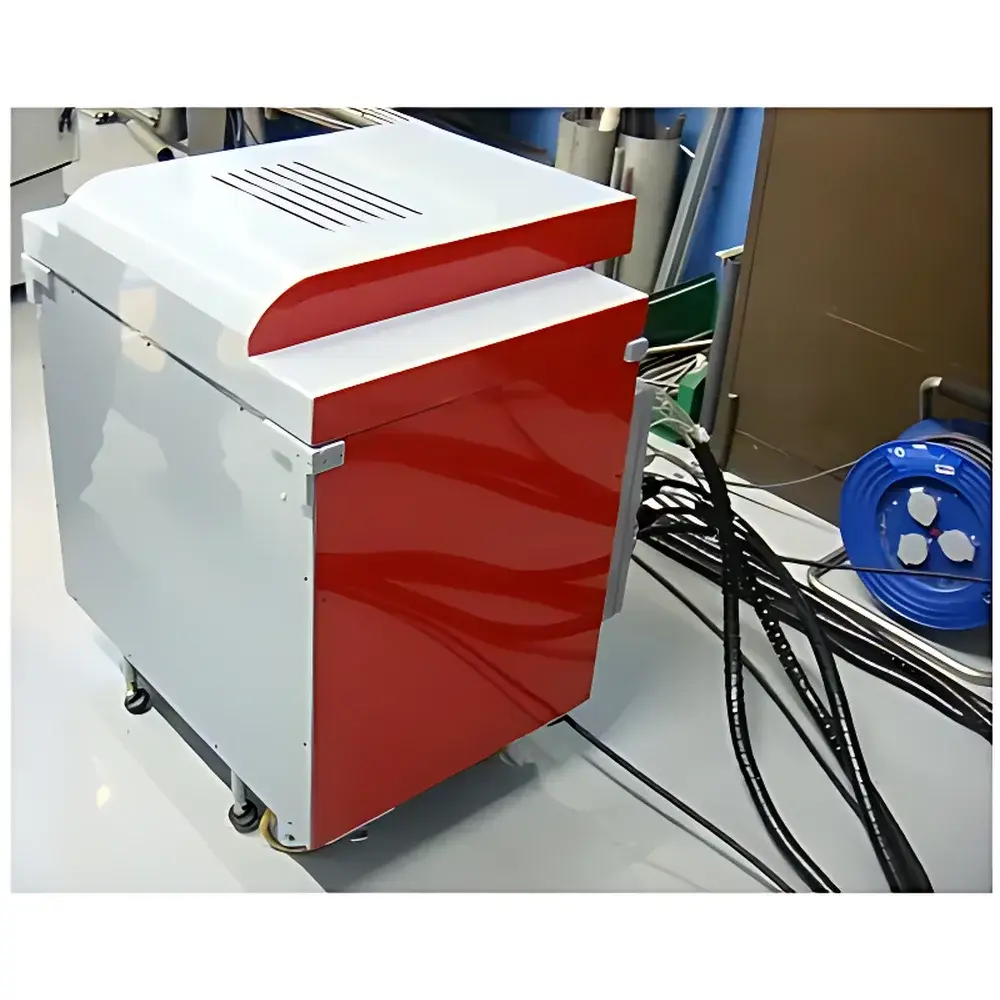
- Adaptable deployment: Configurable as fixed-installation or mobile unit (with locking casters); designed for installation inside inert-atmosphere gloveboxes (ISO Class 5) or shielded hot cells, with all electronics housed externally to minimize radiation exposure to control systems.
- Joule calibration traceability: On-board or removable electrical calibration heater enables NIST-traceable power calibration without sample removal, satisfying ISO/IEC 17025 requirements for metrological validation.
- Thermal prediction engine: CALISTO software incorporates kinetic modeling to estimate equilibrium temperature rise and convergence time, reducing typical measurement duration from >24 h to 5–6 h while maintaining statistical confidence (k = 2, 95% coverage).
Sample Compatibility & Compliance
The LVC accommodates sealed and unsealed radioactive samples across IAEA categories I–III, including metallic, ceramic, and glass-bonded forms. Its 90 L chamber volume complies with IAEA SSG-15 guidance for representative sampling of legacy waste drums and MOX fuel assemblies. All structural materials meet ASME BPVC Section III, Division 3 standards for nuclear service. The system supports GLP-compliant operation through audit-trail-enabled CALISTO software, with full compliance to 21 CFR Part 11 for electronic records and signatures. Instrument qualification documentation includes IQ/OQ/PQ protocols aligned with EURATOM safeguards verification procedures and French IRSN technical specifications for calorimetric assay.
Software & Data Management
CALISTO v5.x provides integrated instrument control, real-time thermal flux visualization, and post-acquisition deconvolution of multi-isotope contributions using constrained least-squares fitting. Raw data files (.cal, .csv) are stored with embedded metadata (operator ID, timestamp, calibration certificate ID, environmental log). Export modules support direct import into MCNP-based thermal modeling suites and IAEA’s INPRO database schema. Audit logs record all parameter changes, calibration events, and user actions with SHA-256 hashing and time-stamped digital signatures. Remote diagnostics and firmware updates are performed over TLS 1.3-secured Ethernet connections—no cloud dependency or external telemetry.
Applications
- Quantitative assay of plutonium-bearing materials for IAEA safeguards verification
- Verification of declared thermal power in spent nuclear fuel casks (TN-24, CASTOR V/21)
- Characterization of alpha-contaminated legacy waste for disposal classification (LLW/ILW/HLW)
- Validation of decay heat predictions in advanced reactor fuel cycle simulations
- Inter-laboratory comparison studies under OECD/NEA Heat Transfer Project benchmarks
- Reference measurements for calibration of secondary gamma/neutron instruments
FAQ
What regulatory standards does the LVC comply with for nuclear material accounting?
The LVC meets IAEA Technical Guidance Document TECDOC-1399 requirements for calorimetric assay, and its calibration methodology conforms to ASTM C1119-22 and ISO 11358-1:2020. Full qualification packages support EURATOM and U.S. NRC Appendix B compliance.
Can the LVC be used for real-time monitoring of decay heat evolution?
Yes—scanning mode enables time-resolved thermal profiling over periods ranging from minutes to days, supporting transient analysis of short-lived isotopes and post-irradiation cooldown behavior.
Is remote operation supported for high-radiation environments?
All critical electronics are located outside the calorimeter housing; fiber-optic data links and pneumatic actuation enable full operation from control rooms up to 50 m away, with optional radiation-hardened interface modules available.
How is cross-talk between dual cells minimized during simultaneous measurement?
Each cell operates within an independent, thermally isolated aluminum alloy sleeve, with active thermal shielding and differential signal processing to suppress inter-chamber coupling to <0.02% at full scale.
Does Setaram provide method validation support for facility accreditation?
Yes—Setaram offers on-site IQ/OQ execution, uncertainty budgeting per GUM (JCGM 100:2018), and co-development of facility-specific SOPs aligned with ISO/IEC 17025:2017 Clause 7.2.
Related Products







