
PERIC Custom TDLAS Laser Gas Analyzer
| Brand | PERIC |
|---|---|
| Origin | Hebei, China |
| Manufacturer Type | Manufacturer |
| Origin Category | Domestic |
| Model | Custom T |
| Pricing | Upon Request |
| Measurement Principle | Tunable Diode Laser Absorption Spectroscopy (TDLAS) |
| Detection Method | Wavelength Modulation Spectroscopy (WMS) with Digital Lock-in Amplification |
| Gas Species | H₂O (dew point), O₂, HF, NH₃, CO, CO₂, H₂S |
| Concentration Ranges | 0–1000 ppm (H₂O), 0–25% vol (O₂), 0–10 ppm (HF), 0–100 ppm (NH₃, CO, CO₂), 0–2% vol (CO₂), 0–100 ppm (H₂S) |
| Accuracy | ±3% FS for all listed gases |
| Detection Limits | 0.1 ppm (H₂O, HF, NH₃, CO, CO₂), 0.1% vol (O₂), 0.01 ppm (H₂S), 0.5 ppm (H₂S — alternate spec) |
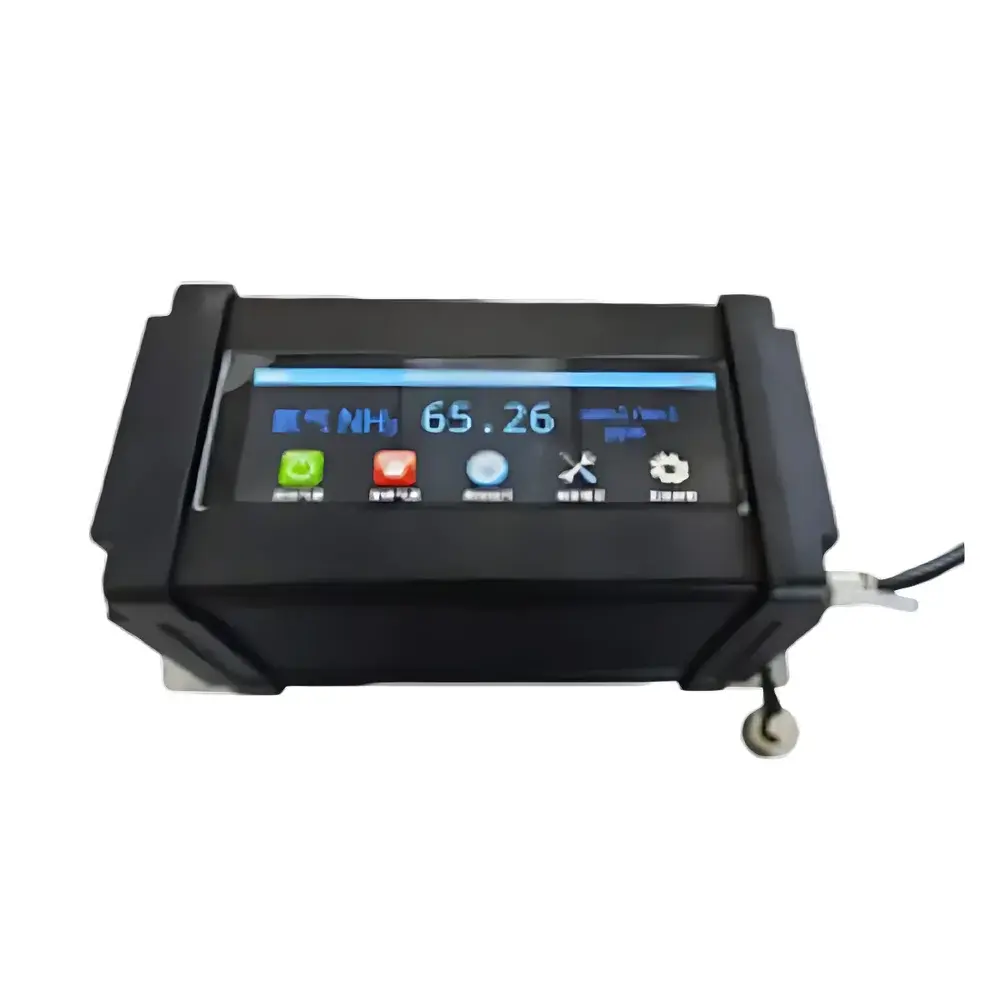
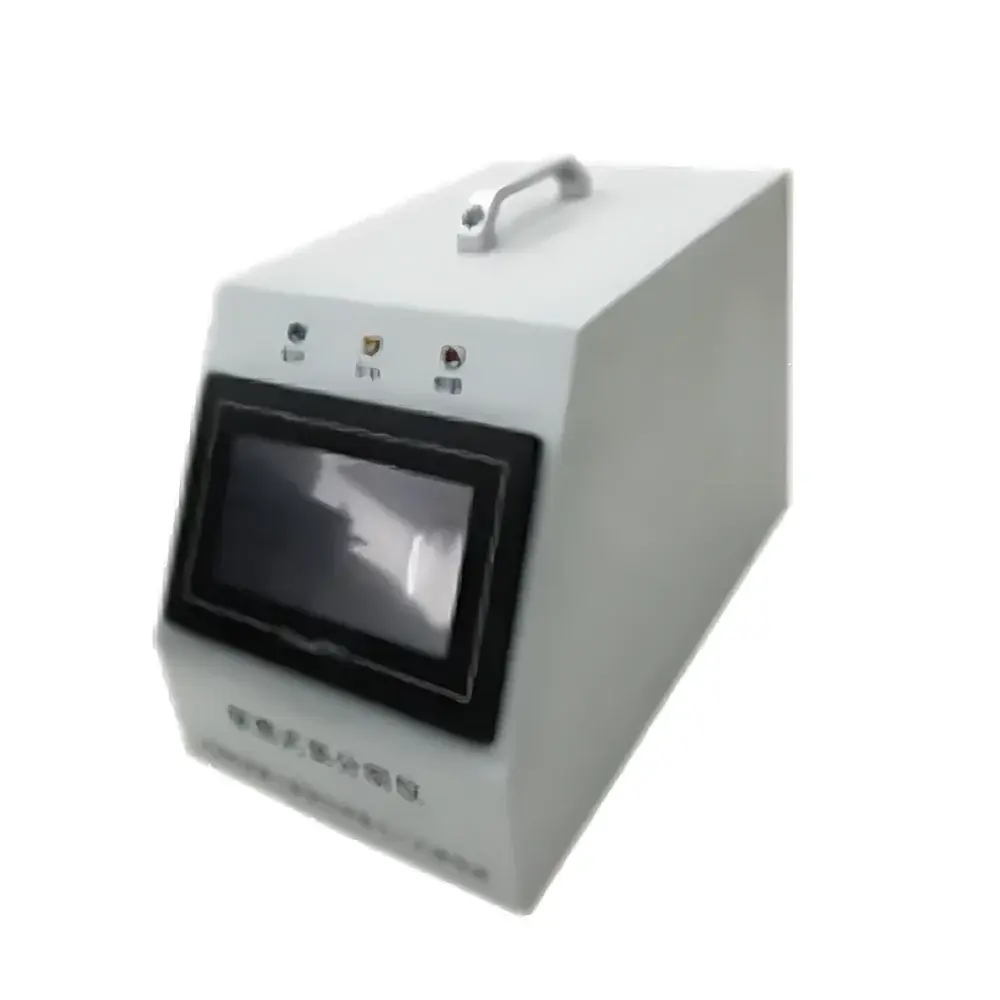
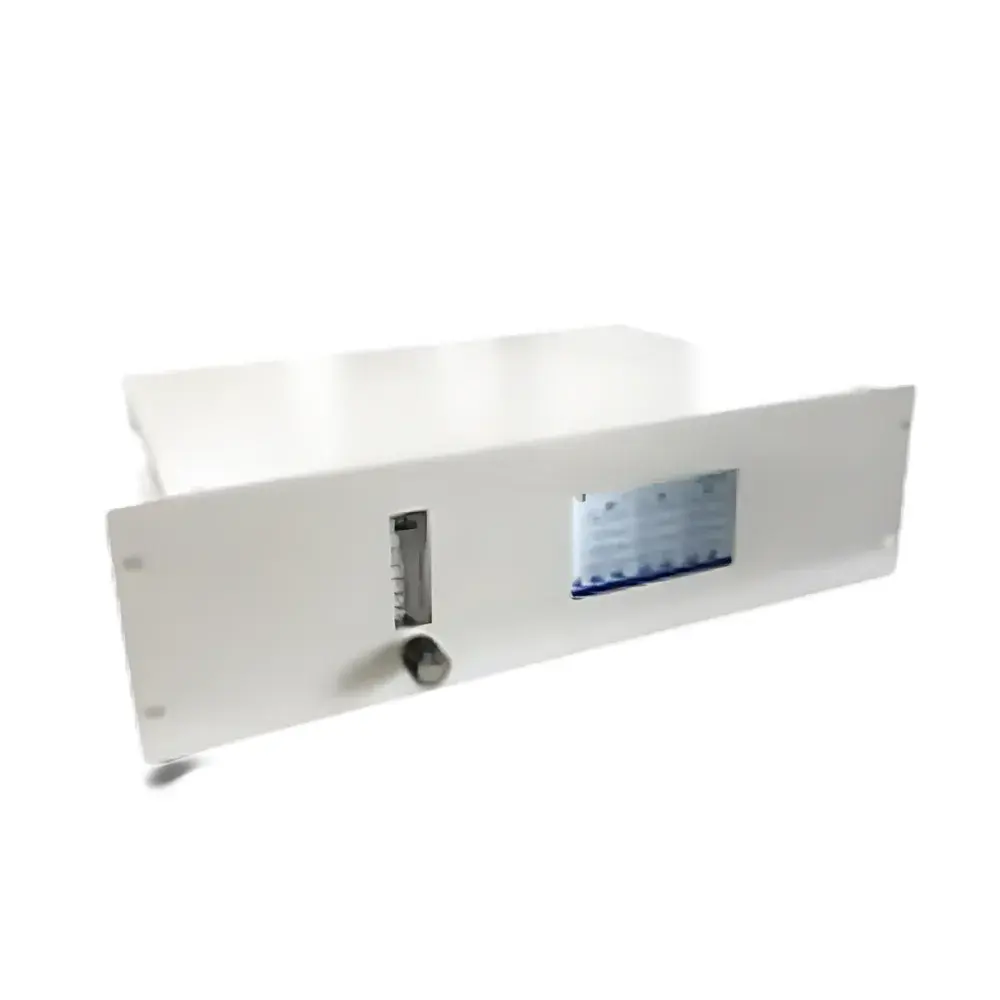
| Form Factors | Portable, In-situ Online, Ambient-Temperature & High-Temperature Configurations |
Overview
The PERIC Custom TDLAS Laser Gas Analyzer is an engineered solution for high-precision, real-time gas concentration measurement based on Tunable Diode Laser Absorption Spectroscopy (TDLAS). This instrument leverages the fundamental quantum mechanical property of molecular absorption—where specific gas species exhibit unique, narrow-band infrared absorption lines—to deliver selective, interference-resistant detection. Unlike broad-band NDIR sensors, TDLAS employs a single-mode distributed feedback (DFB) semiconductor laser whose wavelength is precisely tuned across a target absorption line. The system implements Wavelength Modulation Spectroscopy (WMS) combined with digital lock-in amplification to extract second-harmonic (2f) signals, significantly enhancing signal-to-noise ratio and enabling sub-ppm detection limits. Designed for industrial process monitoring and environmental compliance applications, the analyzer operates without consumables or sample conditioning systems in many configurations, reducing maintenance overhead and improving long-term stability.
Key Features
- Core optical architecture optimized for robust in-situ deployment—no extractive sampling required for most online configurations
- Digital lock-in demodulation engine enabling high-rejection of amplitude noise and background interference
- Multi-gas capability with field-configurable spectral targeting—supports simultaneous or sequential measurement of H₂O (dew point), O₂, HF, NH₃, CO, CO₂, and H₂S
- Temperature-stabilized DFB laser modules with integrated thermoelectric coolers (TECs) ensuring wavelength accuracy over ambient and elevated operating ranges (up to 200 °C probe variants available)
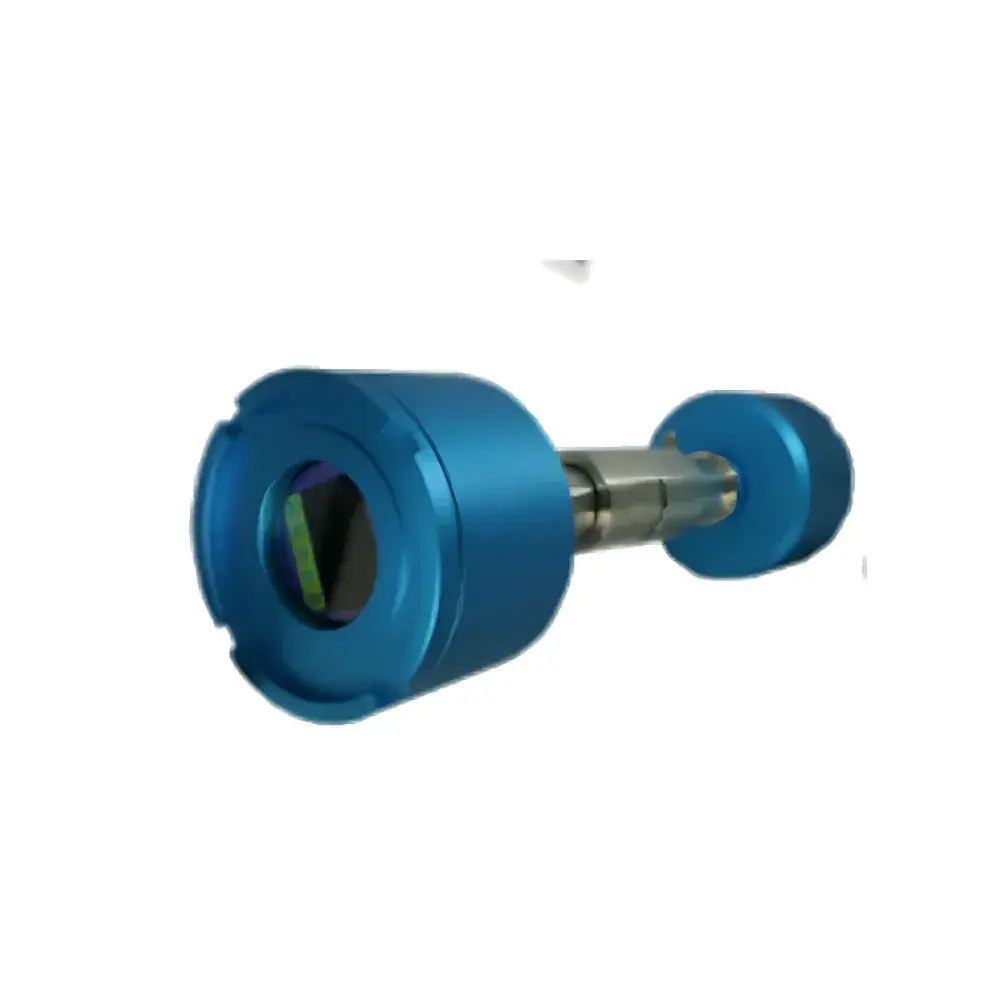
- Modular hardware design: options include compact portable units for field verification, ruggedized flange-mounted in-situ probes for stack or duct integration, and high-temperature variants rated for direct insertion into combustion zones
- Compliance-ready firmware architecture supporting audit trails, user access levels, and configurable data logging intervals per regulatory requirements
Sample Compatibility & Compliance
The analyzer is validated for use in diverse gas matrices including flue gas, syngas, biogas, natural gas streams, and cleanroom atmospheres. Its selectivity eliminates cross-sensitivity from common interferents such as H₂O vapor (when measuring non-H₂O species), CO₂, or hydrocarbons—critical for accurate NH₃ slip monitoring in SCR systems or HF detection in aluminum smelting off-gas. All models meet CE marking requirements for electromagnetic compatibility (EMC Directive 2014/30/EU) and low-voltage safety (LVD Directive 2014/35/EU). Firmware supports GLP/GMP-aligned operation through configurable electronic signatures, change logs, and 21 CFR Part 11-compliant optional modules (e.g., role-based authentication, immutable audit trail export). Calibration traceability follows ISO/IEC 17025 principles using NIST-traceable reference standards.
Software & Data Management
The embedded Linux-based controller runs PERIC’s proprietary TDLAS Control Suite, providing local touchscreen interface, real-time spectral visualization, and automatic baseline correction. Remote operation is supported via Ethernet (Modbus TCP, OPC UA), RS-485 (Modbus RTU), and optional 4–20 mA analog outputs with HART protocol. Data export supports CSV, XML, and JSON formats; time-stamped records include raw harmonic signals, fitted peak area, temperature/pressure compensation parameters, and diagnostic flags. Cloud connectivity is available through MQTT or HTTPS RESTful APIs for integration into SCADA, MES, or predictive maintenance platforms. Firmware updates are performed via secure SFTP or USB, with SHA-256 signature verification.
Applications
- Dew point monitoring in compressed air systems and natural gas dehydration units
- Combustion optimization in industrial heating furnaces and boilers via real-time O₂ and CO feedback
- NH₃ slip analysis downstream of selective catalytic reduction (SCR) systems in power plants and waste incinerators
- HF and H₂S quantification in metallurgical off-gas and petrochemical refining streams
- Replacement of legacy NDIR analyzers where higher specificity, lower drift, and reduced calibration frequency are required
- Inerting atmosphere verification in pharmaceutical reactor vessels (O₂ monitoring under 1% vol)
FAQ
What gases can this analyzer measure simultaneously?
It does not perform true simultaneous multi-gas analysis in a single spectral scan; rather, it sequentially targets individual absorption lines within a programmable measurement cycle—typically achieving full multi-species reporting at 1–10 s update rates depending on configuration.
Is sample conditioning required for high-moisture or particulate-laden streams?
For in-situ probe installations, no conditioning is needed—the optical path is purged and heated to prevent condensation. For extractive applications with heavy aerosols, a heated filter and bypass flow control are recommended.
How is calibration performed and how often is it needed?
Factory calibration uses certified gas standards traceable to NIST. Field verification is performed using zero gas (N₂) and span gas; typical recalibration intervals range from 3 to 12 months depending on application severity and regulatory requirements.
Can the analyzer operate at elevated temperatures or pressures?
Yes—probe variants are available for direct insertion into gas streams up to 200 °C and 5 bar(g); optical windows use sapphire and high-temp hermetic seals compliant with ASME B16.5 flange standards.
Does the system support integration with existing DCS or PLC infrastructure?
Yes—native Modbus TCP and RTU protocols are standard; optional OPC UA server license enables seamless interoperability with modern industrial automation systems.
Related Products







