
Truelab HC01-0101 High-Voltage Electrospinning Collector System
| Brand | Truelab |
|---|---|
| Origin | Shanghai, China |
| Manufacturer Type | Authorized Distributor |
| Origin Category | Domestic (China-made) |
| Model | HC01-0101 |
| Power Supply | 24 V DC |
| Rated Power | 120 W |
| Rotational Speed Range | 120–3600 rpm |
| Dimensions (L×W×H) | 450 × 450 × 450 mm |
Overview
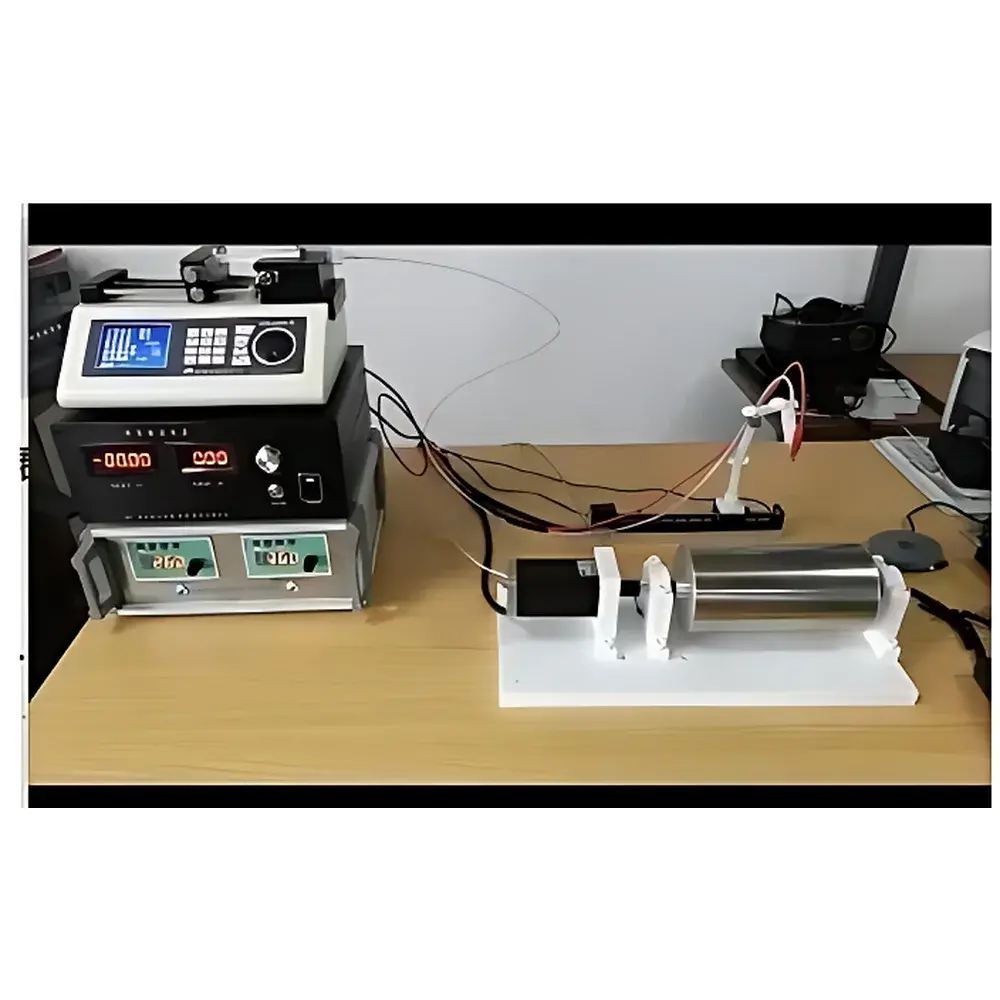
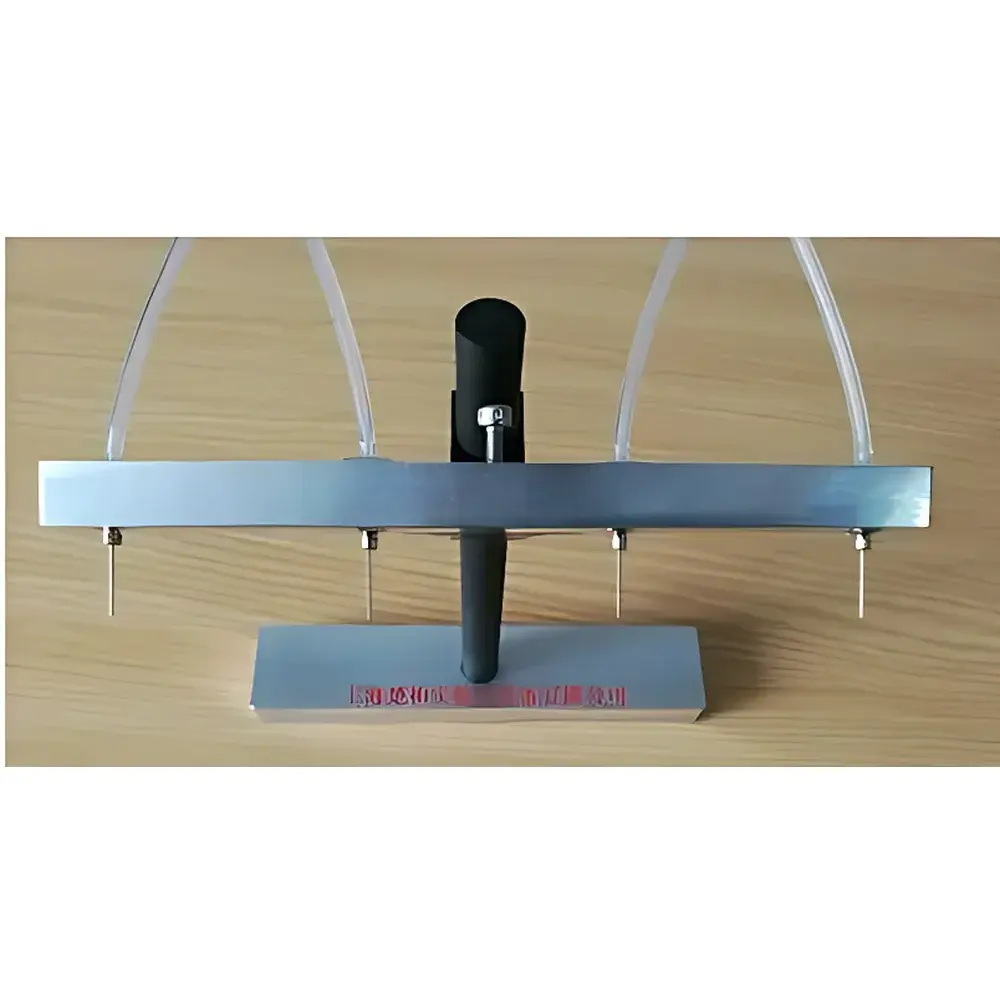
The Truelab HC01-0101 High-Voltage Electrospinning Collector System is an engineered rotational substrate platform designed for controlled deposition of electrospun nanofibers in laboratory-scale polymer processing and functional material development. Unlike conventional electrospinning setups where fiber alignment and morphology are largely stochastic, this collector system enables precise control over fiber orientation, packing density, and macroscopic architecture through programmable rotational motion—leveraging the fundamental principle of electrohydrodynamic jetting under high-voltage electric fields (typically 10–30 kV). The system operates as a critical downstream component in electrospinning workflows: it receives charged polymer jets ejected from a needle or spinneret, facilitates solvent evaporation, and governs solidification kinetics via adjustable surface velocity and collection geometry. Its modular design supports integration with standard high-voltage power supplies and syringe pump feed systems, making it compatible with both single-nozzle and multi-nozzle electrospinning configurations. Intended for research and pilot-scale development—not industrial production—the HC01-0101 prioritizes reproducibility, configurability, and operational transparency for academic and industrial R&D laboratories focused on nanofiber-based advanced materials.
Key Features
- Programmable rotational speed control (120–3600 rpm) with bidirectional operation (forward/reverse), enabling systematic study of fiber alignment vs. rotation rate.
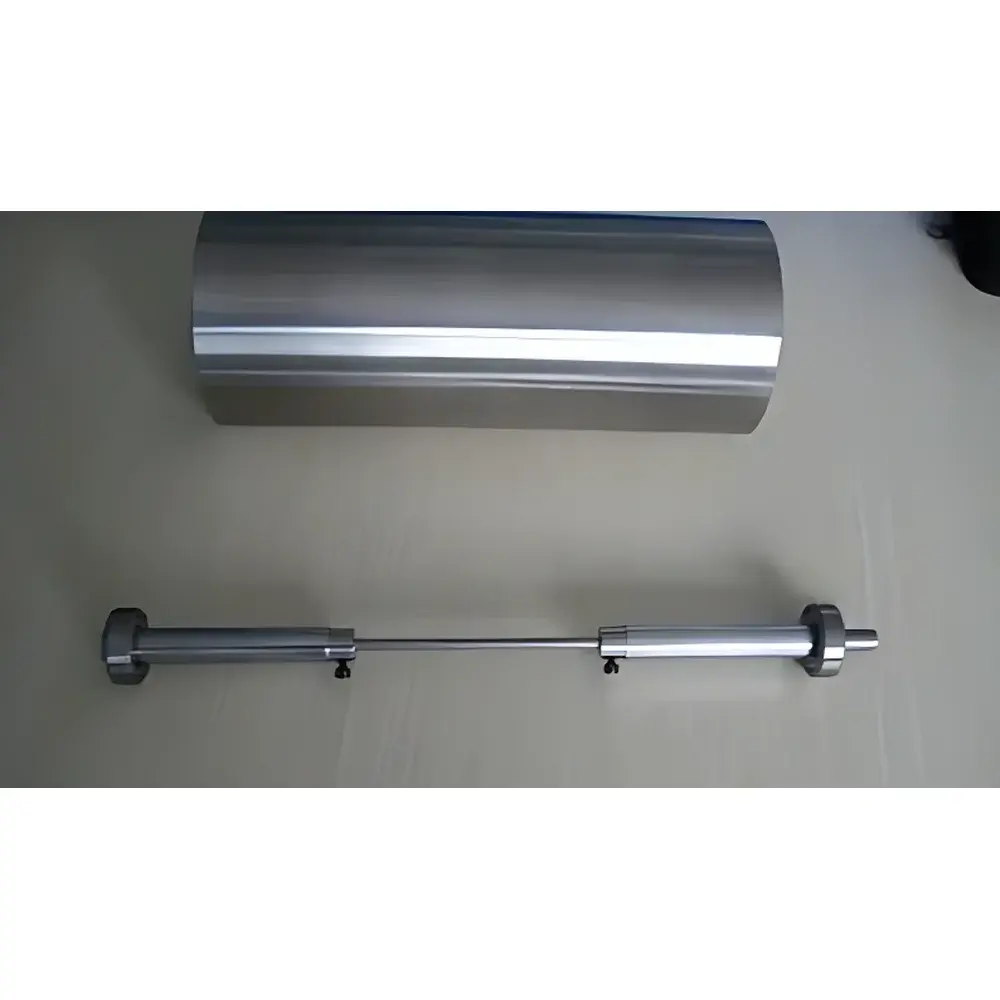
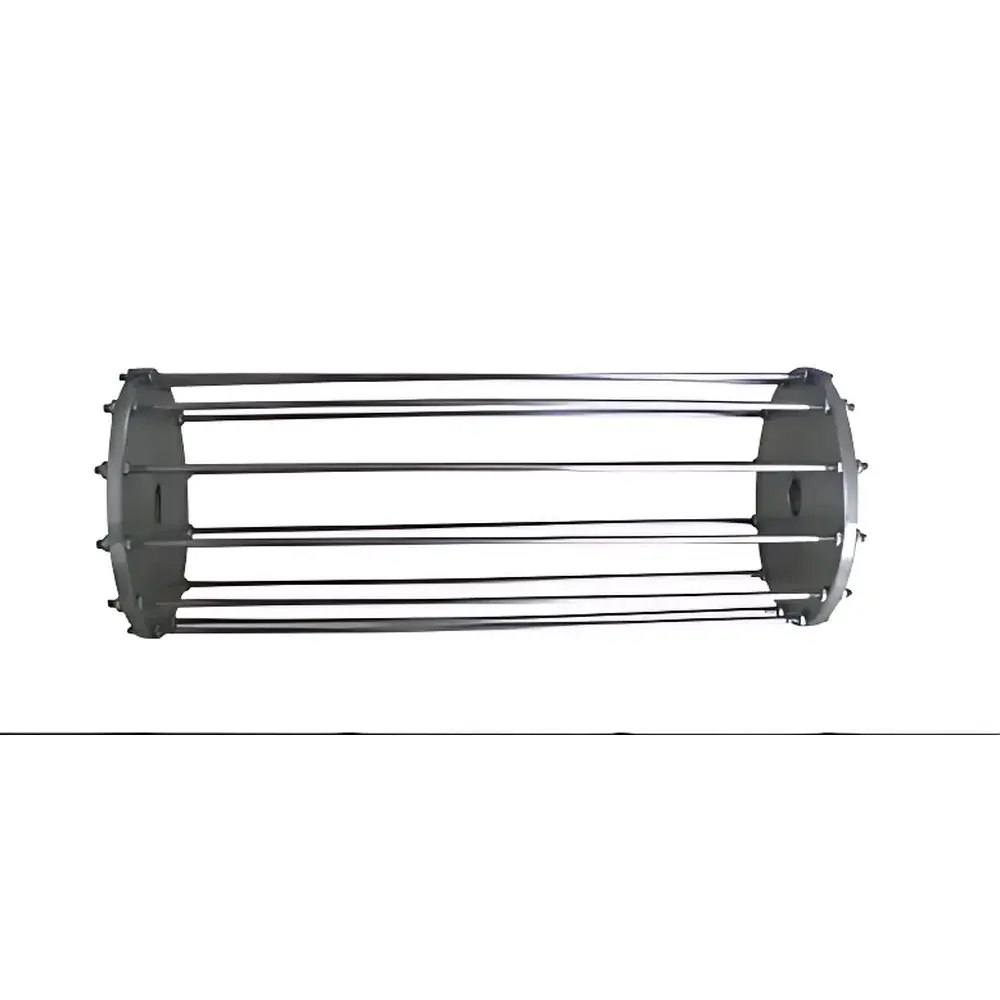
- Modular receiver interface accommodating interchangeable collection substrates—including rotating drums, flat plates, wire meshes, and custom mandrels—for varied fiber architectures (e.g., aligned arrays, random mats, core-shell membranes).
- Integrated digital counter with programmable start/stop triggers, supporting quantitative analysis of fiber length, deposition time, and linear velocity correlation.
- Robust aluminum alloy frame with precision-machined bearing assembly ensures mechanical stability and low-vibration operation across extended duty cycles.
- 24 V DC input with built-in overcurrent and thermal protection—designed for safe co-location with high-voltage electrospinning sources without electromagnetic interference.
- Tool-free module mounting system allows rapid reconfiguration between experimental protocols without recalibration.
Sample Compatibility & Compliance
The HC01-0101 collector is compatible with a broad spectrum of electrospinnable polymers and composites, including but not limited to polyvinyl alcohol (PVA), polylactic acid (PLA), polyacrylonitrile (PAN), polyethylene oxide (PEO), chitosan, and their nanocomposites (e.g., TiO₂-, ZnO-, or carbon nanotube-doped systems). It imposes no intrinsic chemical or thermal constraints on collected samples, as collection occurs at ambient temperature and atmospheric pressure. While the device itself does not generate high voltage, its electrical isolation and grounding provisions comply with IEC 61010-1 safety standards for laboratory electrical equipment. When deployed within validated electrospinning workflows—particularly those supporting biomedical scaffold fabrication or filtration membrane development—the system supports documentation practices aligned with GLP (Good Laboratory Practice) requirements, including timestamped operational logs (via external data acquisition) and traceable parameter settings. It is not certified for ISO 13485 or FDA 21 CFR Part 11 compliance out-of-the-box; however, its deterministic control architecture facilitates integration into Part 11–compliant environments when paired with audit-trail-enabled software platforms.
Software & Data Management
The HC01-0101 operates as a hardware-controlled peripheral with no embedded firmware or proprietary software. All motion parameters—including speed setpoint, direction, dwell time, and counter reset—are configured manually via front-panel rotary encoder and push-button interface. For automated synchronization with upstream components (e.g., syringe pump flow rate or HV ramping), analog 0–10 V or TTL trigger inputs can be integrated using third-party DAQ systems (e.g., National Instruments USB-6009 or LabVIEW-based controllers). Experimental metadata—such as rotational speed, total revolutions, and elapsed time—is accessible via the onboard digital display and may be logged externally via RS-232 or USB-to-serial adapters. This open-control philosophy ensures full interoperability with existing lab informatics infrastructure and eliminates vendor lock-in. Users retain complete ownership of raw collection parameters, facilitating method transfer, inter-laboratory comparison, and regulatory documentation.
Applications
- Tissue Engineering Scaffolds: Production of highly aligned nanofibrous matrices mimicking collagen fibril orientation in neural, muscular, or tendon tissues—enabling directional cell migration and enhanced mechanotransduction studies.
- High-Efficiency Filtration Media: Fabrication of ultrafine-fiber membranes (fiber diameter < 500 nm) for HEPA-grade air filters or virus-retentive liquid filtration layers, leveraging high surface-area-to-volume ratio and tunable pore tortuosity.
- Functional Coatings: Deposition of hydrophobic or photocatalytic nanofiber coatings onto substrates such as stainless steel mesh or glass slides for self-cleaning surface development.
- Catalyst Supports: Immobilization of metal nanoparticles (e.g., Pt, Pd, Ag) within electrospun polymer nanofibers to enhance dispersion stability and catalytic turnover in gas-phase reactions.
- Sensor Platforms: Integration of conductive or piezoresistive nanofibers (e.g., PANI/PVA blends) onto flexible collectors for strain- or vapor-sensitive transducers.
FAQ
Is the HC01-0101 compatible with commercial high-voltage power supplies?
Yes—it requires no direct electrical coupling to the HV source and is fully isolated; users connect it independently to a 24 V DC supply while interfacing the HV generator and syringe pump separately.
Can I collect fibers directly onto conductive substrates like aluminum foil or silicon wafers?
Absolutely; the collector drum surface is non-conductive by default but accepts adhesive-backed or clamped substrates of any conductivity class.
Does the system include a high-voltage generator or syringe pump?
No—these are optional accessories sold separately; the HC01-0101 functions exclusively as the collector subsystem.
What maintenance is required for long-term reliability?
Periodic cleaning of the drum surface with isopropanol and inspection of bearing lubrication every 6 months under continuous use; no scheduled calibration is necessary due to open-loop speed control.
Can I integrate this collector into an automated electrospinning line with real-time feedback control?
Yes—its analog input/output ports support closed-loop integration with PID controllers or SCADA systems for adaptive speed modulation based on fiber diameter monitoring (e.g., via in-line laser diffraction).




