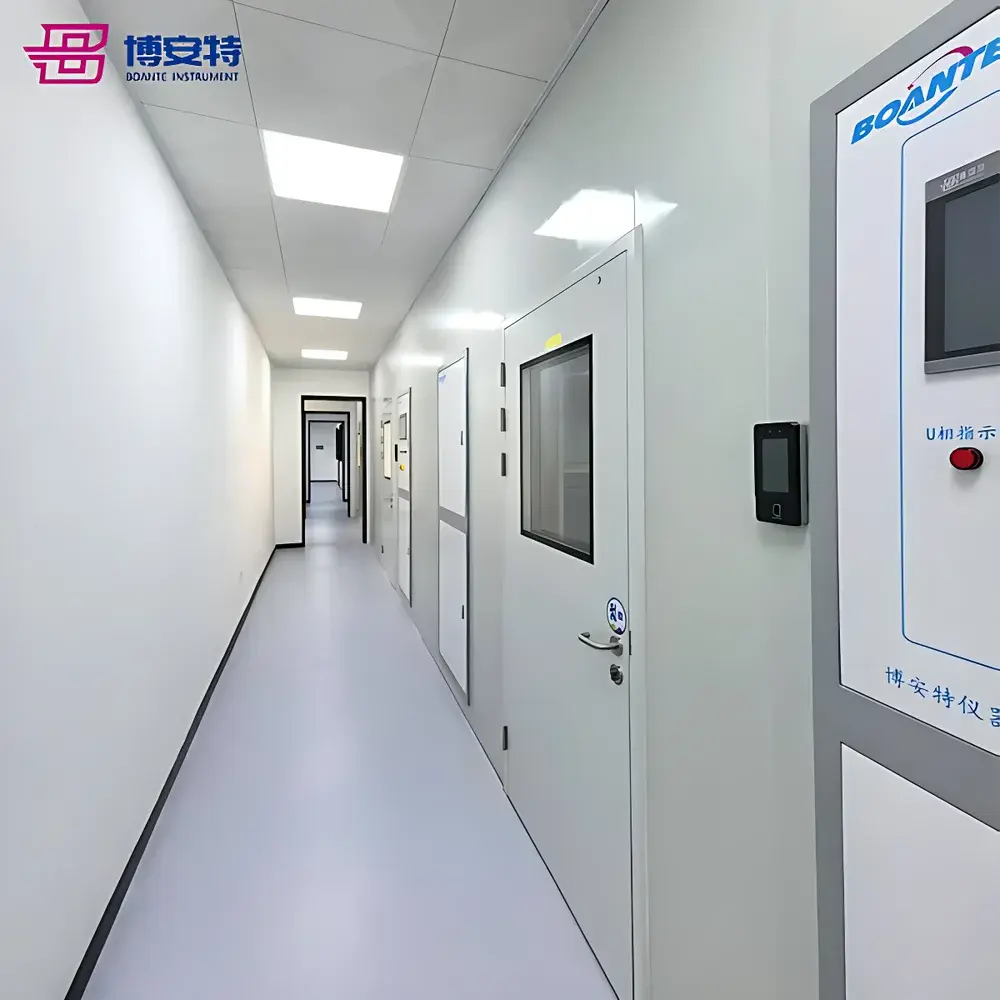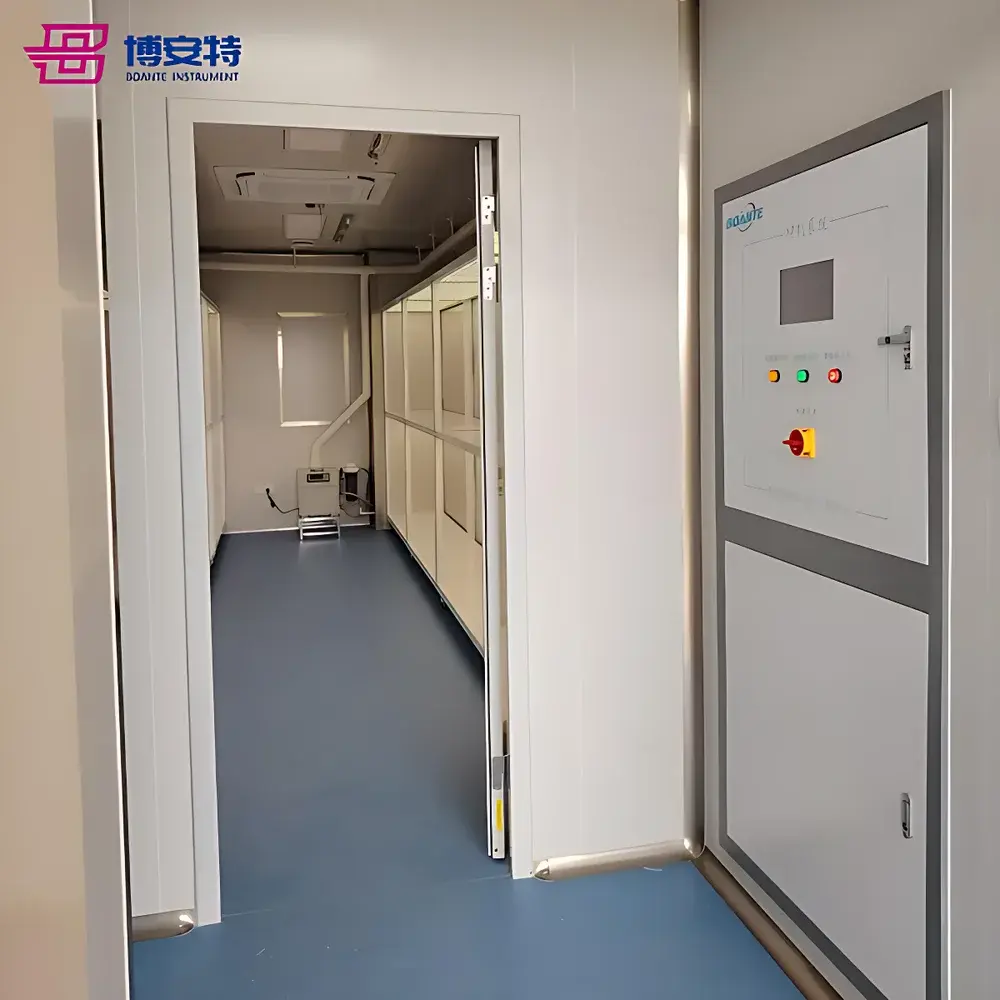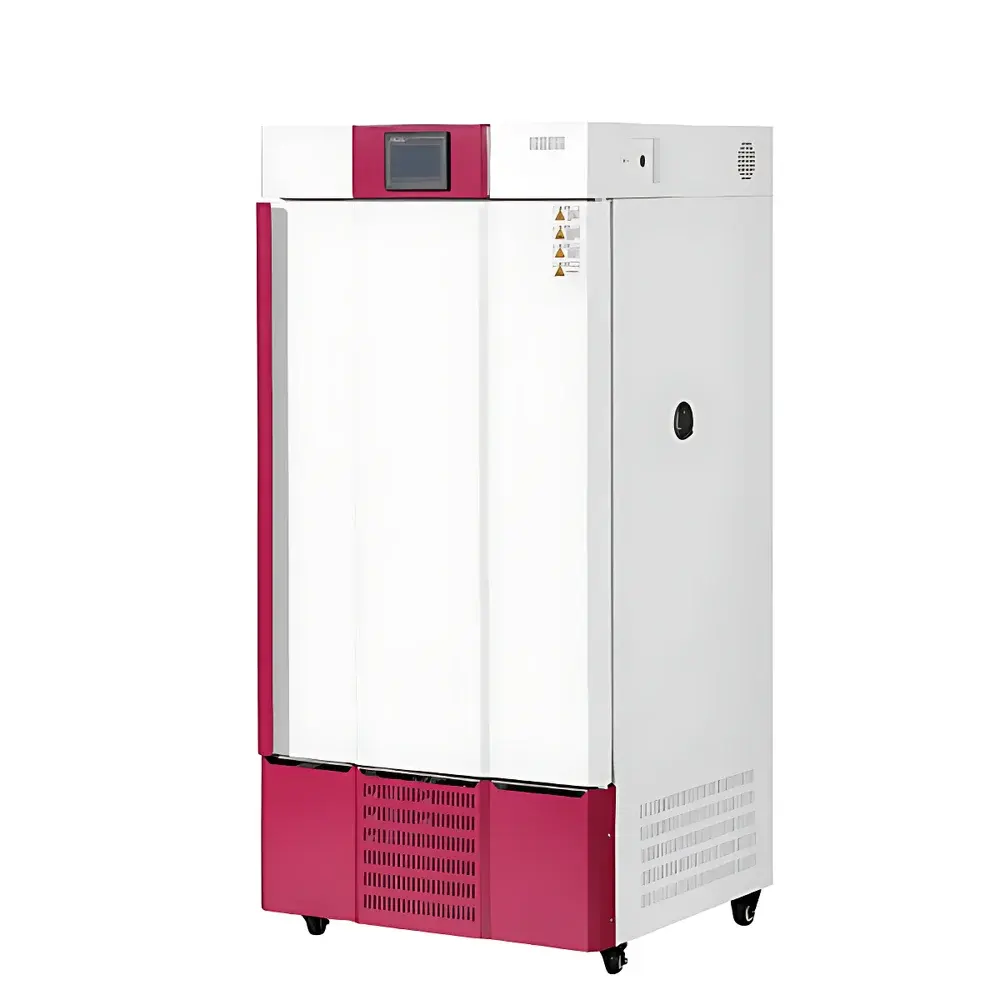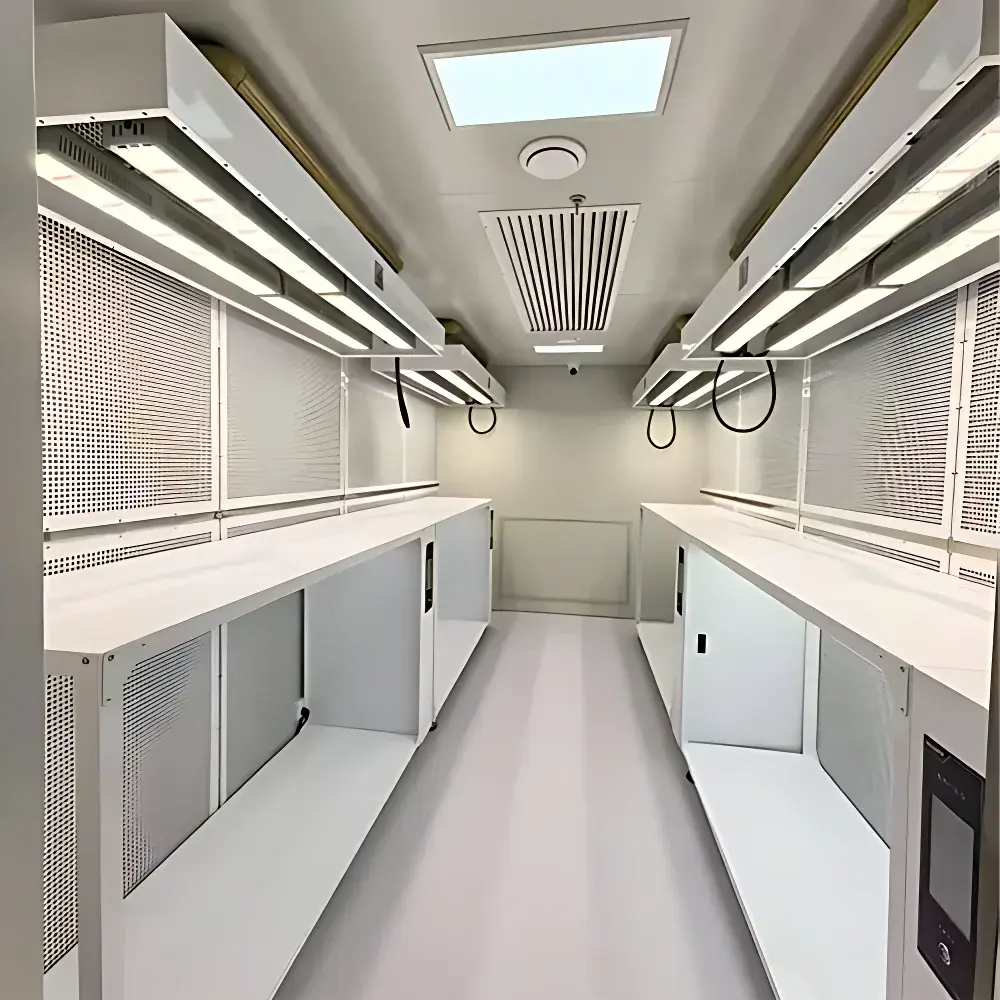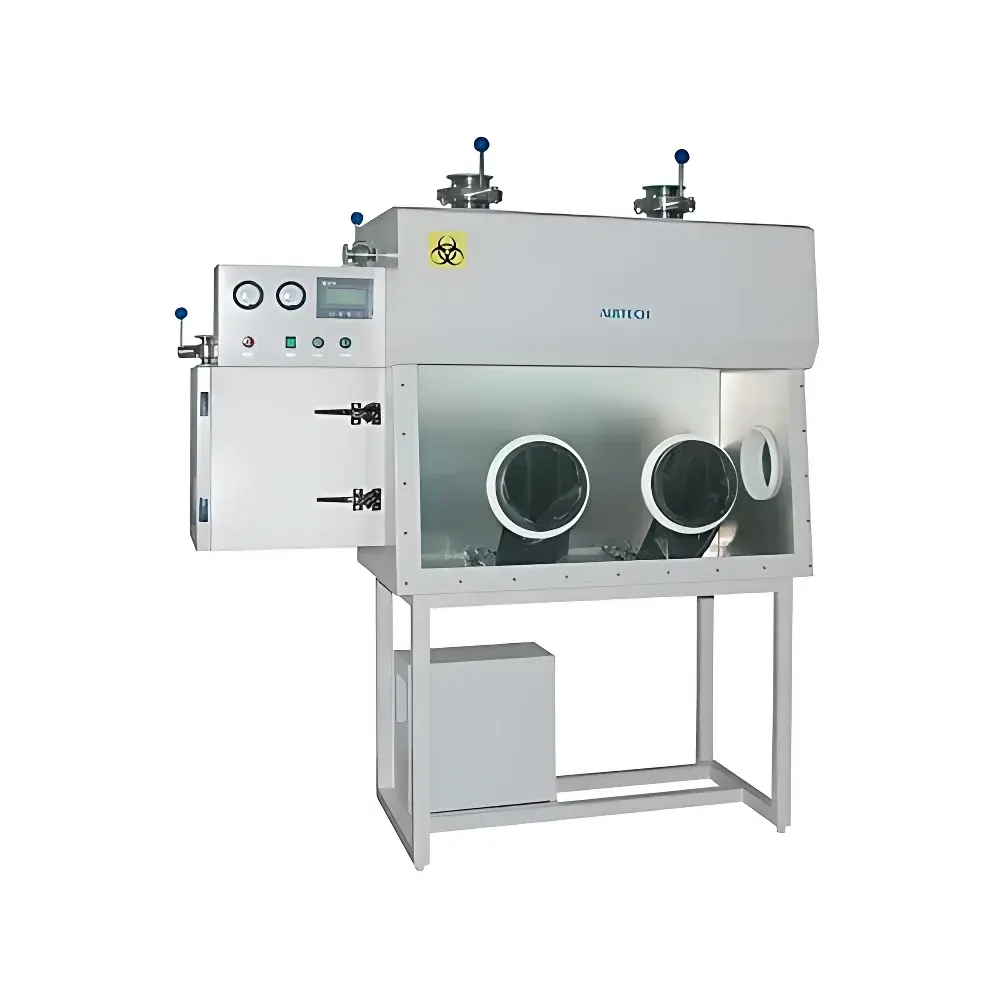
AnTai BSC-1600III Class III Biological Safety Cabinet
| Origin | Jiangsu, China |
|---|---|
| Manufacturer Type | Authorized Distributor |
| Origin Category | Domestic (China) |
| Models | BSC-1600III / BSC-1300III / BSC-1000III |
| Price Range | USD 14,000 – 28,000 |
| Cabinet Class | Class III (Total Enclosure, Glove-Box Type) |
| External Dimensions (L×W×H) | 2150 × 620 × 1980 mm |
| Internal Work Area (L×W×H) | 1600 × 600 × 650 mm |
| Filter Efficiency (HEPA/ULPA) | ≥99.999% at 0.12 µm (EN 1822 H14 equivalent) |
Overview
The AnTai BSC-1600III is a fully enclosed, gas-tight Class III biological safety cabinet engineered for maximum personnel, environmental, and product protection when handling Risk Group 4 (RG4) pathogens—including Ebola virus, Marburg virus, Lassa virus, and other highly infectious agents requiring Biosafety Level 4 (BSL-4) containment. Unlike Class I or II cabinets that rely on inward airflow and partial recirculation, the BSC-1600III operates under continuous negative pressure (typically −120 to −150 Pa relative to ambient), with all air exhausted through dual-stage high-efficiency particulate air (HEPA) filtration—first through an internal pre-filter, then through two serially arranged ULPA-grade filters rated at ≥99.999% efficiency for particles ≥0.12 µm (per EN 1822-1:2019). The unit features welded stainless steel (AISI 304) construction, integrated glove ports with reinforced butyl rubber gloves (tested per ASTM D1249), and airtight access via interlocked pass-through chambers or autoclavable transfer locks. Its design conforms to NSF/ANSI 49–2022, EN 12469:2020, and WHO Laboratory Biosafety Manual (4th ed.) requirements for total containment systems.
Key Features
- Fully sealed, negative-pressure enclosure with leak-tested integrity (helium mass spectrometry verified ≤1 × 10⁻⁶ mbar·L/s)
- Dual-stage ULPA filtration system: primary filter (G4 pre-filter) + redundant H14 ULPA filters (EN 1822 compliant) with real-time differential pressure monitoring
- Integrated glove ports with adjustable armrests, ergonomic glove support frames, and glove integrity testing ports
- Pass-through chamber with interlocked doors and steam sterilization capability (optional integrated SIP cycle)
- Microprocessor-based control system with audible/visual alarms for pressure deviation, filter saturation, and power failure
- Internal LED lighting (≥500 lux at work surface), UV-C germicidal lamp (254 nm, timer-controlled), and anti-static, non-porous work surface (304 stainless steel)
Sample Compatibility & Compliance
The BSC-1600III accommodates standard microbiological workflows involving liquid cultures, lyophilized agents, aerosol-generating procedures (e.g., centrifugation, homogenization), and small-scale animal tissue processing—all under full physical containment. It supports integration with external equipment via dedicated utility sleeves (electrical, pneumatic, data, and vacuum lines) sealed with EPDM gaskets. Regulatory compliance includes adherence to ISO 14644-1 (Class 5 cleanroom air classification inside work area), NSF/ANSI 49–2022 Section 7.3 (Class III performance criteria), and EU Directive 2000/54/EC on biological agents. For GLP/GMP environments, audit trails, user access logs, and alarm history are timestamped and exportable in CSV format—supporting alignment with FDA 21 CFR Part 11 requirements when paired with validated software configuration.
Software & Data Management
The embedded controller provides local HMI operation via a 7-inch capacitive touchscreen with multi-language interface (English, German, French, Spanish). All operational parameters—including static pressure differentials across filters, chamber pressure, UV exposure duration, and alarm events—are logged continuously with ≥30 days of onboard storage. Data export is supported via USB 2.0 port; optional Ethernet connectivity enables remote monitoring via Modbus TCP or SNMP protocols. Firmware updates follow IEC 62304 Class B medical device software lifecycle standards, and calibration certificates for pressure transducers and flow sensors are traceable to NIM (National Institute of Metrology, China) or UKAS-accredited laboratories.
Applications
- BSL-4 laboratory core containment for diagnostic virology, antiviral drug screening, and vaccine development against tier-4 pathogens
- Handling of genetically modified organisms (GMOs) classified under Directive 2001/18/EC Annex IV, requiring absolute physical containment
- Production of clinical-grade viral vectors (e.g., lentivirus, AAV) under GMP Annex 1-compliant aseptic conditions
- Forensic analysis of unknown biohazardous samples where agent identity and risk level are initially undetermined
- Teaching and training modules in advanced biosafety principles, including glove technique validation and decontamination protocol verification
FAQ
What is the maximum allowable leakage rate for Class III cabinets per international standards?
Per NSF/ANSI 49–2022 and EN 12469:2020, the total cabinet leakage must not exceed 0.05% of the total airflow under −150 Pa test pressure—verified during factory certification and recommissioning.
Can the BSC-1600III be integrated into a building’s central exhaust system?
Yes; it supports hard-ducted connection to dedicated exhaust ducts with variable air volume (VAV) control and backup exhaust fans, provided static pressure compensation is maintained within ±10 Pa tolerance.
Is the internal work surface autoclavable?
No—the entire cabinet is not autoclavable; however, removable components (e.g., drip trays, waste containers) are designed for standalone autoclaving at 121°C for 30 minutes.
Does the unit include validation documentation for IQ/OQ/PQ protocols?
Standard delivery includes Factory Acceptance Test (FAT) report and as-built drawings; site-specific IQ/OQ documentation templates and PQ support services are available upon request under separate service agreement.
How often must ULPA filters be replaced?
Filter replacement intervals depend on usage intensity and challenge load; typical service life ranges from 3 to 5 years, with mandatory replacement triggered by ≥80% pressure drop across the filter bank or failed integrity testing per ISO 14644-3 Annex B.