Solinst Model 102 Water Level Tape
| Brand | Solinst |
|---|---|
| Origin | Canada |
| Model | 102 |
| Type | Capacitive/Conductive Water Level Detection Tape |
| Cable Diameter | 10 mm |
| Graduation | Laser-etched permanent markings at 1 mm intervals |
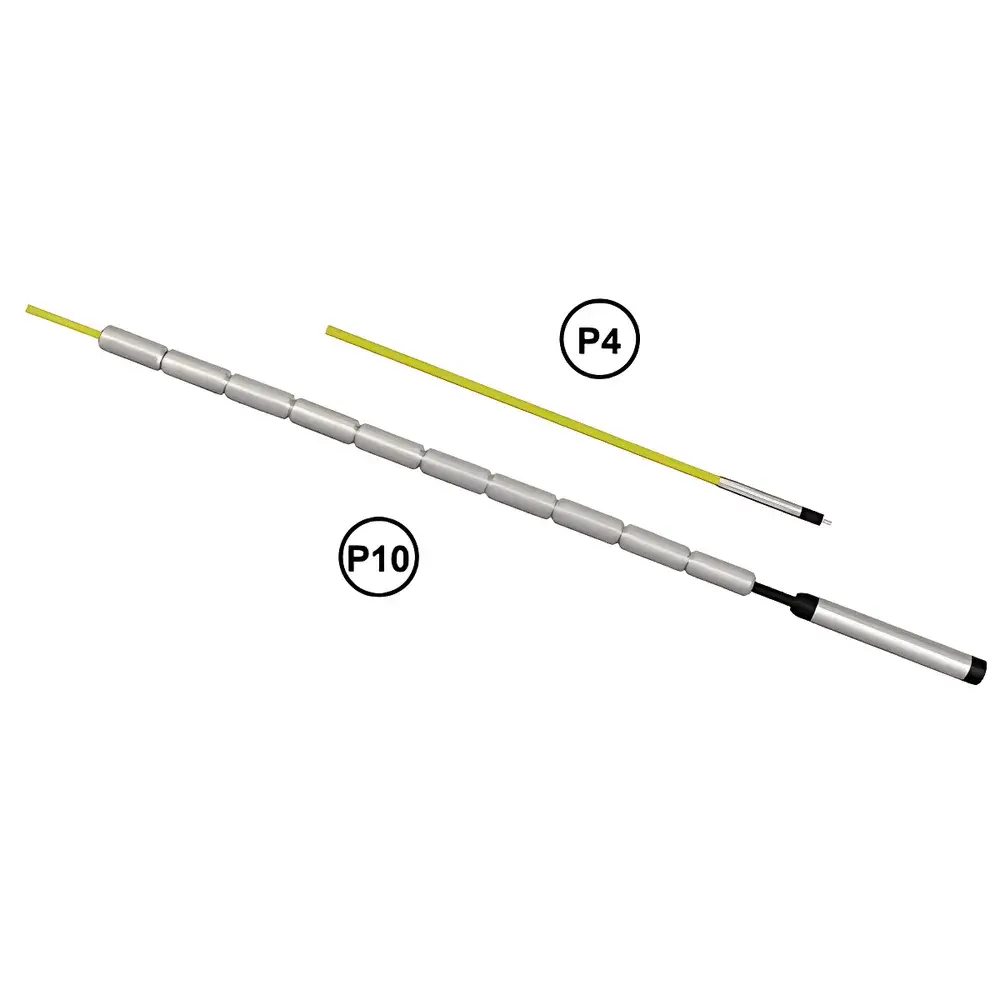
| Probe Options | P10 (10 mm × 70 mm, 174 g) and P4 (4 mm × 38 mm, 10 g) |
| Power Source | 9 V battery |
| Output Indication | Visual LED + audible buzzer |
| Compliance | Designed for field-deployable groundwater monitoring per ASTM D4044, ISO 555–2, and USGS NWIS protocols |
Overview
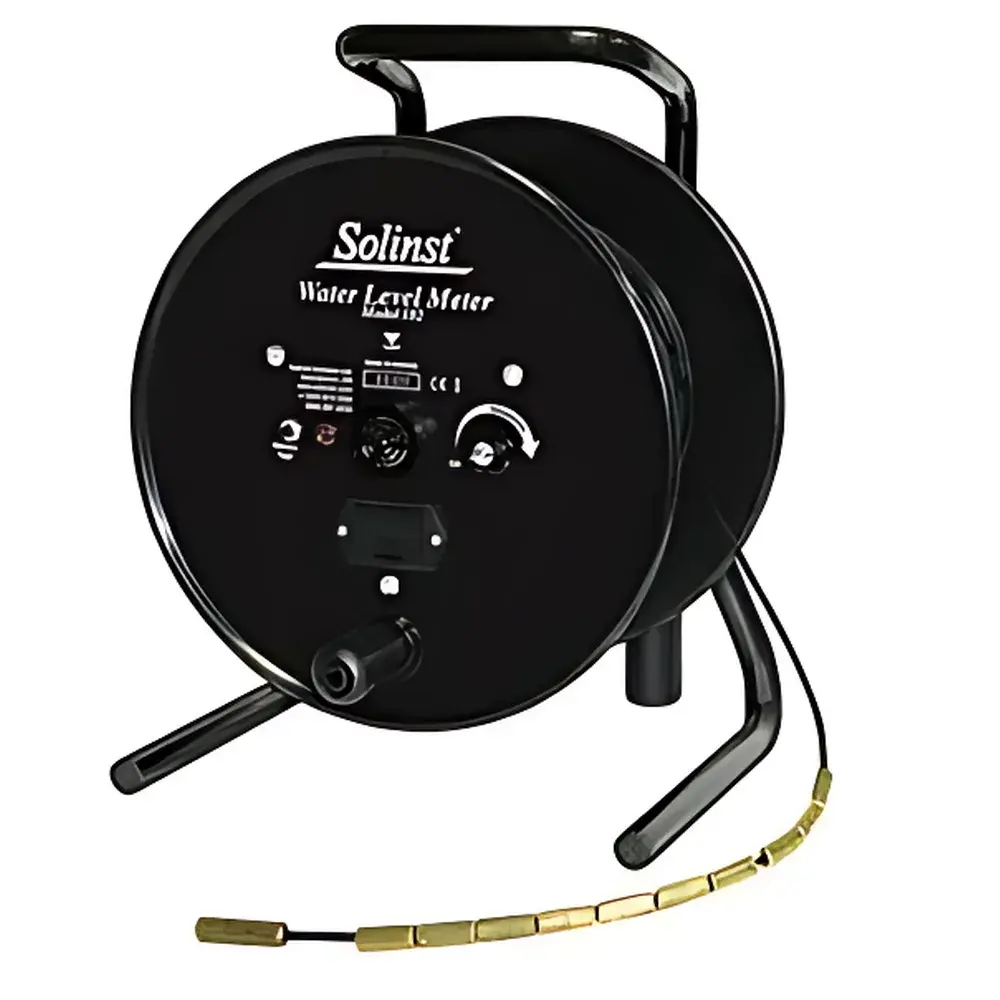
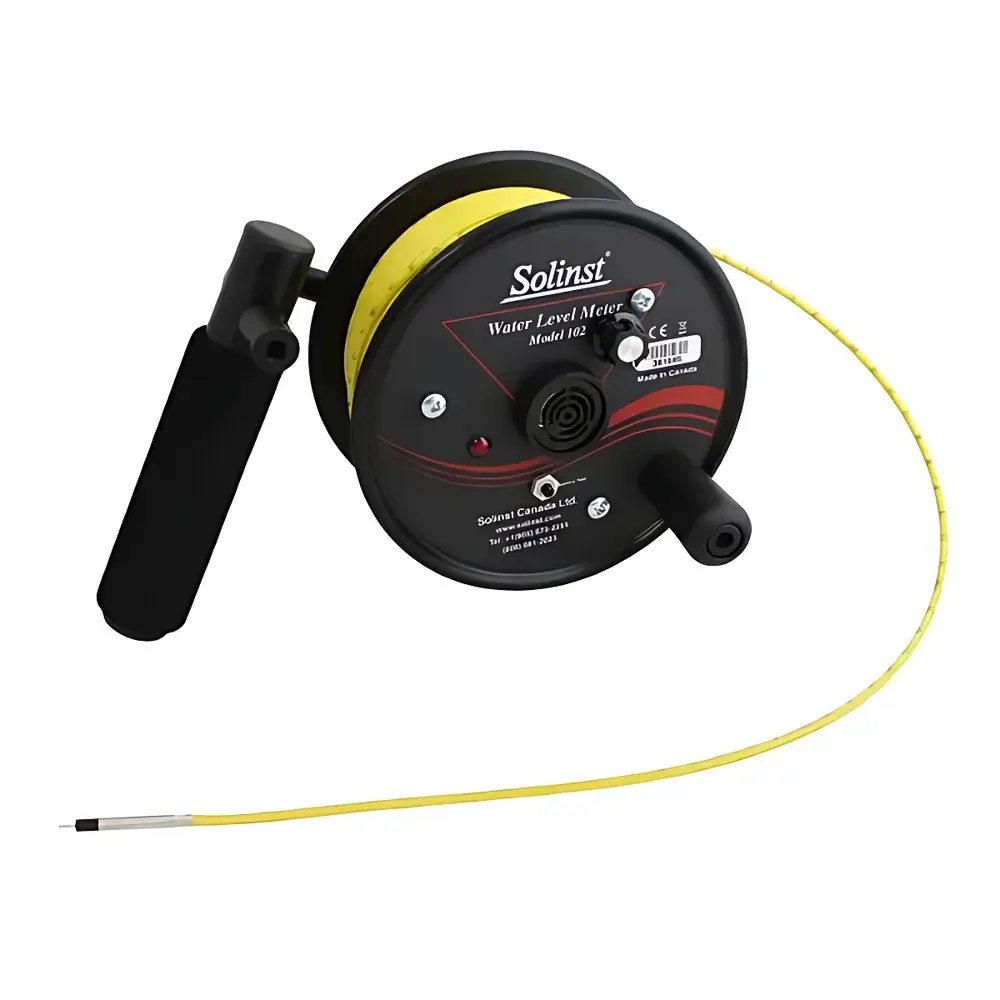
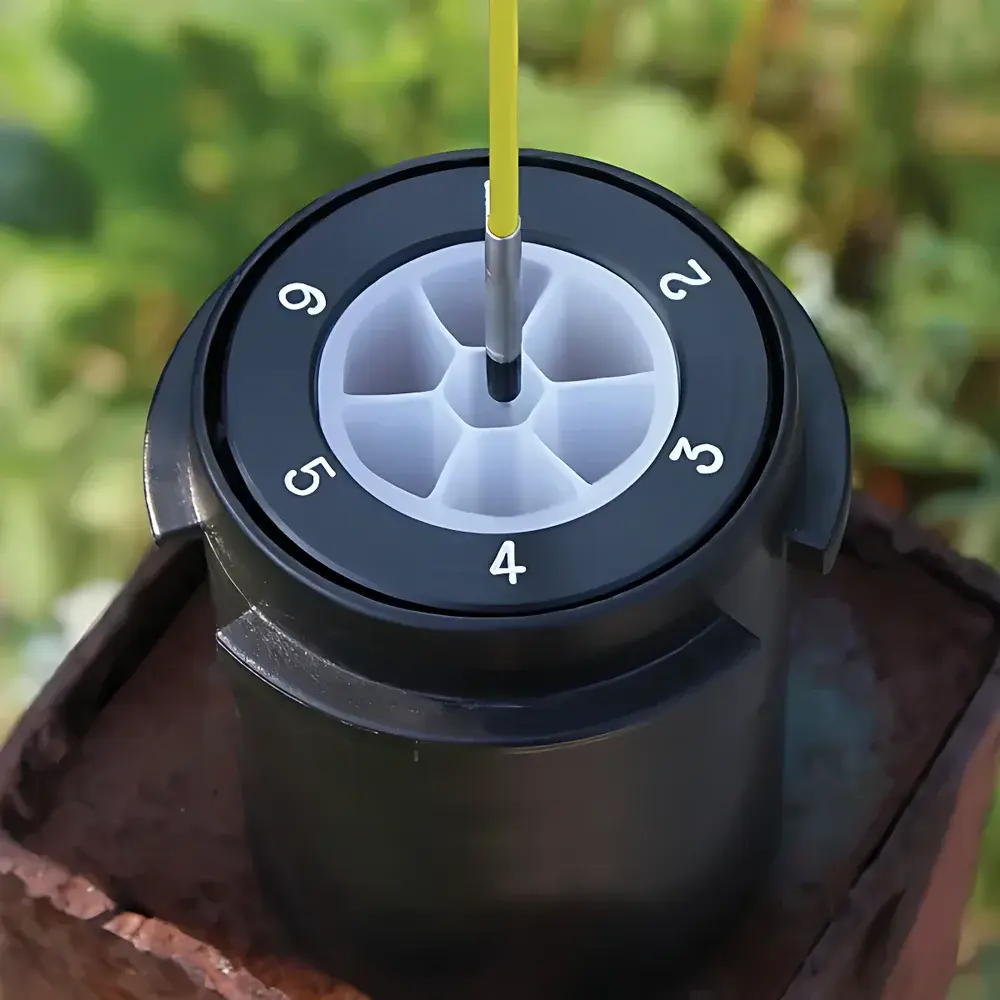
The Solinst Model 102 Water Level Tape is a precision-engineered, field-deployable conductive water level measurement instrument designed for high-reliability groundwater level profiling in confined boreholes, monitoring wells, and narrow-diameter access tubes. Operating on the principle of electrical conductivity detection, the device completes a low-voltage circuit when its stainless-steel probe contacts water—triggering simultaneous visual (LED) and audible (buzzer) feedback at the tape reel unit. Unlike float-based or pressure transducer systems, the Model 102 delivers direct, real-time depth-to-water measurements without calibration drift, temperature compensation dependencies, or signal attenuation over distance. Its 10 mm diameter coaxial cable—featuring laser-etched permanent millimeter-scale graduations and a reinforced polyethylene outer jacket—is specifically engineered for insertion into tight-diameter wells (down to 19 mm ID), including Solinst CMT multilevel systems, DrivePoint piezometers, and narrow PVC or stainless-steel casings. The integrated stainless-steel central guide wire enhances tensile strength and minimizes cable kinking during repeated deployment and retrieval.
Key Features
- Ultra-slim 10 mm diameter cable with laser-permanent 1 mm graduation marks—ensuring long-term readability and resistance to abrasion, UV exposure, and chemical degradation.
- Dual-probe compatibility: P10 probe (10 mm × 70 mm, 174 g, 10 removable stainless steel weights) optimized for standard well diameters and vertical stability; P4 probe (4 mm × 38 mm, 10 g, weightless) for ultra-narrow applications (<12 mm ID) and shallow-depth surveys.
- Robust reel unit powered by a single 9 V alkaline battery, delivering >2,000 measurement cycles per charge under typical field conditions.
- Simultaneous dual-mode output: bright red LED indicator and adjustable-frequency audible buzzer—enabling reliable operation in noisy or low-light environments.
- Coaxial cable architecture with integral stainless-steel core conductor—providing mechanical rigidity, consistent signal integrity, and minimal elongation under load.
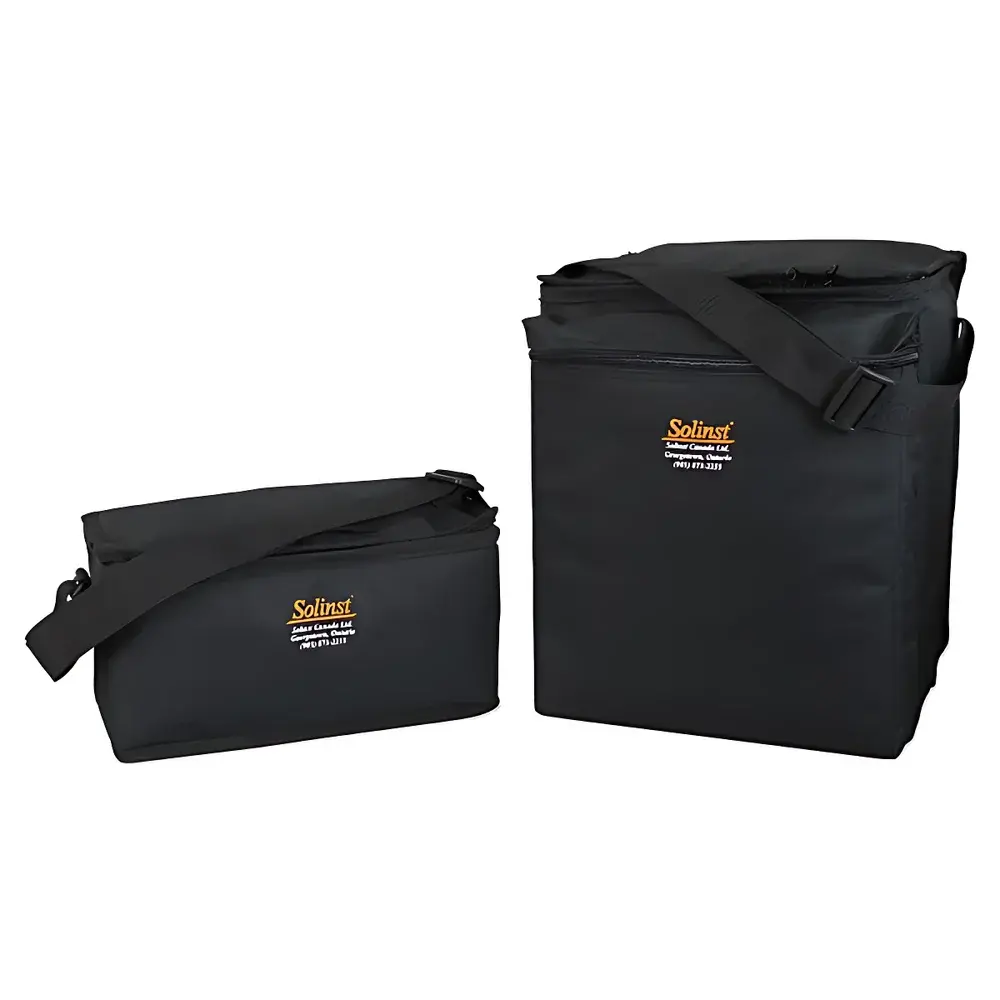
- Reel design compatible with optional carrying cases, tripod mounts, and depth-data logging accessories for structured field workflows.
Sample Compatibility & Compliance
The Model 102 is validated for use across a broad range of subsurface monitoring configurations, including 2-inch (50.8 mm) PVC, stainless-steel, and HDPE well casings; Solinst Continuous Multichannel Tubing (CMT) systems; and DrivePoint® direct-push piezometers. It meets functional requirements specified in ASTM D4044 (Standard Test Method for Determining the Depth to Groundwater), ISO 555–2 (Open Channel Flow Measurement – Tracer Methods), and USGS National Water Information System (NWIS) field data collection protocols. While not an electronic sensor requiring formal 21 CFR Part 11 validation, its analog conductive detection method supports GLP-compliant manual data recording when used with standardized field logbooks and traceable calibration checks (e.g., dry-well verification at known depths).
Software & Data Management
The Model 102 operates as a standalone field instrument without embedded firmware or digital connectivity. However, it integrates seamlessly into structured data acquisition ecosystems via companion tools: Solinst’s Levelogger Software (for synchronized time-series analysis when paired with Levelogger Edge or Junior dataloggers), and third-party GIS platforms such as ArcGIS Field Maps or QGIS via manual entry or CSV import. Users may record measurements directly into digital field forms (e.g., Fulcrum, Survey123) using standardized units (meters or feet to 0.001 m resolution). All graduations are traceable to NIST-traceable length standards through Solinst’s manufacturing QA process, and batch-specific calibration certificates are available upon request for audit-ready documentation.
Applications
- Groundwater level monitoring in municipal, industrial, and agricultural wells.
- Depth-to-water verification during installation and maintenance of multilevel groundwater sampling systems (e.g., Solinst CMT, Waterloo Profiler).
- Pre- and post-drilling water level assessment in geotechnical investigations and environmental site assessments (ESAs).
- Regulatory compliance reporting for EPA RCRA, CERCLA, and state-level groundwater protection programs.
- Calibration reference for pressure transducers and ultrasonic water level sensors.
- Field education and hydrogeology training where tactile, direct-read instrumentation reinforces conceptual understanding of saturated zone dynamics.
FAQ
What is the minimum well diameter compatible with the Model 102?
The P4 probe allows operation in wells as narrow as 12 mm internal diameter; the P10 probe requires ≥19 mm ID for stable deployment.
Does the Model 102 require periodic recalibration?
No—its conductive detection mechanism and laser-etched scale are inherently stable. Verification against a dry-well reference point is recommended before critical campaigns.
Can the tape be used in saline or contaminated groundwater?
Yes—the stainless-steel probe and PE jacket resist corrosion in brackish, acidic, or hydrocarbon-impacted waters; however, post-use rinsing with deionized water is advised for extended service life.
Is the reel unit waterproof?
The reel housing is splash-resistant (IP54-rated) but not submersible; operation should occur above the water table or within sheltered enclosures.
How is measurement resolution determined?
Resolution is governed by the 1 mm laser刻度 and operator visual acuity—typically ±1 mm under optimal lighting and stabilization conditions.