
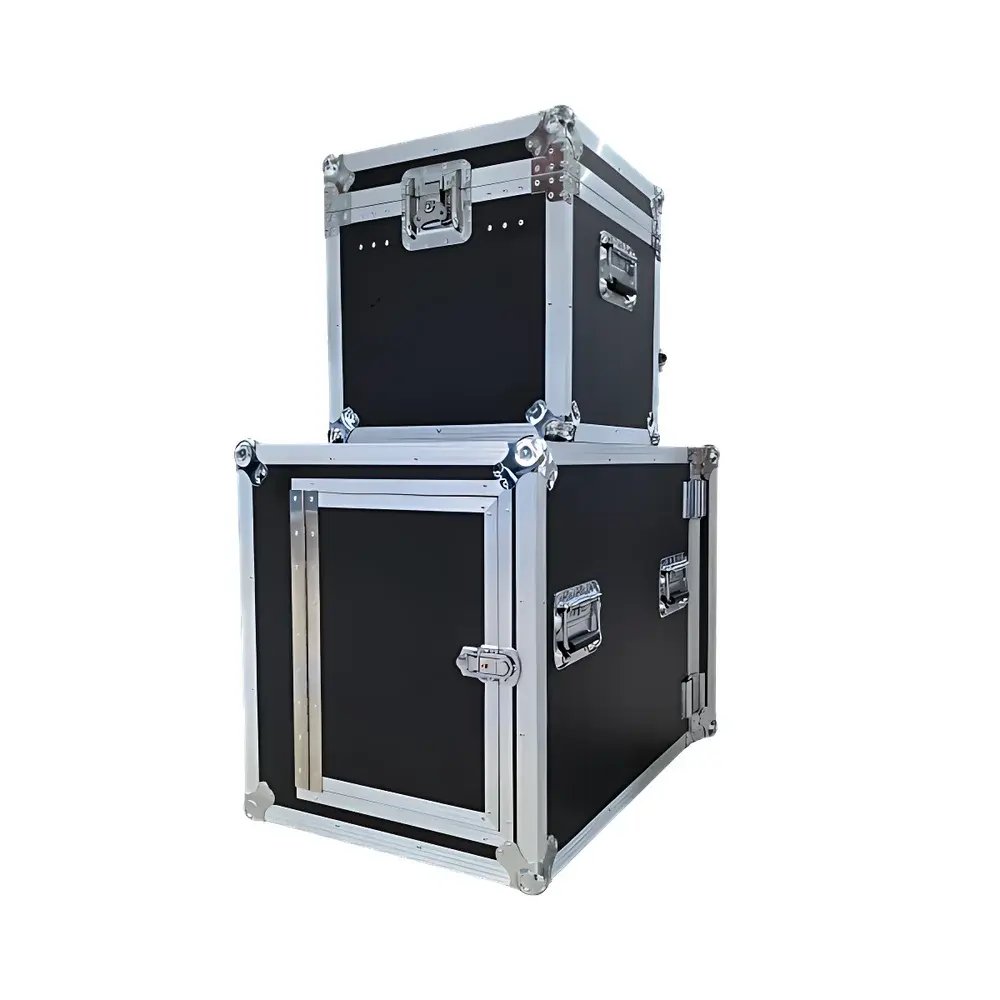
NIUMAG MicroMR06-040V-P Portable Low-Field Nuclear Magnetic Resonance Analyzer
| Brand | NIUMAG |
|---|---|
| Origin | Jiangsu, China |
| Instrument Type | Low-Field NMR Analyzer |
| Sample Type | Solid-Liquid Dual Mode |
| Magnet Type | Permanent Magnet |
| Operating Frequency | 6.17 MHz ± 0.2 MHz |
| Sample Cavity Dimensions | 550 mm (L) × 550 mm (D) × 700 mm (H) |
| Homogeneity Zone | Ø38.1 mm × H80 mm |
| Max Sample Size | 1.5-inch rock core |
| Key Applications | Porosity, Permeability, Fluid Saturation, Movable Fluid Saturation, Pore Size Distribution, T₁–T₂ & D–T₂ 2D NMR Spectroscopy |
Overview
The NIUMAG MicroMR06-040V-P is a purpose-built portable low-field nuclear magnetic resonance (LF-NMR) analyzer engineered for quantitative, non-destructive characterization of geological samples in both field and laboratory environments. Unlike high-field superconducting NMR systems—which require cryogenic infrastructure, stringent magnetic shielding, and fixed installation—the MicroMR06-040V-P leverages permanent magnet technology operating at 6.17 MHz to deliver robust, reproducible NMR signal acquisition under ambient conditions. Its measurement principle is grounded in pulsed spin-echo sequences (e.g., CPMG), enabling direct detection of hydrogen proton relaxation dynamics (T₁, T₂) and diffusion coefficients (D) in pore-confined fluids. These parameters are intrinsically linked to petrophysical properties such as porosity, permeability, fluid saturation, and pore geometry—making the instrument a critical tool for reservoir evaluation, core analysis, and unconventional resource assessment.
Key Features
- Portable permanent-magnet architecture with modular “lightweight toroidal magnet” design, enabling rapid deployment in drill sites, core labs, and sample logistics centers.
- Integrated hardware thermal management system and fourth-generation digital spectrometer platform ensure stable operation during extended data acquisition cycles—even under variable ambient temperatures.
- Dual-mode sample compatibility: accommodates intact 1.5-inch cylindrical rock cores and disaggregated cuttings without sample preparation or destructive processing.
- High-fidelity 2D NMR spectroscopy capability—including T₁–T₂ correlation and D–T₂ mapping—for advanced fluid typing, hydrocarbon phase differentiation, and clay-bound vs. free water quantification.
- Optimized RF probe geometry calibrated for rock matrix signal-to-noise ratio (SNR), delivering consistent repeatability across heterogeneous lithologies (sandstone, carbonate, shale, tight gas sand).
Sample Compatibility & Compliance
The MicroMR06-040V-P is validated for use with geological solids and immiscible fluid-saturated media, including brine-, oil-, and gas-saturated core plugs and cuttings. Its Ø38.1 mm × 80 mm homogeneous zone ensures uniform B₀ field exposure for standardized ASTM D6913-compliant porosity and permeability estimation workflows. While not certified to ISO/IEC 17025 for accredited testing, the system supports GLP-aligned data integrity practices through timestamped audit logs, user-access controls, and raw FID storage. All spectral acquisition protocols adhere to recommended practices outlined in API RP 40 and SPWLA guidelines for NMR-based formation evaluation.
Software & Data Management
Control and analysis are performed via NIUMAG’s proprietary NMIView™ software suite, which provides full sequence programming (CPMG, IR, STIR, diffusion-edited), real-time signal visualization, and automated parameter extraction (T₂ cutoff, bound fluid volume, movable fluid index). Data files are saved in vendor-neutral HDF5 format with embedded metadata (pulse sequence, temperature, gain, number of scans), facilitating integration into LIMS or reservoir modeling platforms. The software includes FDA 21 CFR Part 11-compliant optional modules for electronic signatures, audit trail generation, and role-based access control—suitable for regulated QA/QC environments requiring traceability.
Applications
- On-site cuttings evaluation during rotary and LWD operations to guide real-time lithology and fluid interpretation.
- Routine core analysis in geoscience laboratories for porosity-permeability cross-plots, capillary pressure modeling, and relative permeability calibration.
- Dynamic monitoring of imbibition, drainage, and flooding experiments to quantify fluid redistribution and residual saturation evolution.
- Batch screening of shale samples for total organic carbon (TOC)-correlated T₂ distributions and kerogen-hosted pore network analysis.
- Educational use in petroleum engineering curricula for hands-on NMR principles, relaxation physics, and petrophysical modeling.
FAQ
What is the minimum detectable porosity range for this instrument?
The system achieves reliable detection down to ~0.5% porosity in consolidated sandstones when using optimized CPMG echo trains and sufficient signal averaging—subject to sample mineralogy and fluid type.
Can it distinguish between light oil and heavy oil in saturated cores?
Yes—via D–T₂ correlation maps, where differences in molecular diffusion coefficients and surface relaxation rates enable separation of hydrocarbon fractions based on viscosity and wettability effects.
Is external power conditioning required for field operation?
No—designed for 100–240 VAC, 50/60 Hz input with built-in line filtering; compatible with standard generator outputs and mobile power units used in remote drilling locations.
How is calibration maintained across multiple instruments?
Each unit ships with a reference phantom (doped water gel) and factory-calibrated relaxation time standards; inter-unit consistency is verified annually using NIUMAG’s NMR Standard Reference Materials (SRM-01 series).
Does the system support custom pulse sequence development?
Yes—NMIView™ exposes a Python-based scripting interface (NMI-PySeq) for advanced users to implement tailored acquisition schemes, subject to spectrometer firmware compatibility and safety limits.





