
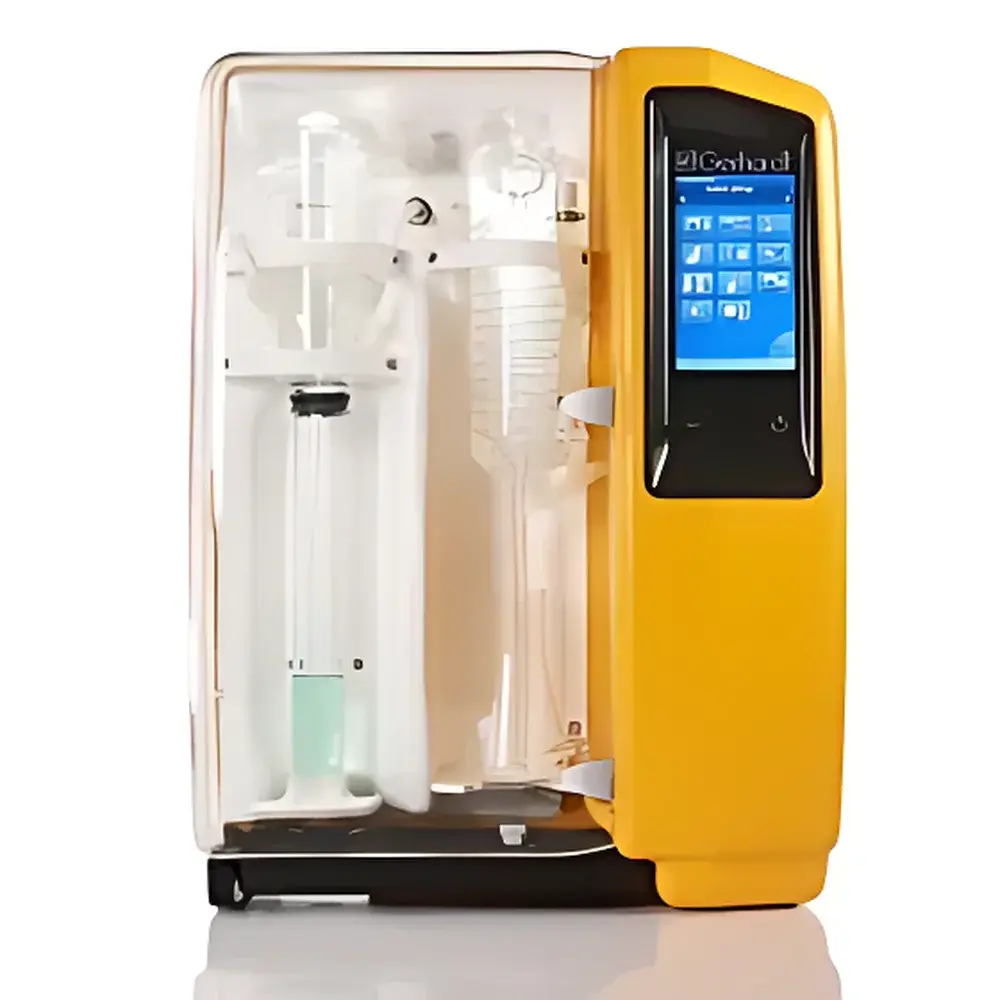
Gerhardt Vapodest 300 Automated Kjeldahl Distillation Unit
| Brand | Gerhardt |
|---|---|
| Origin | Germany |
| Model | Vapodest 300 |
| Instrument Type | Kjeldahl Nitrogen Determinator |
| Nitrogen Detection Range | ≥0.1 mg |
| Distillation Time | 3.5 min per sample |
| Repeatability | ≤±1% |
| Recovery Rate | >99.5% |
| Power Consumption | 2200 W |
| Dimensions (L×W×H) | 527 × 390 × 697 mm |
Overview
The Gerhardt Vapodest 300 is a fully automated, microprocessor-controlled steam distillation unit engineered for high-precision Kjeldahl nitrogen analysis in compliance with ISO 8968, AOAC 981.10, AOAC 984.27, DIN EN ISO 14891, and USP . It operates on the principle of controlled steam distillation—where alkalized digestate is subjected to precisely regulated steam flow, enabling quantitative volatilization of ammonia into a boric acid trapping solution. Unlike conventional batch distillers, the Vapodest 300 integrates programmable steam pressure modulation (10–100% adjustable), automated reagent dosing, timed distillation cycles, and integrated waste evacuation—all synchronized via an embedded real-time control architecture. Its design prioritizes analytical robustness across diverse matrices: cereals, dairy products, meat, feedstuffs, soil extracts, wastewater, pharmaceutical intermediates, and volatile analytes such as formaldehyde, volatile phenols, sulfur dioxide, sulfides, and ethanol. The system’s 3.5-minute typical distillation cycle reflects optimization of thermal transfer efficiency and condensate management—not acceleration at the expense of recovery fidelity.
Key Features
- Programmable steam generator with thermal standby mode and overheat protection—ensuring stable steam output and extended service life
- Automated dual-step reagent delivery: precise alkaline addition (NaOH or NaOBr) followed by programmed water dilution prior to distillation
- Adjustable steam intensity (10–100%) via software-defined setpoints—critical for method-specific applications including alcohol determination (optimized at ~70% steam output)
- Integrated waste drainage module with timed post-distillation purge—eliminating manual tube clearing and cross-contamination risk
- Corrosion-resistant housing constructed from reinforced polymer composites—compatible with aggressive alkaline and acidic vapors over prolonged operation
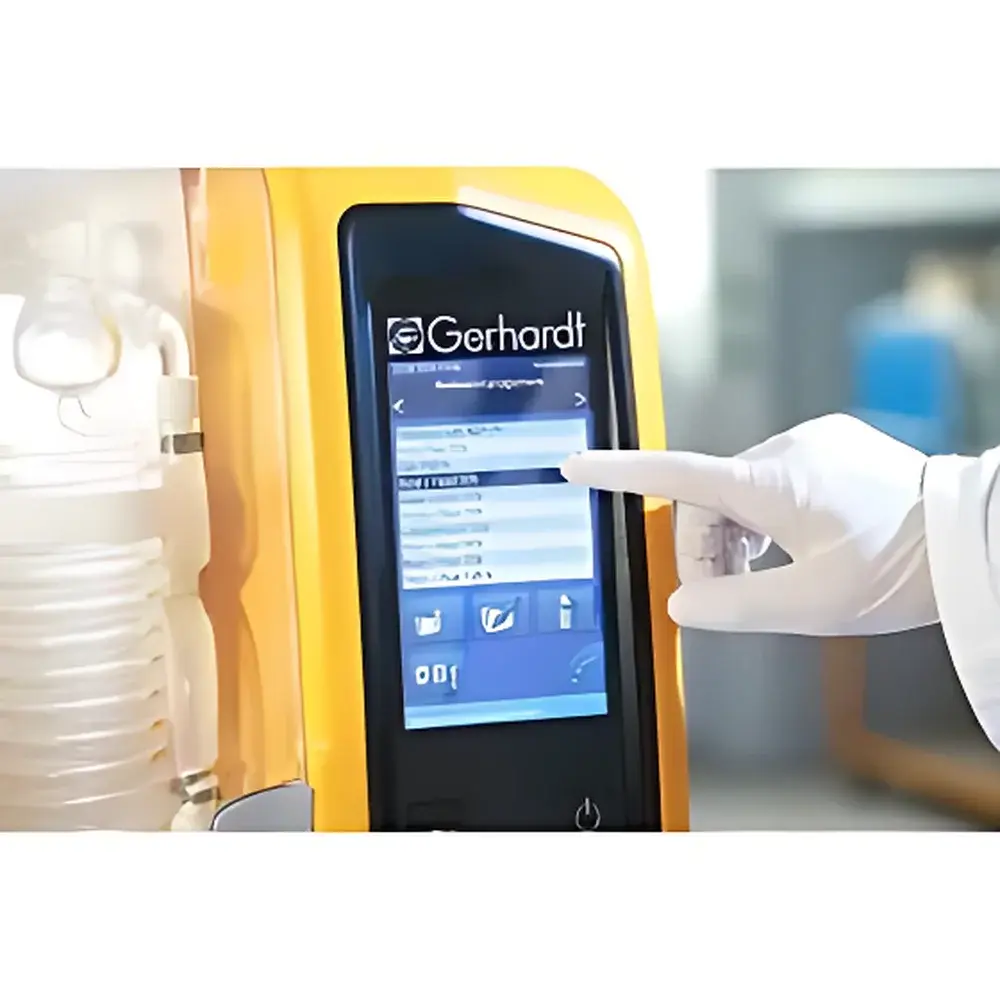
- Large backlit LCD interface with multilingual support (English, German, French, Spanish), displaying real-time process status, error diagnostics, and step-by-step protocol progression
- Preloaded method library supporting up to 20 user-defined programs—including dedicated profiles for crude protein, TKN, NPN, ammoniacal nitrogen, volatile basic nitrogen (VBN), and formaldehyde assays
Sample Compatibility & Compliance
The Vapodest 300 accommodates standard Kjeldahl digestion vessels: 250 mL, 400 mL, and 800 mL digestion tubes; and wide-neck flasks of 250 mL, 500 mL, and 750 mL capacity. Its modular condenser head allows rapid interchange between glass and PTFE-coated plastic variants—supporting both high-purity trace analysis and routine high-throughput workflows. All operational parameters—including steam pressure, distillation duration, alkaline volume, and cooling water flow—are traceable and auditable under GLP/GMP frameworks. The system complies with EN ISO 9001:2000 throughout design, manufacturing, and final inspection. Its electrical architecture conforms to IEC 61010-1 safety standards for laboratory equipment. When paired with Gerhardt’s KB, CSB, or SMA digestion systems, full end-to-end Kjeldahl workflow validation—including recovery verification per ISO 5725-2—is achievable.
Software & Data Management
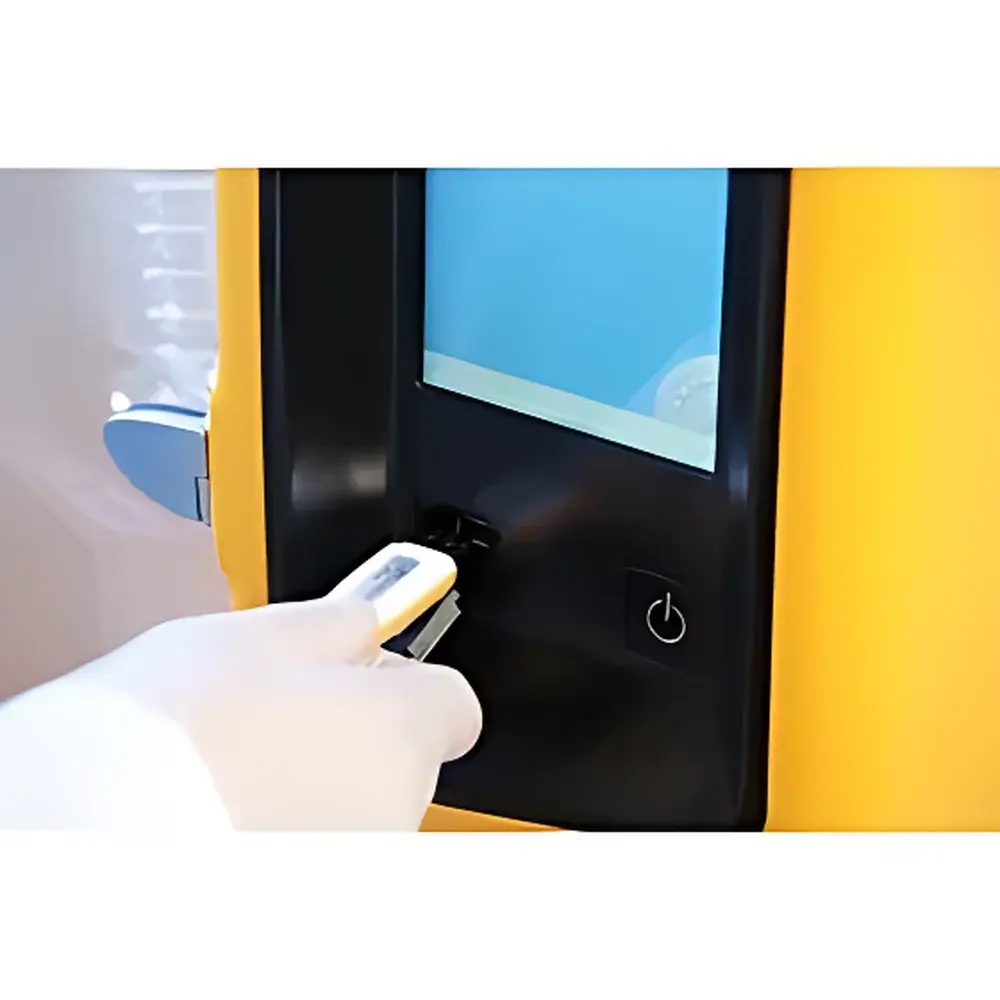
The embedded firmware supports audit-trail-enabled operation per FDA 21 CFR Part 11 requirements when connected to Gerhardt’s optional LabSoft Pro software suite. This integration enables electronic signature capture, user role-based access control, method versioning, and raw data export in CSV or XML formats. All distillation events—including start/stop timestamps, steam intensity logs, reagent volumes dispensed, and anomaly flags—are timestamped and stored internally for ≥12 months. No proprietary drivers or OS dependencies are required: USB mass storage mode permits direct file retrieval on Windows, macOS, or Linux platforms. Remote firmware updates are supported via secure HTTPS channel with SHA-256 signature verification.
Applications
The Vapodest 300 delivers validated performance in regulatory and research environments requiring traceable nitrogen quantification. Primary applications include: crude protein determination in cereal grains (ISO 20483), total Kjeldahl nitrogen in wastewater (ISO 14851), non-protein nitrogen in milk powder (ISO 8968-1), volatile basic nitrogen in fishery products (AOAC 976.15), ammoniacal nitrogen in fertilizers (ISO 5315), formaldehyde content in resins (ISO 14184-1), and ethanol concentration in fermented beverages (OIV-MA-AS313). Its adaptability extends to non-nitrogen applications—such as volatile acidity in wine (OIV-MA-AS311), sulfide analysis in environmental samples (APHA 4500-S2–D), and SO₂ quantification in food preservatives (AOAC 990.28)—through method-specific parameter tuning and compatible trap solutions.
FAQ
What digestion systems are compatible with the Vapodest 300?
The unit is mechanically and chemically optimized for seamless integration with Gerhardt KB, CSB, and SMA series digestion units—though universal neck adapters permit use with third-party Kjeldahl digesters meeting ISO 3696 Class 2 water specifications.
Does the Vapodest 300 support automated titration interfacing?
Yes—it features RS-232 and TTL-level digital I/O ports for hardware synchronization with Gerhardt TitroLine 7000, Metrohm 856 Conductivity Titroset, or any titrator supporting START/STOP and endpoint signal protocols.
What cooling water requirements does the system impose?
Minimum flow: 2 L/min at 15–25°C inlet temperature; maximum tolerance: 5 L/min. Integrated flow sensor triggers audible/visual alert if flow drops below threshold—critical for summer operation in ambient temperatures exceeding 35°C.
How is method validation performed for new sample types?
Gerhardt provides application notes with spike-recovery protocols, certified reference material (CRM) test data (e.g., BCR-65, NIST SRM 8414), and interlaboratory comparison reports aligned with ISO/IEC 17043 proficiency testing guidelines.
Is maintenance documentation available in English?
Yes—full technical manuals, calibration checklists, spare parts catalogs, and preventive maintenance schedules are delivered in English PDF format with every unit, updated quarterly via Gerhardt’s customer portal.





