
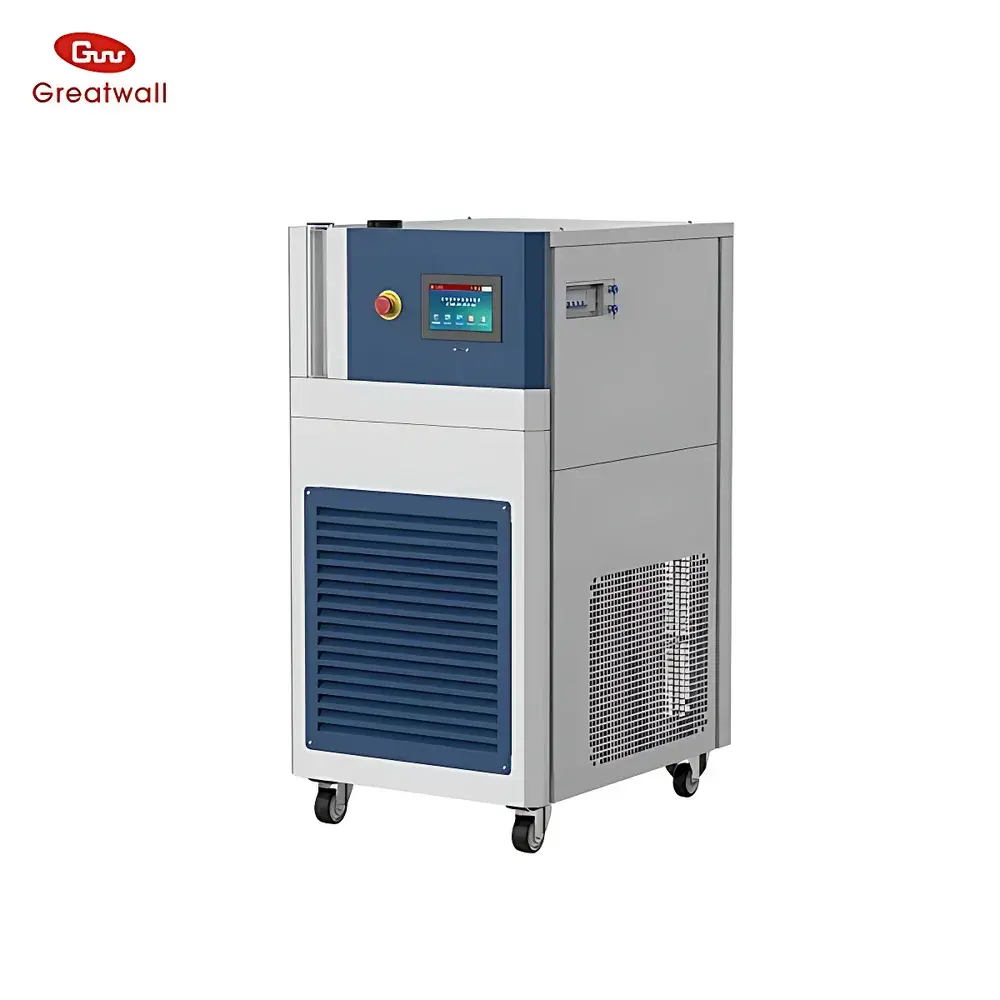
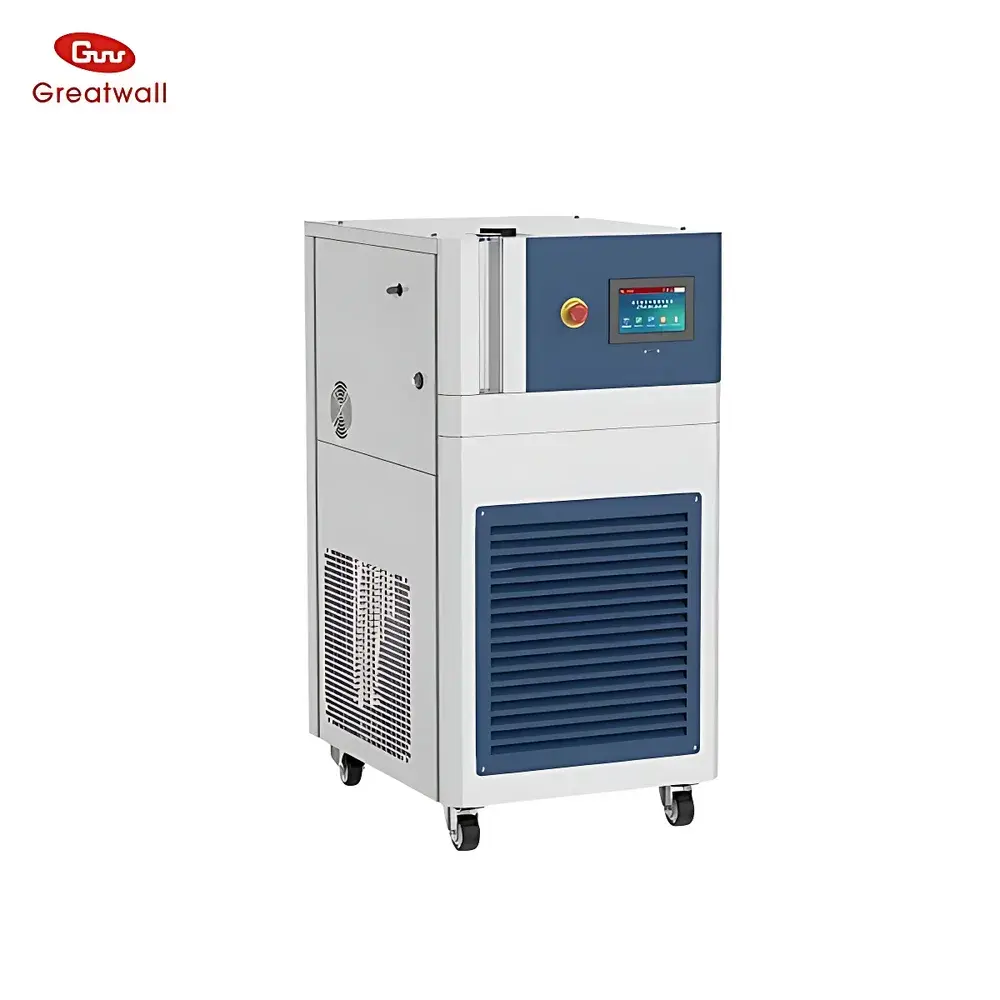
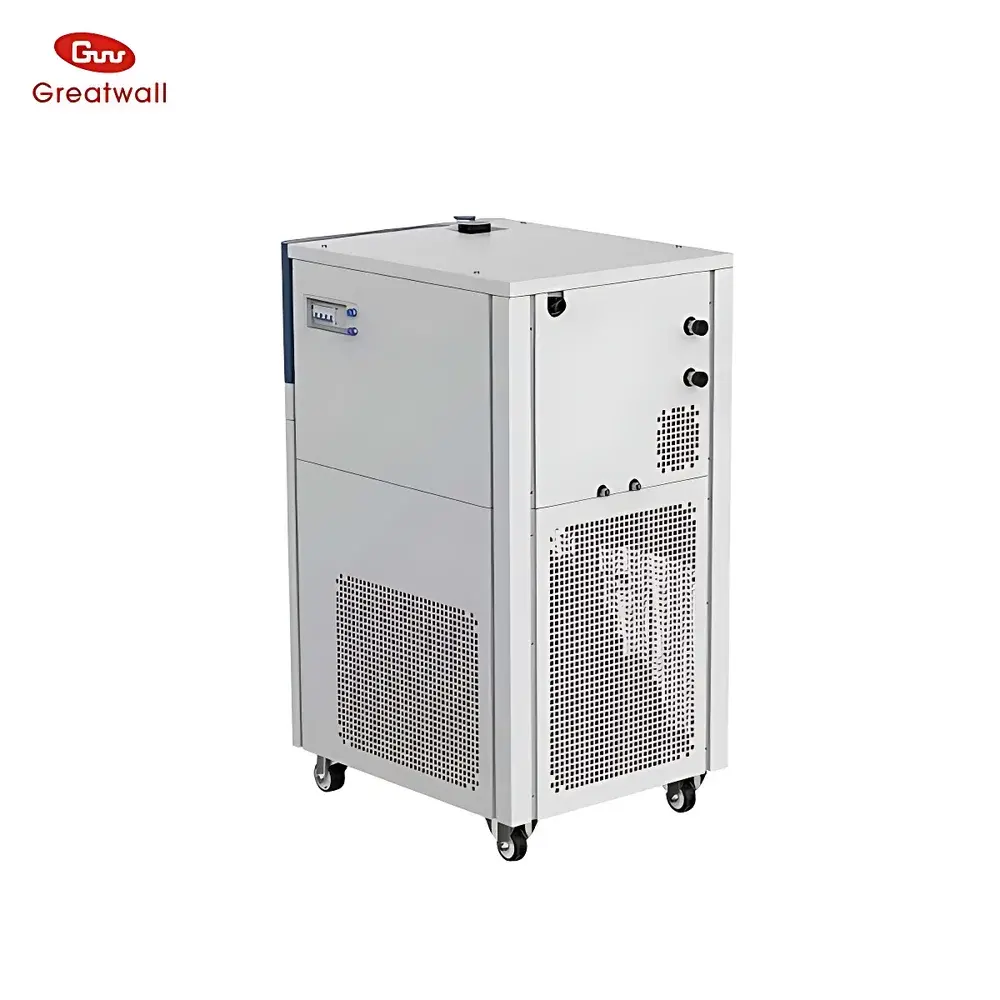
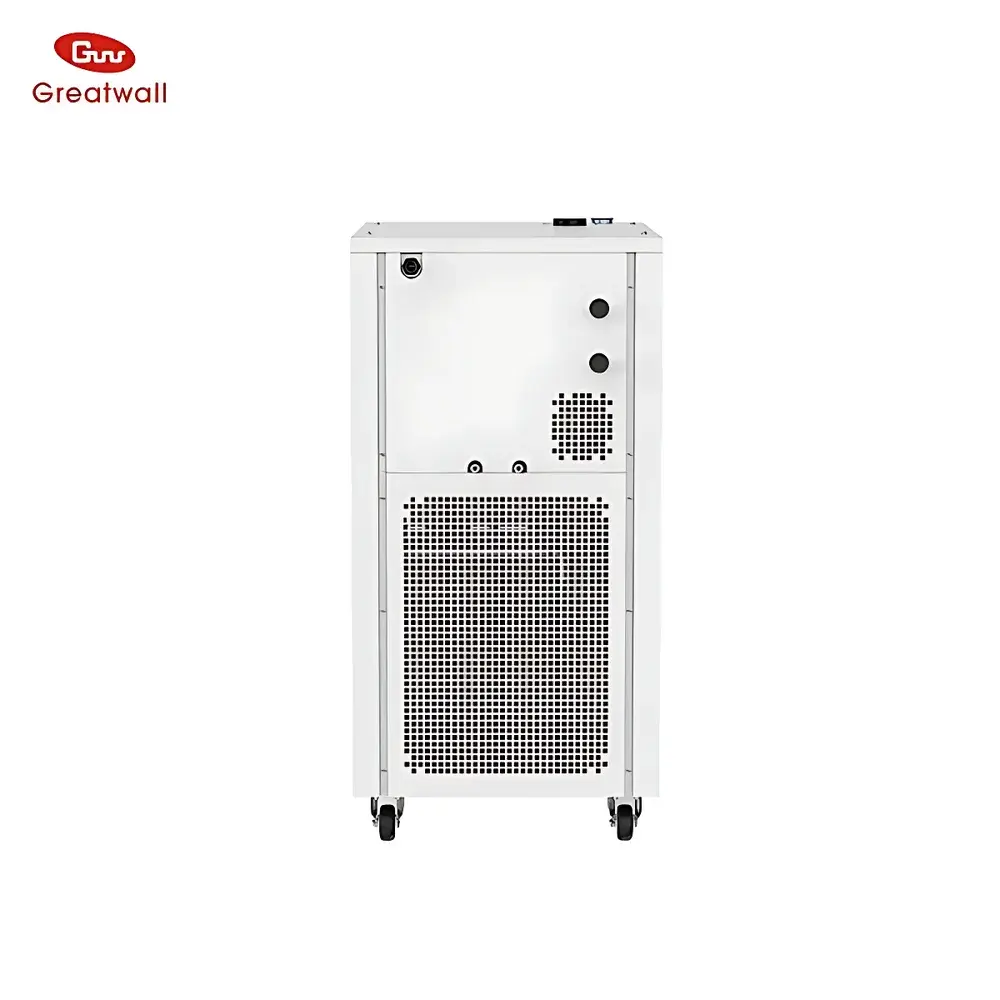
Great Wall ZTM Series Closed-Loop Refrigerated Heating Circulator
| Brand | The Great Wall |
|---|---|
| Origin | Henan, China |
| Manufacturer Type | Direct Manufacturer |
| Origin Category | Domestic (China) |
| Model | ZTM |
| Price | USD 7,000 (approx.) |
Overview
The Great Wall ZTM Series Closed-Loop Refrigerated Heating Circulator is an engineered thermal management system designed for precise, stable, and bidirectional temperature control of external process equipment. Operating on a dual-mode refrigeration–heating principle, it integrates independent refrigeration, heating, and pre-cooling circuits within a single sealed circulation architecture. Unlike open-bath or single-function units, the ZTM series delivers continuous, pressure-free thermal cycling across an exceptionally wide operational range—from –80 °C to +200 °C—without requiring heat-transfer fluid replacement or system reconfiguration. This capability enables seamless transitions between exothermic and endothermic process phases, making it especially suited for reaction calorimetry, controlled crystallization, distillation condensation, and multi-step synthesis in pharmaceutical R&D, fine chemical manufacturing, and academic laboratories.
Key Features
- Tri-circuit architecture: Fully independent refrigeration, heating, and pre-cooling systems—operable simultaneously or in isolation for maximum flexibility and redundancy.
- Wide-range, pressure-free operation: Achieves –80 °C to +200 °C without pressurization; eliminates risks associated with high-pressure thermal fluids and simplifies integration with glassware (e.g., jacketed reactors, rotary evaporators).
- Direct hot-to-cold transition: Capable of initiating active cooling from +200 °C without intermediate shutdown or manual intervention—critical for quenching reactions or rapid thermal profiling.
- Hermetically sealed circulation loop: Prevents oxidation of heat-transfer fluids at elevated temperatures and moisture ingress at sub-zero conditions, significantly extending fluid service life and maintaining consistent thermal conductivity.
- High-efficiency brazed plate heat exchanger: Compact footprint with superior thermal transfer coefficient; optimized for both rapid ramp-up and fast cooldown kinetics.
- Real-time liquid level monitoring: Integrated capacitive level sensor provides continuous feedback and automatic low-fluid shutdown to prevent dry-run damage to pumps and heaters.
- Comprehensive safety suite: Includes overtemperature cutoff, emergency stop, delayed restart logic, ground-fault detection, overcurrent protection, and thermal runaway mitigation—fully compliant with IEC 61000-6-2/6-4 EMC standards.
- Air-cooled condensing system: Eliminates dependency on municipal water supply or chiller infrastructure; reduces facility overhead and supports deployment in water-constrained environments.
Sample Compatibility & Compliance
The ZTM circulator is compatible with standard laboratory thermal interfaces—including jacketed glass reactors (up to 50 L), rotary evaporators, cryogenic baths, and analytical instrumentation requiring external temperature conditioning. Its closed-loop design ensures compatibility with common heat-transfer media such as silicone oil (e.g., DC200 series), polyalphaolefin (PAO), and specialized low-temperature fluids (e.g., Therminol LT). All electrical components meet CE marking requirements per Directive 2014/30/EU (EMC) and 2014/35/EU (LVD). While not certified to UL or CSA standards out-of-the-box, the unit’s architecture supports third-party certification for GMP-compliant installations when integrated into validated processes under ISO 9001 and ISO 13485 quality systems.
Software & Data Management
The ZTM series features an embedded 7-inch TFT touchscreen HMI with intuitive PID parameter tuning, programmable ramp-soak profiles (up to 30 segments), and real-time trend logging (temperature, flow rate, system status). Optional RS485 Modbus RTU or Ethernet TCP/IP connectivity enables integration into SCADA or LIMS platforms. Audit-trail functionality—including user login timestamps, setpoint changes, and alarm events—is available via optional firmware upgrade, supporting compliance with FDA 21 CFR Part 11 where electronic records are subject to regulatory review. Data export is supported in CSV format for post-processing in MATLAB, Excel, or LabArchives.
Applications
- Controlled synthesis in API development: Maintaining precise stoichiometric temperature profiles during Grignard, lithiation, or hydrogenation steps.
- Rotary evaporation optimization: Simultaneous condenser cooling and bath heating to maximize solvent recovery efficiency across mixed-solvent systems.
- Reaction calorimetry support: Providing stable thermal sink/source for RC1e or EasyMax-type reactors during heat-flow measurement campaigns.
- Material testing: Conditioning polymer samples prior to DSC, TGA, or rheological analysis under defined thermal histories.
- Biotech cold-chain validation: Simulating storage and transport thermal excursions for stability studies per ICH Q5C guidelines.
FAQ
What is the minimum recommended heat-transfer fluid volume for stable operation?
The system requires a minimum fill level of 6.5 L to ensure pump priming and thermal mass stability—verified via onboard level sensor calibration.
Can the ZTM operate continuously at –80 °C with external loads?
Yes, provided ambient temperature remains ≤25 °C and ventilation clearance ≥150 mm is maintained around the air-cooled condenser.
Is remote monitoring supported natively?
Standard configuration includes Modbus RTU; Ethernet-based remote access and cloud telemetry require optional gateway module and firmware version 2.3 or later.
Does the unit comply with GLP data integrity requirements?
With audit-trail firmware enabled and appropriate SOPs, the system meets ALCOA+ principles for attributable, legible, contemporaneous, original, accurate, complete, consistent, enduring, and available records.
What maintenance intervals are recommended for long-term reliability?
Compressor oil inspection every 2,000 operating hours; heat exchanger cleaning every 12 months; annual calibration of PT100 sensors against NIST-traceable reference.



