
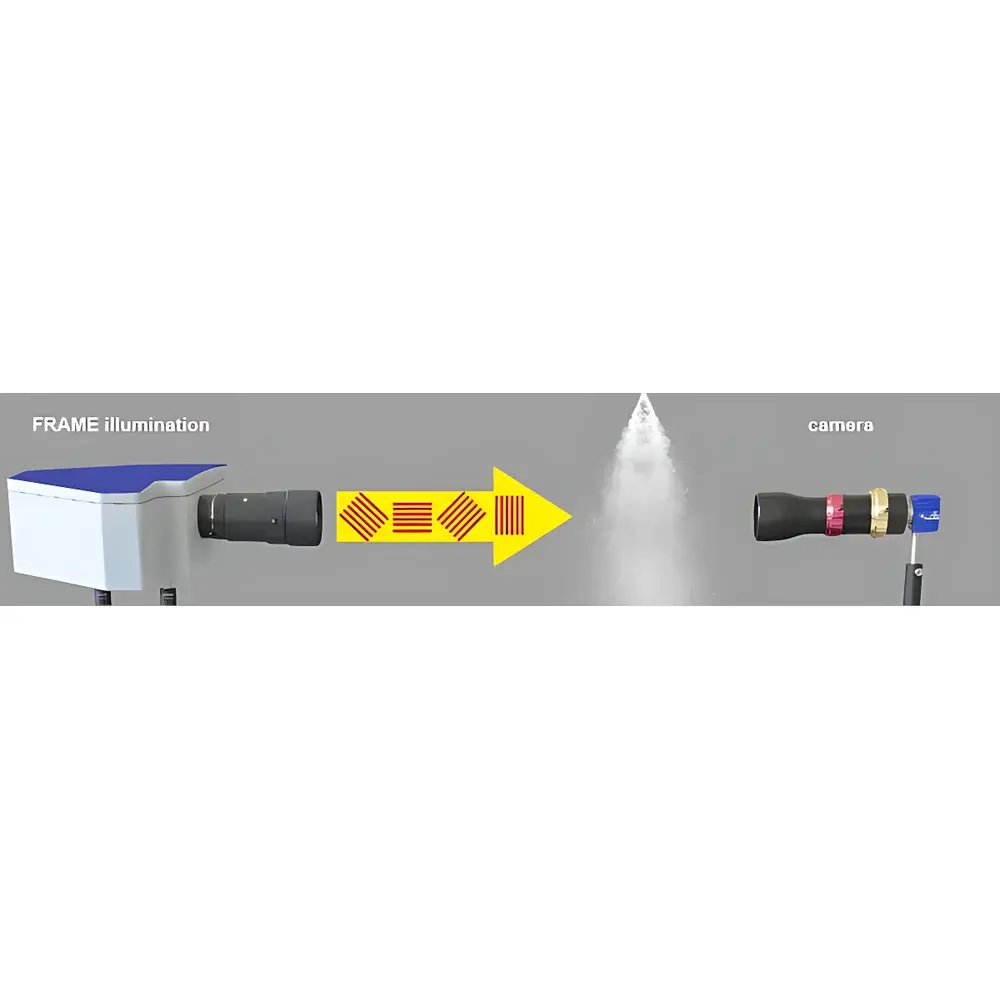
LaVision FRAME Frequency-Recognition Algorithm for Multiple Exposures Imaging Camera
| Brand | LaVision GmbH |
|---|---|
| Origin | Germany |
| Model | FRAME |
| Frame Rate (Equivalent) | 4× @ 1 MHz (per exposure sequence) |
| Effective Temporal Resolution | 1 µs inter-frame interval |
| Number of Simultaneously Captured Frames per Exposure | 4 |
| Illumination Modulation Frequency | 40 lp/mm (at object plane) |
| Imaging Resolution (Effective FRAME Sequence) | 500 × 400 pixels |
| System Synchronization | Fully synchronized with DaVis software and PTUX timing unit |
| Compliance | Designed for GLP/GMP-aligned experimental workflows |
Overview
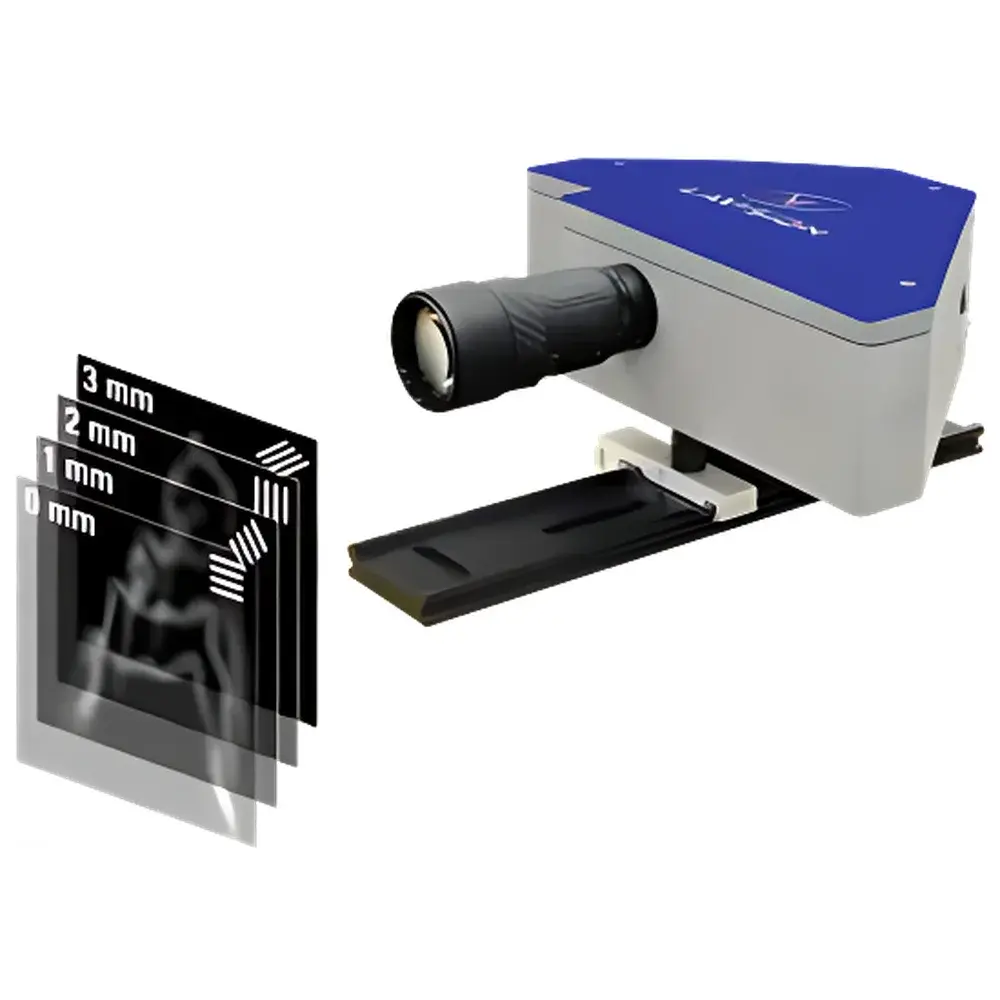
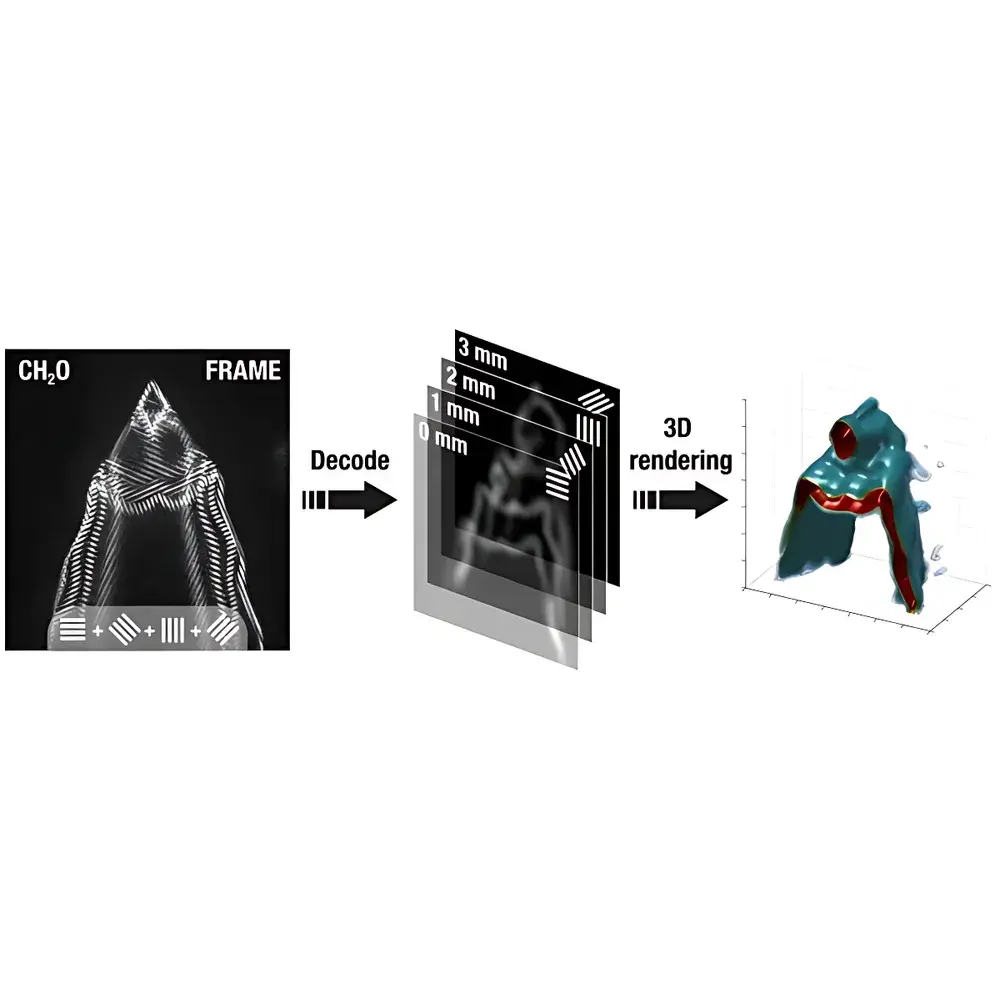
The LaVision FRAME Frequency-Recognition Algorithm for Multiple Exposures Imaging Camera is a specialized optical imaging instrument engineered for ultrafast, time-resolved shadowgraphy and schlieren diagnostics. Unlike conventional high-speed cameras relying on sequential frame capture, the FRAME system employs a single-shot, multi-exposure encoding principle based on spatial-frequency multiplexing. During one physical exposure event, four temporally distinct images—each separated by as little as 1 µs—are optically encoded onto a single CCD sensor using a custom-designed, time-coded illumination module. The core innovation lies in the FRAME algorithm: a deterministic frequency-domain reconstruction method that demultiplexes the superimposed intensity patterns by exploiting orthogonal spatial carrier frequencies generated via four independently modulated light sources. This enables true time-gated imaging without mechanical shutters or electronic frame splitting, preserving full sensor resolution and photon efficiency across all reconstructed frames.
Key Features
- Single-exposure acquisition of four time-resolved images with sub-microsecond temporal separation (minimum inter-frame interval: 1 µs)
- Integrated FRAME HS Shadow illumination module featuring four synchronized, spatially encoded LED sources with 40 line pairs/mm modulation fidelity at the object plane
- High-fidelity parallel-beam imaging architecture using a 1:1 telecentric lens (10 cm working distance, ~1 mm depth of field) to eliminate perspective distortion and ensure pixel-accurate spatial registration
- Fully hardware-synchronized operation with LaVision’s DaVis software platform and PTUX precision timing controller—supporting both repetitive (e.g., pulsed spray dynamics) and single-shot events (e.g., shock tube experiments, detonation front propagation)
- DaVis-native FRAME reconstruction engine: automated, parameter-driven post-processing with minimal user input; supports batch processing, metadata embedding, and export in standard scientific formats (TIFF, HDF5)
- Modular design compliant with ISO 13570-compliant optical alignment standards; illumination and camera subsystems are independently calibrated and interchangeable within defined mechanical and optical tolerances
Sample Compatibility & Compliance
The FRAME system is optimized for transparent or semi-transparent transient phenomena in gas-phase flows, combustion intermediates, laser-induced plasmas, and rapid fluid–structure interactions. It operates under ambient laboratory conditions (10–40°C), with power supply compatibility across 100–230 VAC mains. All firmware and software components adhere to principles aligned with FDA 21 CFR Part 11 for audit-trail-capable data acquisition systems. While not certified as medical or industrial safety equipment, the system meets IEC 61000-6-3 (EMC emission) and IEC 61000-6-2 (immunity) requirements for laboratory instrumentation. Calibration documentation—including modulation transfer function (MTF) characterization of the illumination pattern and geometric distortion mapping of the telecentric path—is provided per ISO/IEC 17025 guidelines upon request.
Software & Data Management
FRAME functionality is natively embedded in LaVision’s DaVis 8.x+ software suite. The interface provides real-time preview of raw multiplexed images, configurable exposure timing per illumination channel (with ±10 ns jitter), and precise trigger synchronization with external sensors (e.g., piezoelectric pressure transducers, photodiodes). Reconstruction parameters—including carrier frequency selection, noise thresholding, and phase unwrapping strategy—are accessible via scriptable Python APIs (DaVisPy) for integration into automated test benches. Processed image sequences retain full EXIF and custom metadata (timestamp, trigger delay, illumination code mask ID), enabling traceability in GLP-regulated environments. Export options include time-stamped TIFF stacks, HDF5 containers with embedded calibration matrices, and CSV-based event logs compatible with MATLAB and Python-based analysis pipelines.
Applications
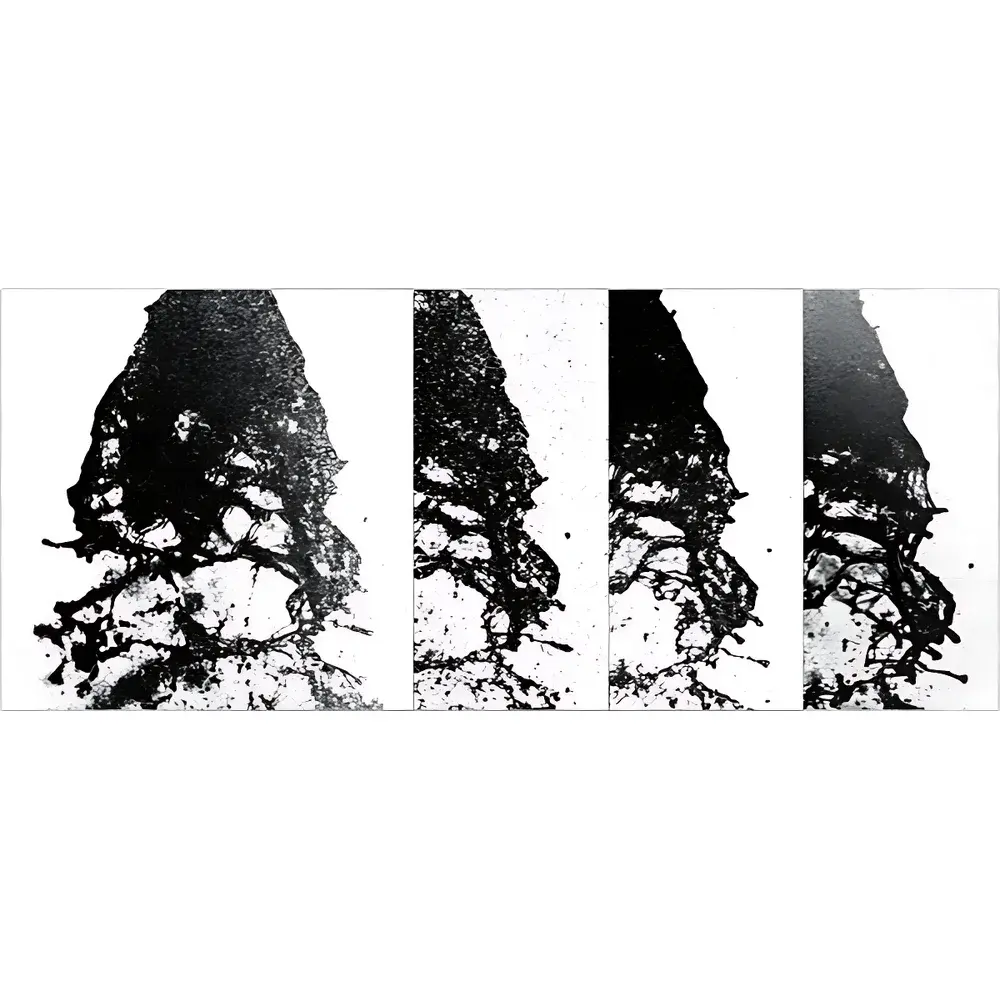
- Time-resolved shadowgraphy of fuel injection sprays (Sauter mean diameter evolution, breakup onset, ligament formation)
- Shock wave propagation analysis in shock tubes and driven-detonation experiments
- Plasma filament dynamics in nanosecond-pulsed discharges and laser-induced breakdown spectroscopy (LIBS) initiation studies
- Microsecond-scale cavitation bubble collapse and jet formation in ultrasonic cleaning and sonochemistry reactors
- Transient thermal boundary layer development in rapid heating/cooling processes (e.g., laser surface treatment, additive manufacturing melt pool monitoring)
FAQ
How does FRAME differ from conventional ultrafast framing cameras?
FRAME does not rely on microchannel plate intensifiers or rotating mirrors. Instead, it uses optical encoding and computational demultiplexing—achieving four frames at 1 MHz equivalent rate with a standard scientific CCD, eliminating compromises in quantum efficiency or dynamic range.
Can FRAME be used with non-shadowgraphy modalities?
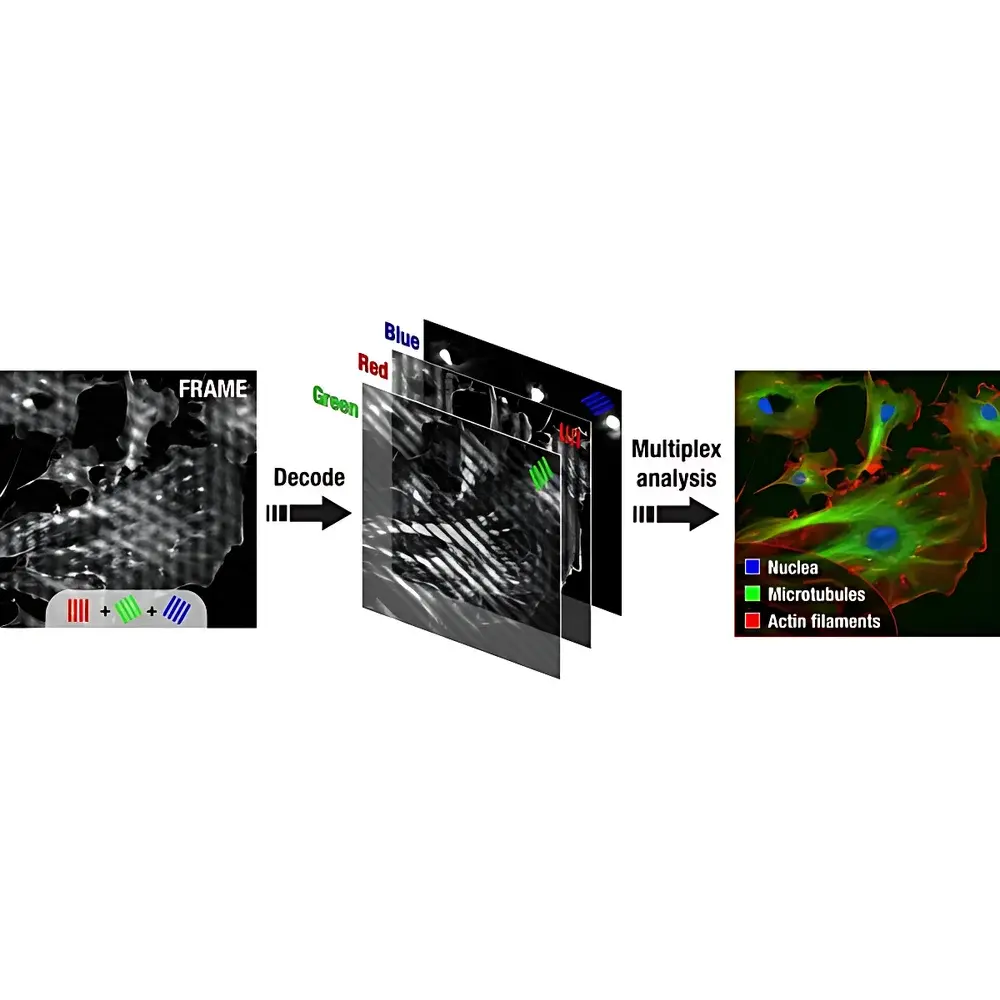
Yes—the illumination encoding principle is modality-agnostic. With appropriate optical relays and filter sets, FRAME has been adapted for time-resolved interferometry and filtered chemiluminescence imaging in combustion research.
Is the 1 µs minimum inter-frame interval guaranteed across all operating conditions?
Yes, provided the illumination module is operated within its specified thermal envelope (ambient ≤35°C) and the DaVis timing configuration enforces strict jitter control (<5 ns RMS) via PTUX hardware triggering.
What validation documentation is supplied with the system?
Each FRAME HS Shadow system ships with a factory MTF report, telecentricity verification certificate, temporal jitter characterization sheet, and DaVis software validation summary per GAMP5 Annex 11 principles.
Are custom modulation frequencies or field-of-view configurations available?
Yes—LaVision offers optional illumination modules with 20–80 lp/mm modulation density and scalable FOV optics (up to 50 × 50 mm²), subject to optical path length and signal-to-noise constraints.





