
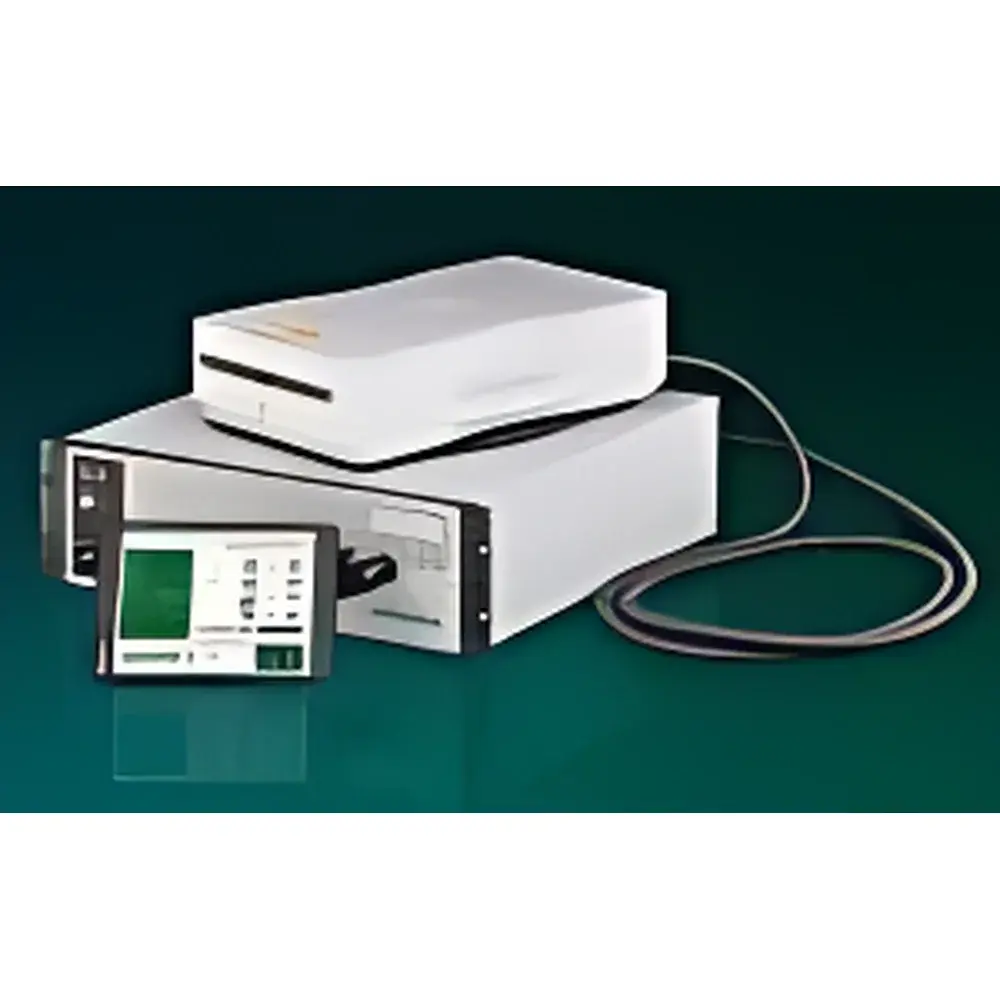
Ekspla FemtoLux3 Microjoule-Class Femtosecond Fiber Laser
| Brand | Ekspla |
|---|---|
| Origin | Lithuania (Imported) |
| Manufacturer Type | Original Equipment Manufacturer (OEM) |
| Model | FemtoLux3 |
| Output Power | Up to 3 W (avg.) |
| Pulse Energy | Up to 2 µJ/pulse (single), up to 10 µJ/burst |
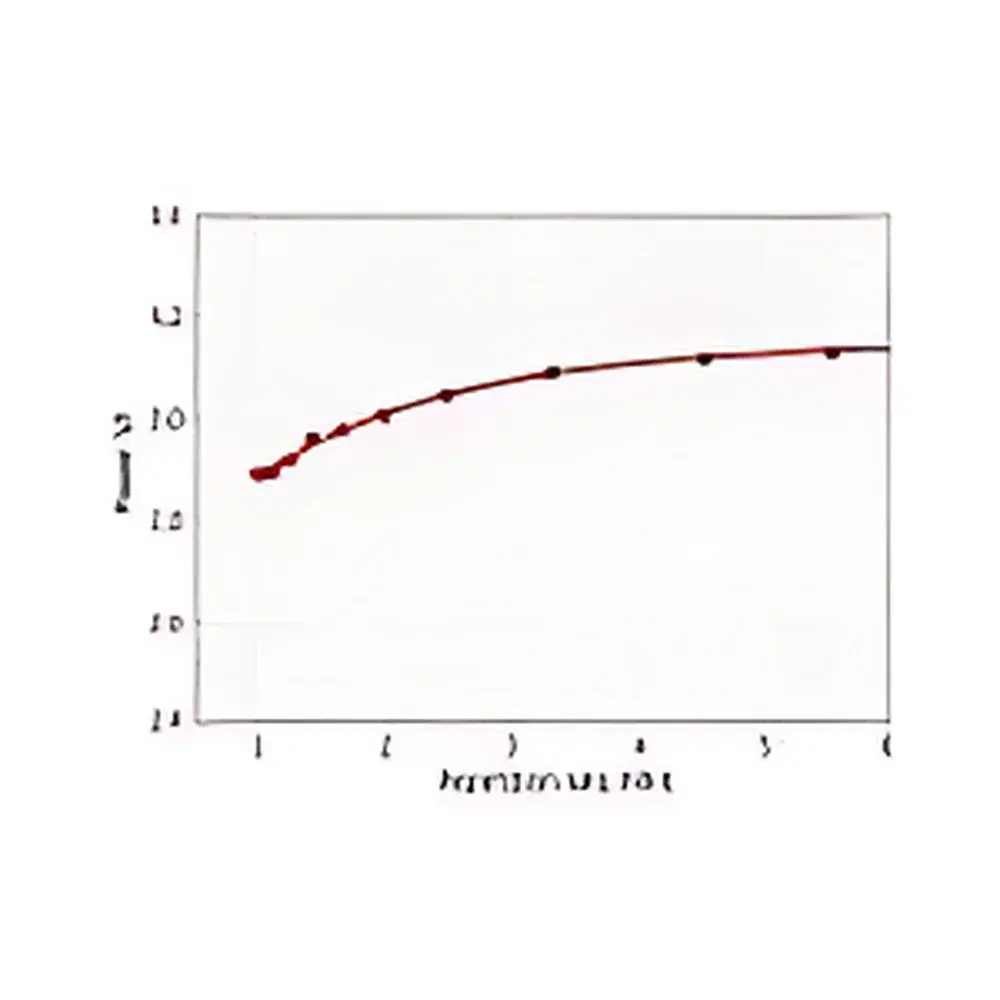
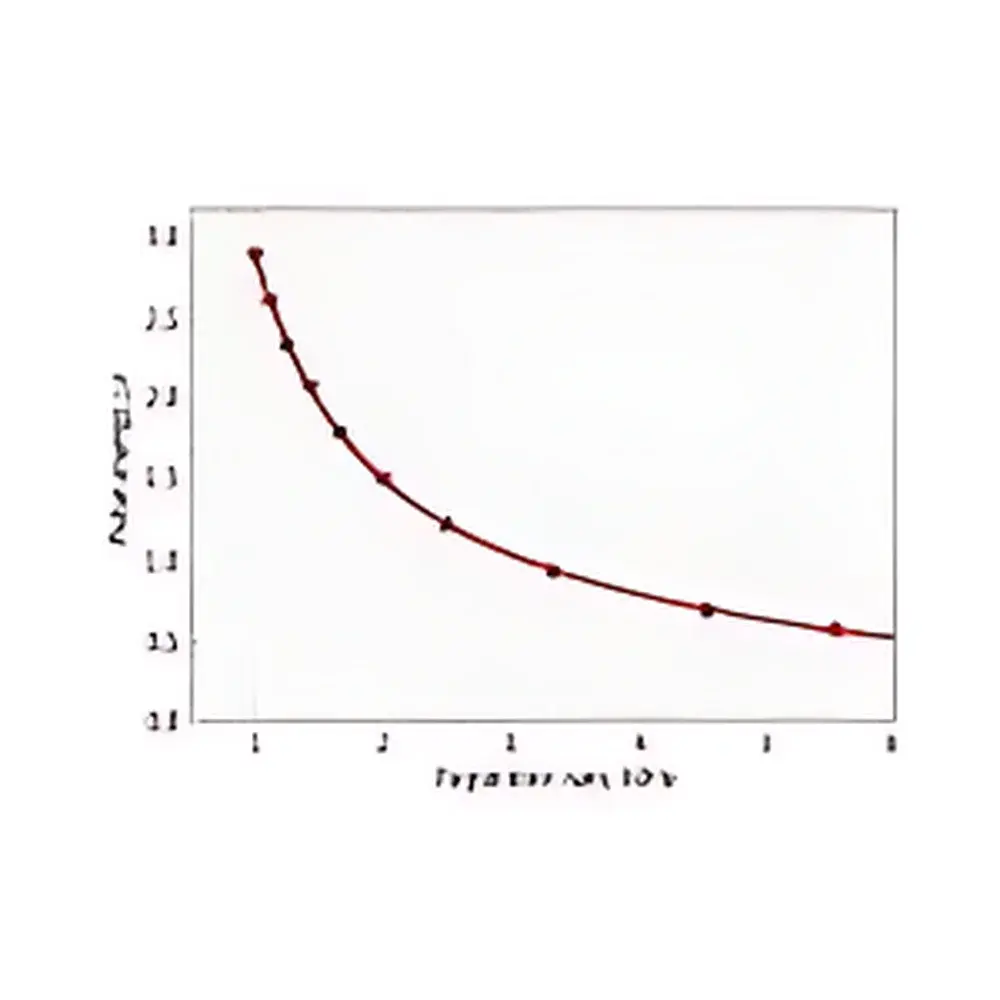
| Pulse Duration | Adjustable from 300 fs to 5 ps |
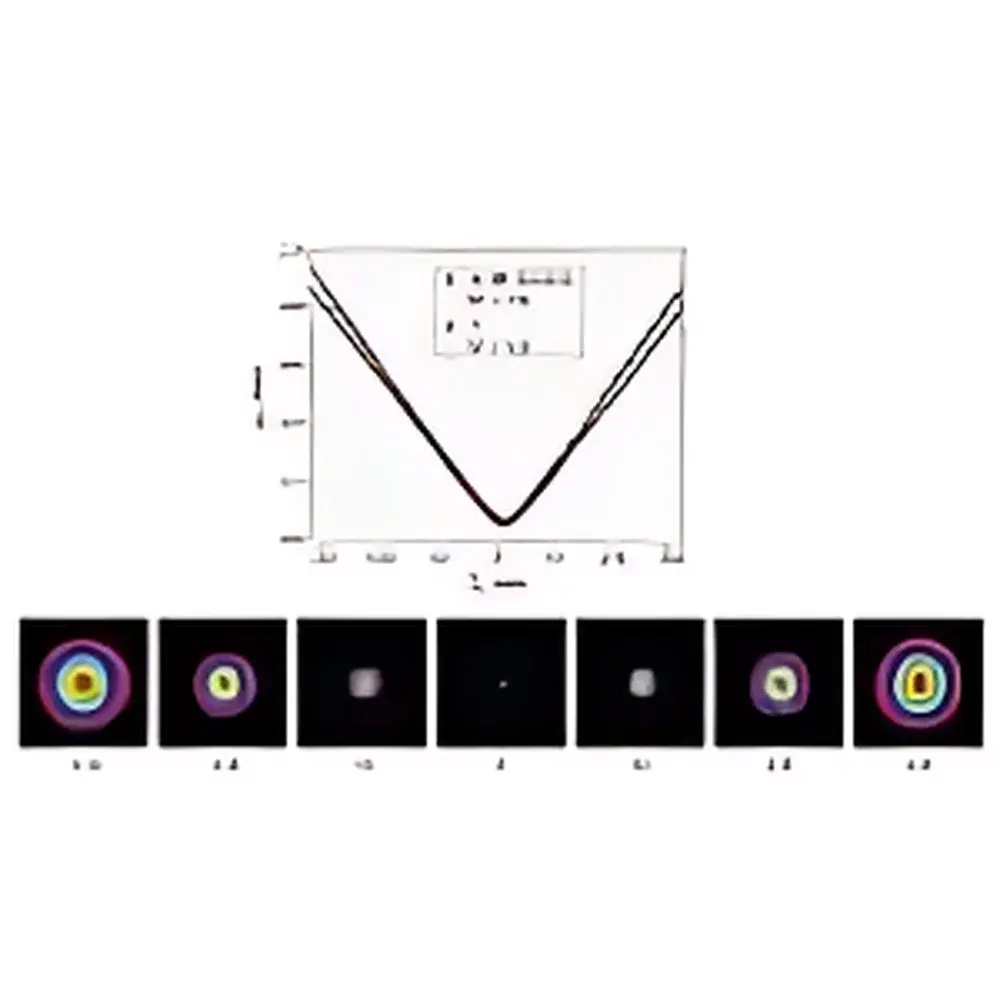
| Beam Quality | M² < 1.2 |
| Cooling | Passive convection (24/7 continuous operation) |
| Operation Mode | CW, burst, and individual pulse control |
| Compliance | CE, RoHS, IEC 60825-1:2014 Class 4 Laser Product |
Overview
The Ekspla FemtoLux3 is a microjoule-class femtosecond fiber laser engineered for high-precision photonic applications requiring exceptional temporal stability, spatial beam fidelity, and operational flexibility. Based on all-fiber chirped-pulse amplification (CPA) architecture, the FemtoLux3 delivers ultrashort pulses with durations tunable from 300 fs to 5 ps—enabling optimization across nonlinear optical processes where pulse duration critically influences ablation threshold, thermal confinement, and photochemical efficiency. Its average output power reaches up to 3 W, with single-pulse energy scalable to 2 µJ at repetition rates spanning 100 kHz to 5 MHz. The system supports advanced temporal structuring via programmable burst mode, delivering up to 10 µJ per burst with fully configurable intra-burst envelope and inter-pulse spacing—essential for controlled material modification in transparent dielectrics and biological tissues.
Key Features
- Adjustable pulse duration (300 fs – 5 ps) via integrated dispersion management, enabling application-specific optimization of peak power and nonlinear interaction depth.
- High-fidelity beam profile with M² < 1.2, ensuring diffraction-limited focusing for sub-micron feature resolution in micromachining and ophthalmic procedures.
- Programmable burst mode with real-time or pre-defined envelope control—supporting multi-pulse energy stacking without thermal accumulation in sensitive substrates.
- Individual pulse selection and gating functionality, facilitating synchronization with external triggers (e.g., scanning galvanometers, CCD readout, or pump-probe delay stages).
- Passive convection cooling architecture eliminates reliance on water chillers or compressors, enabling silent, maintenance-free 24/7 operation in cleanroom and clinical environments.
- Integrated digital control interface (Ethernet + USB) with intuitive GUI for parameter configuration, firmware updates, and remote diagnostics.
Sample Compatibility & Compliance
The FemtoLux3 is compatible with a broad range of optically transparent and absorbing materials—including fused silica, sapphire, corneal tissue, polymers (e.g., PMMA, SU-8), and thin-film semiconductors—without requiring vacuum or inert gas environments. Its Class 4 laser classification complies with IEC 60825-1:2014 and EN 60825-1 safety standards. For regulated medical device integration, the laser meets essential requirements for electromagnetic compatibility (EMC) per EN 61326-1 and carries CE marking under the EU Medical Device Regulation (MDR 2017/745) Annex II when deployed as part of certified ophthalmic surgical platforms. It supports audit-ready operation under GLP/GMP frameworks through optional timestamped log export and user-access-level authentication.
Software & Data Management
FemtoLux3 is operated via Ekspla’s proprietary LaserControl Suite—a Windows-based application supporting full parameter scripting (Python API available), real-time monitoring of output power, pulse energy drift, and thermal status. All configuration changes are logged with ISO 8601 timestamps and operator ID (when integrated with domain authentication). Data exports comply with ASTM E2500-18 for instrument qualification documentation and support FDA 21 CFR Part 11–compliant electronic records when paired with validated third-party LIMS or MES systems. Firmware updates preserve calibration history and retain user-defined presets across versions.
Applications
- Micromachining & Surface Structuring: High-aspect-ratio drilling in glass wafers, waveguide inscription in lithium niobate, and selective ablation of metal-dielectric stacks for photovoltaic patterning.
- Ophthalmic Surgery: Precision lamellar cutting in SMILE and FS-LASIK procedures, enabled by low collateral damage and predictable stromal separation thresholds.
- Biophotonics: Multiphoton excitation for deep-tissue fluorescence imaging and optogenetic stimulation, leveraging high peak intensity with minimal phototoxicity.
- Ultrafast Pump Sources: Seeding optical parametric amplifiers (OPAs) and oscillators (OPOs) for tunable mid-IR generation (2–20 µm) in spectroscopic and metrological applications.
- Photochemical Processing: Spatially resolved two-photon polymerization (TPP) for micro-optical element fabrication and hydrogel-based 4D bioprinting.
FAQ
What is the maximum achievable pulse energy in burst mode?
Up to 10 µJ per burst, with configurable number of sub-pulses (1–100) and inter-pulse delays ranging from 1 ns to 1 µs.
Is external synchronization supported?
Yes—the system provides TTL-compatible trigger input/output ports with jitter < 50 ps RMS for precise alignment with motion stages, detectors, or pump lasers.
Does the FemtoLux3 require active water cooling?
No—its passive convection design enables stable operation without chillers, making it suitable for mobile labs and ISO Class 5 cleanrooms.
Can pulse duration be adjusted during operation?
Yes—pulse width tuning is software-controlled and fully dynamic, with no mechanical re-alignment required between settings.
What regulatory documentation is provided for integration into medical devices?
Full technical file per MDR Annex II, including risk analysis (ISO 14971), performance testing reports (IEC 60601-2-22), and traceable factory calibration certificates.





