
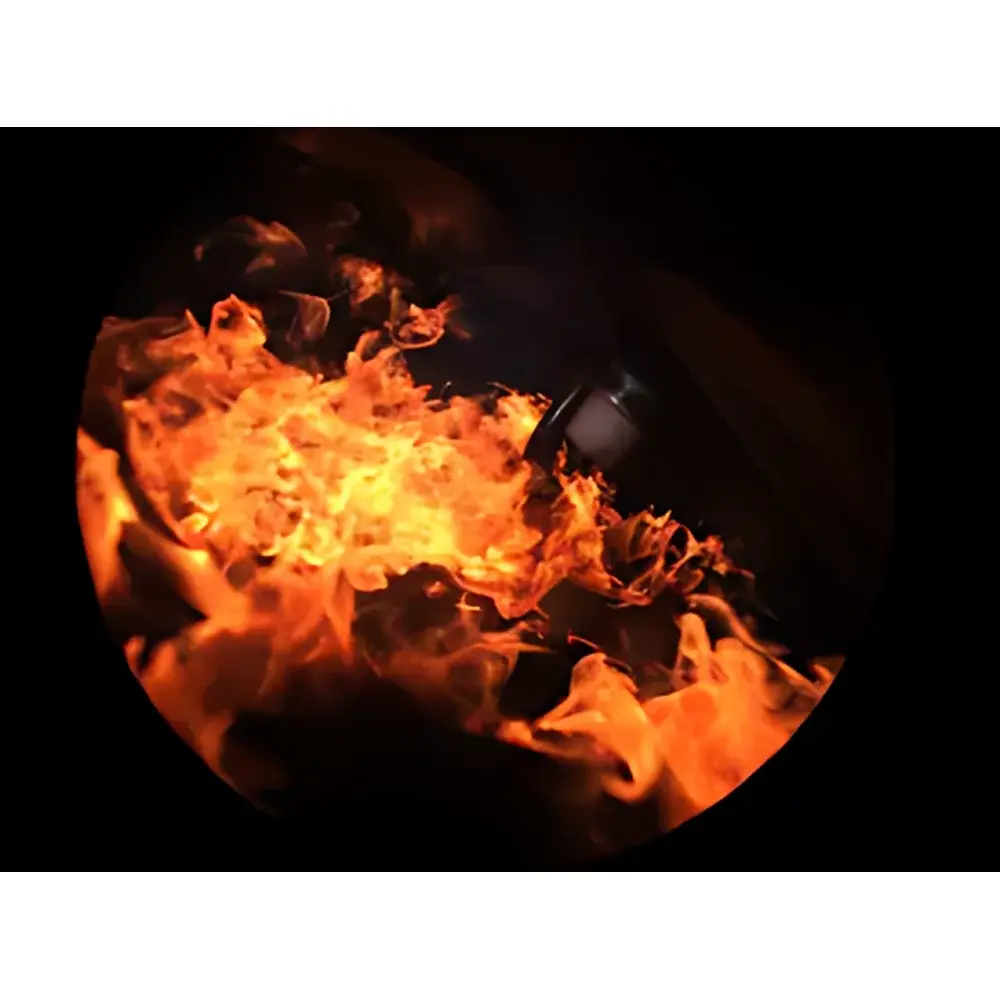
LaVision EngineMaster inspex Endoscopic In-Cylinder Imaging & Quantitative Combustion Analysis System
| Brand | LaVision GmbH |
|---|---|
| Origin | Germany |
| Model | EngineMaster inspex |
| Application Domain | Internal Combustion Engine Research |
| Core Function | Crank-Angle-Synchronized Endoscopic Spray & Combustion Visualization with Quantitative Image-Based Diagnostics |
| Compliance Context | Designed for ASTM D7463, ISO 8178-4, and GLP/GMP-aligned R&D environments |
Overview
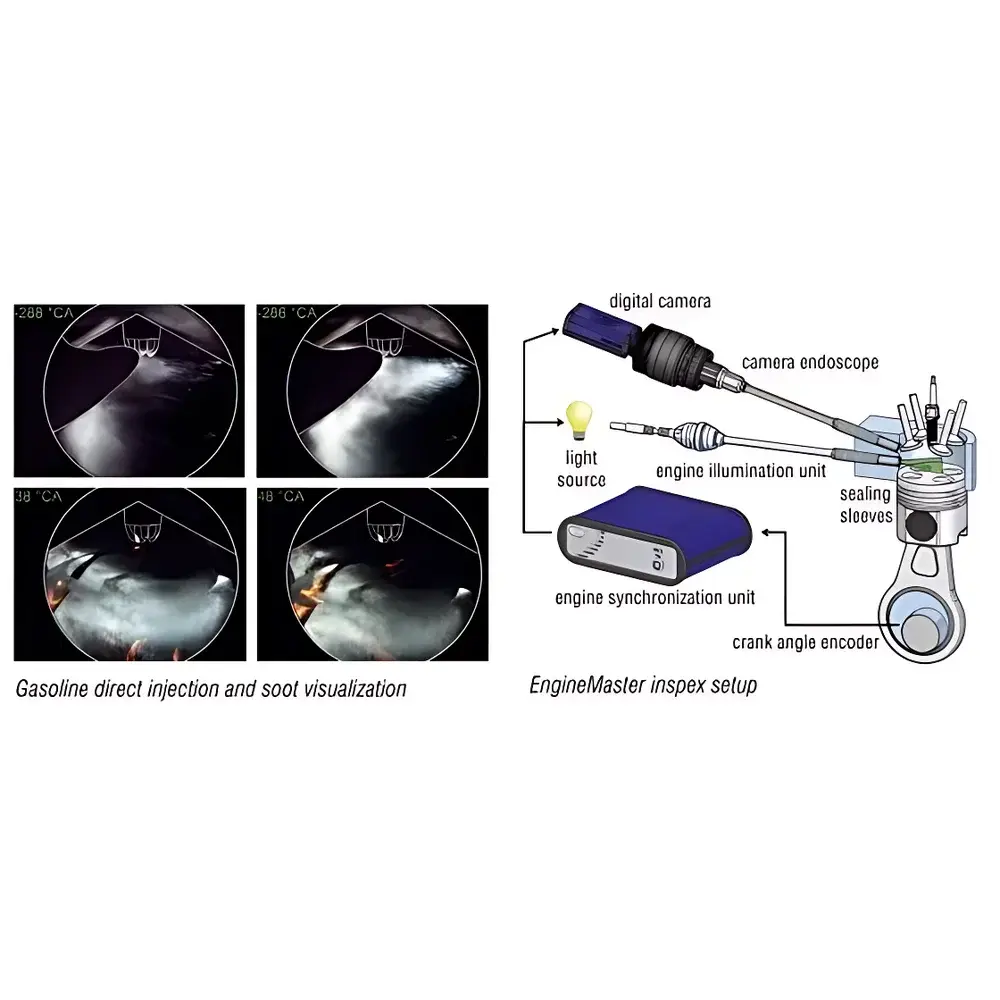
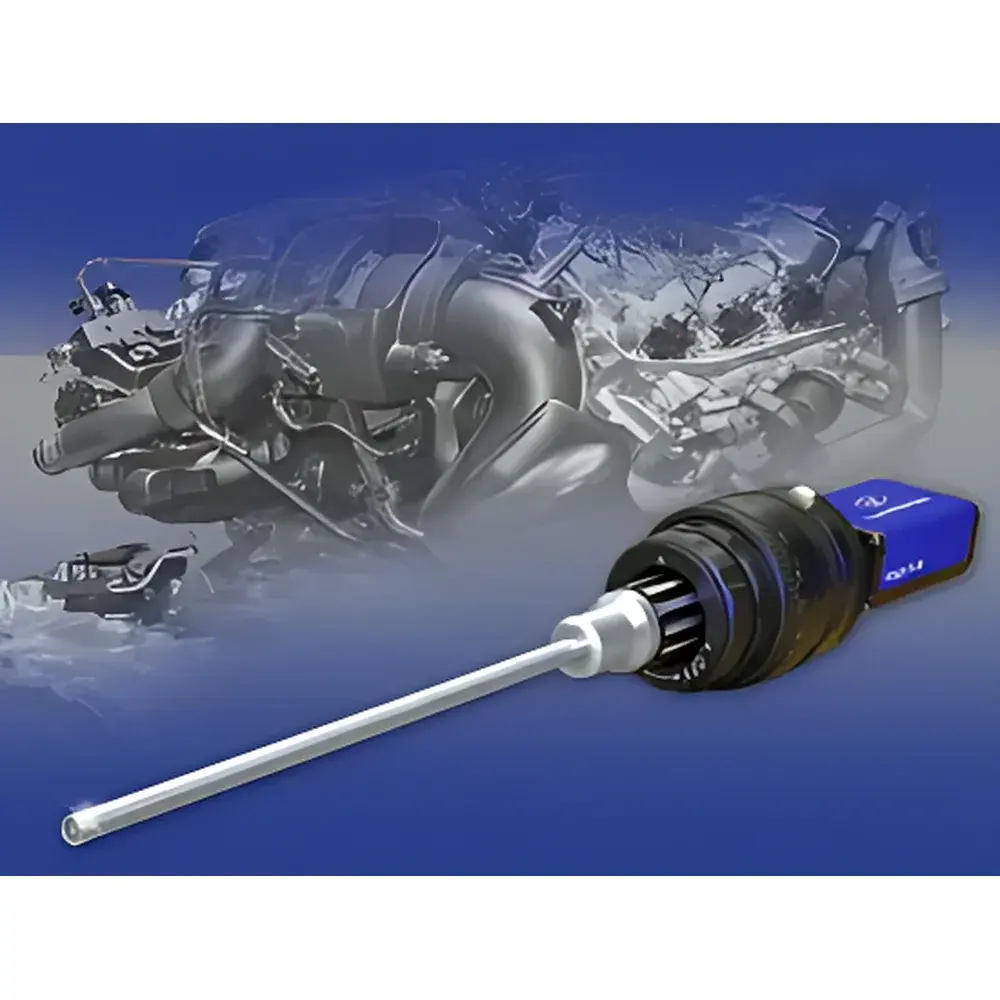
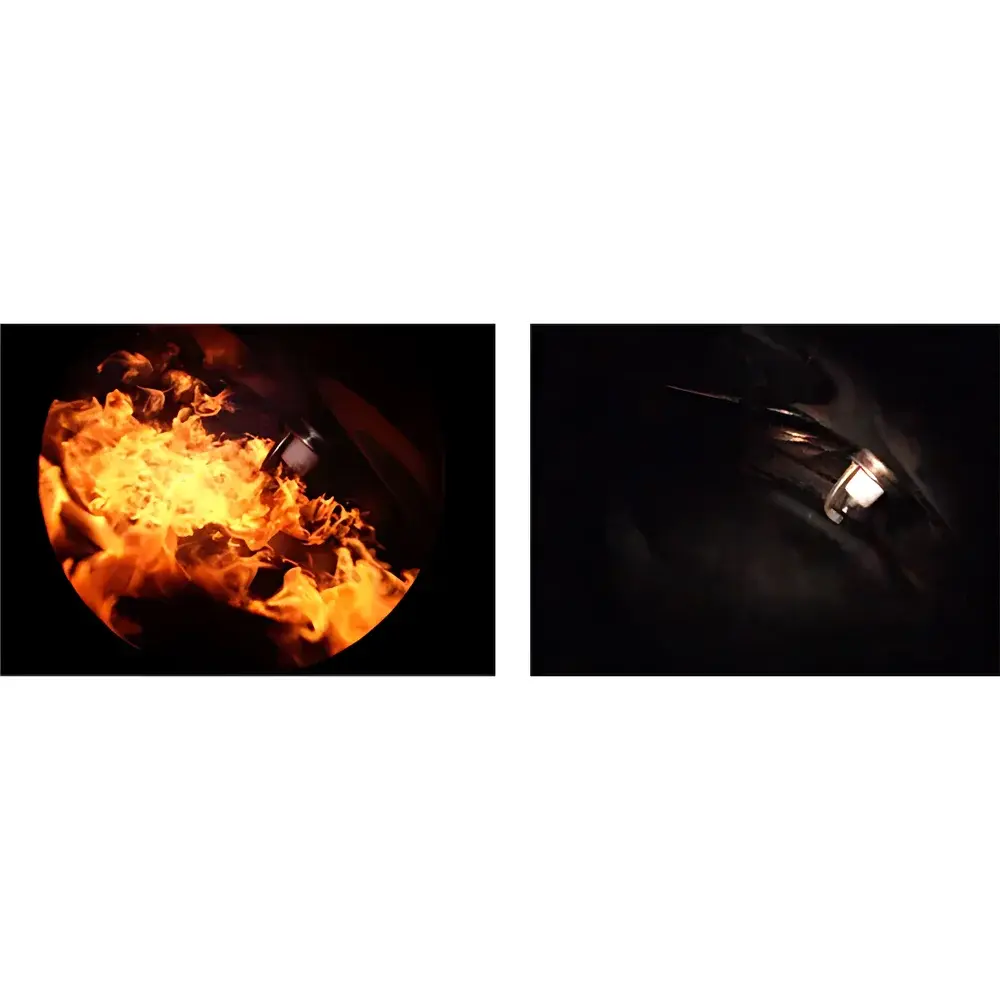
The LaVision EngineMaster inspex is a turnkey endoscopic imaging system engineered for quantitative, crank-angle-resolved visualization of in-cylinder processes in internal combustion (IC) engines. It operates on the principle of line-of-sight optical access via rigid or semi-rigid imaging endoscopes inserted directly into the combustion chamber—enabling non-intrusive, high-temporal-resolution observation of fuel spray dynamics, flame initiation, propagation, extinction, wall impingement, and soot formation. Unlike conventional external optical setups requiring transparent liners or quartz windows, EngineMaster inspex delivers spatially resolved data from production-relevant metal engine geometries without compromising mechanical integrity or thermal boundary conditions. The system integrates synchronized high-speed digital color imaging with calibrated illumination, engine sealing interfaces, and real-time crank-angle triggering to correlate optical events precisely with thermodynamic cycle phases—supporting fundamental research into combustion efficiency, knock mitigation, and particulate matter formation mechanisms.
Key Features
- Endoscope-integrated high-resolution color CMOS camera with adjustable frame rates up to 50,000 fps (configurable per application)
- Dedicated endoscopic illumination modules: pulsed LED-based spray backlighting and structured background contour lighting for enhanced contrast in dense spray regions
- Engine-adapted sealing inserts with thermal and pressure compensation (rated to 200 bar peak pressure and 300 °C cylinder head temperature)
- Hardware-level crank-angle synchronization via encoder interface (TTL/HTL compatible), enabling sub-degree CA resolution in image time-stamping
- Modular optical path design supporting interchangeable endoscope working lengths (200–600 mm), field-of-view adapters, and anti-fouling sapphire window options
- Built-in trigger logic for multi-camera or multi-sensor coordination (e.g., simultaneous pressure transducer + chemiluminescence + endoscopic imaging)
Sample Compatibility & Compliance
EngineMaster inspex is validated for use with spark-ignition (SI), compression-ignition (CI), and homogeneous charge compression ignition (HCCI) engines—including gasoline direct injection (GDI), diesel, and alternative fuel platforms (e.g., methanol, hydrogen blends). Its mechanical interface complies with DIN 75200 and SAE J2998 standards for optical access port dimensions and sealing. All optical components meet ISO 10110 surface quality specifications, and illumination stability is certified per IEC 61000-4-3 for electromagnetic compatibility in test cell environments. Data acquisition workflows support audit-ready metadata logging aligned with GLP and preclinical R&D documentation requirements; raw image sequences retain embedded timing stamps, engine speed, and load signals traceable to NIST-traceable encoders.
Software & Data Management
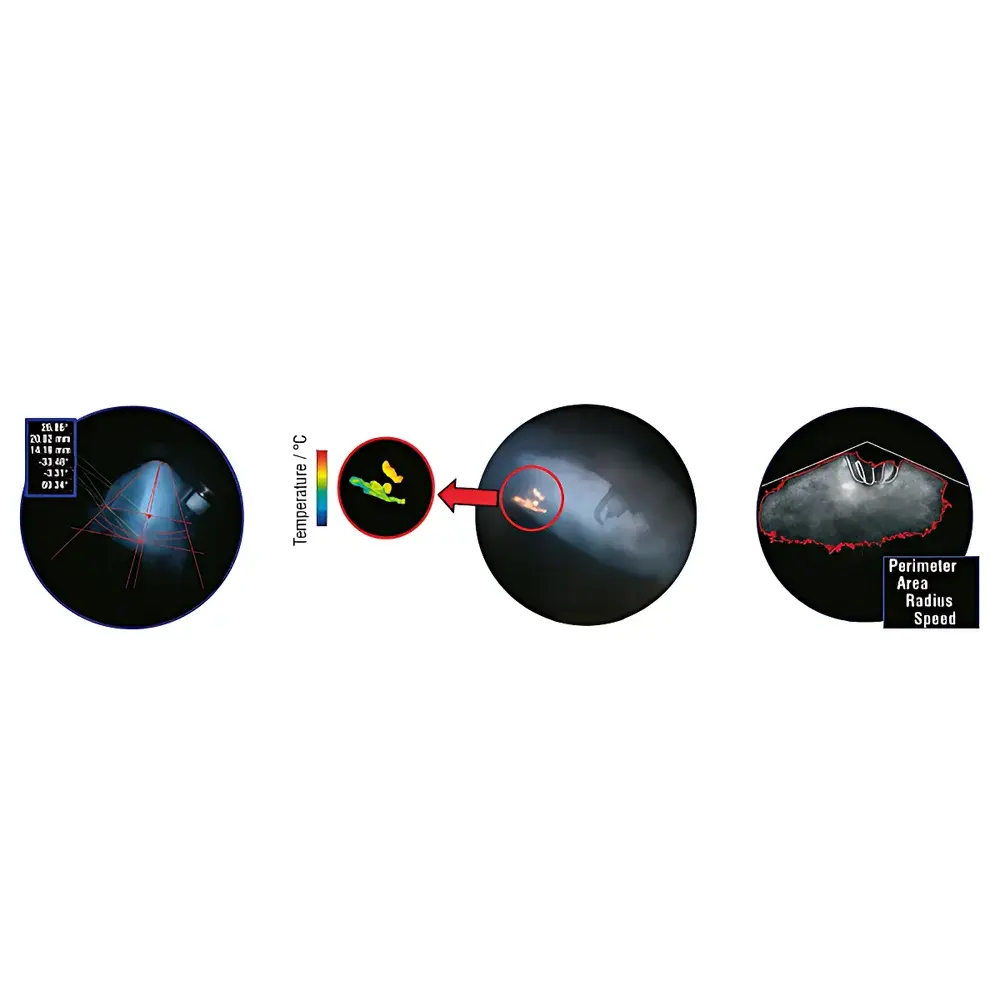
The system is fully integrated with LaVision’s DaVis 10.x software platform—a modular, scriptable environment for scientific image processing and quantitative analysis. DaVis provides validated algorithms for spray edge detection (ISO 12156-1 compliant), two-color soot pyrometry (yielding KL-factor and local soot temperature maps), flame front tracking via level-set segmentation, and time-resolved luminosity gradient analysis. All processing pipelines generate FAIR-compliant outputs (Findable, Accessible, Interoperable, Reusable), including HDF5-formatted datasets with embedded calibration metadata, DICOM-compatible header structures for cross-platform interoperability, and export-ready CSV/JSON reports for statistical post-processing. Software validation documentation supports FDA 21 CFR Part 11 compliance when deployed in regulated development settings (e.g., OEM powertrain certification labs).
Applications
- Quantification of spray penetration length, cone angle, and breakup onset under transient engine conditions
- Analysis of flame kernel development, laminar-to-turbulent transition, and local extinction events correlated with in-cylinder pressure traces
- In-situ soot volume fraction mapping and temperature profiling during diffusion-controlled combustion phases
- Wall wetting assessment via time-resolved liquid film detection at piston crown and cylinder liner surfaces
- Diagnostic correlation of pre-ignition events (e.g., low-speed pre-ignition—LSPI) with local hot-spot formation and oil-derived deposit morphology
- Validation of CFD combustion models (e.g., KIVA, CONVERGE, STAR-CD) using spatially and temporally resolved experimental benchmarks
FAQ
What engine types are supported by EngineMaster inspex?
It supports reciprocating IC engines with standard M12×1.5 or M14×1.5 optical port threads, including turbocharged GDI, PFI, dual-fuel, and heavy-duty diesel configurations.
Can the system operate under full-load, high-EGR conditions?
Yes—the endoscope housing and sealing inserts are rated for continuous operation at up to 200 bar peak pressure and exhaust gas recirculation ratios exceeding 40% without optical degradation.
Is DaVis software included with the base system?
Yes—DaVis 10.x is supplied with full license for image acquisition, synchronization, and core analysis modules; advanced packages (e.g., tomographic reconstruction, machine learning-assisted segmentation) are available as optional upgrades.
How is calibration traceability maintained across experiments?
Each system includes factory-certified calibration kits for intensity uniformity, spatial scale (via precision reticles), and color response; user-performed calibrations are logged with digital signatures and timestamped metadata.
Does LaVision provide application engineering support for method development?
Yes—dedicated combustion diagnostics engineers assist with experimental design, ROI definition, illumination optimization, and uncertainty quantification per ISO/IEC 17025 guidelines.



