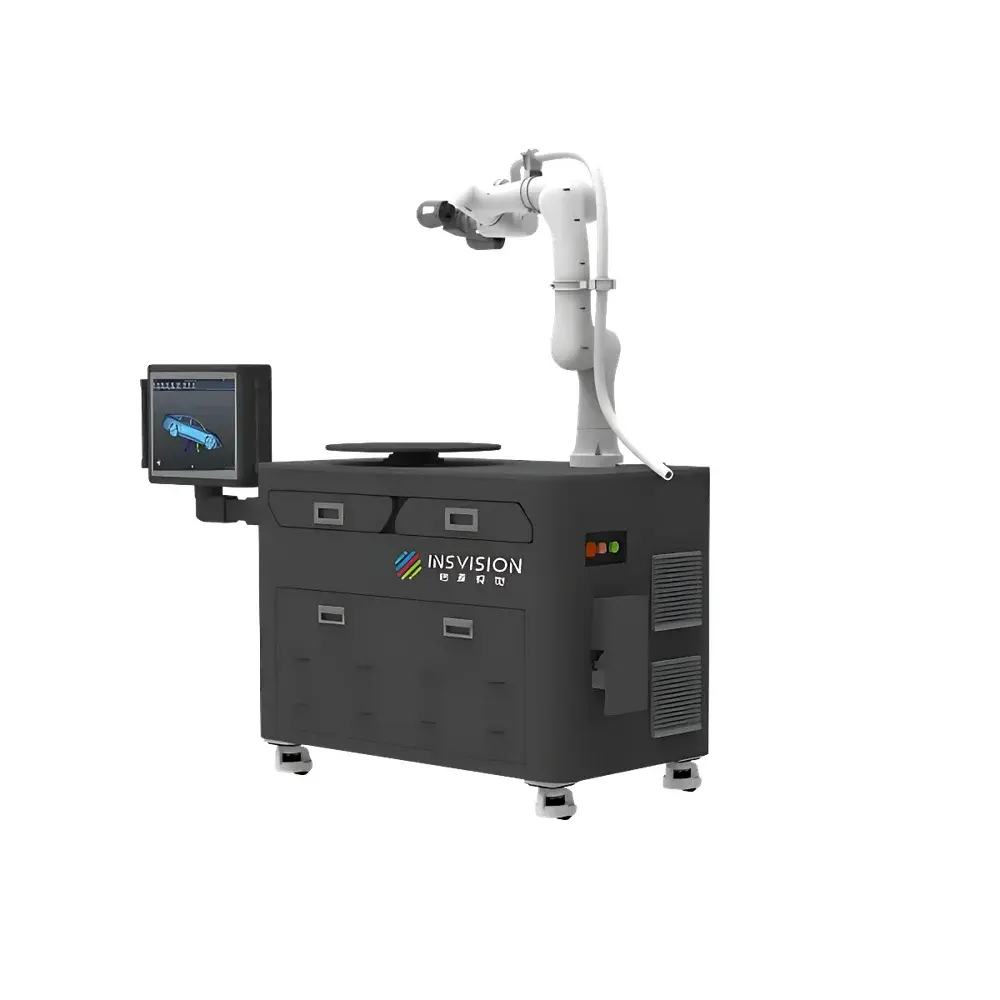
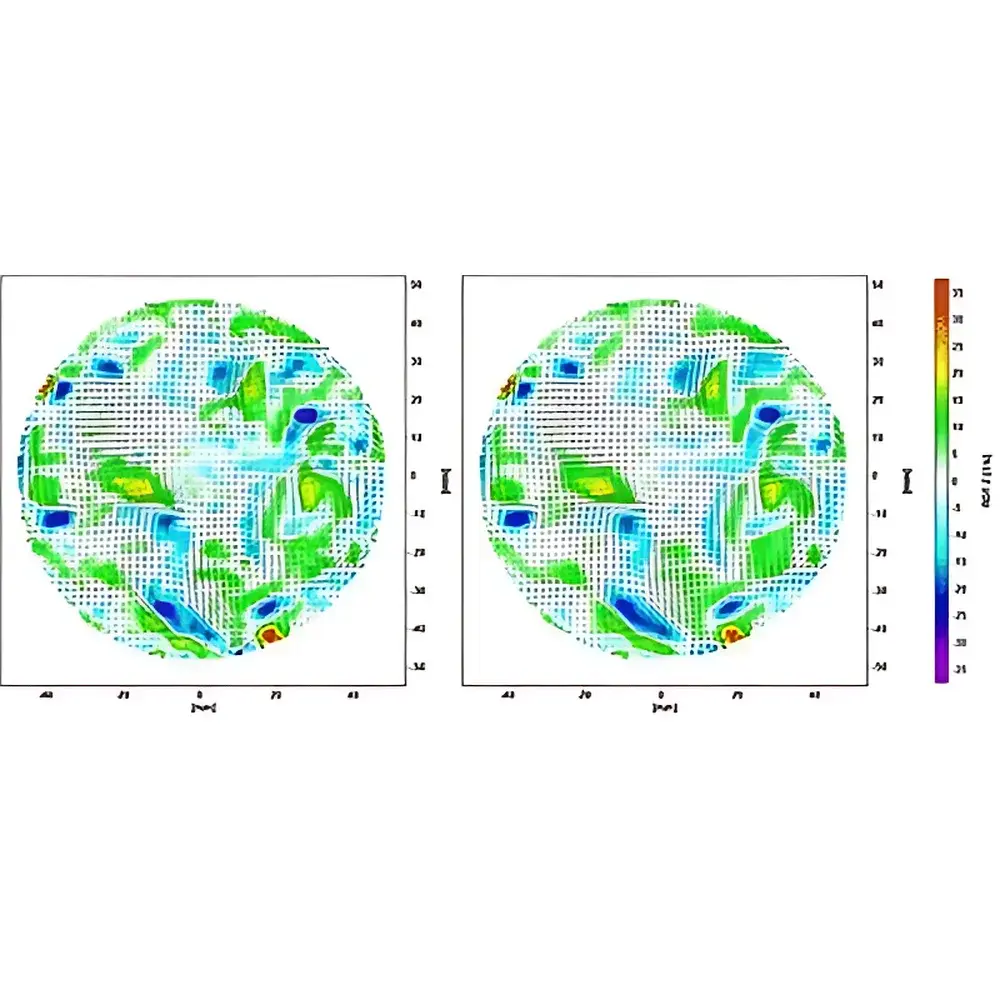
LaVision FlowMaster®-TR Time-Resolved Particle Image Velocimetry System
| Brand | LaVision GmbH |
|---|---|
| Origin | Germany |
| Manufacturer Type | Authorized Distributor |
| Origin Category | Imported |
| Model | FlowMaster®-TR |
| Measurement Domain | 2D & 3D Planar |
| Frame Rate | >100 Hz (up to 100 kHz at reduced resolution) |
| Velocity Range | 0–8000 m/s |
| Accuracy | ±1% of measured velocity |
| Measurement Area | 400 × 400 mm |
| Camera Resolution | 1024 × 1024 pixels @ 5 kHz |
| Laser | High-Repetition Solid-State, Dual-Cavity, up to 50 mJ/pulse |
| Software Control | Fully integrated with DaVis® v10+ |
Overview
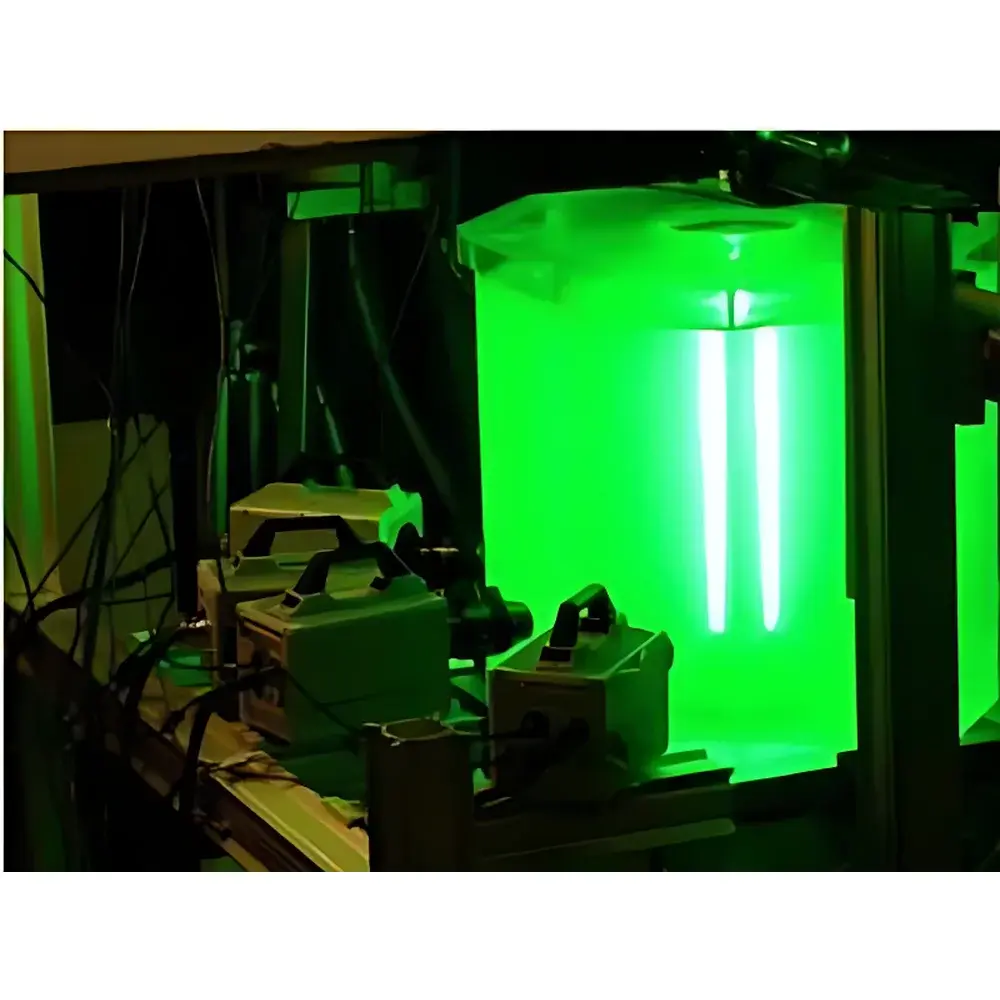
The LaVision FlowMaster®-TR Time-Resolved Particle Image Velocimetry (TR-PIV) System is a high-fidelity, full-field optical diagnostic platform engineered for quantitative analysis of unsteady and turbulent fluid flows. Based on the principle of double-pulse laser illumination and cross-correlation of seeded particle images captured by synchronized high-speed cameras, TR-PIV delivers temporally resolved velocity vector fields across planar measurement domains. Unlike conventional ensemble-averaged PIV, the FlowMaster®-TR acquires consecutive image pairs at rates exceeding 100 Hz—up to 100 kHz under subsampled configurations—enabling direct observation of transient flow phenomena including vortex shedding, boundary layer transition, shock-turbulence interaction, and rapid acceleration/deceleration events. The system’s architecture supports both two-dimensional (2D) and stereoscopic three-dimensional (3D) implementations, with native compatibility for tomographic PIV (Tomo-PIV) and volumetric reconstruction when extended with multi-camera configurations.
Key Features
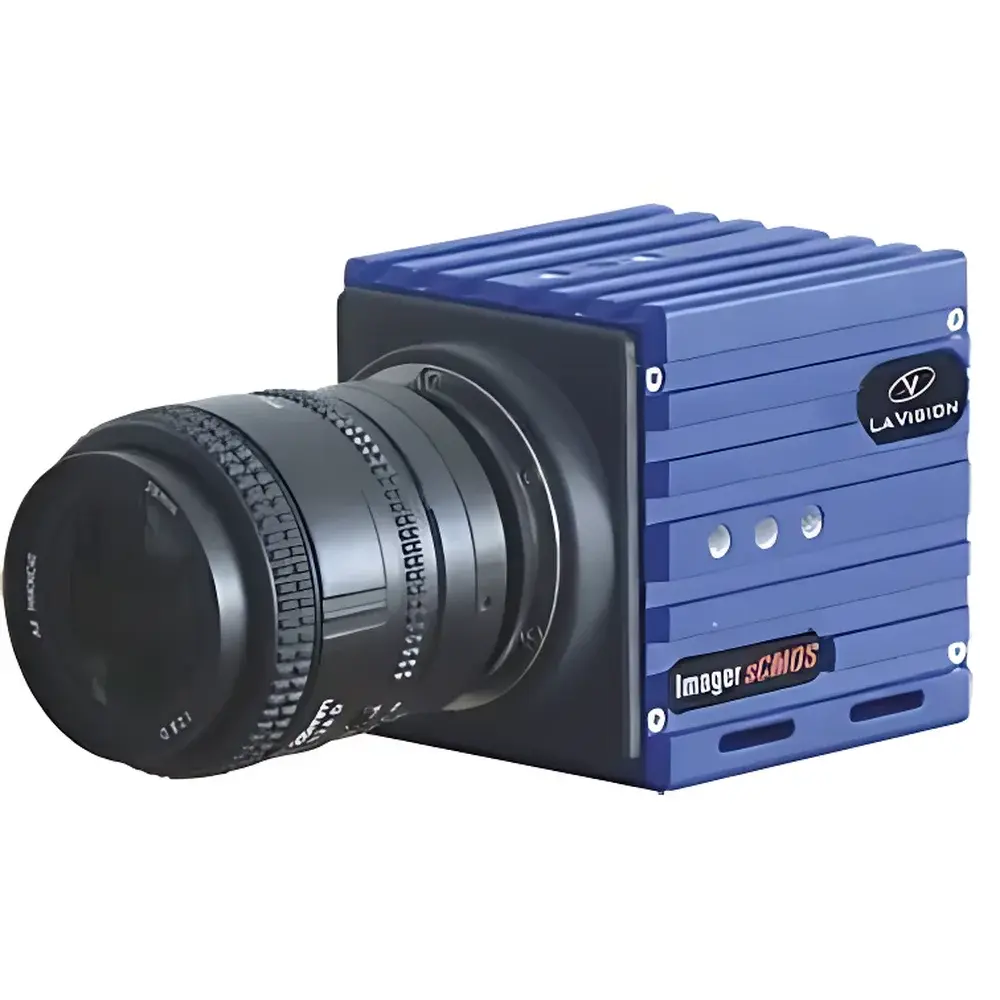
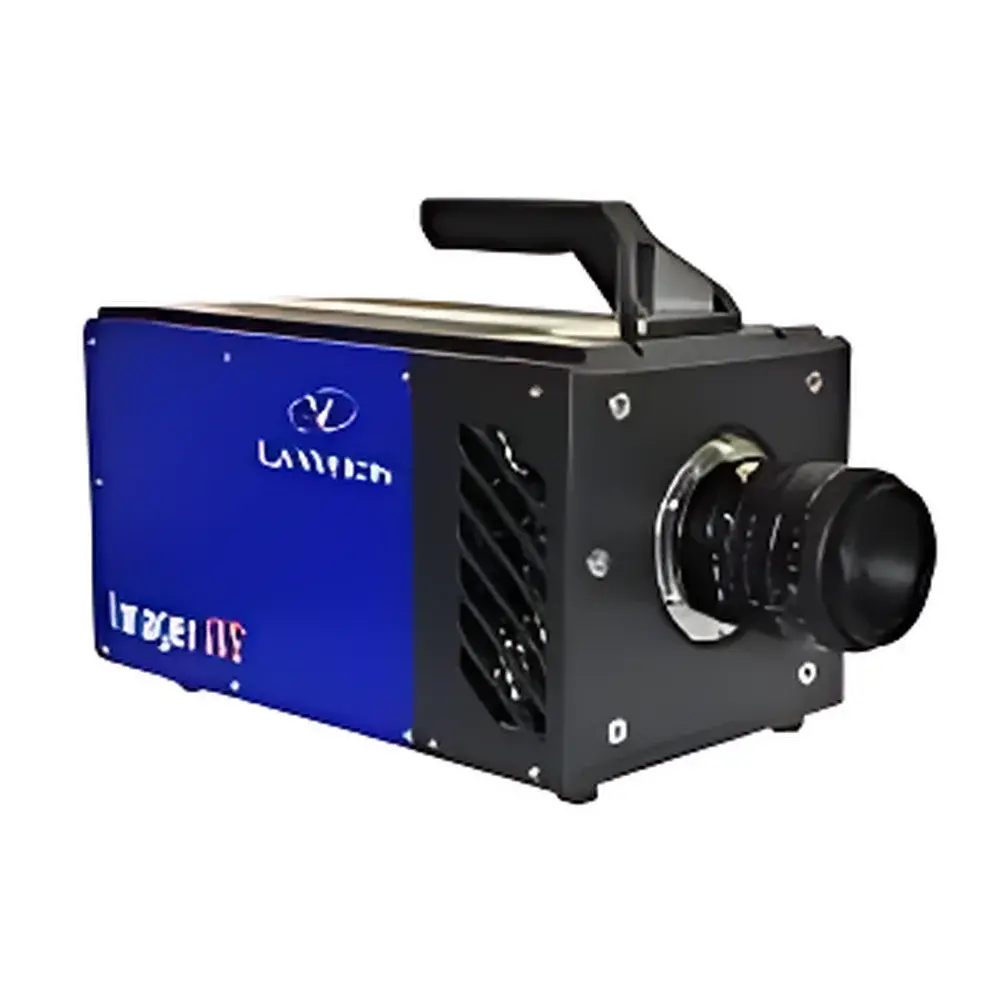
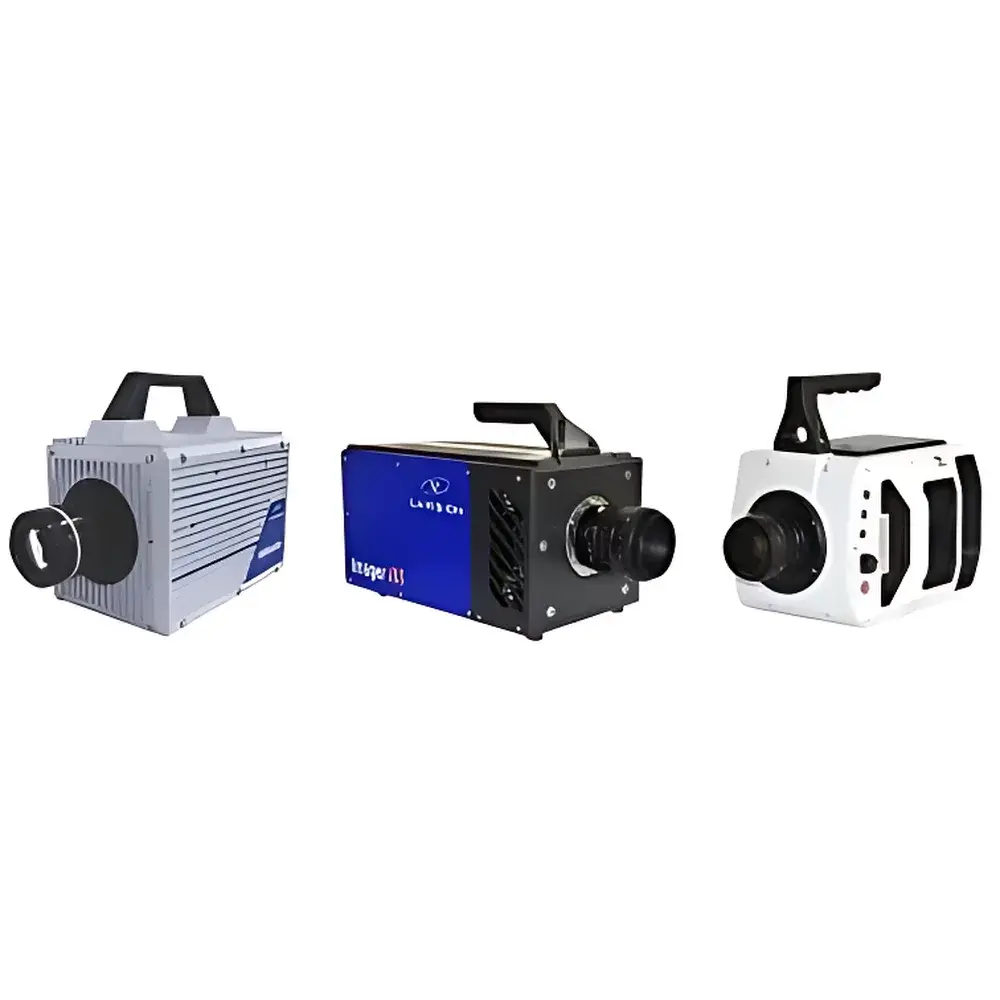
- High-temporal-resolution imaging: Synchronized dual-head or quad-head high-speed CMOS cameras, capable of 5 kHz at full 1024 × 1024 resolution and scalable to 100 kHz via region-of-interest (ROI) cropping or binning.
- High-energy dual-cavity solid-state laser: Repetition rate up to 10 kHz, pulse energy up to 50 mJ per cavity, with precise inter-pulse timing control (Δt adjustable from 100 ns to 10 ms) for optimal particle displacement and signal-to-noise ratio.
- Full hardware integration via DaVis® software: Unified control of lasers, cameras, synchronization units (e.g., LaVision Timing Unit), and optional components such as traversing stages or pressure/temperature sensors.
- Advanced post-processing modules: Native support for time-resolved turbulence statistics (rms, skewness, flatness), proper orthogonal decomposition (POD), dynamic mode decomposition (DMD), spectral analysis (FFT-based energy spectra), Lagrangian coherent structures (LCS), and acceleration field computation via temporal differentiation of velocity fields.
- Robust calibration framework: Self-calibrating multi-plane calibration targets and automated stereo rectification ensure sub-pixel spatial accuracy across the full 400 × 400 mm field of view, traceable to ISO 5725 and VDI/VDE 2634 Part 2 standards.
Sample Compatibility & Compliance
The FlowMaster®-TR accommodates a broad range of fluid media—including air, water, combustion gases, and cryogenic liquids—provided appropriate seeding (e.g., TiO₂, SiO₂, or oil droplets sized 0.5–2 µm) and optical access are available. Its non-intrusive optical design complies with ISO/IEC 17025 requirements for measurement uncertainty quantification in accredited laboratories. All DaVis® data processing workflows support audit-trail logging, electronic signatures, and export formats compliant with ASTM E2917-22 (Standard Practice for Validation of Measurement Systems) and FDA 21 CFR Part 11 for regulated environments. System validation reports—including MSA (Measurement Systems Analysis) and GUM-compliant uncertainty budgets—are generated directly within DaVis® for GLP/GMP documentation.
Software & Data Management
DaVis® v10.3+ serves as the central operating environment, offering real-time acquisition, online correlation, and offline advanced analysis in a single GUI. The software implements parallelized FFT-based cross-correlation algorithms optimized for GPU acceleration, enabling near-real-time velocity field reconstruction during acquisition. Raw image sequences, processed vector fields, and metadata (including timing logs, laser energy traces, and environmental sensor inputs) are stored in HDF5 format—ensuring long-term readability, compression efficiency, and interoperability with MATLAB, Python (via h5py), and ParaView. Version-controlled project files include full provenance tracking: acquisition parameters, calibration history, processing scripts, and user annotations—essential for reproducibility and regulatory review.
Applications
- Aerodynamics: Unsteady wake dynamics behind bluff bodies, rotorcraft blade-vortex interaction, and transonic buffet onset detection.
- Combustion research: Flame-front propagation, turbulent premixed flame wrinkling, and exhaust jet mixing in afterburners.
- Biomedical fluid mechanics: Pulsatile blood flow in anatomically accurate phantoms, intraventricular flow patterns, and ventilator-induced lung injury studies.
- Energy systems: Cavitation inception and collapse in hydraulic turbines, swirling flow instability in gas turbine combustors, and thermal plume development in nuclear reactor mock-ups.
- Acoustics-fluid interaction: Aeroacoustic source localization via pressure-velocity cross-spectral analysis coupled with microphone arrays.
FAQ
What is the minimum inter-frame time interval supported by the FlowMaster®-TR system?
The system supports inter-pulse delays as short as 100 ns using the high-repetition solid-state laser, enabling velocity measurements in supersonic and detonation regimes.
Can the system be upgraded from 2D to stereoscopic 3D PIV?
Yes—stereo-PIV capability is enabled by adding a second calibrated camera head, mirror assembly, and stereo calibration procedure; all firmware and DaVis® modules are included in the base license.
Is DaVis® software validated for use in FDA-regulated research?
DaVis® v10.2+ includes 21 CFR Part 11 compliance features: role-based access control, electronic signatures, immutable audit trails, and validation documentation packages available upon request.
How is measurement uncertainty quantified in TR-PIV datasets?
Uncertainty estimation follows the ISO/IEC Guide 98-3 (GUM) framework, incorporating pixel locking error, particle image deformation, peak-locking bias, and temporal jitter—automatically reported per vector in DaVis®.
Does the system support synchronization with external equipment such as pressure transducers or hot-wire anemometers?
Yes—the LaVision Timing Unit provides TTL-triggered synchronization with sub-microsecond jitter, supporting hybrid measurement campaigns with analog/digital I/O channels for concurrent acquisition.