
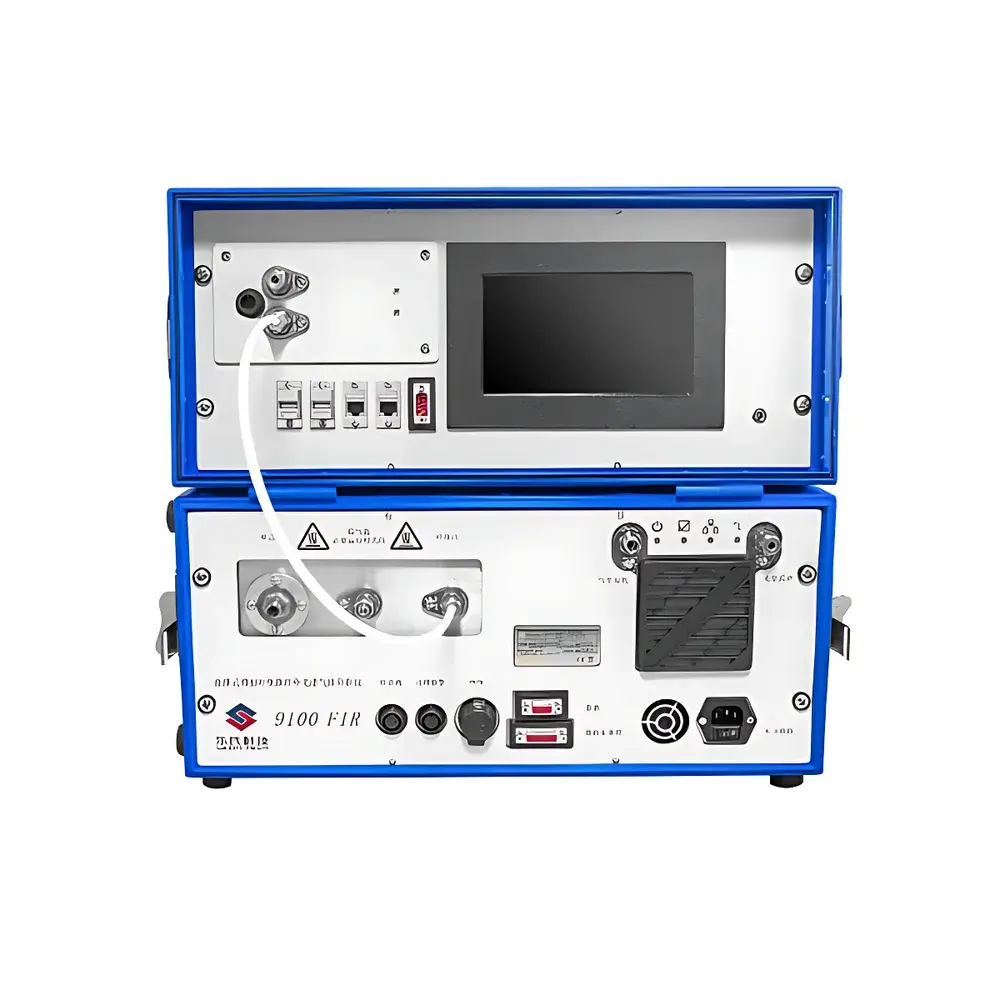
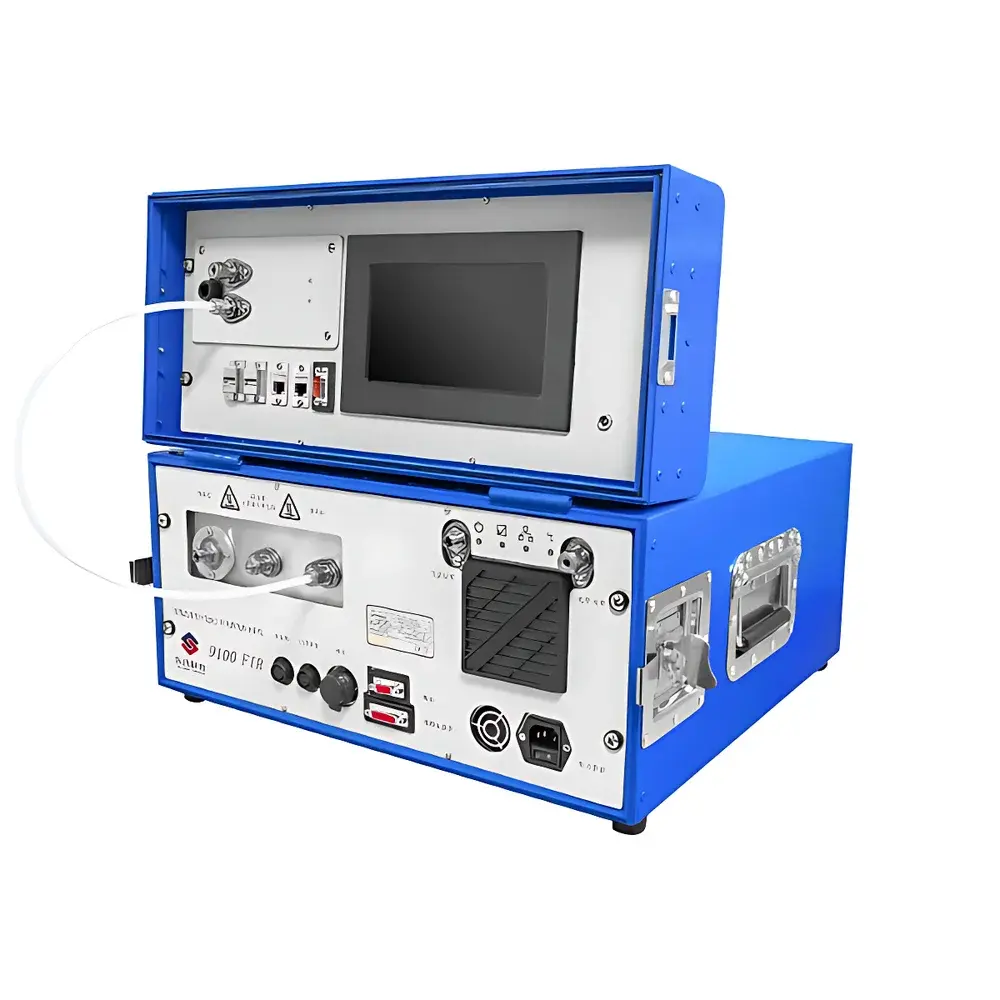
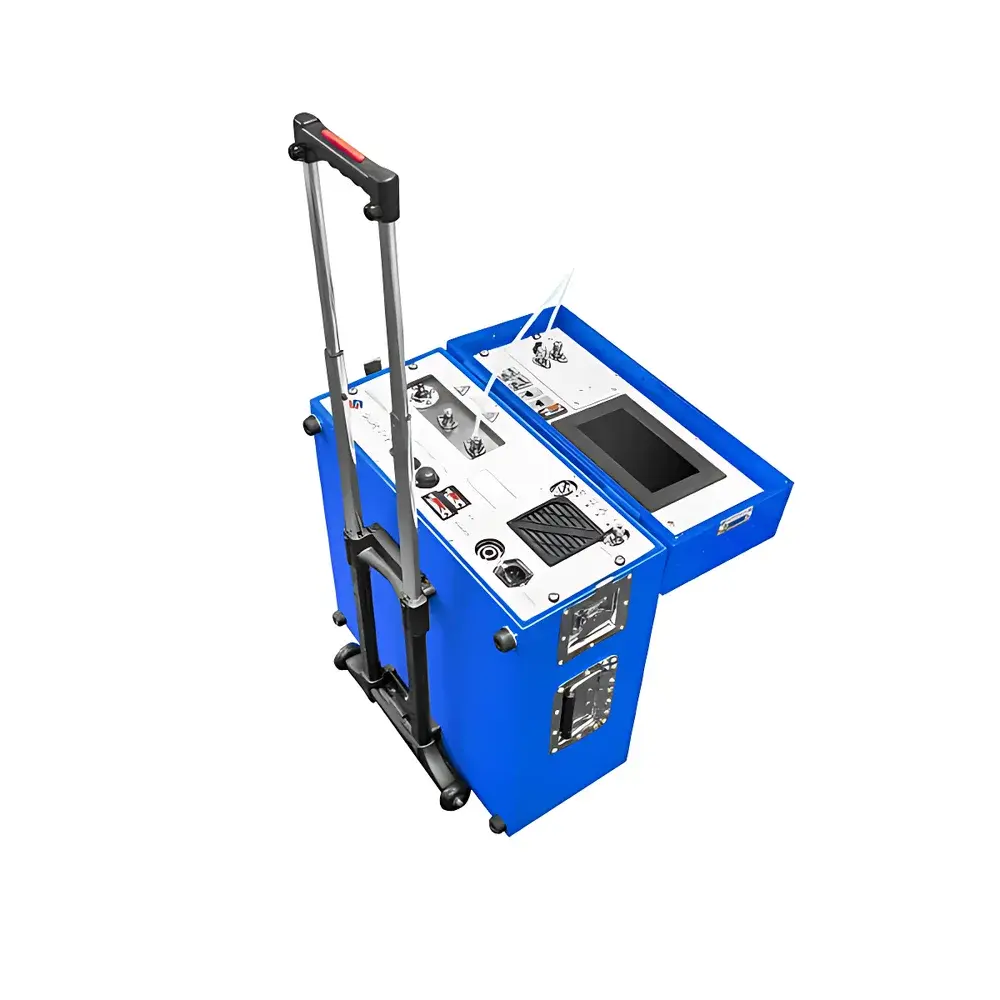
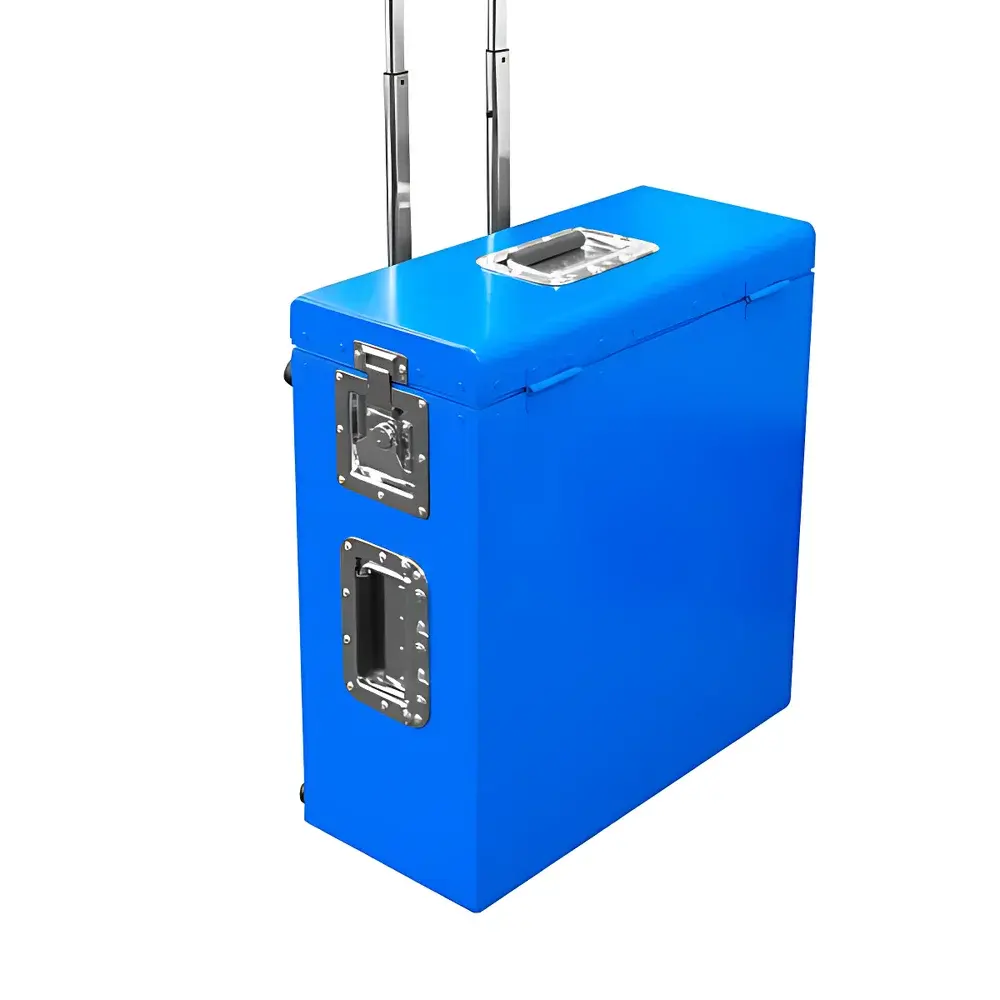
LESHI 9100FIR High-Precision Environmental Air ODS Gas Analyzer
| Brand | Leshi |
|---|---|
| Origin | Beijing, China |
| Manufacturer Type | Authorized Distributor |
| Product Origin | Domestic (China) |
| Model | 9100FIR ODS |
| Technology Principle | Fourier Transform Infrared Spectroscopy (FTIR) |
| Detection Principle | DTGS Detector |
| Accuracy | ±2% |
| Target Gases | ≥51 regulated ODS compounds |
| Response Time | ≤90 s |
| Repeatability | 2% |
| Compliance Standard | HJ 1240–2021 |
Overview
The LESHI 9100FIR High-Precision Environmental Air ODS Gas Analyzer is a field-deployable, laboratory-grade Fourier Transform Infrared (FTIR) spectrometer engineered for the regulatory-grade detection and quantification of ozone-depleting substances (ODS) in ambient air and stack emissions. Operating on the physical principle of interferometric infrared absorption spectroscopy, the instrument measures molecular vibrational signatures across the mid-infrared region (typically 600–4000 cm⁻¹), enabling unambiguous identification and simultaneous quantification of structurally diverse ODS—including chlorofluorocarbons (CFCs), hydrochlorofluorocarbons (HCFCs), halons, carbon tetrachloride (CCl₄), methyl bromide (CH₃Br), and 1,1,1-trichloroethane—based on their unique spectral fingerprints. Its optical architecture integrates a high-stability Michelson interferometer, a thermoelectrically cooled deuterated triglycine sulfate (DTGS) detector, and a precisely temperature-controlled gas cell with optimized pathlength (typically 1–10 m, configurable), ensuring robust signal-to-noise ratio and long-term spectral fidelity. Designed to meet the technical requirements of international ODS phase-out verification frameworks—including the Montreal Protocol’s Article 5 reporting obligations—the 9100FIR serves as a critical “micro-confirmation” node within integrated monitoring systems, bridging macro-scale remote sensing alerts with trace-level, legally defensible concentration data.
Key Features
- High-fidelity FTIR core: Dual-beam Michelson interferometer with <1 cm⁻¹ unapodized resolution, enabling baseline-resolved spectral discrimination among co-eluting ODS species.
- ODS-optimized spectral library: Pre-loaded, experimentally validated reference spectra for ≥51 Annex A–E substances under the Montreal Protocol, including isomer-specific entries (e.g., HCFC-22 vs. HCFC-141b).
- Field-ruggedized platform: IP54-rated enclosure, integrated rechargeable Li-ion battery (≥4 h continuous operation), and cold-start capability from –10°C to +45°C ambient conditions.
- Automated gas handling: Integrated dual-stage sampling pump, heated sample line (60°C), particulate filter, and moisture trap; programmable flow control (0.5–2.0 L/min) with real-time pressure/temperature compensation.
- Regulatory-grade data integrity: Onboard audit trail logging, user-access level management (operator/administrator), and timestamped raw interferogram storage compliant with GLP documentation practices.
Sample Compatibility & Compliance
The 9100FIR is validated for direct analysis of undiluted ambient air, ducted exhaust streams, and headspace samples from sealed containers or equipment manifolds. It complies with Chinese national standard HJ 1240–2021 (“Determination of Gaseous Pollutants in Exhaust Gas from Stationary Sources Using Portable FTIR Spectrometry”) for SO₂, NO, NO₂, CO, and CO₂—providing cross-method credibility for multi-pollutant ODS screening. While not certified to ISO 17025 as a standalone testing laboratory, its measurement uncertainty budget (±2% at ≥1 ppmv) aligns with EPA Method TO-16 performance criteria for target compound quantification. The system supports method validation per ISO/IEC 17025:2017 Clause 7.2.2 when operated within a certified QA/QC framework, including daily zero/span verification, multi-point calibration curve linearity assessment (R² ≥ 0.999), and ongoing reference material checks using NIST-traceable ODS gas standards.
Software & Data Management
Controlled via the proprietary ODS-Analyzer Suite v3.x, the instrument features a 10.1-inch capacitive touchscreen interface with intuitive workflow navigation. Quantitative analysis employs classical least-squares (CLS) fitting against the embedded spectral library, with optional partial least-squares (PLS) modeling for complex matrix interference correction. All raw interferograms, processed spectra, calibration reports, and QC logs are stored in vendor-neutral HDF5 format. Export options include CSV (concentration/time series), PDF analytical reports (with embedded spectral overlays), and XML metadata compliant with ASTM E2500-18 for electronic record retention. Audit trails record operator ID, method version, calibration history, and any parameter modification—supporting FDA 21 CFR Part 11 readiness when deployed in regulated GMP environments.
Applications
- Environmental Regulatory Monitoring: Ambient background ODS mapping, point-source emission verification at refrigerant reclamation facilities, and emergency response to suspected illegal ODS releases.
- Industrial Process Control: Real-time leak detection in CFC/HCFC production lines, post-maintenance verification of refrigeration system integrity, and compliance auditing of halon fire suppression systems prior to decommissioning.
- Agricultural & Fumigation Oversight: Residual methyl bromide quantification in post-fumigation grain silos and soil vapor monitoring during quarantine treatments.
- Customs & Border Inspection: Non-destructive screening of imported chillers, foam insulation panels, and solvent shipments for undeclared ODS content per China’s ODS Import/Export Licensing Regulations (MEP Order No. 49).
- Research & Method Development: Supporting atmospheric chemistry studies through high-temporal-resolution ODS speciation in urban plumes and regional transport modeling validation.
FAQ
What ODS compounds does the 9100FIR detect out-of-the-box?
The factory-installed spectral library covers all 51+ substances listed in Annexes A–E of the Montreal Protocol, including CFC-11, CFC-12, HCFC-22, Halon-1211, CCl₄, CH₃Br, and CH₃CCl₃—with quantitative calibration verified for each.
Can the instrument operate without external power?
Yes. It includes an internal 96 Wh Li-ion battery supporting ≥4 hours of continuous analysis at 1 L/min flow rate, with hot-swap capability for extended field deployments.
Is third-party calibration support available?
LESHI provides annual recalibration services traceable to NIM (National Institute of Metrology, China) standards, including full interferometer alignment, detector responsivity verification, and spectral library update.
How is data integrity ensured during regulatory audits?
All measurements generate immutable digital records: raw interferograms, calibration certificates, operator logs, and environmental metadata—all time-stamped and cryptographically hashed per internal firmware protocol.
Does the system require consumables beyond filters and calibration gases?
No. The DTGS detector is solid-state and maintenance-free; the interferometer uses frictionless flexure bearings with >10-year design life. Only particulate filters and desiccant cartridges require periodic replacement (every 200–500 hours).
Related Products







