
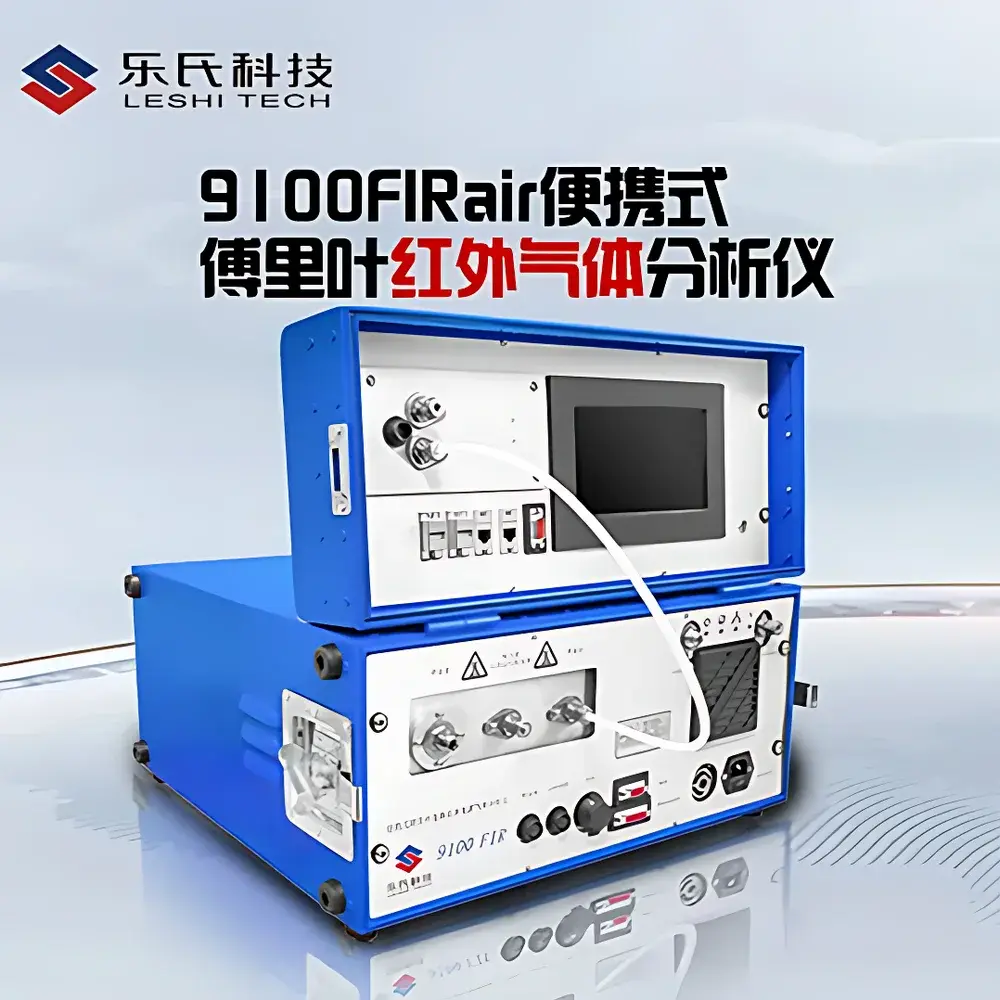
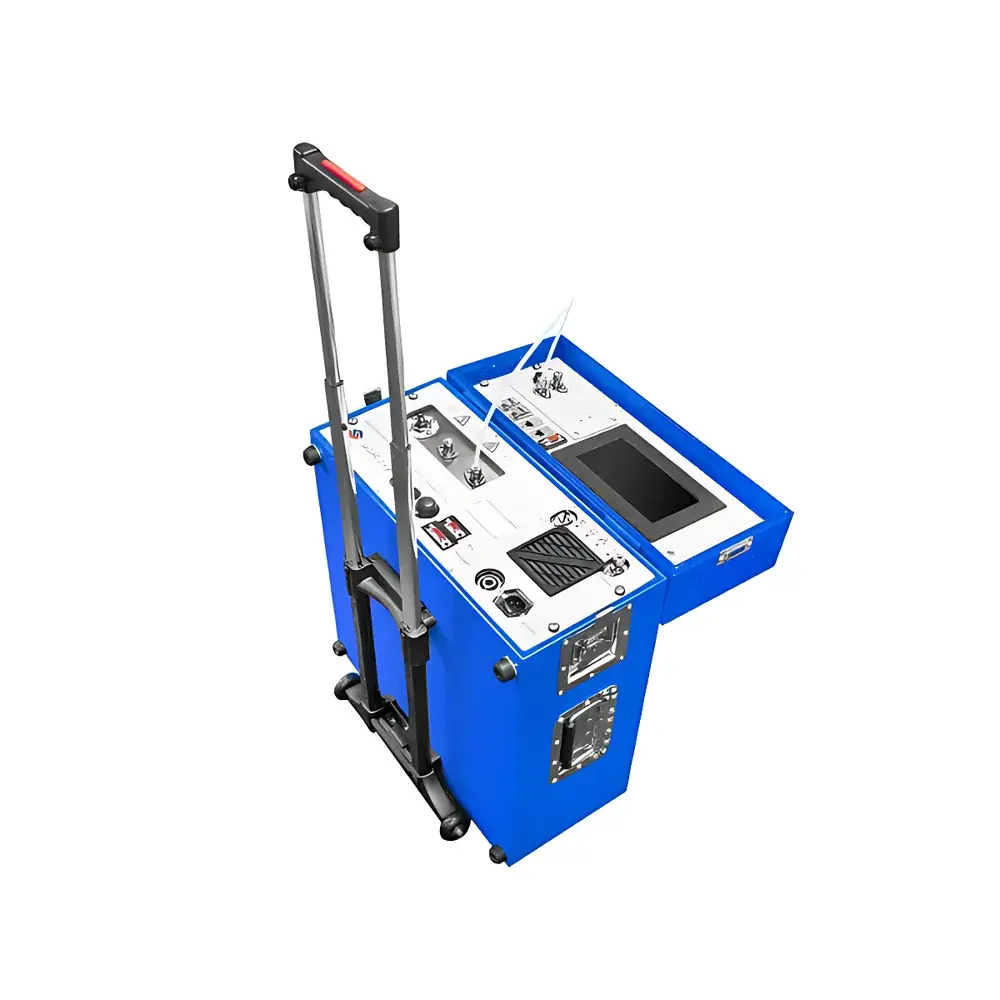
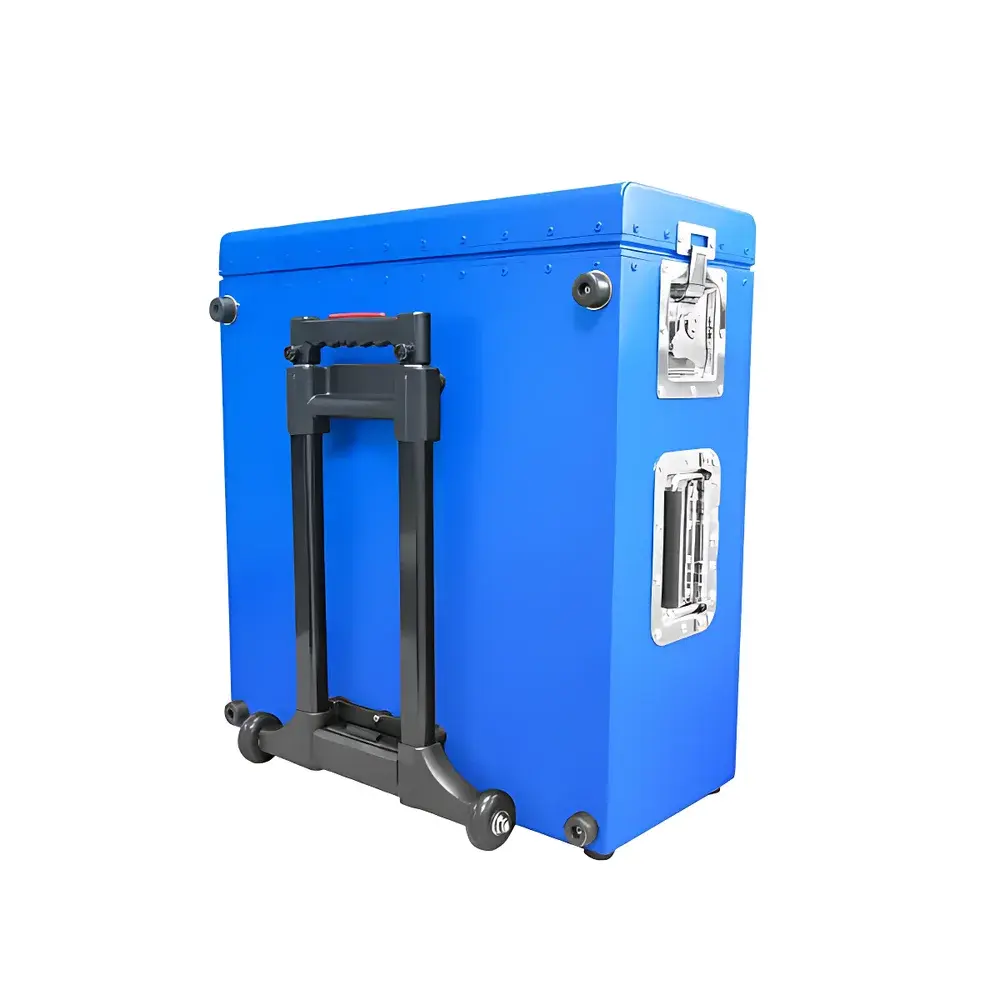
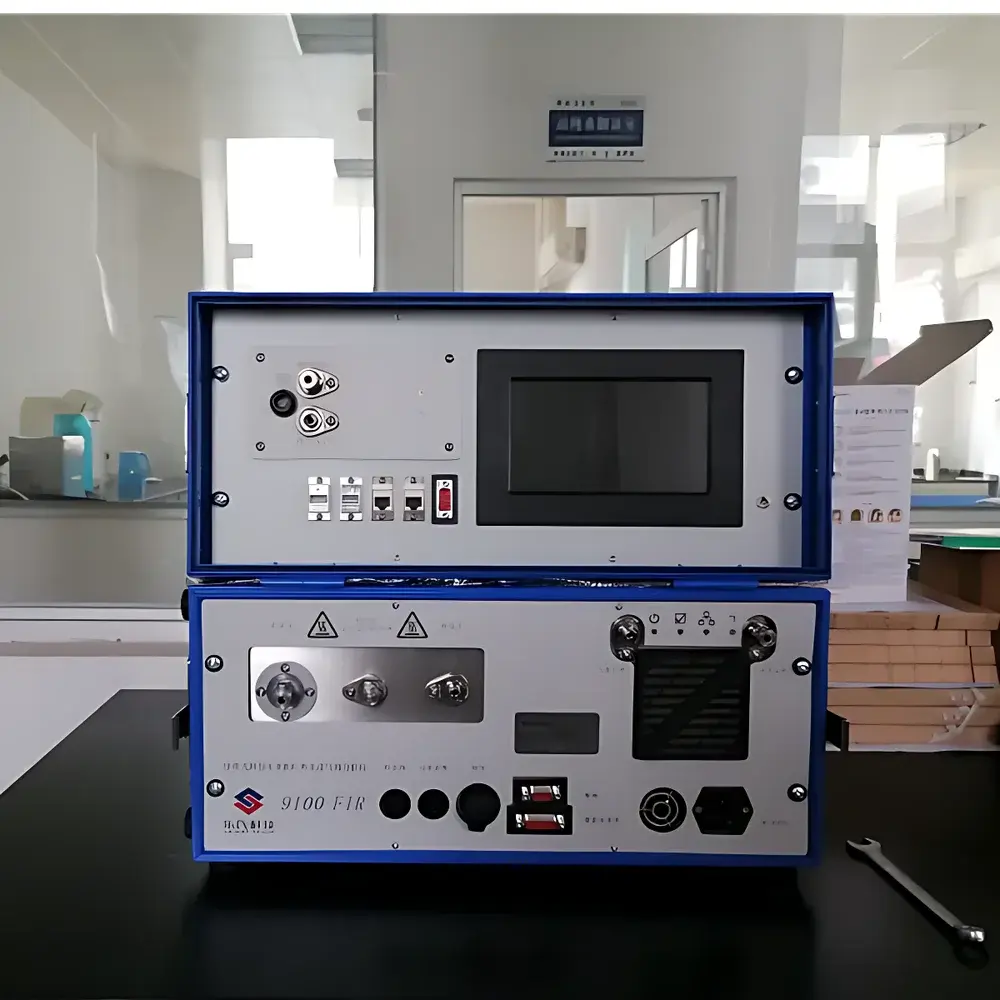
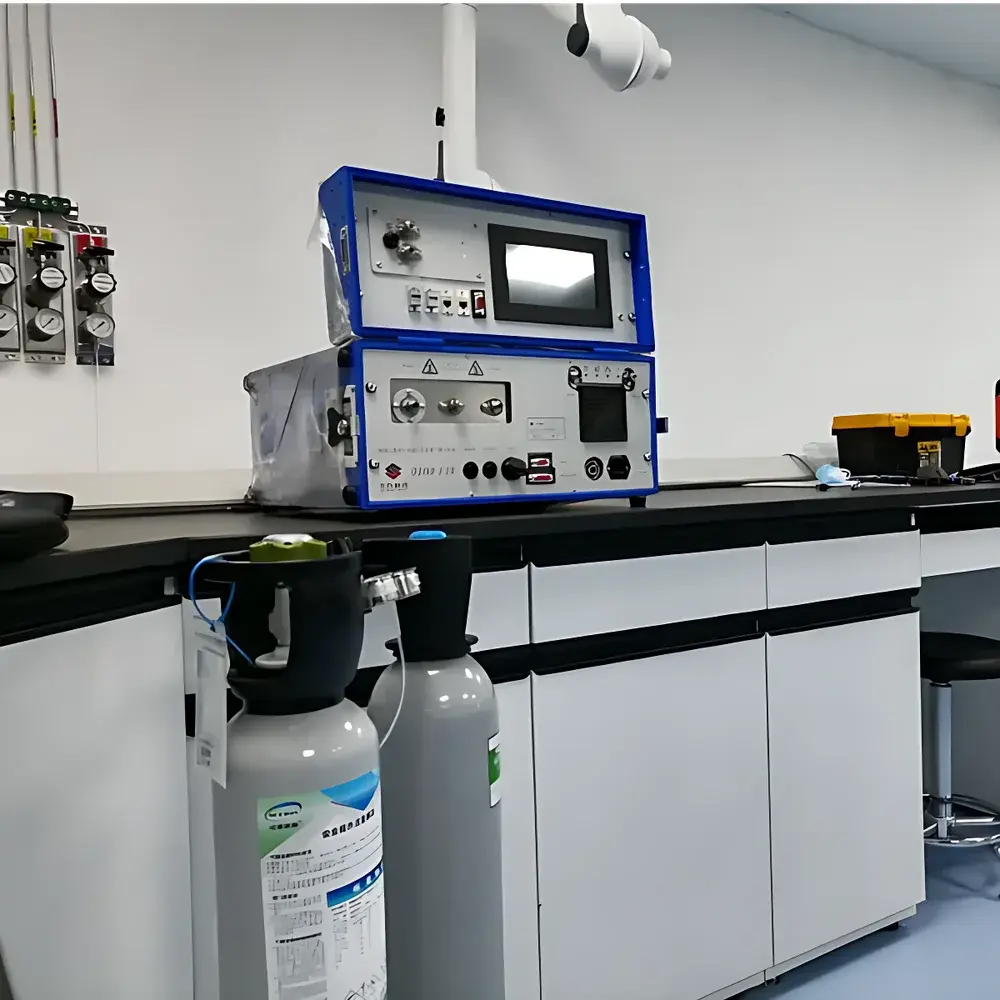
LESHI 9100FIR-air Portable FTIR Gas Analyzer for High-Precision Greenhouse Gas Emissions Monitoring
| Brand | Leshi |
|---|---|
| Origin | Beijing, China |
| Manufacturer Type | Authorized Distributor |
| Country of Origin | China |
| Model | 9100FIR-air |
| Price | USD 165,000 (FOB Beijing) |
| Measurement Principle | Fourier Transform Infrared (FTIR) Spectroscopy |
| Application Domain | Environmental Monitoring & Industrial Emissions Compliance |
| Accuracy | ±2% of reading |
| Repeatability | ±2% of full scale |
Overview
The LESHI 9100FIR-air is a field-deployable, high-fidelity Fourier Transform Infrared (FTIR) gas analyzer engineered for real-time, multi-component quantification of greenhouse gases and regulated air pollutants. Unlike single-gas electrochemical or NDIR sensors, the 9100FIR-air employs broadband mid-infrared spectral acquisition (4000–600 cm⁻¹) to simultaneously resolve and quantify gaseous species based on their unique vibrational absorption fingerprints. Its core architecture implements in-situ, hot-wet sampling—preserving sample integrity without condensation, dilution, or chemical conversion—enabling direct analysis of both organic volatile compounds (VOCs) and inorganic toxic gases (e.g., CO, NO, SO₂, NH₃, HCl, HF) under ambient or elevated-temperature conditions. Designed for regulatory-grade field use, the instrument meets the metrological rigor required for environmental compliance verification, emergency response, and industrial stack monitoring where trace-level sensitivity, cross-interference suppression, and spectral fidelity are non-negotiable.
Key Features
- Full-spectrum multi-gas capability: Capable of identifying and quantifying over 400 pre-validated compounds out-of-the-box; spectral library supports qualitative identification of >5,500 substances.
- Configurable spectral resolution: User-selectable resolution options (1 cm⁻¹ or 4 cm⁻¹), enabling trade-offs between analytical specificity and measurement speed—1 cm⁻¹ recommended for complex mixture analysis and regulatory reporting.
- Stable interferometric optics: Integrated vertical-cavity surface-emitting laser (VCSEL) reference source ensures long-term wavenumber accuracy with <0.001 cm⁻¹ drift over 10 years.
- Room-temperature DTGS detector: Eliminates cryogenic cooling requirements while maintaining wide dynamic range (10⁴), linear response, and robustness in mobile deployments.
- Integrated sample conditioning: Onboard particulate filtration, moisture management, and dual-path nitrogen purge system—external N₂ port for optical path cleaning and internal purge port for gas cell maintenance—ensuring sustained signal-to-noise ratio and optical throughput stability.
- Hybrid sensing extension: Optional integrated zirconia O₂ sensor and external H₂S electrochemical module enable seamless quantification of species outside the FTIR detection window, ensuring comprehensive emissions profiling.
- Embedded Linux-based control system: Touchscreen interface with onboard data logging, method storage, and real-time spectral visualization—no external PC required for routine operation.
Sample Compatibility & Compliance
The 9100FIR-air is validated for direct analysis of undiluted, humid, and particulate-laden gas streams up to 180 °C. It complies with Chinese national standards HJ 919–2017 (ambient VOCs), HJ 920–2017 (inorganic emergency monitoring), and HJ 1011–2018 (instrument performance specifications). While not certified to ISO 14064-3 or EPA Method 320, its FTIR methodology aligns with ASTM D6348–22 (standard test method for determination of gaseous compounds by FTIR) and supports GLP-compliant workflows through audit-trail-enabled software. Data output formats conform to ISO/IEC 17025 traceability requirements when used with calibrated reference gases and documented calibration protocols.
Software & Data Management
The proprietary ChemView™ analysis suite implements Partial Least Squares (PLS) regression models optimized for atmospheric and industrial gas matrices. All spectral acquisitions are time-stamped, geotagged (via optional GPS module), and stored in HDF5 format for reproducible reprocessing. Quantitative results are exportable as CSV or Excel-compatible XLSX files—including raw interferograms, absorbance spectra, and component concentration time-series. Offline re-analysis allows retrospective method updates, spectral library expansion, or interference correction without re-sampling. Software supports user-defined reporting templates aligned with local regulatory submission formats (e.g., China MEP Form A-3, EU IED Annex IV).
Applications
- Real-time ambient air quality assessment during environmental incident response (e.g., chemical spills, refinery leaks)
- Occupational exposure monitoring in petrochemical plants, wastewater treatment facilities, and confined-space entry operations
- Mobile greenhouse gas flux studies (CO₂, CH₄, N₂O) across landfill sites, agricultural zones, and urban corridors
- Stack emission testing for compliance with China’s GB 16297–1996 and upcoming carbon emission monitoring regulations
- VOC speciation in water headspace analysis (e.g., groundwater plume characterization, soil vapor intrusion screening)
- Pre-compliance verification of abatement system efficiency (e.g., thermal oxidizers, carbon adsorption units)
FAQ
Does the 9100FIR-air require daily calibration?
No—calibration is performed using certified multi-component gas standards at intervals defined by application criticality (typically every 7–30 days); built-in zero checks via N₂ purge reduce drift-related recalibration frequency.
Can it operate unattended for extended field campaigns?
Yes—the unit supports continuous 24/7 operation with internal battery backup (up to 4 h) and external 12–24 V DC input; data logging capacity exceeds 30 days at 1-minute intervals.
Is remote diagnostics supported?
Yes—via embedded Ethernet/Wi-Fi, enabling secure SSH access, firmware updates, and real-time spectral telemetry for technical support.
What is the minimum detectable concentration for CO₂ and CH₄?
Detection limits are matrix-dependent; typical MDLs are 0.5 ppmv for CO₂ and 0.2 ppmv for CH₄ in clean air, per HJ 1011–2018 validation protocol.
How is data integrity ensured for regulatory submissions?
All measurements include digital signatures, operator ID, instrument serial number, calibration history, and environmental metadata—fully compliant with ALCOA+ principles for auditable electronic records.







