
Gerhardt SOXTHERM Automated Fast Soxhlet Extraction System
| Brand | Gerhardt |
|---|---|
| Origin | Germany |
| Manufacturer Type | Original Equipment Manufacturer (OEM) |
| Country of Origin | Imported |
| Model | SOXTHERM |
| Extraction Chamber Volume | 200 mL |
| Receiver Flask Volume | 100 mL or 150 mL |
| Temperature Range | up to 300 °C |
| Temperature Control Accuracy | ±1 °C |
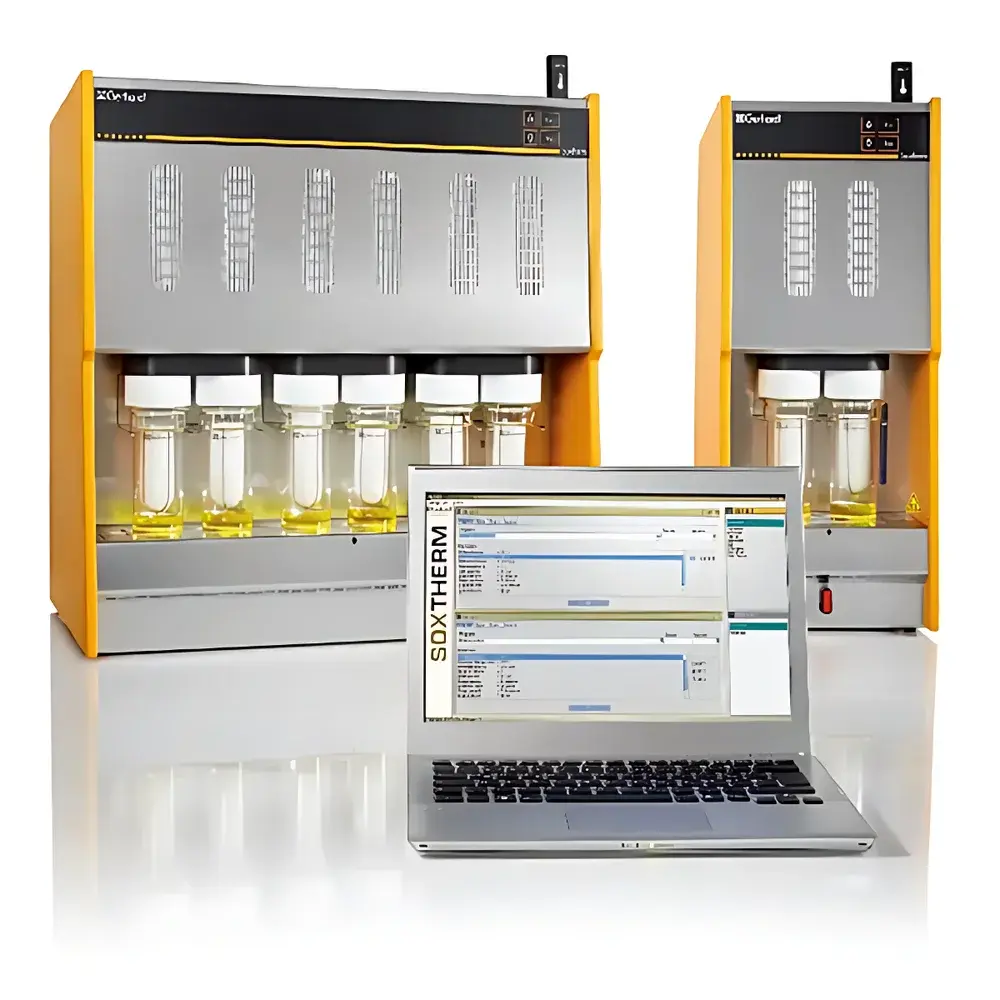
| Channel Configurations | 2, 4, 6, or modular up to 24 parallel units |
Overview
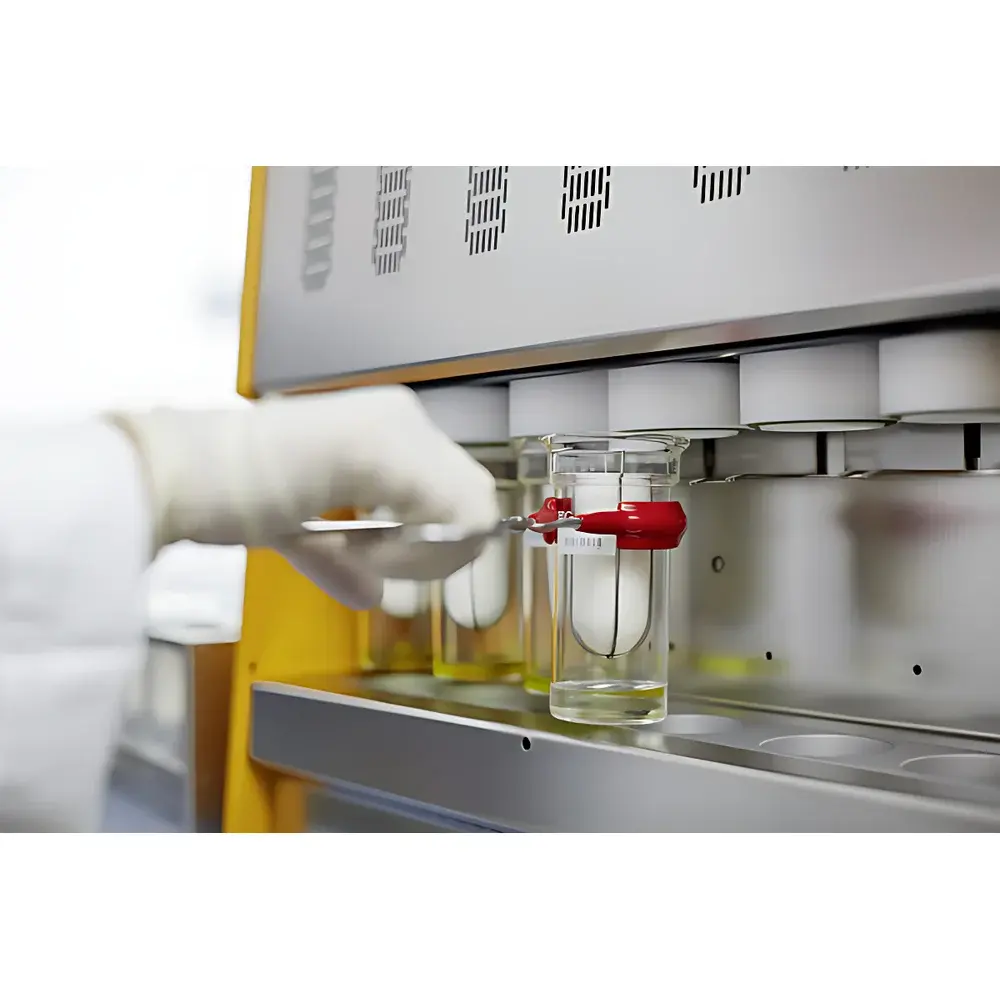
The Gerhardt SOXTHERM Automated Fast Soxhlet Extraction System is an engineered solution for standardized fat and lipid determination in food, feed, environmental, and agricultural samples—fully compliant with AOAC, ISO 9697, ISO 6496, USP , and EN 1408 methods. Based on classical Soxhlet extraction principle—cyclic percolation of hot solvent through a solid sample matrix—the SOXTHERM system enhances reproducibility and throughput via precise temperature-controlled reflux, automated solvent delivery, and programmable cycle management. Unlike conventional manual or semi-automated setups, SOXTHERM eliminates operator dependency in timing, heating, condensation, and solvent recovery phases. Its core architecture integrates pneumatic actuation (only three moving parts), DIN/VDE 0170/0171-certified explosion-proof electronics, and dual safety monitoring of cooling water flow and compressed air pressure—ensuring operational integrity in laboratories handling flammable solvents such as diethyl ether, petroleum ether, chloroform, or hexane.
Key Features
- Modular scalability: Independent 2-, 4-, or 6-channel units can be operated standalone or networked—up to 24 simultaneous extractions using four 6-channel systems, each channel fully programmable with distinct solvent, temperature, and cycle parameters.
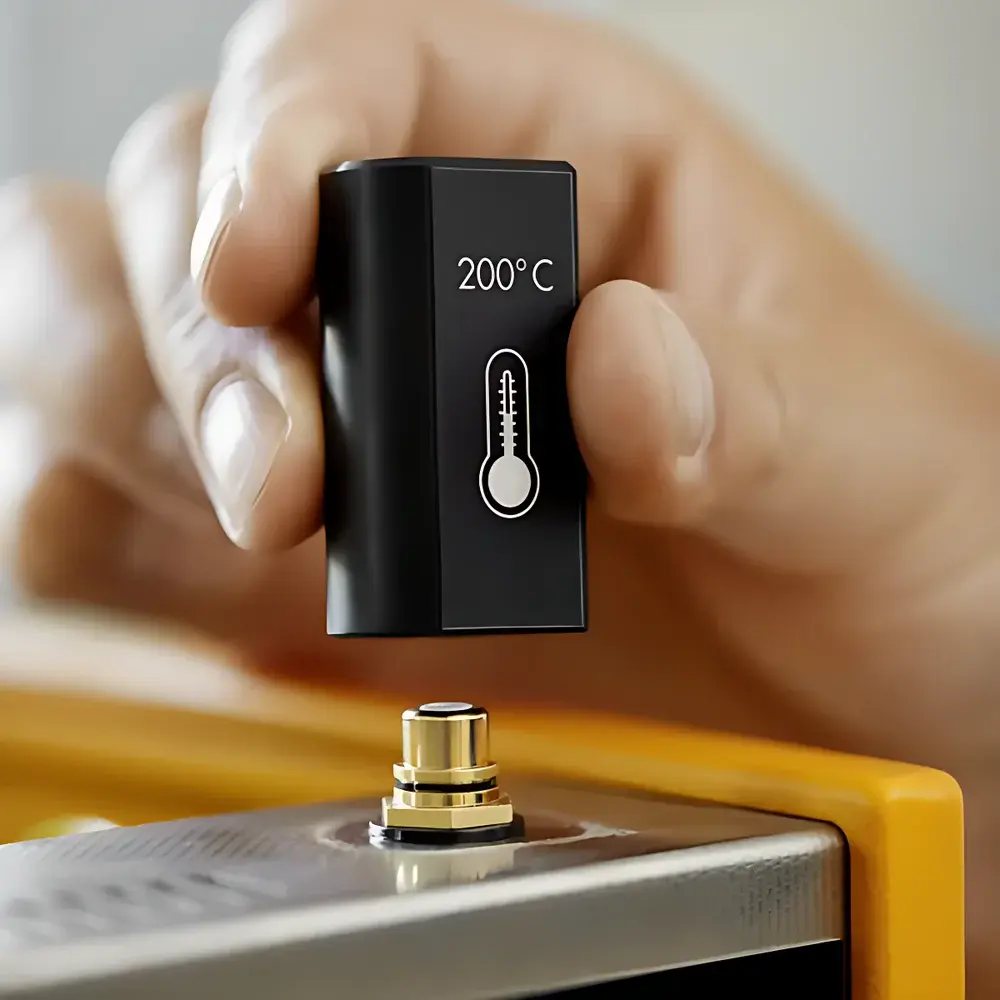
- Precision thermal control: PID-regulated heating block with ±1 °C accuracy across full 30–300 °C range; integrated overtemperature cut-off prevents exceeding solvent flash points.
- Low-maintenance pneumatic drive: No lubricants, no seals requiring replacement; only three wear-free moving components ensure >10-year service life under routine GLP conditions.
- Integrated solvent recovery: Condenser-cooled reflux system with optical level sensor in recovery flask prevents overflow; recovered solvent is purified via inline filtration and may be reused (subject to peroxide testing for ethers).
- Dual control options: Standard-equipped multi-channel controller (32-character alphanumeric display, multilingual UI) or PC-based SOXTHERM Manager software—both support up to four instruments simultaneously.
- Comprehensive safety architecture: Front-panel safety shield, real-time coolant flow monitoring, audible/visual fault alerts, and automatic shutdown on pressure or temperature deviation.
Sample Compatibility & Compliance
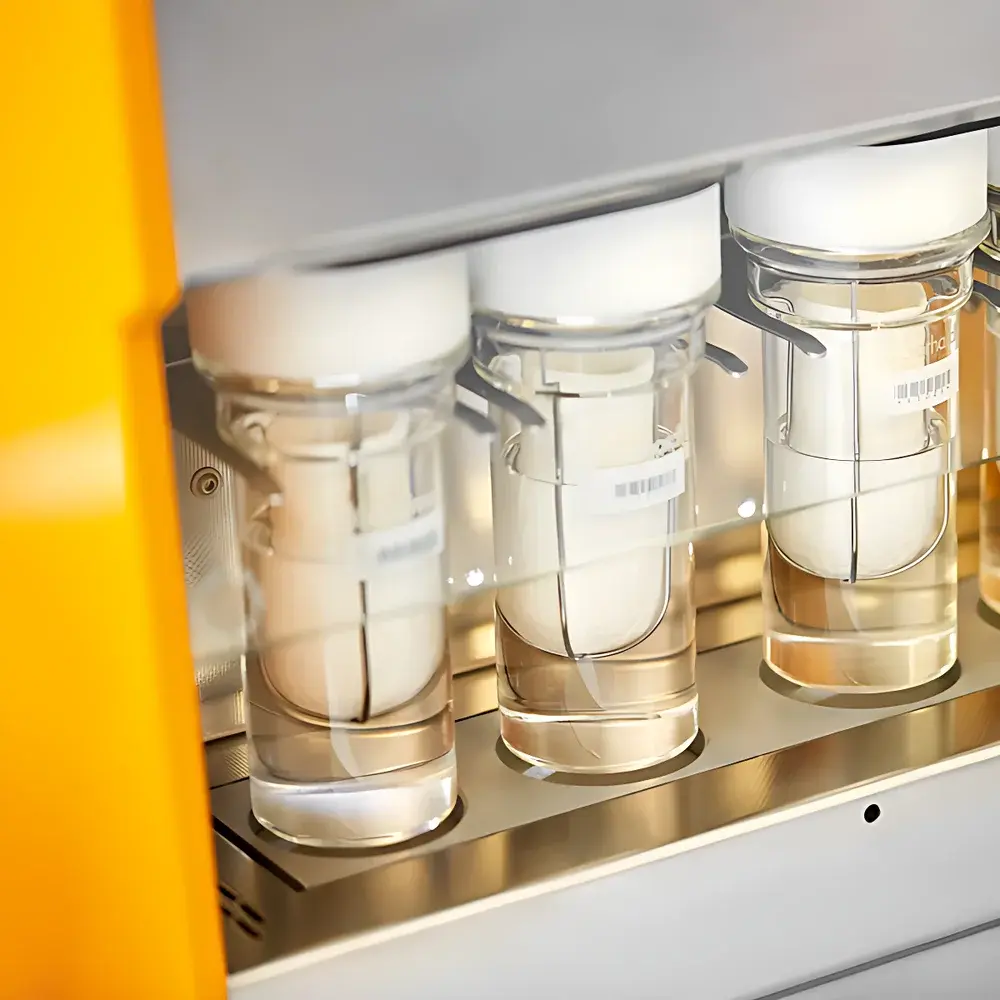
SOXTHERM accommodates diverse sample matrices—including ground cereals, meat products, dairy powders, oilseeds, soil, and sludge—using either standard 200 mL extraction thimbles or optional macro/micro configurations (SOX 402–416 series). All glassware—including borosilicate 3.3 extraction cups—is hand-blown to exact dimensional tolerances and validated for leak-free operation under vacuum and thermal cycling. The system meets ISO/IEC 17025 traceability requirements when used with Gerhardt-certified consumables (e.g., pre-extracted thimbles, calibrated receiver flasks). Full compliance with FDA 21 CFR Part 11 is enabled via SOXTHERM Manager’s audit trail, electronic signatures, and immutable log files—including operator ID, start/stop timestamps, parameter deviations, and error codes.
Software & Data Management
The SOXTHERM Manager workstation software (Windows 98–XP compatible) provides complete instrument orchestration, diagnostics, and data governance. Each unit displays dedicated process windows showing real-time temperature, solvent level, cycle count, and status flags. Up to four instruments appear concurrently on one screen with synchronized logging. All methods are password-protected, version-controlled, and exportable in CSV or PDF. The software auto-generates GLP-compliant reports containing method name, analyst ID, calibration history, raw data, and pass/fail evaluation against defined acceptance criteria. Offline mode allows pre-loaded methods to execute autonomously—even if the host PC is disconnected—ensuring uninterrupted batch processing during network maintenance.
Applications
SOXTHERM is routinely deployed in accredited food testing labs for crude fat quantification per AOAC 920.39 and ISO 1444; in animal nutrition facilities for ether extract analysis in compound feeds (EN 15510); in environmental labs for total petroleum hydrocarbon (TPH) recovery from contaminated soils (EPA 3541); and in R&D settings for lipid profiling prior to GC-FID or LC-MS analysis. Its adaptability to non-fat analytes—including wax, resin, and alkaloids—extends utility into pharmaceutical botanical extraction and polymer additive leaching studies.
FAQ
What solvent types are compatible with SOXTHERM?
All common organic solvents used in Soxhlet extraction—including diethyl ether, petroleum ether (40–60 °C), chloroform, dichloromethane, and hexane—are supported. Solvent selection must respect flash point limits and compatibility with borosilicate glass and PTFE seals.
Does SOXTHERM require external cooling water or compressed air?
Yes—continuous cooling water supply (0.5–3.5 L/min at ≥0.3 bar) and clean, oil-free compressed air (5–7 bar) are mandatory for condenser operation and pneumatic valve actuation. Optional quiet air compressors and recirculating chillers are available as accessories.
Can SOXTHERM be integrated into a LIMS environment?
Via RS-485 serial interface (two ports standard), raw data and status logs can be exported to third-party LIMS using ASCII protocol; custom API integration requires Gerhardt Application Support consultation.
Is validation documentation available for IQ/OQ/PQ protocols?
Gerhardt supplies factory-verified Installation Qualification (IQ) and Operational Qualification (OQ) templates aligned with ISO/IEC 17025 and GMP Annex 15; Performance Qualification (PQ) must be performed in situ using user-defined reference materials.
What maintenance intervals are recommended?
No scheduled maintenance is required beyond quarterly visual inspection of tubing, seals, and glassware integrity. Annual calibration verification of temperature sensors and pressure transducers is advised for regulated environments.
Related Products



