
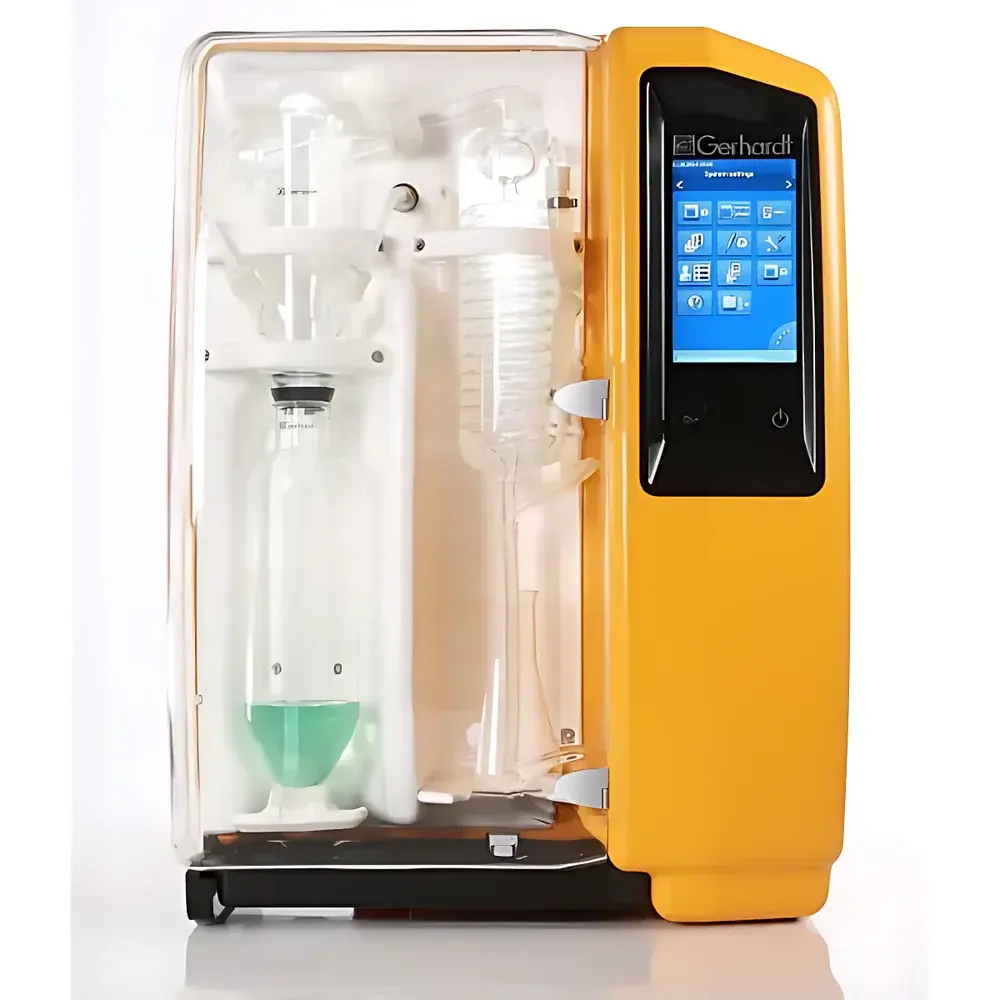
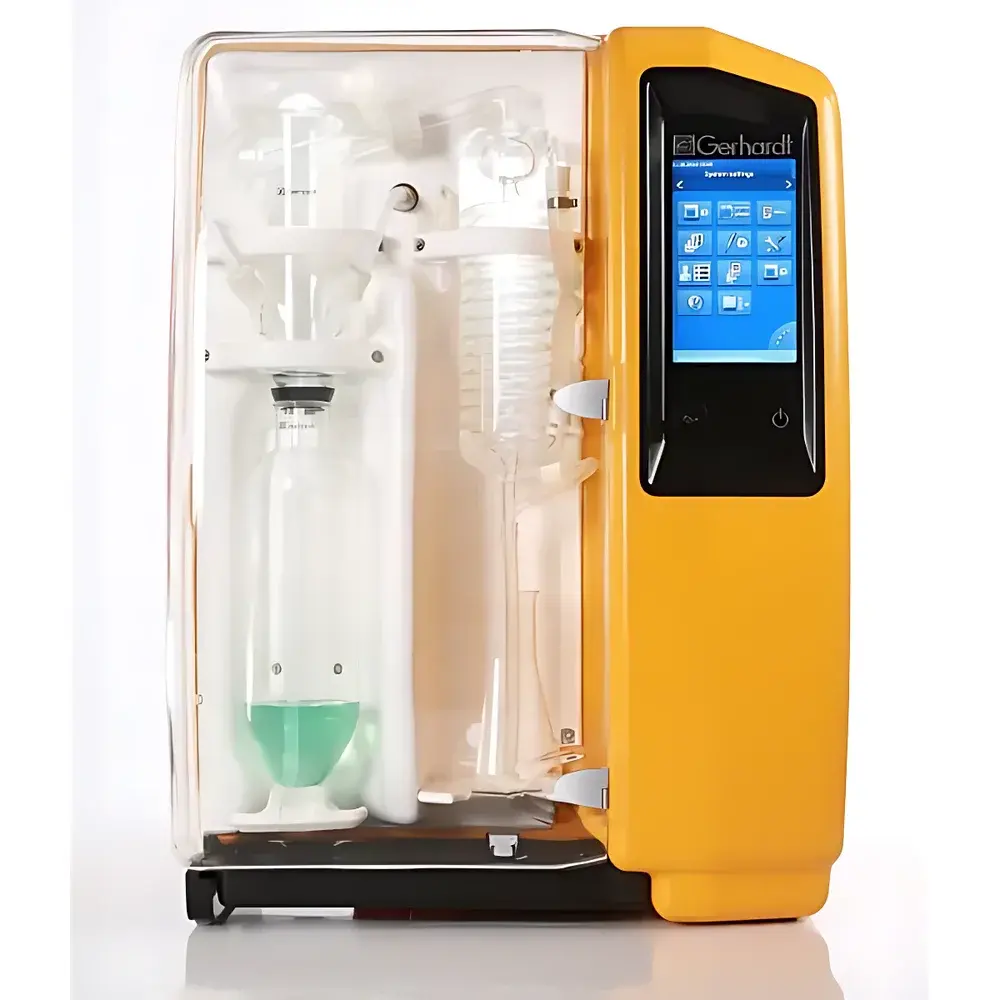
Gerhardt Vapodest 300 Automated Steam Distillation System for Ammonia Nitrogen Determination
| Brand | Gerhardt |
|---|---|
| Origin | Germany |
| Manufacturer | C. Gerhardt GmbH & Co. KG |
| Type | Laboratory Benchtop Distillation Unit |
| Principle | Steam Distillation Coupled with Electrode-Based Ammonia Detection |
| Range | 0.1–200 mg NH₃-N per sample |
| Accuracy | ±1% of reading |
| LOD | 0.1 mg NH₃-N |
| Cycle Time | 2–4 min per sample |
| Throughput | 1 sample per run |
| Compliance | ISO 17025-ready, GLP/GMP-compatible architecture, FDA 21 CFR Part 11–enabled data integrity features |
Overview
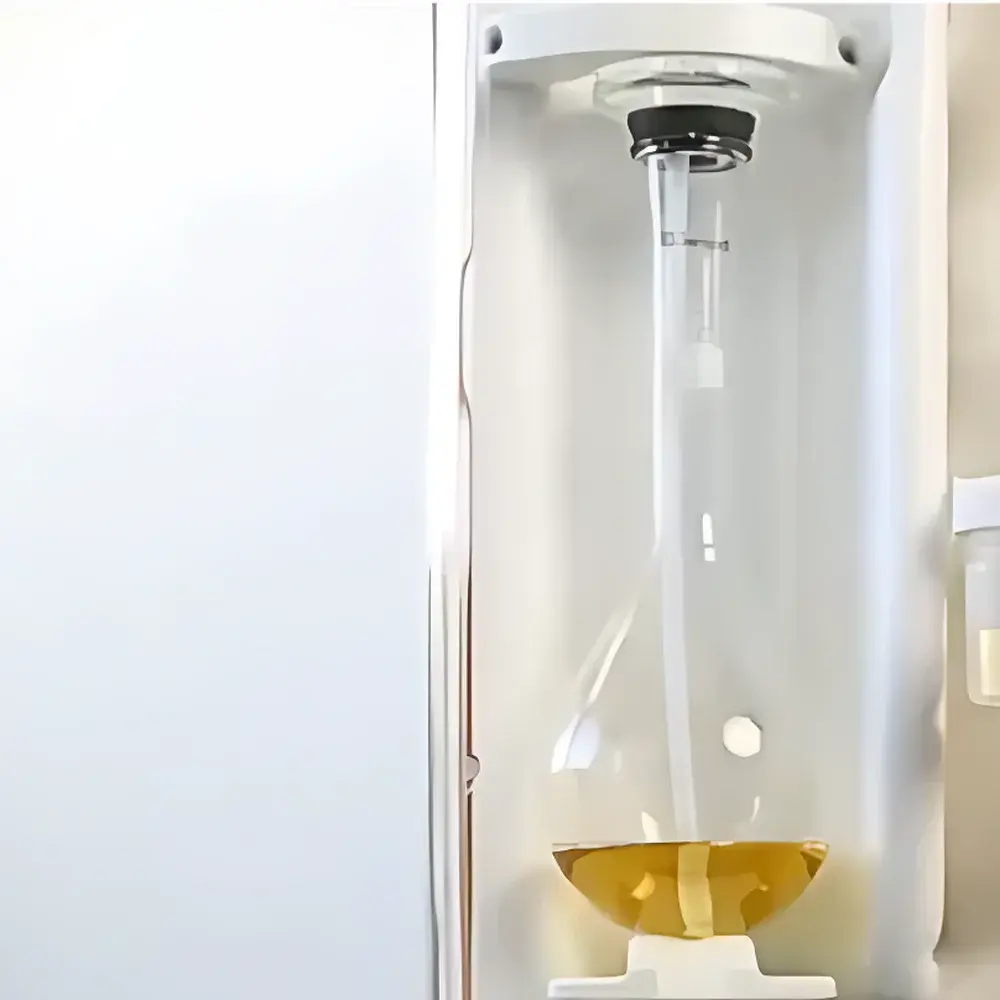
The Gerhardt Vapodest 300 is a fully automated, benchtop steam distillation system engineered for precise and reproducible ammonia nitrogen (NH₃-N) determination in water, wastewater, soil extracts, and biological digests—primarily as the distillation module in Kjeldahl nitrogen analysis workflows. Unlike standalone electrode-based analyzers, the Vapodest 300 implements a validated two-stage process: controlled steam distillation under alkaline conditions (pH >12) to liberate ammonium ions as volatile NH₃ gas, followed by quantitative absorption into boric acid and potentiometric titration or direct electrode measurement. Its design adheres to internationally recognized standard methods including ISO 5663, ISO 14253-1, DIN 38409-H5, and AOAC 973.45. The system integrates a corrosion-resistant stainless-steel steam generator, programmable steam power (10–100%), soft-start ramping, and real-time thermal monitoring to ensure stoichiometric completeness and minimize carryover or bumping—critical for trace-level accuracy and inter-laboratory comparability.
Key Features
- Modular, maintenance-optimized architecture: All consumable components—including distillation heads (glass or PTFE-coated plastic), condenser sleeves, and reagent delivery valves—are field-replaceable without tools; service interval calibrated to 5,000 samples or annual calendar cycle.
- Touchscreen HMI with guided workflow navigation: Intuitive Android-style interface operable with gloved hands; supports multi-language UI and context-sensitive help overlays during method execution.
- Integrated safety-by-design: Illuminated distillation chamber with optical viewing port; self-diagnostic firmware that initiates fail-safe shutdown upon pressure anomaly, temperature deviation, or liquid level fault; chemically inert housing (PP/PE composite) resistant to concentrated NaOH, H₂SO₄, and boric acid vapors.
- Electrode-ready interface: Direct analog/digital output compatibility with Gerhardt’s AMB-200 or third-party ammonia-selective electrodes (e.g., Orion 95-12); optional integrated titrator module available for full Kjeldahl automation.
- Energy-smart operation: Adaptive cooling water control (pulse-mode solenoid valve), auto-standby after idle timeout, and dynamic steam power modulation reduce average power consumption by up to 37% versus fixed-output systems.
Sample Compatibility & Compliance
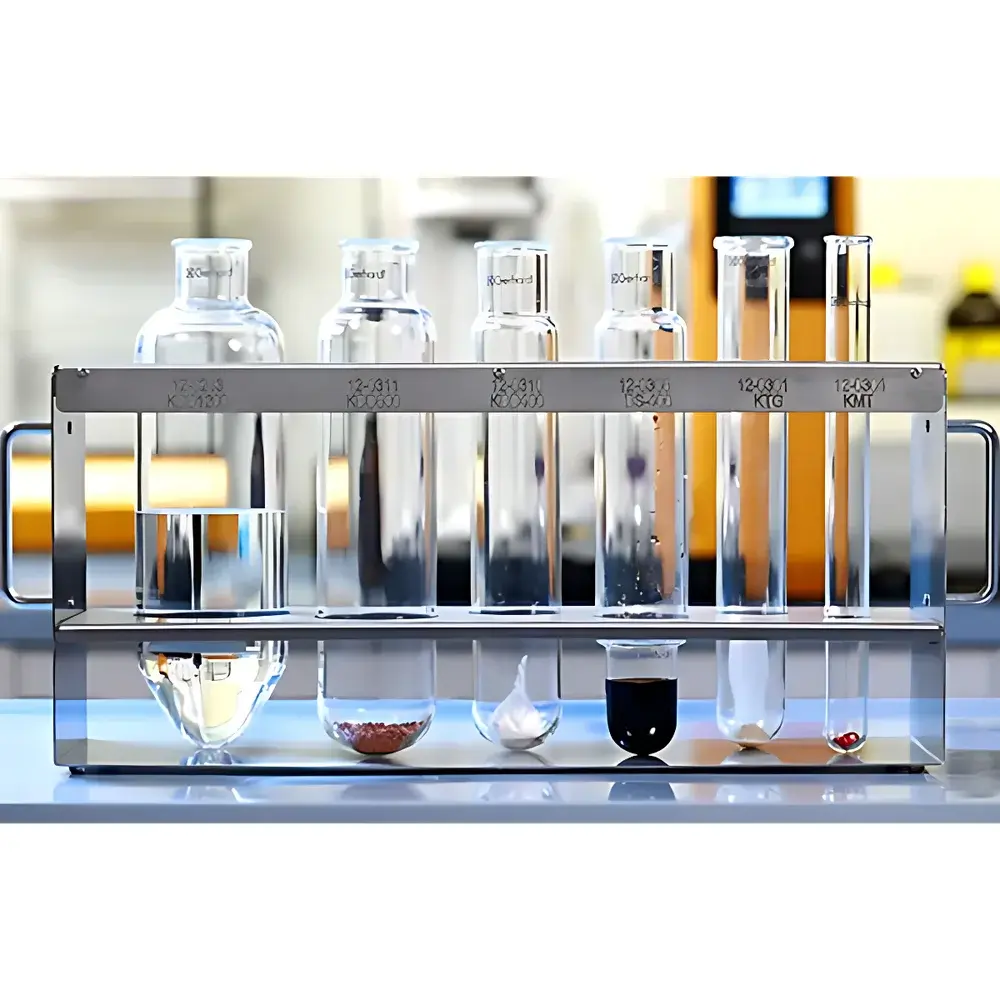
The Vapodest 300 accommodates a broad matrix range: clarified surface water, municipal and industrial effluents, digestates from anaerobic digestion, food homogenates, and pharmaceutical excipient solutions. Sample volumes range from 10–100 mL, compatible with standard Kjeldahl digestion tubes (e.g., 300 mL borosilicate). Optional anti-foam distillation heads and high-capacity condensers support viscous or highly foaming samples (e.g., dairy wastewater, activated sludge). From a regulatory standpoint, the system meets ISO/IEC 17025:2017 requirements for analytical equipment validation: embedded PC logs all critical parameters (steam pressure, distillate temperature, condensate volume, endpoint signal) with tamper-evident timestamps; user access levels (admin/operator/auditor) enforce role-based data handling; audit trails comply with FDA 21 CFR Part 11 for electronic records and signatures.
Software & Data Management
Control and data acquisition are managed via Gerhardt’s proprietary VAPOSOFT v5.x platform, running on an embedded industrial PC (Intel Atom x5-Z8350, 4 GB RAM, 64 GB SSD). The software provides method library management (up to 99 stored protocols), automatic calibration curve import (via CSV or LIMS API), and real-time QC charting (Shewhart X-bar/R charts). Raw data—including raw electrode mV signals, derivative curves, and distillation thermograms—is stored in vendor-neutral .CSV and .XML formats. Integrated PDF report generation includes metadata (operator ID, instrument serial, environmental conditions), uncertainty estimation per GUM (Guide to the Expression of Uncertainty in Measurement), and digital signature fields for GLP sign-off. Data export supports ASTM E1384 and HL7 v2.5.1 standards for seamless LIMS integration.
Applications
- Regulatory compliance testing for EPA Method 350.1 and ISO 14253-1 in municipal water utilities.
- Wastewater treatment plant process control: monitoring influent/effluent NH₃-N to optimize nitrification/denitrification cycles.
- Environmental monitoring labs performing sediment pore-water analysis under OECD Test Guideline 218.
- Food and feed quality control: protein content verification via Kjeldahl N conversion (N × 6.25).
- Research laboratories studying nitrogen cycling in soil microbiology and aquaculture systems.
FAQ
Does the Vapodest 300 require external titration or can it operate standalone?
The Vapodest 300 functions as a dedicated distillation unit. For complete Kjeldahl analysis, it must be paired with either an external ammonia-selective electrode system or Gerhardt’s AMB-200 titrator module. Standalone electrode readout is supported via analog 0–10 V or RS-232 output.
Is method validation documentation provided for ISO 17025 accreditation?
Yes—Gerhardt supplies a comprehensive Instrument Qualification Package (IQ/OQ/PQ) including factory calibration certificates, uncertainty budgets, and traceable reference material test reports aligned with EURACHEM/CITAC guidelines.
Can the system handle samples with high chloride or sulfide content?
Yes. The Vapodest 300 includes optional mercury-free sulfide removal traps and chloride-tolerant electrode membranes. Pre-distillation addition of MgO or Devarda’s alloy is programmable within method sequences.
What is the expected lifetime of the steam generator under continuous use?
The stainless-steel steam generator is rated for ≥10,000 distillation cycles or 8 years of typical lab use (20 samples/day), backed by Gerhardt’s 3-year extended warranty on thermal components.







