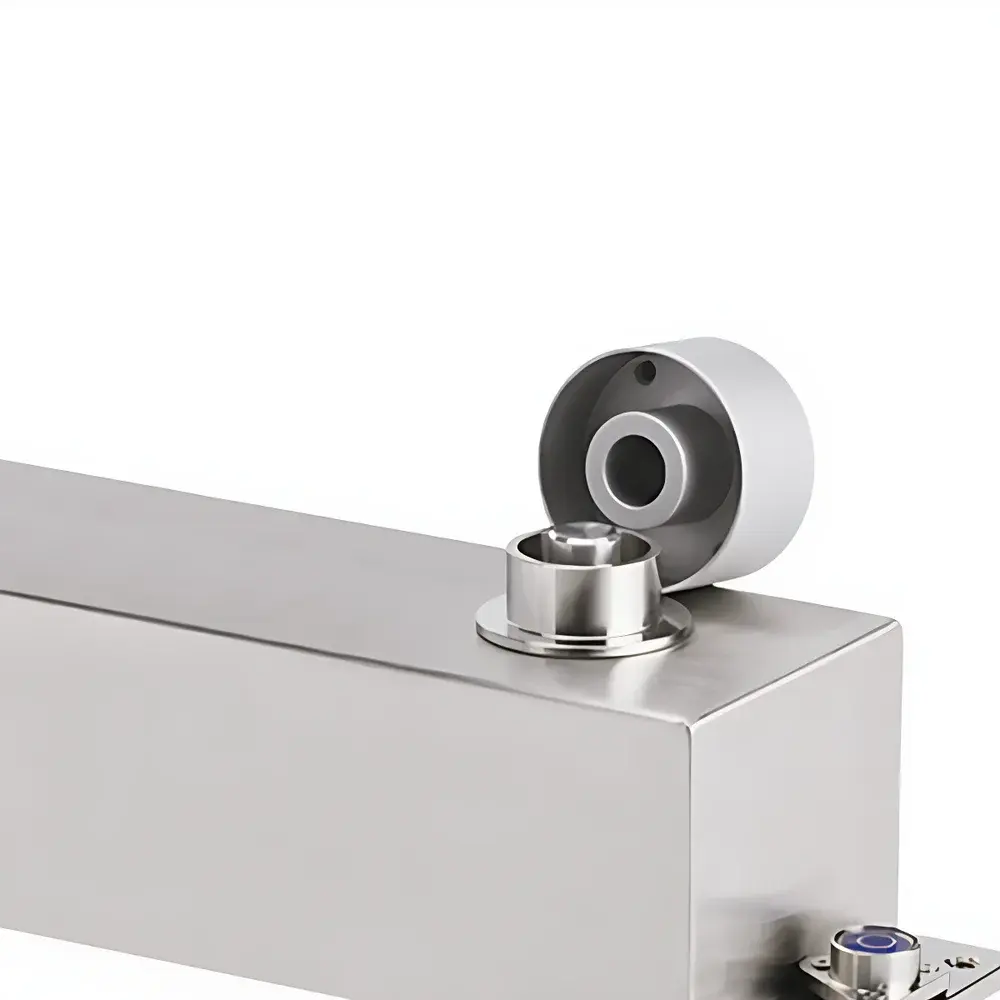
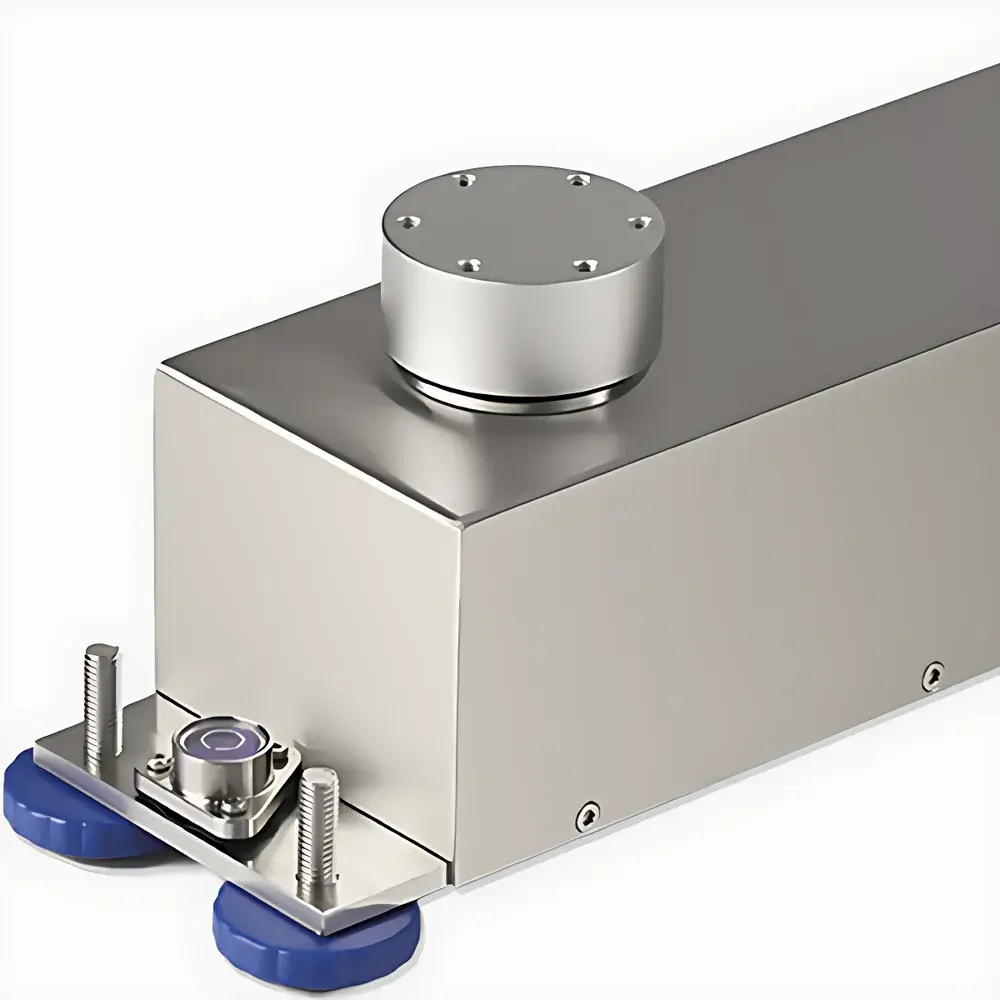
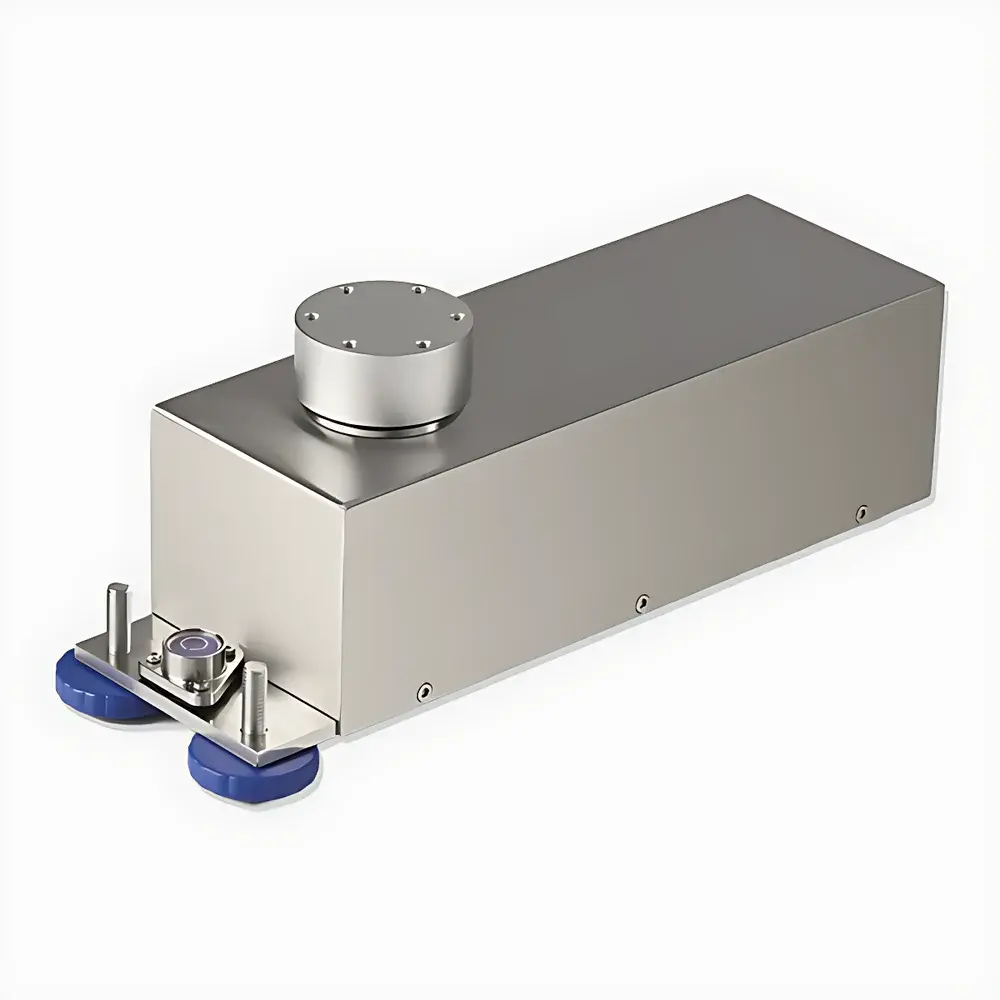
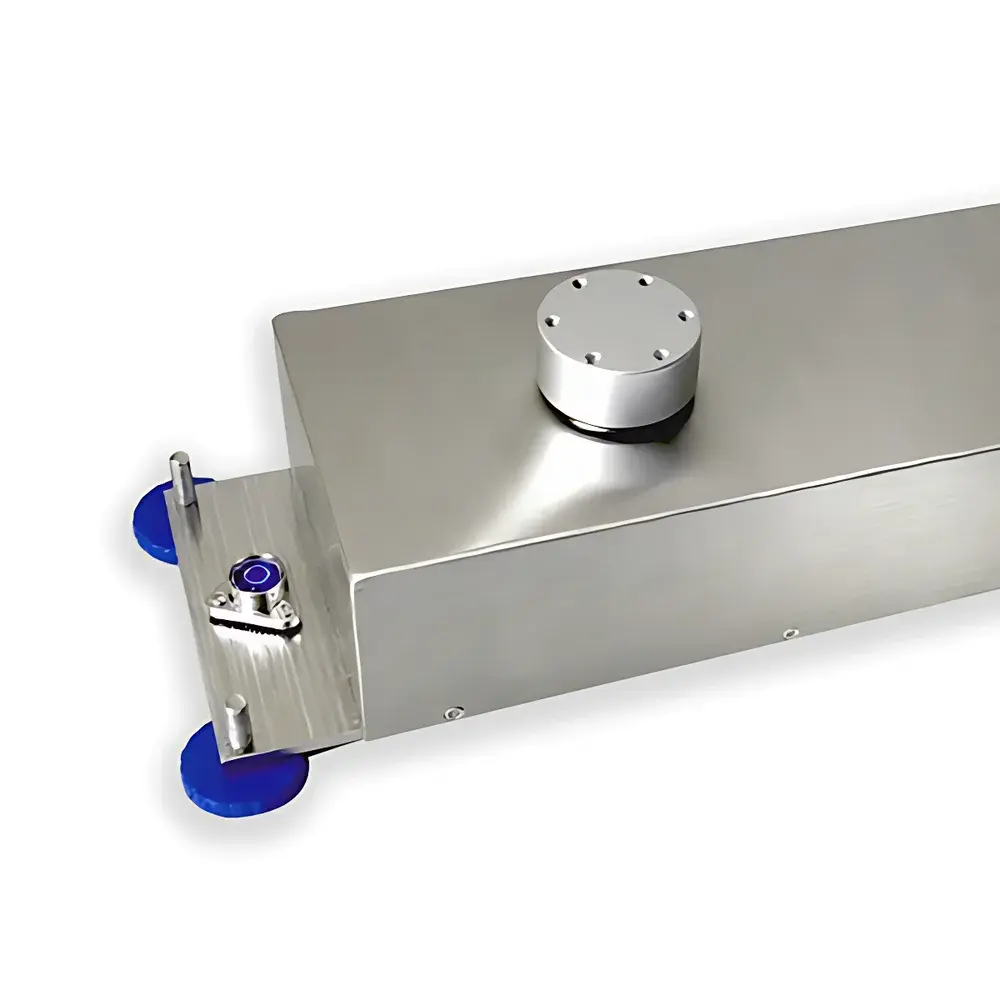
Unicise YANXIANG Series 0.1 mg Electromagnetic Force Weighing Module
| Brand | Unicise Precision Measurement |
|---|---|
| Origin | Jiangsu, China |
| Manufacturer Type | Authorized Distributor |
| Country of Origin | China |
| Models | UMP64, UWM124, UWM224, UMP64-I, UWM124-I, UWM224-I |
| Price | Upon Request |
| Readability | 0.1 mg |
| Capacity | 60 g / 120 g / 220 g |
| Repeatability (SD) | 0.1 mg |
| Preload Range | 0–20 g / 0–40 g / 0–70 g |
| Interface | DB9, USB-C, USB-A |
| Communication Protocols | SBI (RS-232), SICS, RS-485 |
| Calibration | External (non-I models) or Internal (I-suffixed models) |
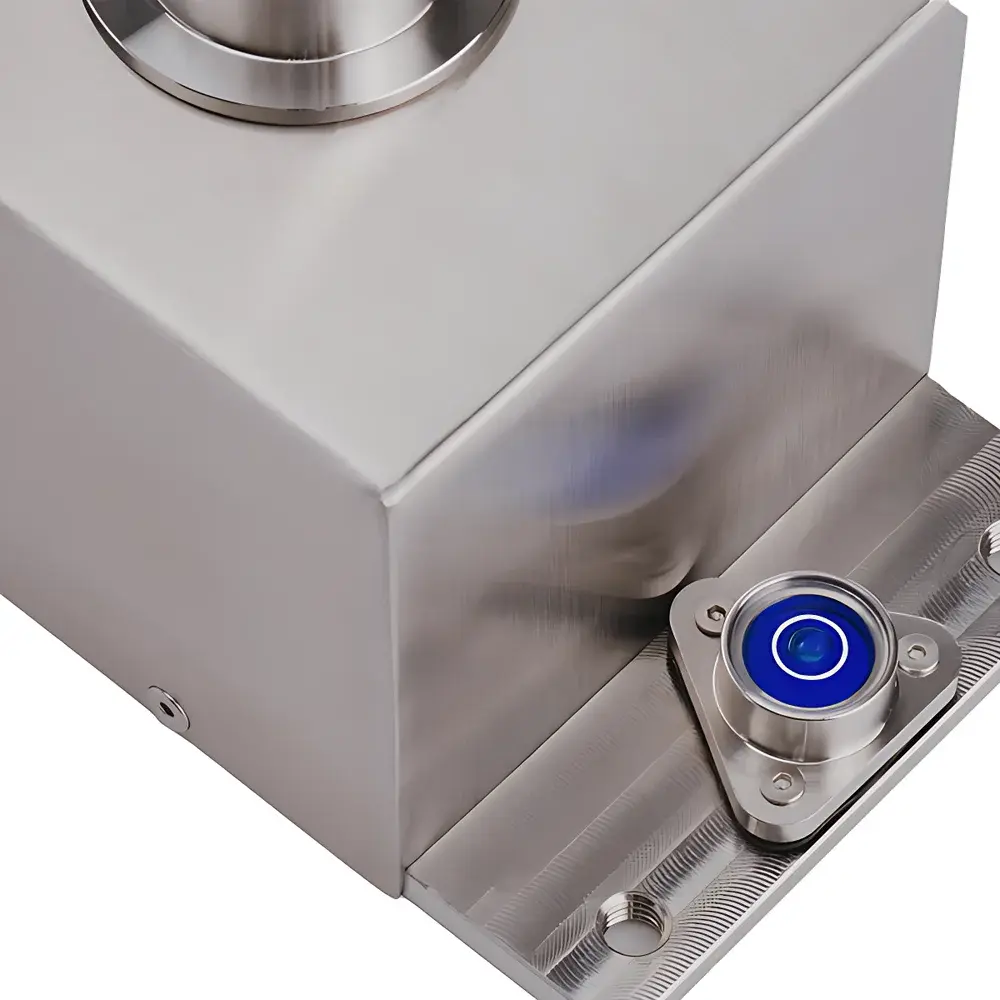
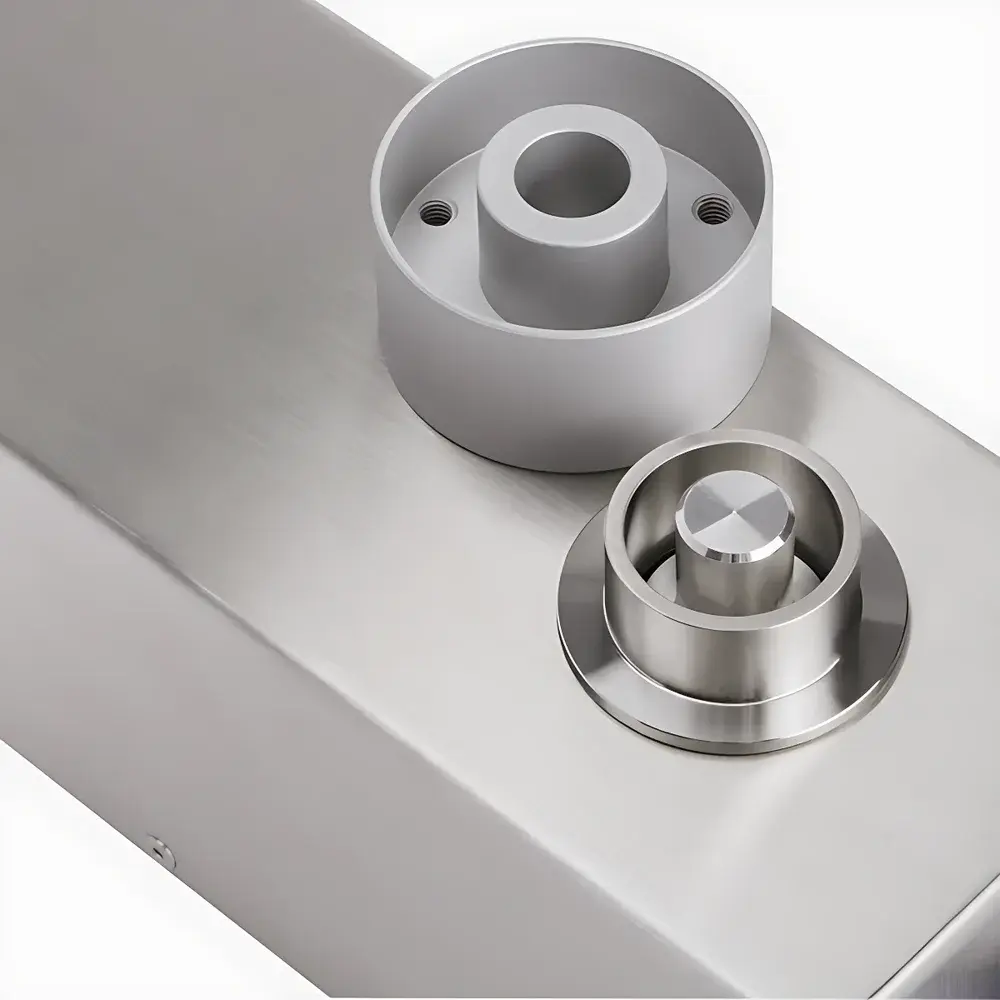
| Construction | Stainless Steel Housing |
| Mounting | Bottom-loading Configuration |
| Indicator | Dual-color LED Status Light |
Overview
The Unicise YANXIANG Series 0.1 mg Electromagnetic Force Weighing Module is an industrial-grade precision weighing solution engineered for integration into automated manufacturing, pharmaceutical dosing, fine chemical batching, and inline quality control systems. Based on electromagnetic force compensation (EMFC) technology, the module employs a proprietary Uni-block monolithic sensor architecture—where the load cell, excitation coil, position detector, and feedback electronics are co-fabricated within a single thermally stable mechanical structure. This design eliminates inter-component drift, minimizes hysteresis, and delivers consistent 0.1 mg readability across its full capacity range (60 g, 120 g, and 220 g variants). Unlike strain-gauge-based modules, EMFC operation ensures inherently linear output without software correction, enabling high reproducibility (<0.1 mg standard deviation) even under dynamic loading conditions typical in vibratory feeders, conveyor-mounted checkweighers, or robotic dispensing cells.
Key Features
- Monolithic Uni-block EMFC Sensor: Fully integrated electromagnetic force transduction system with zero-mechanical-play suspension, optimized for long-term stability and thermal resilience (±0.0005% / °C typical sensitivity shift).
- Compact All-in-One Architecture: Complete weighing subsystem—including analog front-end, 24-bit sigma-delta ADC, real-time digital filter, and protocol stack—housed within a single stainless steel enclosure (IP65-rated when mated with optional gasketed cover).
- Bottom-Loading Mechanical Interface: Load introduction from below via M4 threaded insert or custom flange mount; enables seamless integration into hopper-bottom feeders, peristaltic pump manifolds, and vacuum-compatible process lines.
- Dual-Interface Connectivity: Simultaneous DB9 (RS-232/SBI compliant) and USB-C (virtual COM port) interfaces, plus auxiliary USB-A port for optional display or calibration dongle attachment—reducing field wiring complexity.
- Intelligent Status Feedback: Bi-color LED indicator provides real-time visual confirmation of power-on self-test (green), stable zero (blue), overload (red flash), and communication activity (pulsing amber).
- Overload Protection System: Integrated mechanical stop with 150% rated capacity tolerance, coupled with firmware-enforced software limit detection to prevent sensor saturation during transient shocks.
Sample Compatibility & Compliance
The YANXIANG module supports non-corrosive solid and granular samples within specified preload ranges (0–20 g for UWM64; 0–40 g for UWM124; 0–70 g for UWM224), ensuring optimal signal-to-noise ratio during low-mass dynamic measurements. Its stainless steel housing (AISI 304) meets ISO 8573-1 Class 4 particulate cleanliness requirements for cleanroom-adjacent installations. While not certified for hazardous locations, the module complies with IEC 61326-1 (industrial EMC) and IEC 61000-4 series immunity standards. For regulated environments, the internal calibration variants (UWM*-I) support audit-ready calibration logs traceable to NIST-traceable reference masses, aligning with GLP/GMP documentation workflows. Firmware supports time-stamped calibration events with user ID tagging—compatible with FDA 21 CFR Part 11 electronic record controls when deployed with validated host software.
Software & Data Management
The module operates natively with industry-standard protocols: SBI (a widely adopted subset of RS-232 used in analytical balance OEM integrations) and SICS (Standard Interface for Control Systems), enabling plug-and-play compatibility with PLCs (Siemens S7, Rockwell Logix), SCADA platforms (Ignition, WinCC), and MES systems. Optional Unicise Link™ configuration utility (Windows/Linux) provides real-time diagnostics, filter tuning (moving average, median, low-pass), zero-tracking activation, and protocol switching without hardware reset. All data streams include ASCII-formatted timestamps (ISO 8601), weight value, unit code, status flag, and checksum—facilitating direct ingestion into SQL databases or CSV archives. Raw output resolution remains fixed at 0.1 mg; no interpolation or firmware-based smoothing is applied unless explicitly enabled by user configuration.
Applications
- Pharmaceutical tablet/capsule checkweighing on high-speed blister packaging lines
- Precision gravimetric dosing in API synthesis reactors with ±0.05% mass accuracy targets
- In-line density monitoring via sequential empty/full vessel weighing in solvent recovery units
- Automated powder blending verification in food and nutraceutical production
- Calibration transfer standards for field service technicians maintaining multi-site QC labs
- Research-grade mass flow validation in microfluidic and aerosol generation test benches
FAQ
What is the difference between UWM and UMP model prefixes?
UMP denotes variants optimized for ultra-low vibration environments (e.g., optical tables, metrology labs), featuring enhanced passive damping and extended warm-up stabilization time. UWM models prioritize rapid settling (<1.2 s to 0.1 mg stability) for production-floor integration.
Does the module support automatic internal calibration without external weights?
Only I-suffixed models (e.g., UWM124-I) include motorized internal calibration mass deployment; non-I variants require certified external weights for periodic verification.
Can the USB-C interface be used for both power and data simultaneously?
Yes—USB-C provides 5 V DC power delivery (up to 500 mA) while supporting full-duplex serial communication at baud rates up to 115.2 kbps.
Is firmware update capability available in-field?
Firmware updates are supported via USB-C using signed binary packages and Unicise Link™; updates preserve all user-configured parameters and calibration coefficients.
What environmental conditions affect repeatability performance?
Ambient temperature gradients exceeding 1°C/minute or airflow >0.5 m/s directly above the weighing pan may induce transient buoyancy errors; recommended operating range is 15–30°C, <70% RH non-condensing.