
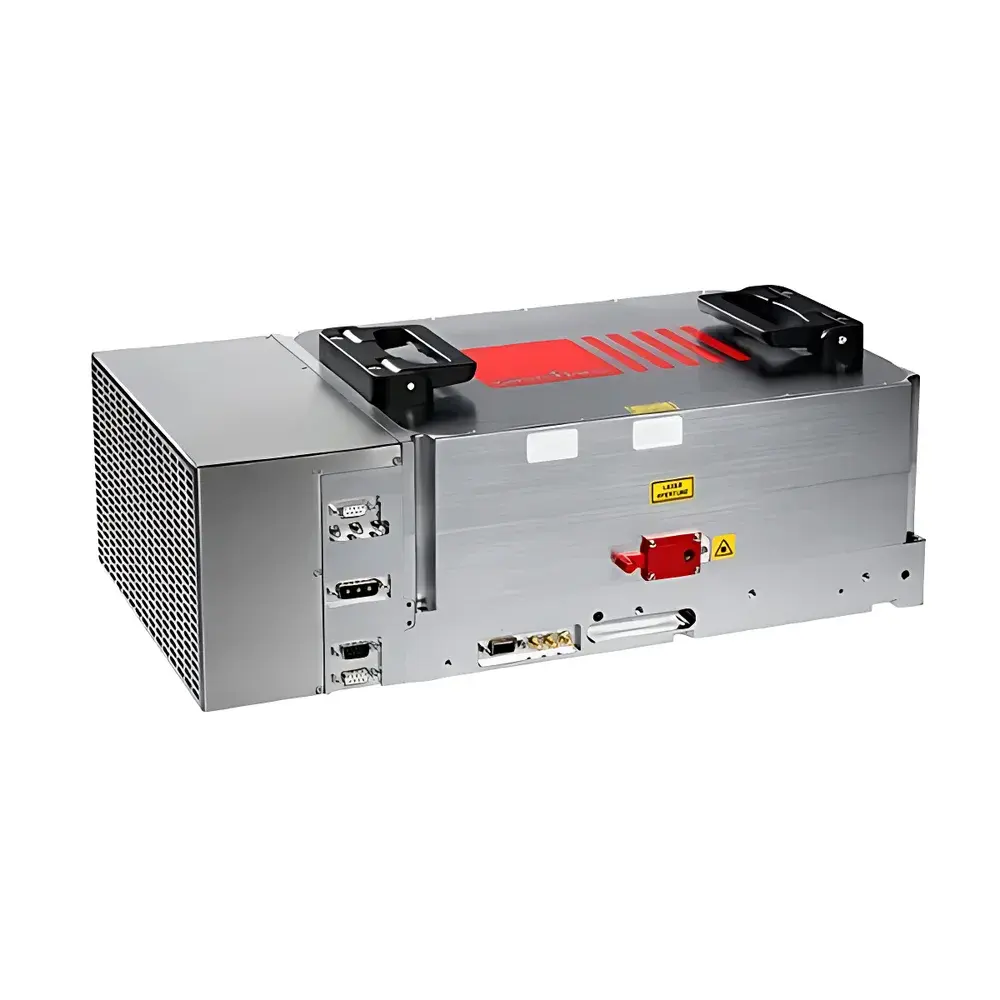
Onefive Origami-XP High-Energy Integrated Femtosecond Laser System
| Brand | Onefive |
|---|---|
| Origin | Switzerland |
| Model | Origami XP |
| Output Wavelengths | 343 nm / 515 nm / 1030 nm |
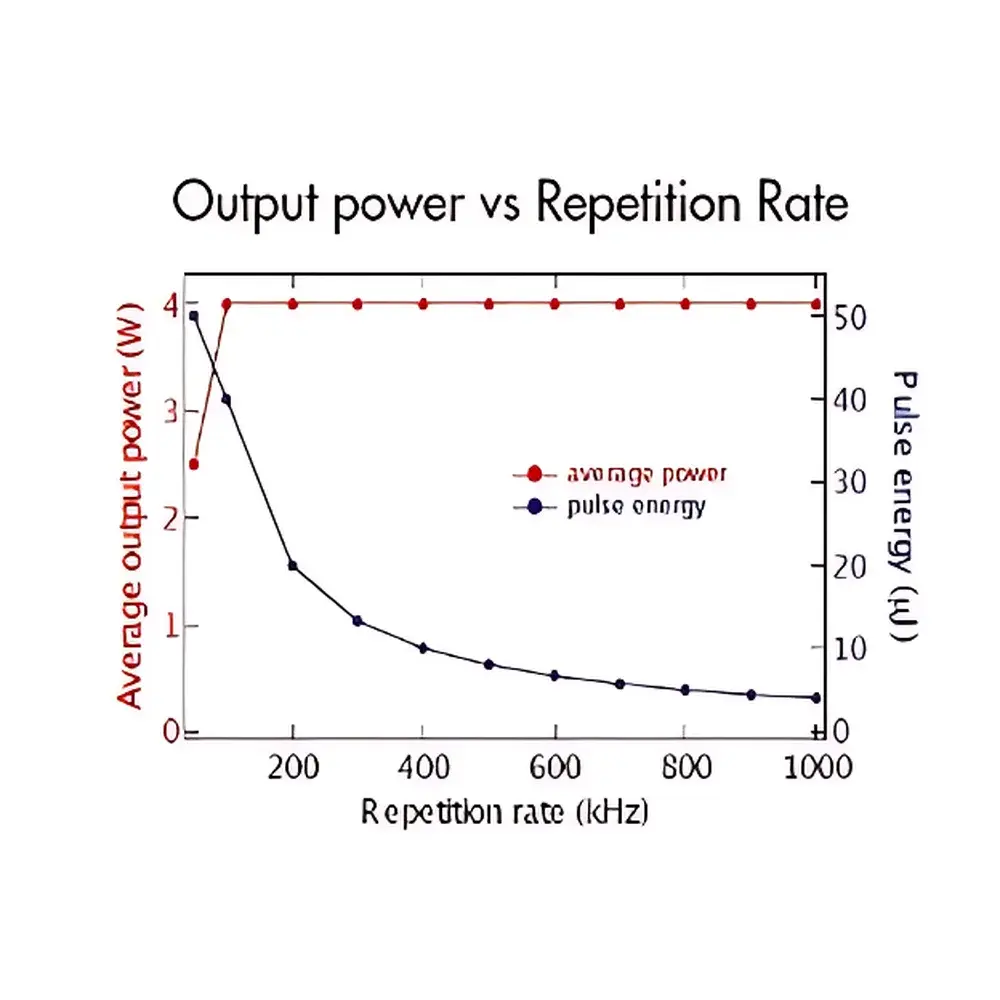
| Pulse Energy | up to 60 µJ (optional) |
| Average Power | up to 5 W |
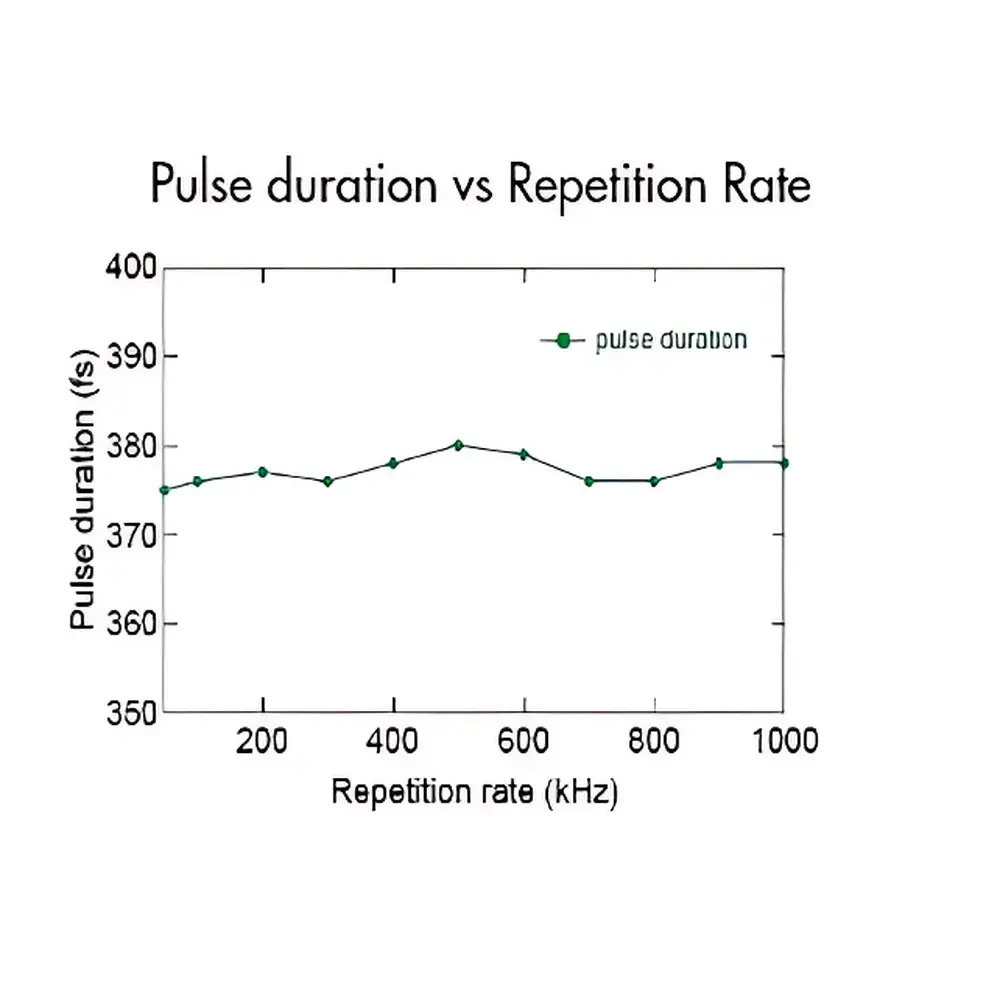
| Pulse Width | < 400 fs |
| Repetition Rate | Single-shot to 1 MHz |
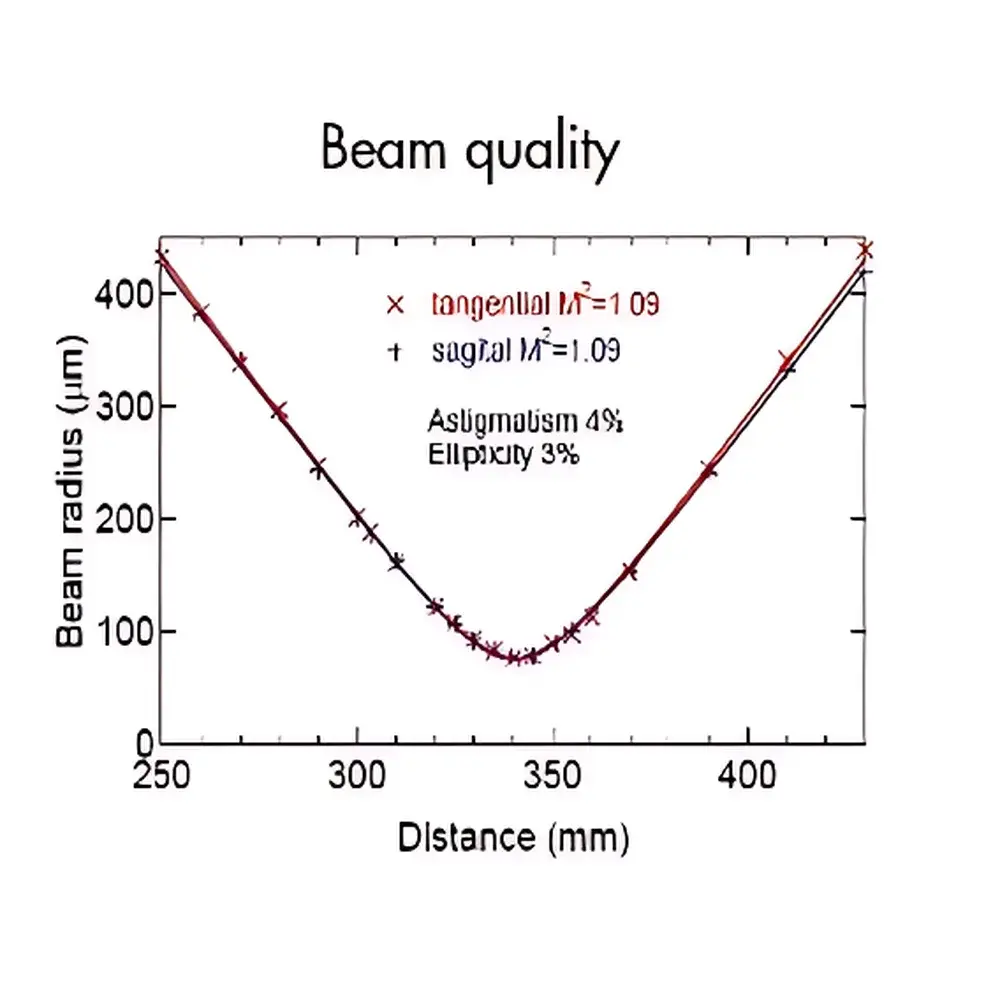
| Beam Quality | M² < 1.4 (TEM₀₀) |
| Amplitude Noise | < 1.0% rms (12 h) |
| Pointing Stability | < 30 µrad rms (12 h, constant temperature) |
| Cooling | Air-cooled (standard), optional water-cooling |
| Dimensions | 280 × 498 × 156 mm³ |
| Weight | 32 kg |
| Power Supply | 24 V/20 A DC or 90–264 VAC, 47–63 Hz |
| Power Consumption | < 500 W |
| Compliance | IEC 60068-2-6, -2-27, -2-29 |
Overview
The Onefive Origami-XP is an integrated, turnkey femtosecond laser system engineered for high-reliability scientific and industrial applications requiring microjoule-level pulse energy, sub-400 fs pulse duration, and exceptional long-term stability. Unlike conventional hybrid architectures, the Origami-XP combines a low-noise, all-fiber femtosecond seed oscillator with a solid-state chirped-pulse amplification (CPA) stage—leveraging Onefive’s proprietary monolithic packaging technology to achieve robust thermal and mechanical integrity. This architecture enables continuous 24/7 operation across ambient temperatures from 18 °C to 32 °C without performance drift or pulse dropout, fulfilling stringent requirements for OEM integration in vacuum chambers, cleanroom environments, and automated production lines. The system emits transform-limited, near-diffraction-limited beams (M² 23 dB, supporting precise spatiotemporal control essential for nonlinear frequency conversion, ultrafast pump-probe spectroscopy, and precision ablation.
Key Features
- Fully integrated design: laser head, controller, and air-cooling unit housed in a single compact chassis (280 × 498 × 156 mm³, 32 kg)
- Microjoule-class pulse energy: standard models deliver up to 40 µJ at 1030 nm; optional configurations extend to 60 µJ
- Ultra-low amplitude noise: <1.0% rms over 12 hours (at 4 W average power), critical for quantitative LIBS and THz generation
- Real-time pulse energy monitoring and active stabilization via internal photodiode feedback loop
- Exceptional pointing stability: <30 µrad rms (12 h, constant temperature); <5 µrad/°C over 18–35 °C operating range
- Burst mode capability with user-defined pulse trains, enabling controlled material modification and plasma ignition
- OEM-grade hermetic enclosure with dust-sealed housing and precision mechanical reference surfaces for repeatable optical alignment
- Plug-and-play operation: no optical alignment, no consumables, zero maintenance under specified environmental conditions
- Low power consumption (<500 W) and compatibility with both DC (24 V/20 A) and universal AC input (90–264 VAC)
Sample Compatibility & Compliance
The Origami-XP is designed for direct integration into regulated and research-grade instrumentation platforms. Its mechanical and electrical architecture complies with IEC 60068-2 environmental stress standards—including sinusoidal vibration (IEC 60068-2-6), shock (IEC 60068-2-27), and bump testing (IEC 60068-2-29)—ensuring operational resilience during transport and installation in mobile labs or industrial settings. While not inherently certified for medical device use, the system’s deterministic pulse parameters, traceable energy calibration, and stable temporal profile support compliance pathways under ISO 13485-aligned quality systems when embedded in Class IIa/IIb laser-based surgical or diagnostic equipment. For analytical applications such as LIBS or ultrafast spectroscopy, the laser meets foundational requirements for GLP-compliant data acquisition when paired with validated detectors and timing electronics.
Software & Data Management
Control is implemented via Ethernet (TCP/IP) and USB 2.0 interfaces using Onefive’s cross-platform GUI and command-line API (SCPI-compliant). All operational parameters—including repetition rate, burst pattern, output power setpoint, and internal diagnostics—are programmable and logged with timestamped metadata. The system supports external triggering with jitter <100 ps RMS and optional synchronization to external clock sources (e.g., RF synthesizers or femtosecond oscillators) for multi-laser experiments. Audit trails for parameter changes, runtime hours, and thermal history are retained in non-volatile memory, facilitating traceability in GxP environments. Firmware updates are performed securely via signed binary packages, ensuring version control and integrity verification.
Applications
- High-precision laser surgery: Sub-micron ablation of biological tissue with minimal thermal damage, enabled by ultrashort pulses and diffraction-limited focusability
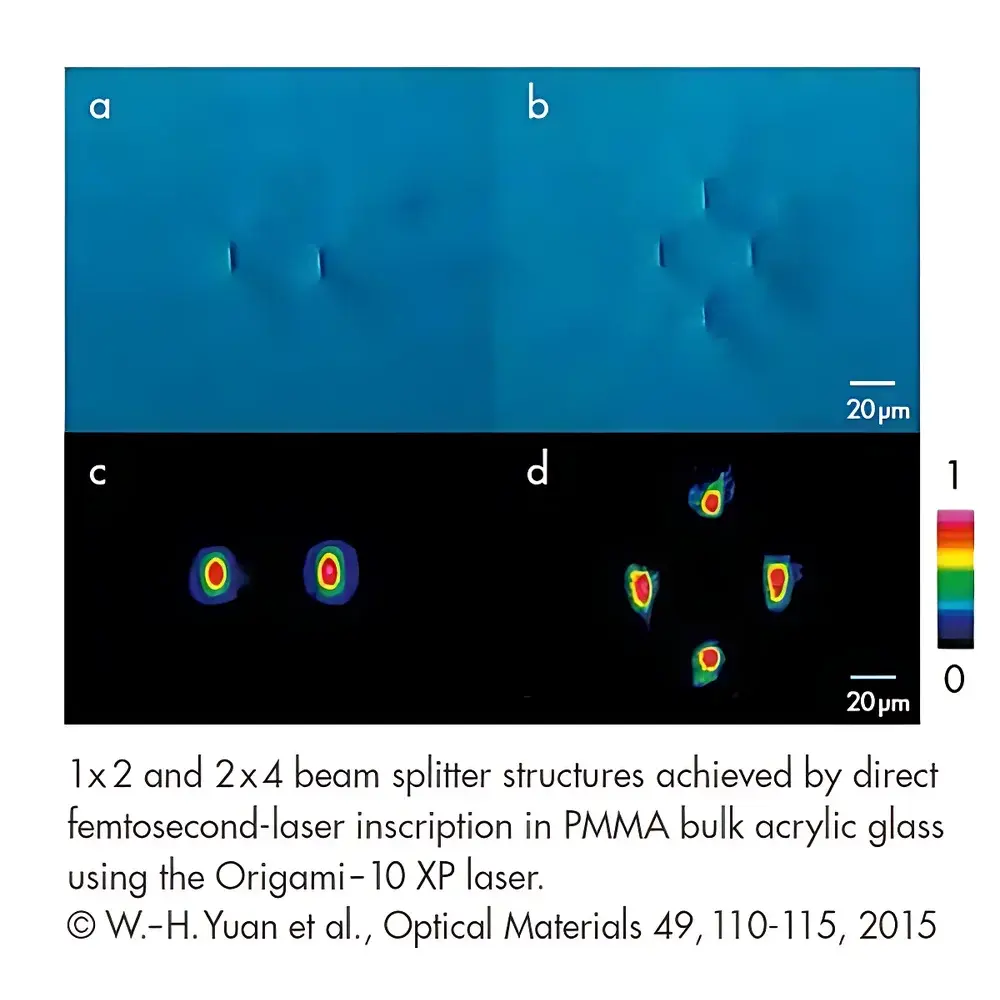
- Micro- and nano-fabrication: Two-photon polymerization, glass welding, and surface structuring of metals, dielectrics, and semiconductors
- Laser-induced breakdown spectroscopy (LIBS): Stable microjoule pulses ensure reproducible plasma initiation and spectral signal-to-noise ratio
- Terahertz time-domain spectroscopy (THz-TDS): Optical rectification and photoconductive switching benefit from low-amplitude noise and high peak power (>100 MW)
- Nonlinear optical parametric processes: Efficient second-harmonic (e.g., 515 nm → 258 nm UVC), third-harmonic, and optical parametric amplification due to high peak intensity and broad spectral bandwidth
- Ultrafast pump-probe dynamics: Synchronization-ready architecture enables time-resolved studies of carrier relaxation, phonon coupling, and molecular conformational changes
FAQ
Is the Origami-XP suitable for cleanroom installation?
Yes—the fully sealed, fan-filtered air-cooling system and absence of oil-based pumps or consumable optics make it compatible with ISO Class 5–7 environments.
Can the laser be operated in single-shot mode with precise external trigger control?
Yes—trigger latency is <500 ns with jitter <100 ps RMS; TTL-compatible input accepts rising-edge triggers down to 10 ns pulse width.
What is the warranty and service support structure outside Switzerland?
Onefive provides a 24-month limited warranty; global technical support and authorized calibration services are available through certified regional partners.
Does the system support third-party software integration?
Yes—SCPI command set and Python/C++ SDKs enable seamless integration with LabVIEW, MATLAB, Python-based automation frameworks, and custom DAQ systems.
Are wavelength options beyond 343/515/1030 nm available?
Standard configurations cover those three fundamental wavelengths; harmonic generation modules (e.g., 258 nm UVC) are offered as factory-installed options with full beam characterization and safety interlocks.





